Health and common concerns
As with many breeds, all varieties of the Belgian can suffer from hereditary eye disorders, and hip dysplasia (a condition that can lead to mobility problems). Eye testing and hip scoring of dogs prior to breeding is therefore important. Contact the Kennel Club and the breed club for up-to-date health information and testing available.
Space requirements
Although easy to house indoors, the Groenendael will want to spend a good portion of the day training so sufficient indoor and secure outdoor space will be required. The hustle and bustle of a city or large town will be over-stimulating and ideally this is a dog for the medium to large rural home, with a large secure garden and plenty of access to interesting walks.
Training belgian shepherd dog groenendael
Very clever, quick and intense – the Groenendael will absorb training like a sharp-eyed black sponge. Failure to provide training will result in a bored dog who learns habits you will almost certainly not like. Work hard on socialisation, habituation, building a strong recall and steadiness around livestock, pets and children. They will enjoy and excel in a variety of competitive dog sports such as agility, obedience, working trials, Cani-x and much, much more.
Best family dog breeds
This is a dog for the dedicated training enthusiast, and if well trained and kept busy, is likely to be good with their own children but not with visitors and so is better suited to the adult only home or those with older children and teenagers who will enjoy training the dog and walking for several hours a day. Not ideal as a pet for the average owner, this is a fairly intense dog who wants to be working most of the time. While many dogs are traditionally thought of as being good with children, all dogs and children need to be taught to get on with and respect each other, and be safe together. Even so, dogs and young children should never be left alone together and adults should supervise all interactions between them.
Did you know?
- The Groenendael is named after the Belgian Chateau de Groenendael.
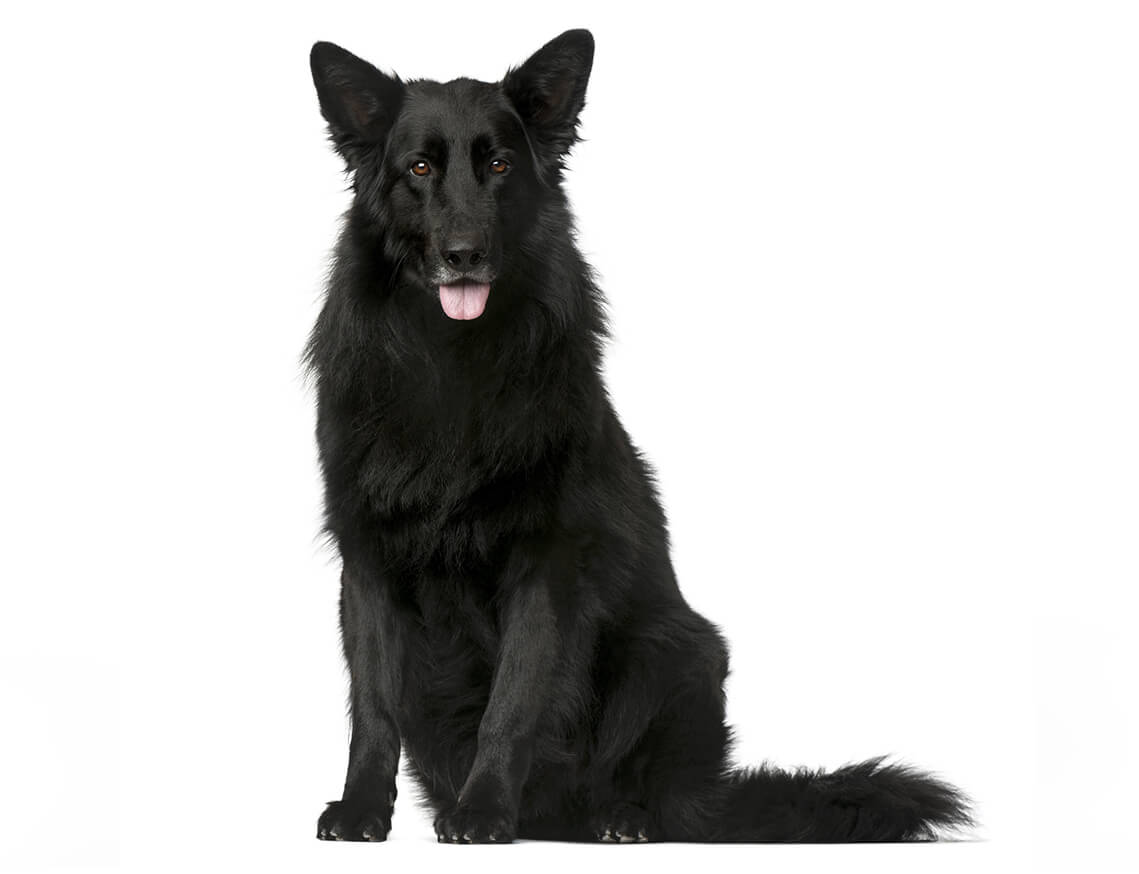
- They are always black; no other colour appears and only very scarce small white markings on the chest and toes are permitted.
- Groenendael’s have been used as police and armed forces as working dogs since the late 19th Century.