Health and common concerns
As with many breeds, all varieties of the Belgian can suffer from hereditary eye disorders, and hip dysplasia (a condition that can lead to mobility problems). Eye testing and hip scoring of dogs prior to breeding is therefore important. Check the Kennel Club website for up-to-date health information.
Space requirements
Although easy to house indoors, the Laekenois will want to spend a good portion of the day training so sufficient indoor and secure outdoor space will be required. The hustle and bustle of a city or a large town will be over-stimulating and stressful for this dog so the ideal is a medium to large rural home, with a large secure garden and plenty of access to interesting walks.
Training laekenois dogs
Quick to learn and very intuitive, whilst the Laekenois is in many respects a dog easy to train due to their eagerness to learn and work with you, they will also very easily teach themselves behaviours you may not like. The herding and guarding instincts are strong in this breed, owners will need to actively enjoy training as a hobby in its own right as well as take part in a variety of suitable canine sports or at least, activities the dog can join in with, such as running, Cani-x, working trials or agility. Socialise well with other animals, particularly livestock, household pets and children.
Best family dog breeds
While many dogs are traditionally thought of as being good with children , all dogs and children need to be taught to get on with and respect each other, and be safe together. Even so, dogs and young children should never be left alone together and adults should supervise all interactions between them.
Did you know
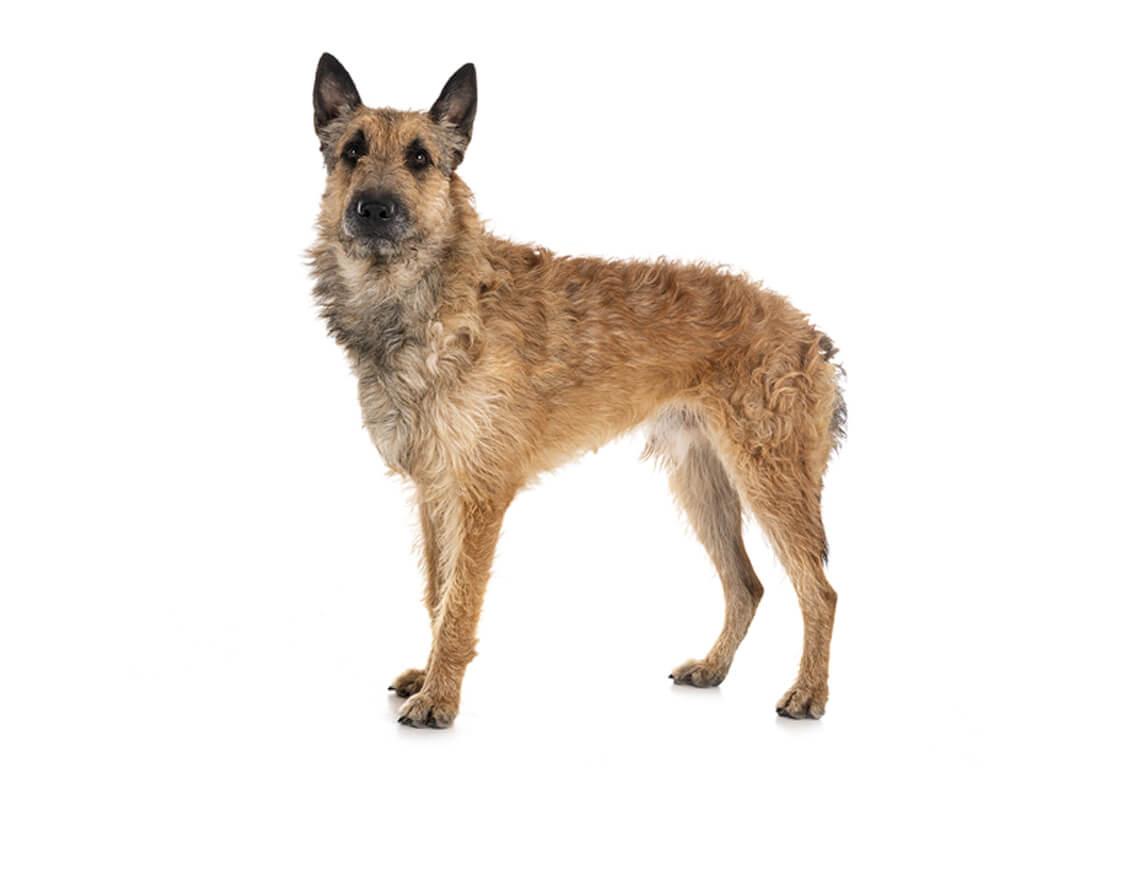
The Laekenois is named after the Belgian Chateau de Laeken, which was often visited by Queen Henrietta of Belgium who was a devotee of the breed. The Laekenois is the rarest of the four Belgian Shepherd breeds.