Health and common issues
Like many small breeds, they can suffer from kneecaps that may temporarily slip out of place (luxating patellas), but generally the Norfolk Terrier is a hardy breed. The breed club monitor the health of the breed carefully and should be contacted for the most up-to-date information and details of any DNA or additional testing they recommend. Breed Clubs can be found on the Kennel Club website.
Space requirements
The Norfolk can live in a small house or flat as long as they have access to the outdoors for exercise and toileting
Training norfolk terriers
The Norfolk has a rather non-terrier attitude to training in that they enjoy working with their owners and can be trained to be surprisingly obedient. They should be taught a good recall however as the sight of a squirrel may well turn them suddenly deaf!
Best family dog breeds
The Norfolk is one of the best terriers for children as they are gentle and patient with them. While many dogs are traditionally thought of as being good with children, all dogs and children need to be taught to get on with and respect each other, and be safe together. Even so, dogs and young children should never be left alone together and adults should supervise all interactions between them.
Did you know?
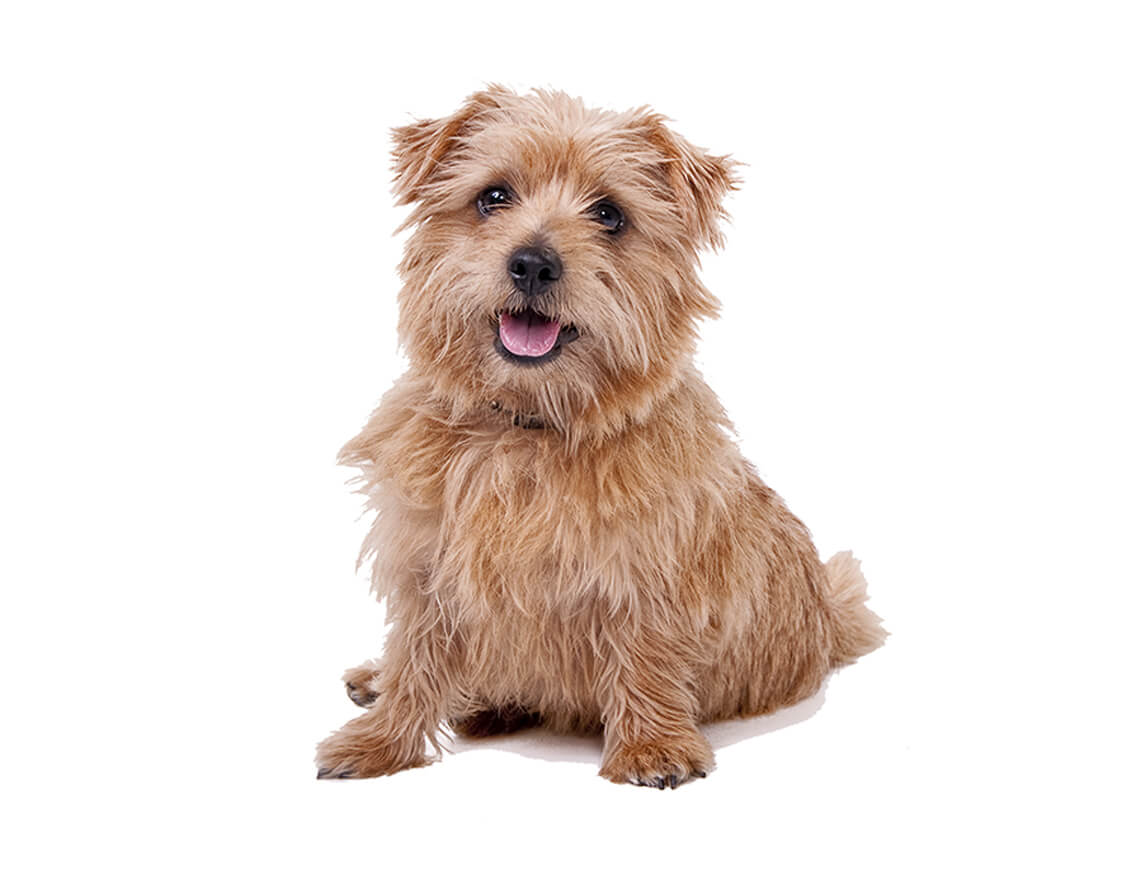
- People get confused which is the Norfolk and which is the Norwich. Just remember that there is an ‘f’ in Norfolk and they have the ‘folded’ ears which the Norwich has pointed ears like a ‘witch’s hat’.
- They’re hardworking and have been named ‘perfect demons’ in the field.
- The breed was invented by Frank “roughrider” Jones and were originally known as “Jones Terriers”.
- They’re not just great working dogs, they’ve also been very successful in the showring.
- Norfolk Terrier’s are incredibly affectionate and don’t like living outside and they’ll always happily curl up on your lap.