Sorry, you need to enable JavaScript to visit this website.
Skip to main content
Purina Pro Plan
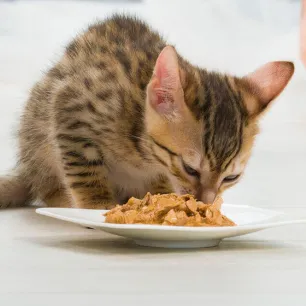
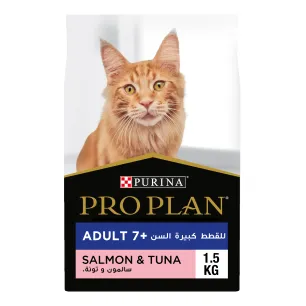
Purina Pro Plan Adult 7+ Chicken with Probiotics Dry Cat Food
PRO PLAN® ADULT CAT 7+, SALMON & TUNA, combines all essential nutrients including vitamins A, C and E, also Omega 3 and 6 Fatty Acids in a high quality diet for cats.
Star empty Star empty Star empty Star empty Star empty
Celebrate Safely with Your Dog
1 min read
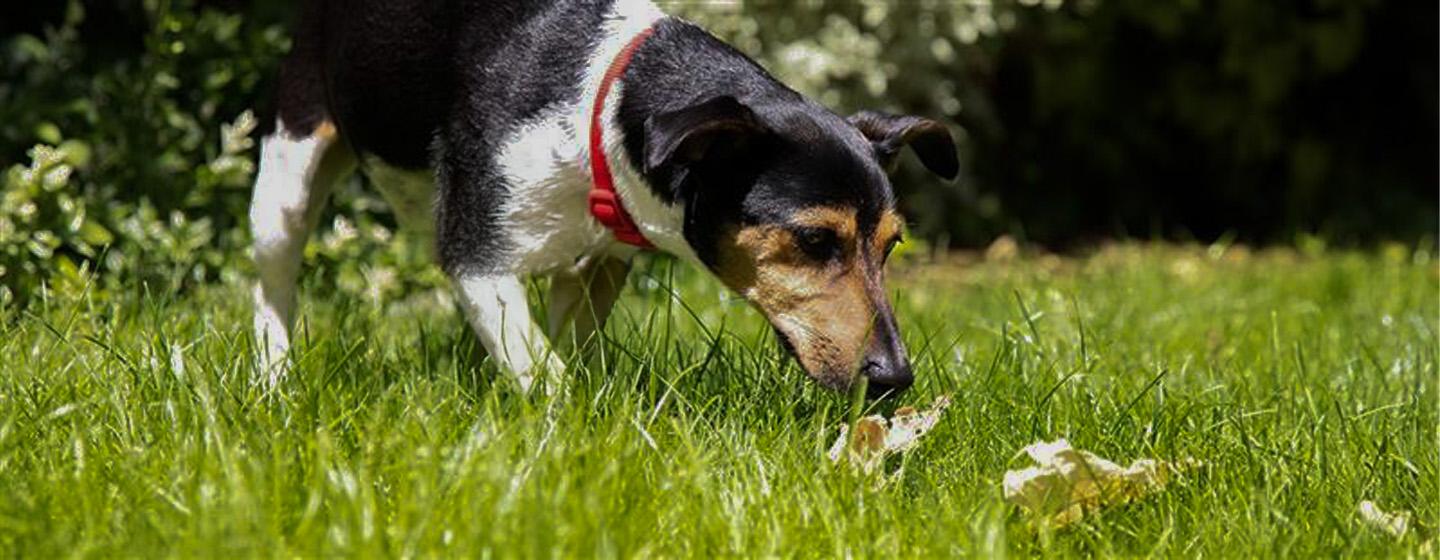
With special celebrations such as Christmas, Ramadan, and birthdays, it's important to remember that some of our favourite foods can be harmful or even toxic to our furry friends. While it may be tempting to share the joy of the festivities with our dogs, certain foods can pose serious health risks. To ensure their safety and well-being, it's best to stay away from the following foods: Grapes and Raisins Grapes and raisins, often found in fruitcakes, desserts, or even as a snack, can cause kidney failure in dogs. The exact toxic substance in grapes and raisins is still unknown, but ingestion can lead to symptoms like vomiting, lethargy, decreased appetite, and increased thirst. It's best to keep these treats away from your furry friend and ensure they don't have access to any dishes or desserts containing grapes or raisins. If your dog accidentally consumes grapes or raisins, seek veterinary attention promptly. Chocolate Chocolate is a beloved treat during celebrations, but it contains theobromine, a substance that is toxic to dogs. Even small amounts can cause symptoms like vomiting, diarrhea, increased heart rate, and in severe cases, seizures or even death. The darker the chocolate, the higher the concentration of theobromine, making it even more dangerous for dogs. It's crucial to keep all chocolate products securely out of your dog's reach and avoid sharing any chocolate treats with them. If you suspect your dog has ingested chocolate, contact your veterinarian immediately for guidance. Onions and Garlic Onions and garlic, commonly used in savory dishes, contain compounds that can damage a dog's red blood cells, leading to anemia. Symptoms may include weakness, pale gums, increased heart rate, and even collapse. It's important to avoid feeding your dog any foods seasoned with these ingredients and be cautious of any dishes that may contain onion or garlic powder. Keep all onion and garlic-containing foods securely out of your dog's reach. Nuts While nuts can be a tasty snack for humans, some varieties, such as macadamia nuts, can be toxic to dogs. Macadamia nuts can cause symptoms like weakness, tremors, vomiting, and an increased body temperature in dogs. Other nuts, such as almonds or walnuts, can also pose a choking hazard or cause gastrointestinal upset. It's best to avoid sharing any nuts with your furry friend and be cautious of any dishes or desserts that may contain nuts. During celebrations, it's crucial to consider your dog's health and safety and be mindful of the foods you offer them. Instead of sharing potentially harmful human foods, opt for dog-specific treats that are safe and enjoyable for them. There are many delicious and festive dog treats available that can add to the joy of the festivities without compromising your dog's well-being. You can also involve your dog in the celebration by giving them their own special treat or toy to enjoy. If you suspect your dog has ingested any harmful foods, contact your veterinarian immediately for guidance and assistance. They can provide appropriate advice, recommend any necessary treatment, and monitor your dog's condition to ensure their health and safety. By being proactive and cautious, you can ensure a joyful and hazard-free celebration for both you and your furry friend.
Feeding & Nutrition

Pro Plan Veterinary Diets

Purina Body Condition Tool for Cats
1 min read
Keeping your cat at a healthy weight is important for their well-being. But sometimes it is difficult to tell what that ideal weight should be. Discover an easy, step-by-step tool to check your cat’s current and ideal size. Cats come in all shapes and sizes so it’s sometimes tricky to determine whether yours is the right weight or not – after all, you love them regardless of any extra pounds! But size does matter when it comes to health, and excess weight on your cat can cause problems. So, what is a healthy cat weight? What is the average cat weight? The ideal cat weight varies from breed to breed. According to Web MD, the average cat weight is about 10 pounds, but while smaller breeds can be happy and healthy while weighting as little as 5 pounds, larger breeds such as the Maine Coon can be 20 pounds and happy. This is where cat weight charts and body condition tools come in handy for checking the healthy cat weight for your pet. Why is keeping a healthy weight for a cat important? A healthy cat is a happy cat, and one much less prone to illness and health problems. If your cat is overweight, they may not live as long as their healthy counterparts, and they’ll be less able to enjoy themselves when they’re exercising and playing, because of potential joint problems.
Health
Kitten Teething Advice
1 min read
Do kittens teeth? All kittens go through a teething process – it’s a natural part of growing up. But whilst some kittens deal with teething well, others may need a little reassurance from you. Whatever the case, rest assured that teething is completely normal. Keep reading to find out more about the process of kitten teething. When do kittens start teething? Just like humans, kittens do not have visible teeth when they are born. Your kitten’s 26 ‘baby teeth’ only start to appear at around three weeks of age. Once the baby teeth start to break through and pierce the gums you may start to see your kitten behaving differently – for example, they might begin to chew things. Don’t worry, this is completely normal. By about six weeks of age, most kittens will have grown all of their ‘milk teeth’ (or ‘baby teeth’). If your kitten hasn’t grown all of their teeth by this stage, don’t worry. Not all kittens’ teeth grow at the same rate. However, if there are a number of teeth missing once your kitten reaches nine or ten weeks, you may want to contact your vet to check everything is okay. At around six months of age, most cats should have lost their baby teeth to make way for their adult teeth. As the baby teeth are slowly replaced by 30 adult teeth, this is when the majority of kitten teething issues begin. The new teeth that are beginning to poke through will replace the baby teeth and will be the final set of teeth your cat will have, so it’s particularly important to take care of them. If you find your kitten’s baby teeth on the floor during this time, don't worry – kitten tooth loss is a natural part of the growing-up process. Kitten teething symptoms When your kitten is teething, they may be experiencing some discomfort. The most obvious signs of dental discomfort are: • Your cat has started to eat less. If they are chewing slower than usual, or more tentatively, it could be a sign their gums are hurting. It may be a good idea to pay a visit to your vet, just to be on the safe side, particularly if they also lose weight. • Urgency to chew. Another sign that your kitten is teething is excessive chewing. If your cat or kitten is chewing everything in sight including its bed, your furniture and its toys it may be a sign that teething has begun. • Inflamed or sore gums. As their adult teeth erupt, kittens may experience mild gingivitis, which can lead to inflamed gums and bad breath. If this is down to teeth erupting, it will usually resolve itself. • Other signs of dental discomfort are drooling, bleeding gums, and pawing at the mouth. These can also be signs of other dental conditions, so see a vet for a check-up. • Increased irritability. This is most likely due to sore gums and a sign that your kitten is teething.
Health
All About Dog Poop
1 min read
As a dog owner you can sometimes find yourself obsessing over dog poop. From the colour of it, to the shape and consistency, you may be wondering what's normal. Our guide to dog poop aims to answer all of your questions and more. Every dog poops, this is true. Poop can seem like an unremarkable thing; but did you know that your dog’s poop can be a great indicator of your dog’s overall health and even prevent some health issues down the road if you know what to look for? That’s why over at Purina (and at your vet’s office!) we like to get personal about the poop-scooping experience. The next time you’re out on a walk with your dog, take a good look at your dog’s poop – this way you’ll be able to get a good whiff of the important information that your dog is trying to tell you.
Advice on Insuring Your Dog or Puppy
1 min read
Dogs bring a lot of joy into our lives, but when they fall ill it’s all too easy to worry about the cost of treatment. That’s where dog and puppy insurance comes in! We’re here to help you find the right policy for you and your pet. Veterinary care is improving all the time, but unfortunately, these treatments can be expensive. When your dogs under the weather, the last thing you want to worry about is having enough money to make them well again, which is why dog or puppy insurance is a great idea. Taking out a dog insurance policy can bring you real peace of mind by taking the worry out of many stressful situations. Even so, you’ll need to be careful when choosing the company and policy for your pup, as there can be a wide difference between them – it’s not fun, but this time you really need to read the small print! Have a chat with your vet about pet insurance for dogs and the different types of insurance cover you could benefit from. In the meantime, we’ve put together some things to consider when you’re looking for your new policy to help you on the way. What to look for in a dog or puppy insurance company When you’re thinking about how to choose dog insurance, it’s a good idea to look at the company, as well as the cover they offer. A good company means less stress for you should your dog need veterinary treatment. The first thing you should look out for is a good track record in terms of claims history, the types of claim made, and the frequency of claims. You can ask your veterinary practice for advice, or look for this kind of information on the company’s website. The dog or puppy insurance company should also be easy to contact and offer a straightforward service. Make sure you look at how you can contact them – whether this is by phone, email or live chat. The company you choose should always be open to queries, friendly and helpful, you may need to contact them at a difficult time, so it’s important for you to find them approachable.
Puppy Care
10 Tips to Keep Cats and Dogs Happy Indoors
1 min read
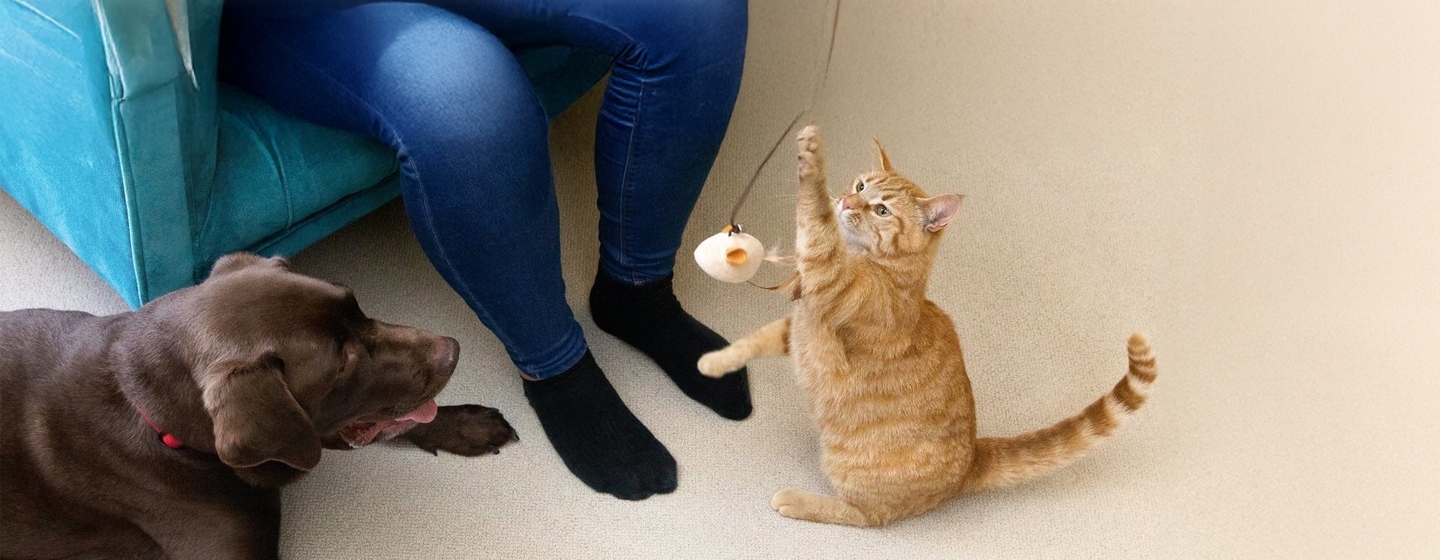
Our pets are a saving grace when we’re stuck inside. Their happy wagging tails and sweet purrs offer a welcome pick me up when we’re feeling down, but after a while, they can get bored of being cooped up. We’ve created this guide with our top 10 tips to keep your dog or cat happy indoors. When it comes to being stuck inside, there’s no doubt that pets can make the time at home feel a whole lot more enjoyable. They’re there when we need to vent or just need a good cuddle, and their care provides a productive outlet that’s beneficial to both pets and people. But being stuck at home with your pet can also present its share of challenges. Here you can find some tips on how to keep your pet happy and engaged when you’re stuck inside. 1. Stick to Their Routine Your routine has likely been disrupted in some pretty significant ways. In times like these, it can be tempting to let your pet’s routines fall to the wayside, too. Purina behaviourist Dr. Annie Valuska warns against this: “It’s important to try to keep your pet’s routine as intact as possible. Feeding, potty, and walks should all happen when they normally do.” She also reminds us that continuing to ask for good manners, like sitting before going through a doorway or not begging for table scraps, is another important way to maintain consistency in your pet’s routine. 2. Be Intentional About Rest Time Your pet may be used to having time to themselves while the family is away, so try to give them plenty of rest time throughout the day. As Purina behaviourist Dr. Francois Martin reminds us, “It is not a good idea to change your pet’s routine with a lot of socialisation. Pets are not kids. Owners don’t have to keep them busy with things to do all day.” Parents, breathe a sigh of relief: your kids may need activities to fill their days, but your cat or dog will be just fine, and will even benefit from having some quiet time. 3. Let Them Chew It Out For those conference calls, homeschooling sessions, or just moments when you need some rest, it can be helpful to give your pet a long-chew treat to help keep them entertained. Dr. Sverine Ligout, a Purina behaviourist, reminds us that while these treats can be a fun activity for your pet, it can also be easy to overfeed them. Keep calorie counts in mind and compensate for extra treat calories by feeding a little less at mealtime. 4. Exercise, Exercise, Exercise Keep nerves in check and channel nervous energy into a productive outlet - exercise. Staying active during this time is as beneficial for you as it is for your pet. You may not be able to take your dog to the dog park for exercise, but you can still find ways to get their energy out. Even a trip to the mailbox can provide a little exercise. If you’re stuck inside, clear away some furniture to make room for a game of fetch or tug of war. Get out in the backyard if you have one and play a game of chase. We recommend using exercise as another way to reinforce your pet’s schedule. Have planned play sessions at around the same time each day, this will encourage your pet to follow routine, while also providing physical and mental stimulation, as well as promoting the human-animal bond. 5. Play Some Mind Games Another great way to tire your pet out is with mental stimulation, like teaching them a new trick or two! Have you always wanted your dog to be able to roll over or for your cat to dance? Now is the perfect time for those lessons. “Just like people, pets experience what we call the ‘Eureka Effect,’ or the emotional response to problem-solving,” Dr. Ragen Mc Gowan, Purina behaviourist, explains. “That ‘ah ha’ moment when you finally figure something out. You feel a positive surge of emotions. Our pets experience this as well.” You can also use feeding time as a way to mentally enrich your pet’s day. Scatter their food around the house and let them use their sense of smell to find it or incorporate a puzzle toy into feeding to give them a little mental challenge.
9 Creative Cat and Dog Enrichment Ideas
1 min read
Spending lots of time indoors can get boring for all after a while, and that feeling extends to your pets too! That’s why we’ve put together this article to give you lots of handy tips for keeping your cat or dog entertained inside your home. When the whole family is cooped up inside for extended periods of time, you may find it difficult to come up with new activities for your family and pets. Fortunately, there are a number of enrichment activities you can set up indoors for both cats and dogs and some can even involve the kids. These activities can provide your pet with much-needed mental stimulation and help prevent boredom, which can lead to destructive behaviours if left unchecked. 1. Designated Together Time Transitioning to being home all day is a big change for everyone, including your pets. Try creating a new routine with designated time together each day. Try doing fifteen minutes at the same time every day for a week. Find a quiet space, and while giving your pet your undivided attention, pet them for the full fifteen minutes, adding in praise or telling them a story. Note how your pet reacts the first day compared to their reaction a week later. They may start seeking you out when it’s play time. If you both enjoyed this time together, continue it as a daily activity, or change things up by keeping the same time but adding a new activity. 2. Movement Both dogs and cats find moving objects, lights and sounds entertaining. You can hang a bird feeder outside a window so your pet can watch. Light catchers, lasers, feather wands and cat dancer toys are popular with cats. You can even try creating your own as a family activity. Light catchers or wind catchers are easy for beginners. 3. Couch Potato Play Spending more time inside often means more time on the couch binge-watching a TV show. Your pet may enjoy curling up next to you for TV time, but you can also give them something to do without leaving the couch. We suggest keeping a basket or drawer of toys close by, such as stuffed animals, feather wands and tug-toys. Verbal encouragement is often enough for pets as they interact with a toy on their own. Provide words of praise, which can increase their excitement for the activity and extend play time.
Health
5 Reasons Why Cats Meow
1 min read
Whether you enjoy a soothing meow every now and then or you’re growing impatient with all your cat’s attempts to make conversation, the reasons why cats meow are just as fascinating as the kittens themselves. Find out more here. As a proud cat owner, you are by now probably used to the daily soundtrack of meows and purrs your cat shares with you. But did you know that the way cats communicate with other cats is mainly via scent, and cat meowing is a language reserved for humans only? That’s to say, cats don’t meow at each other, only at humans, and meowing is a learned behaviour. Different meows tend to mean different things too and a subtle difference in one meow to another can indicate your cat is talking to you for a very different reason! Why would cats, who are better known for their “can’t be bothered” attitude, go to all the trouble to communicate with us? They must have something important to say. So if your cat won’t stop meowing and you need help deciphering what this means, here are the top reasons why cats meow. Why do cats meow? 1. To greet you If you’re used to a short meowing burst just as you close the door after returning home, congratulations – your cat actually noticed you were missing. These quick meows are your cat’s way of saying “hi” and “where have you been all this time”. A bit of affectionate petting and a few warm words are expected in return before your feline friend goes back to the usual preoccupations. Ah, the joys of being a cat owner! 2. To get your attention One reason why cats meow is to get your attention for play, petting or some nice treats. So if your cat keeps brushing up against you while belting out her signature meows, chances are you’re needed for some good old spoiling time. So if you’re wondering why does my cat keep meowing, that’s your cue to get the bag of treats out. If you need some inspiration, here are some cool cat games ideas to try. Have fun! 3. To get food If your cat won’t stop meowing at certain times, it’s always a good idea to check the food bowl. If it’s empty, you know why your cat is meowing! However, don’t fill up the bowl straight away – a good trick is to wait until your cat stops meowing before getting the food out. Otherwise your cat will learn that they can meow and get fed, so they’ll do it more. 4. To tell you they’re unwell Unfortunately, the reason why cats meow is not always easy to address, especially if the pitch and the frequency of your cat’s vocalisations are unusual. If your cat is meowing at night, they might be trying to tell you there is something wrong. In fact, many illnesses from kidney disease to urinary tract problems or arthritis can have your kitty meowing for help. If you notice anything unusual about the sounds your cat is making, it’s always better to visit the local vet to rule out a possible illness. However, be aware that it can be very difficult to read a cat’s body language and they often hide signs of pain, so just because they are not meowing doesn’t mean they are necessarily comfortable! If your cat is not a youngster anymore, watch out for a common culprit showing up in older cats – Cognitive Dysfunction Syndrome. Some of the symptoms include confusion and meowing at night, so make sure you discuss this possibility too with your vet. 5. To indicate stress If you notice extra cat meowing on top of the usual chat you’re expecting from your feline friend, think about any possible disturbances or changes in your cat’s environment. A new house, a new pet or a new baby can set off alarm bells in the mind of your furry companion. So be mindful of any changes and try to put your cat at ease by offering them more attention and some nice quiet time.
Behaviour & Training

Pagination

  • First page
  • Previous page
  • Page 1
  • Page 2
  • Page 3
  • Page 4
  • Page 5
  • Page 6
  • Page 7
  • Page 8
  • Page 9
  • …
  • Next page
  • Last page
Purina Pet Club logo

Join Purina Pet Club for expert tips, helpful advice, exclusive offers and rewards.

Join the Club
Nourishing pets Purina pets grid card
Purina Pet Club logo

Join Purina Pet Club for expert tips, helpful advice, exclusive offers and rewards.

Join the Club
Nourishing pets Purina pets grid card

Footer

  • Cat
    • Care & Advice
    • Find a Pet
    • Food
    • Our Brands
  • Dog
    • Care & Advice
    • Find a Pet
    • Food
    • Our Brands
  • About Us
    • Our Mission
    • Our History
    • Our Purina Promise
    • Purina In The Community
  • Other
    • Join Purina Pet Club
    • Breed Selector
    • Contact Us

Footer

  • Cat
    • Care & Advice
    • Find a Pet
    • Food
    • Our Brands
  • Dog
    • Care & Advice
    • Find a Pet
    • Food
    • Our Brands
  • About Us
    • Our Mission
    • Our History
    • Our Purina Promise
    • Purina In The Community
  • Other
    • Join Purina Pet Club
    • Breed Selector
    • Contact Us

Footer

  • Cat
    • Care & Advice
    • Find a Pet
    • Food
    • Our Brands
  • Dog
    • Care & Advice
    • Find a Pet
    • Food
    • Our Brands
  • About Us
    • Our Mission
    • Our History
    • Our Purina Promise
    • Purina In The Community
  • Other
    • Join Purina Pet Club
    • Breed Selector
    • Contact Us

Footer

  • Cat
    • Care & Advice
    • Find a Pet
    • Food
    • Our Brands
  • Dog
    • Care & Advice
    • Find a Pet
    • Food
    • Our Brands
  • About Us
    • Our Mission
    • Our History
    • Our Purina Promise
    • Purina In The Community
  • Other
    • Join Purina Pet Club
    • Breed Selector
    • Contact Us
© 2026 Purina. All Rights Reserved.

©Reg. Trademark of Nestlé S.A.

Terms & Conditions
Privacy Policy
Cookies
© 2026 Purina. All Rights Reserved.

©Reg. Trademark of Nestlé S.A.

Terms & Conditions
Privacy Policy
Cookies
© 2026 Purina. All Rights Reserved.