Sorry, you need to enable JavaScript to visit this website.
Skip to main content

Breadcrumb

  1. Care & Advice
  2. /

    Dog Advice

Dog

Learn More About Your Dog
Can Dogs Eat Bread?
Feeding & Nutrition
Can Dogs Eat Bread?
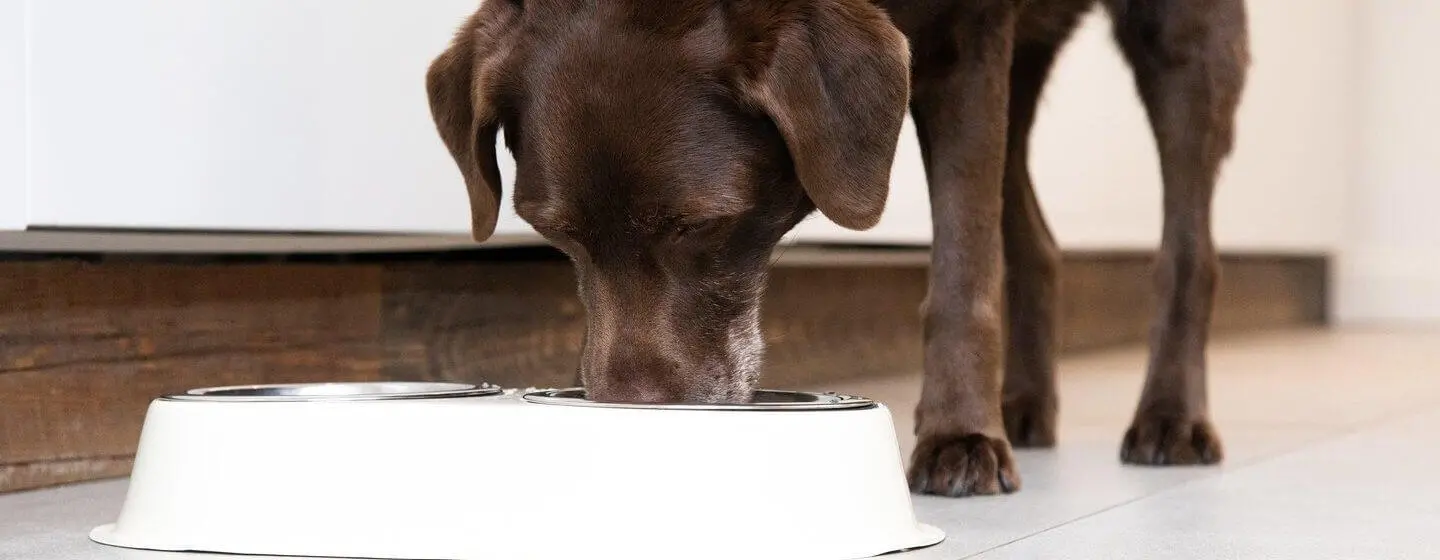
As humans, we eat a lot of bread on a daily basis, but can our dogs eat bread too? Find out all you need to know on whether bread is good for dogs and the types to avoid with our guide. Bread is a staple to the human diet, with most of us consuming it in some regard on a daily basis. Whether it’s toast for breakfast, sandwiches for lunch or a big slice of crusty bread to go alongside a stew or soup for dinner, it’s safe to say as a species we eat a lot of bread! As a nation of dog lovers, we love to share everything with our dogs and when they’re giving us their best puppy dog eyes as we tuck into our food, it begs the question: can dogs eat bread? We’ve put together this guide to tell you everything you need to know from is bread good for dogs to the types to avoid. Can dogs eat bread? Yes and no. Dogs can eat small amounts of plain white or brown bread, but it should be only given as the very occasional treat. There are some types which may be toxic to your pup and will contain added extras such as nuts – macadamia nuts are toxic and all nuts are high in fat, which isn’t good for dogs. Plus, breads with chocolate chips, raisins, onions, garlic and some dessert bread may also contain xylitol, so always be sure to double-check the ingredients first.
Homemade Dog Food
Feeding & Nutrition
Homemade Dog Food
We love our dogs and only want what’s best for them, so it’s hardly surprising that interest in homemade dog food is up. Find out all you need to know about homemade dog food and why it’s best to seek expert advice before starting your pet on a home-prepared diet. Our dogs are our best friends and part of the family, so it’s only natural that we wonder if we can have them join in on our family meals – food is the way to (most) dogs’ hearts after all! But it’s not as clear- cut as just cooking an extra portion of whatever you’re having – homemade dog food can be quite tricky to get right. You’ll need to ensure that what you’re cooking meets all of your pet’s nutritional requirements. This means we advise that you don’t switch to a home-prepared diet without consulting with a vet or pet nutritionist. If you’re thinking about preparing home-cooked dog food, keep reading to find out everything you need to know. Are homemade dog food recipes healthier? Usually not! According to the American Kennel Club many vets don’t believe that feeding homemade food is better than a diet of commercial dog food. There’s currently a lack of evidence to suggest there are any benefits of homemade dog food that dogs can’t already get from a complete and balanced dry or wet food. In fact, vets actually worry that homemade dog food can sometimes be detrimental to dogs’ health, particularly if these diets aren’t formulated properly or are created without the help of a registered nutritionist or veterinarian. What are the possible benefits of homemade dog food? • Allows you to have full control over your dog’s diet as you can choose what goes in. • Home-prepared diets can aid in the management of food intolerances, as you can avoid ingredients which have caused your dog dietary issues in the past. However, there are now so many commercially prepared dog foods available for managing allergies and intolerances that you’re unlikely to need to switch to home-prepared food purely for this reason.
Recognising and Treating Dog Mites
Health
Recognising and Treating Dog Mites
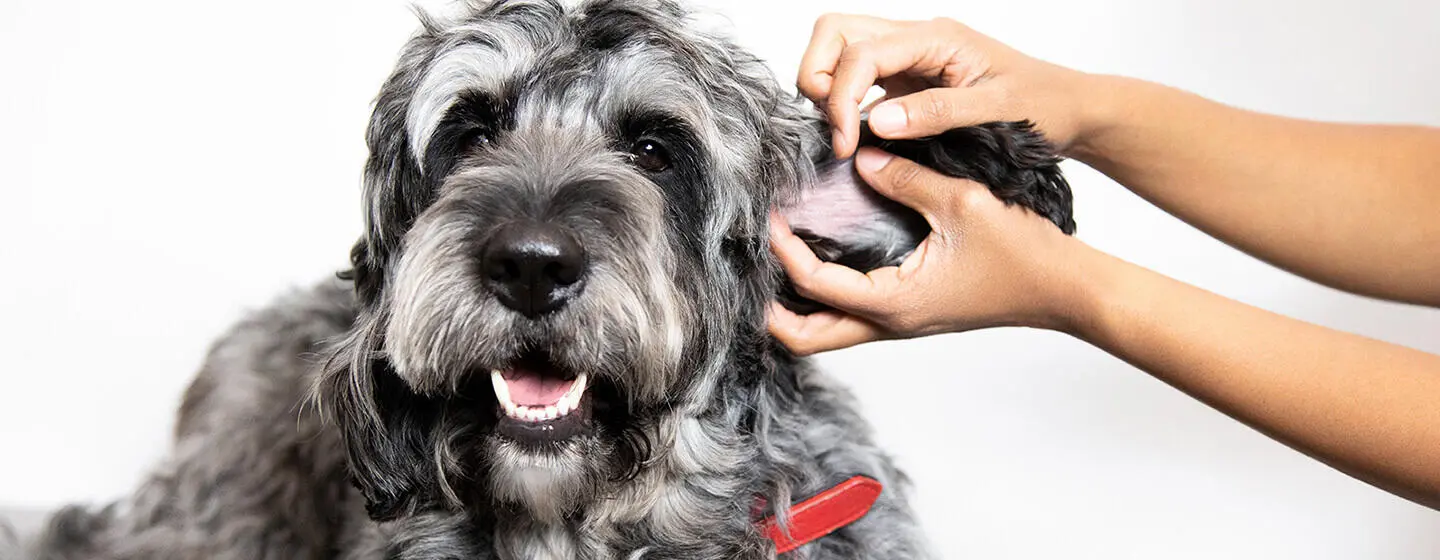
Many owners are concerned about mites in dogs, how they can be prevented, and how affected dogs can be treated. We’ve put together a guide on dog mites to help you out. What are dog mites? Mites are tiny creatures, usually under a millimetre long, that burrow into your dog’s skin and cause irritation and inflammation. Mites are a fairly common health concern for dogs. They are parasites that can cause a range of skin conditions, from dry skin to hair loss. Mites live in the fur, or sometimes in the ears, and can make life uncomfortable for your dog. Mites are also what cause ‘mange’, a well-known skin condition in dogs. What health conditions do dog mites cause? If your pet is infested with dog mites, it is known as a condition called mange. The common types are “sarcoptic mange” and “demodectic mange”. Other conditions caused by mites include cheyletiellosis, and trombiculosis, also known as “harvest mite” infestation. Ear mites live in the ear canals of dogs and can cause severe discomfort, so spotting and treating ear mites is extremely important.
Puppy Care
Explore All
10 Facts About Puppies
1 min read
We all love puppies, right? It’s near impossible for any dog lover not to, surely. Wriggly, fluffy, loving and extremely cute – why wouldn’t you love them? Here at Purinawe adore the little rascals – and they’re not just adorable; they’re interesting, too. Read on to find out some of our favourite facts about puppies. 1. Born helpless You might expect puppies to be helpless when they’re born. (They’re babies, after all!) But did you know that they’re effectively born deaf and blind, with no teeth? It’s one of our favourite puppy facts! Even the famous canine sense of smell isn’t active when a puppy is born, and their eyes and ears are closed. Their eyes open when they are between 10 and 14 days old, with eyesight fully developing at about 7 weeks. 2. The first sense to develop is touch Born without most of their senses fully developed, the first sense that puppies develop is touch. Almost from the very moment they are born, a puppy’s mother will lick and nuzzle them, stimulating their sense of touch. Touch continues to be important for your puppy throughout their lives. 3. Puppies can be twins There are often many puppies in a litter, each genetically unique – but did you know that puppies can be twins? The first confirmed case of this was recorded in South Africa in 2016, with vet Kurt de Cramer delivering them via Caesarean section. Although it’s possible that there have been other unconfirmed cases of genetically identical canine twins, this was the first officially recorded instance of identical puppies being born. 4. They have baby teeth Another interesting puppy fact is that they lose their first set of teeth – meaning that these could (adorably) be called baby teeth. Your puppy’s baby teeth will be replaced with adult teeth at about 4 months of age. 5. Their coat colour may change as they grow A bit like humans, the colour of puppies’ coats may change as they get older. Patches of colour can shift and grow, and how they do so can depend on the breed. Dalmatians, for instance, don’t develop their famous spots until they are two or three weeks old. If your pup is purebred, then you’ll be able to more or less predict their appearance through how their parents look, but for crossbred or mixed breed pups, it can prove more complicated.
Puppy Care
Puppy Sleeping Arrangements
1 min read
When you get a new puppy figuring out their sleeping arrangements can be difficult. Find out what the best options for puppy beds are and if you really should let them sleep in your bed with you. With all that playing, your puppy will need lots of rest, so appropriate puppy sleeping arrangements should be made. Avoid giving into temptation and allowing your new pup to sleep on your bed, even on the first night with your new puppy. It will quickly become a habit that you later might regret when they won’t be able to sleep alone! It’s best to make them a comfy nest that they can call their own, where they can be snug at puppy bedtime. If you’re using a puppy crate then a cosy bed can be put inside, with layers of newspaper underneath to soak up any spilled water or wee accidents. The puppy crate, or bed (if you’re using a bed on its own), should be placed in a quiet corner, somewhere where you can keep an eye on your puppy when they are inside, and out of the way of kids playing and general noise, so they can have a good rest. A corner of the kitchen will allow easy mopping up of any spills. If you’re placing the puppy crate on the floor elsewhere on carpet, some newspaper or (chew-proof!) waterproof pads underneath is a good idea. If you already have other dogs in the house, then placing your puppy’s crate alongside their sleeping area will give your new pup some reassuring company. However, if your existing pets are wary or upset about their new housemate, then it’s better to keep puppy’s sleeping arrangements separate, until they’re used to each other and are happy snuggling up or playing. What to expect on the first night home with your puppy On arrival in their new home, your puppy may take a while to settle in. This is likely to have been the first time they have been away from mum and their siblings. During the day, the activities of playing and sleeping might mean your puppy has been distracted and has not noticed that his previous doggy family are no longer around. When it comes to night-time though, it's dark and long, and it’s normal that your pup may get upset when you spend your first night with your new puppy. As a general rule, puppy first nights can be tricky – but they’re easier to navigate if you have some idea of what to expect.
Puppy Care
Puppy Buying Guide: Finding the Right Breeder
11 mins read
Finding the right breeder is crucial to make sure that your pup has received the best start to grow into a happy and healthy dog. Find out what to look for in a puppy breeder with this guide. Adding a new puppy to your household is an exciting time, but it does come with its own little stresses. Before you get your hands on that adorable ball of fluff, there's a few things to consider, such as, am I ready to dedicate my life to a dog? And what breed best suits my lifestyle? Then, once you've answered all these questions you need to find a reputable breeder to ensure that you're buying a puppy that's in good health and is well-cared for. So, if you’re wondering where to buy a dog from and what questions to ask the breeder, we've put together this puppy buying guide to help you on your journey to getting your new four-legged friend. Buying a puppy checklist Before buying a puppy, you will need to be able to answer yes to all the questions on our buying a puppy checklist. Dog ownership can be extremely rewarding as it brings you unconditional love companionship, a healthier lifestyle and a sense of joy. But are you ready for the commitment? • Can I afford to own a dog for its life? Things to think about are food, veterinary fees, possible grooming costs, kennelling fees and insurance costs. • Are my circumstances right for a dog? This includes work hours and size of home. Will there be someone at home if I work long hours? • Can I make a lifelong commitment to a dog? The average lifespan of a dog is around 12 years and so you will need to be able to commit for this length of time. • Will I be able to exercise the dog every day? Will I be able to train, groom and generally care for the dog? • Can I answer yes to all the questions on the buying a puppy checklist, 365 days of the year? If the answer is yes then you can move onto and research the next steps. Which dog breed is right for me? The next step on our puppy buying guide is that you'll need to decide which dog breed is right for you depending on your preferred size, exercise levels, grooming needs and if they suit family life. There are many breeds out there and all will suit different sorts of people and circumstances. A Border Collie, for example, will not do well in a flat with no garden and no access to regular exercise, whereas a smaller breed such as a Chihuahua will likely not mind.
Puppy Care
How Much Does a Puppy Cost? All You Need to Know
1 min read
If you're looking to bring a new puppy into your life, you may be wondering about the potential financial implications that come with it. Find out everything you need to know with our handy guide. Deciding to get a new puppy is incredibly exciting, but often, people don't spend enough time thinking about the financial obligations that go with it. While you may believe that it's simply a case of having enough money to purchase your furrever friend, your puppy's first year brings a wealth of costs that you need to account for too. If you're thinking of opening up your home to a new puppy, you may be wondering how much does a puppy cost? Keep reading to find out how much are puppy vaccinations and what other expenses you should expect in your pup's first year. How much is a puppy? The first question on your journey to puppy ownership will likely be how much does a puppy cost? The first factor that will influence this is the breed, as more in-demand breeds like Labradors and Bulldogs will always carry a higher price tag. It will also depend on the puppy's heritage, if they're from a showing background and are Kennel Club registered, this will significantly hike up the price. Another question to consider when asking how much is a puppy is that if you're buying from a reputable breeder, the costs will likely be higher. This is due to the fact that the sale of a puppy needs to cover running their business as well as providing high quality care. There are many costs a breeder will have to cover such as screening tests for the parents (if they're a breed prone to illnesses), possibly stud services, de-worming and vaccination costs, registration fees and so much more. One thing to be aware of is to watch out for low prices, these can indicate a puppy mill or farm or reflect poor quality of care. If you're not prepared to shell out hundreds or sometimes thousands on a puppy, you could consider adopting a puppy instead. You'll still have to pay a fee which will cover their time at the centre, but this will usually be considerably less than buying a puppy from a breeder. Additionally, your adoption fee will also probably cover microchipping, vaccinations and neutering (providing they're old enough). How much are puppy vaccinations? Once you've got your puppy, the next step is vaccinations. These are essential as they'll protect your puppy against diseases or illnesses. The puppy vaccinations cost will depend on your veterinarian. They'll need these first vaccinations when they're 6 - 8 weeks old, with the second following 1 - 2 weeks later. When buying from a reputable breeder or rescue centre, these vaccinations will usually already have been done before you pick them up. After that, you'll need to take your pup for an annual booster. If your puppy hasn't yet had their injections, some veterinarians will offer a 'puppy club scheme' which will cover puppy vaccination costs and may also include microchipping and help with neutering.
Puppy Care
Dog Puberty
5 mins read
Dog puberty usually occurs when your pup is between 7 months and 2 years old and as with humans, it can bring a whole load of behavioural and physical changes. Find out everything you need to know about the signs of puberty in puppies and what you can expect in this handy guide. There is one thing that all puppy owners can rely on – and that is that their lovely cute, biddable puppy will one day grow up to be a canine adolescent, which brings with it both behavioural and physical changes. When does dog puberty occur? Dog puberty is the period between sexual maturity and social maturity and can happen between around seven months to almost two years, depending on the breed (larger breeds take longer to develop). Another way of looking at it is as a time when their hormones are running ahead of their brains – pretty much like with human teenagers! Behavioural changes during dog puberty During this stage of dog puberty, one of the first things you may notice is that your puppy’s behaviour starts to change. Things that you have taught them may seem to be inadvertently forgotten and they appear to ‘forget’ the simplest things, whether this is toilet training, recall or walking nicely on the lead. There may be changes in their interactions with you as they become clingier or, at other times, the puppy who used to hang on your every word seems not to notice you even exist! This is a time when your puppy is starting to look at the world through the eyes of an independent adult and reassessing their behaviour strategies. You may see your puppy behaving fearfully or reacting to things they have apparently taken in their stride in the past. Other dogs start to treat them differently, as they no longer have the ‘puppy privileges’ they used to enjoy. They have to rethink their social skills at a time when their hormones are raging as according to Pet Medical Center, an adolescent male dog has much higher testosterone levels than adult male dogs! This can lead to competitiveness and even aggression.
Puppy Care
Explore All
Behaviour & Training
Explore All
What Types of Dog Growl Mean
4 mins read
Many people believe that dogs growl due to aggression, however there's so many different reasons why your dog may be growling. Read our guide to find out the different types and what they mean. Dogs try to communicate with people in different ways, one of which is growling. As pet owners, we often assume that dog growling is a signal of displeasure or aggression, but it isn’t always that simple. There are a range of things that your dog may be trying to convey when they make these growling noises, and if you listen closely, they may not all sound exactly the same. Read on for more information on the different types of dog growl and what they may be trying to tell you when they do so. Why do dogs growl? Dog growling is simply a method of communication – it’s your dog trying to tell you something. Dogs growl to communicate lots of different things, from fear and aggression to encouraging play. That’s why you need to understand the types of dog growl to interpret what the sound means. Always pay attention to the situation that your dog is in when they growl. You may find that your dog makes different types of growling sounds in different situations, and learning to recognise the circumstance of each dog growl will help you to identify what it is your dog is trying to say. Those sounds may seem similar to us, but it’s all about context! Where one growl may be saying: ‘I feel threatened’, another could be saying: ‘I’m having fun!’ Dog growling when playing You may have noticed your dog growling during play. It can seem strange when dogs do this – why would they suddenly make a sound of aggression when you’re having fun together? The simple answer is: they aren’t! This type of dog growling indicates that your pet is having fun; your dog might even be trying to tell you that they want to keep on playing! Although it’s hard for the human ear to pick up on subtle differences in dog growling, play growls can be distinguished from other more aggressive types of growl. Although every dog is different and has their vocal range and individual ‘voice’, in general dog play growls will sound higher pitched than other kinds of growling. They will also often be shorter, and may be accompanied by body language like bounding motions, or your dog bending down onto their front legs, raising their rear-end in the air. Don’t be intimidated if a dog growls during play, with either a person or with another dog. Do keep an eye on the situation in case it escalates, but usually growling during play indicates that a dog is just having fun. Aggressive dog growling Aggressive dog growling is all about an expression of power. A dog might be trying to establish their position as the ‘alpha’ over another animal, or they may have spotted something that has triggered their natural hunting instinct. It’s important to not encourage this kind of dog growling, and to try to separate your pet from what is triggering their aggression. Always be cautious and take into account the situation your pet is in when dealing with aggressive dog growling.
Behaviour & Training
How to Stop Your Dog Chasing Your Cat
5 mins read
Dogs and cats can live together in perfect harmony, but sometimes there can be a little tension. Dogs are pack animals who love company, while cats are lone hunters who prefer independence. Dogs often play with other pups by chasing them, which cats may perceive as a threat. Stopping this behaviour the moment it occurs is very important, as it can lead to a very unhappy cat if left unchecked, even if your dog is well-meaning. Moreover, your cat will interpret it as predatory behaviour and will want to hide in order to feel safe. But fear not – this behaviour can be controlled. In this article, we’ll explore why dogs chase cats, how to stop dogs from chasing your cats, and what to do if they do not stop. Why do dogs chase cats? When a dog chases a cat, it is usually because they are following their instincts – particularly if your dog is a breed originally used for chasing or herding. Other times, when a dog chases cats, they might just want to play, and they will chase a cat a little like they will chase a ball that has been thrown for them. Dogs chase cats because they have a strong chase instinct and that movement can trigger this instinct. However, there are instances of dogs living with cats for years without chasing them before suddenly developing this instinct. It is important to stop dogs chasing cats as soon as you see this behaviour in your own pets. Dogs should see cats as their companions, and not as toys.
Behaviour & Training
Why are dogs so loyal?
1 min read
There is no denying that one of your dog’s most defining traits is their loyalty. This loyalty can be overwhelming and humbling, and has often been cited as an example of what human beings can learn from dogs. But life lessons aside, where does your dog’s loyalty come from? Yes, you feed them and play with them and have your deep sense of love for them, but does that fully explain the depth of emotion they hold for you? In this article, we explore loyal dogs, why dogs are loyal and when that loyalty may need to be contained. Are dogs really loyal? The concept of a loyal dog has been peddled so much in today’s media and advertisements that you can be forgiven for questioning its premise: are dogs really loyal? Let us get the question out of the way: yes, they really are. The stories of dogs who wait endlessly for their owners or who are overjoyed to greet them years later are not made up. You can see the evidence in your dog, who is delighted when you return home from work and greets you as if they haven’t seen you in weeks. If that is not deep loyalty, we do not know what is. So, what makes a loyal dog? There are several theories on where your dog’s loyalty comes from and why it is so deep. Here we explore a few of the explanations for your dog’s loyalty, ranked from simple to intriguing. The simple explanation: you give them food The simplest explanation for your dog’s loyalty is that you give them food and shelter. Your dog is grateful to you for the essentials of life that you provide and so is loyal to you. There is a scientific basis for this: domestic dogs are descended from wolves, which man once took in and tamed with shelter and food in return for them acting as guard dogs. This reciprocal relationship remains in your dog’s genes and their loyalty is a by-product of it. Of course, this would mean that loyal dogs adore anyone who feeds them. This is also largely true, as dogs do tend to grow more attached to the family member that gives them their food. But it is not the only explanation. Looking to dog psychology for answers: dogs are pack animals Dogs are also pack animals and long to belong to a pack. They are much like humans in that way – it is said that no man is an island and the same can be said for a dog. To your loyal dog, your family is their pack and they have adopted you as their own. Loyalty in a pack is crucial. In order for a pack to survive in the wild, their members must work together to overcome dangers. Trusting, co-operating and putting the pack’s interests first are all a natural part of surviving. It would explain why dogs often put their own lives in danger to protect their owners; their pack instincts require it of them. But that cannot explain everything. After all, your dog still loves you when you return from a long vacation and you have not been feeding them during that time. And what about Hachito, the loyal dog who used to greet his owner each day at the train station after work – and continued to wait for him for nine years after he died? Neither pack instincts nor reciprocal relationships can explain that. But something else might. The intriguing explanation: dogs may love In 2005, Science Direct held an experiment on canine behaviour, where they presented dogs with their owner’s scent, a scent of a stranger and the scent of food. Brain scans were taken of the dog as they approached each scent. The study hypothesised that since smell is so important to dogs, it would be the best way to understand how canine brains work. They were right. Not only did dogs react more strongly to the scent of their owners, the part of the brain associated with enjoyment and positive emotions lit up when they were given their owner’s scent. Your loyal dog does recognise you. The same patterns in humans would usually be associated with love. In another experiment, a dog was allowed to watch a stranger be rude to their owner. When the dog was then allowed to interact with the stranger and the owner, the dog actively snubbed the stranger. If that is not loyalty, we do not know what is.
Behaviour & Training
Why Do Dogs Eat Grass and Dirt?
1 min read
If your dog keeps eating grass or dirt, there’s no need to worry - this isn’t uncommon behaviour by any means, even though it might seem quite strange. If you have a four-legged friend in your life, chances are that you’ve caught them grazing once or twice on their daily constitutional. For pups that do this, owners often wonder, why do dogs eat grass exactly? Over the years there’s been numerous old wife’s tales about the behaviour, with many believing it’s for the purpose of self-medicating – but is this true? Why do dogs eat grass? Dogs eating grass is very common, but there’s actually little evidence to tell us why they do it. Behaviourists and veterinarians have been perplexed by the behaviour for years, but some of their theories include: 1. Self-medicating It’s likely that you’ve heard this one for an answer to why dogs eat grass. It’s widely believed by dog owners that if a dog feels nauseous, they’ll eat grass to make themselves vomit and then feel better. However, this still remains a theory. In fact, dogs vomiting after ingesting grass is quite rare, with less than 25 percent doing this and only a further 10 percent displaying signs of illness beforehand. 2. They like the taste of it Another reasoning could be because they simply like the taste of it. Dogs are descended from wolves and as such, they’re natural scavengers – meaning that they might be grazing in your back garden as an opportunity to forage. Additionally, some veterinarians have suggested that dogs might eat grass to make up for nutritional deficiencies in their diet. This is supported by a study outlined by Fetch by Web MD, with a dog who ate grass every single day for seven years, then the moment it was switched to a high-fibre diet, it stopped. However, there’s currently not enough studies on the topic to satiate if this is the reason behind why do dogs eat grass or not. 3. Eating grass due to boredom If you’re just letting your dog out into the garden to play by themselves and not offering enough mental and physical stimulation, then your dog eating grass may be because of boredom. To try and reduce the behaviour, make sure you’re giving your pup enough opportunities to exercise, and get some toys for them to play with in the garden too. Puzzle games are excellent for mental stimulation, chew toys are great for boredom-busting and your dog is bound to love a ball game too! 4. Dogs might need grass in their diet Another explanation for why do dogs eat grass could be down to the way they’ve evolved. This theory relates to the fact that wild canids eat all of an animal when they catch it. The animals that wild canids – your dog’s ancestors – would catch and eat were usually herbivores. This means that when the wild canids ate these animals, they might also have ended up eating a lot of grass and plants that were in the intestines of their prey. Wild canids such as foxes have also been known to eat certain berries and other plant material, supporting the idea that dogs eat grass because it’s a part of their normal diet.
Behaviour & Training
Explore All
Health
Explore All
Can Dogs Get Colds or Flu?
5 mins read
Whether you’ve got a sniffle or something more serious, you may be worried about the potential risks for your four-legged friend. We’ve put together this guide to tell you everything you need to know about dog colds and flu to help you better understand your pet. When the trees start to lose their leaves and we have to defrost the car each morning, we know one thing for certain – cold and flu season is on the way. This has just become a natural fact for humans and we’re no stranger to stock piling tissues and tablets, but what about our four-legged friends? Can dogs get colds? No, dogs don’t get colds in the same way that humans do and they cannot catch the cold virus that causes symptoms in humans. However, dogs can get infections that create symptoms like a cold, such as sneezing and congestion. In general, these ‘dog colds’ are specific to that species, so you won’t be able to catch the same cold as your dog either. Can dogs catch a cold from humans? If you have a sniffle or cough, you may be worried that you may pass the illness onto your companion, but you’ll be glad to know that this isn’t possible. Dogs are not affected by the common cold virus that infects humans. Can dogs get the flu? Dogs also can’t get the same type of flu as humans, but they can get canine flu. The symptoms are relatively similar to flu in humans but have a different cause. Your dog may experience the following: sneezing, runny nose, coughing, lethargy, lack of appetite and fever. Dog flu is easily spread between other canines once they’ve been exposed to the illness, and according to Pets Web MD, if your dog is exposed to an infected dog, the chances of them getting it are very high. And while humans can’t get ill from dog flu, if you’ve been in contact with an infected dog, there is a possibility that you could pass it onto your dog too. Dog flu can live for a few minutes on your skin, but up to a day on your clothes. If you’re around an infected dog, make sure you change and wash your clothes before you see any other dogs. Other dog specific illnesses: Just like in humans, there’s a variety of conditions that might seem like dog colds and flu, a few of the most common are as follows: • Kennel cough: a respiratory infection characterised by a dry cough which will sound like a honking. If you think your dog has kennel cough, contact your vet right away. • Dog allergies: your four-legged friend can suffer from seasonal and environmental allergies, similar to how humans get hay-fever. • Canine distemper: Your dog should be vaccinated against this with their initial puppy vaccinations. Canine distemper can be life threatening, which is one of the many reasons it’s incredibly important for your dog to be vaccinated.
Health
Dog Puberty
5 mins read
Dog puberty usually occurs when your pup is between 7 months and 2 years old and as with humans, it can bring a whole load of behavioural and physical changes. Find out everything you need to know about the signs of puberty in puppies and what you can expect in this handy guide. There is one thing that all puppy owners can rely on – and that is that their lovely cute, biddable puppy will one day grow up to be a canine adolescent, which brings with it both behavioural and physical changes. When does dog puberty occur? Dog puberty is the period between sexual maturity and social maturity and can happen between around seven months to almost two years, depending on the breed (larger breeds take longer to develop). Another way of looking at it is as a time when their hormones are running ahead of their brains – pretty much like with human teenagers! Behavioural changes during dog puberty During this stage of dog puberty, one of the first things you may notice is that your puppy’s behaviour starts to change. Things that you have taught them may seem to be inadvertently forgotten and they appear to ‘forget’ the simplest things, whether this is toilet training, recall or walking nicely on the lead. There may be changes in their interactions with you as they become clingier or, at other times, the puppy who used to hang on your every word seems not to notice you even exist! This is a time when your puppy is starting to look at the world through the eyes of an independent adult and reassessing their behaviour strategies. You may see your puppy behaving fearfully or reacting to things they have apparently taken in their stride in the past. Other dogs start to treat them differently, as they no longer have the ‘puppy privileges’ they used to enjoy. They have to rethink their social skills at a time when their hormones are raging as according to Pet Medical Center, an adolescent male dog has much higher testosterone levels than adult male dogs! This can lead to competitiveness and even aggression.
Puppy Care
Dog Vomiting – Causes & Treatment
4 mins read
It’s not uncommon for our dogs to throw up every once in a while, – especially if they’ve wolfed down their dinner too fast. But sometimes it can be a sign of something more serious going on. Learn when dog vomiting is a cause of concern with this handy guide. As a dog owner, you’ll know that your pup can be notorious for eating everything in sight and this isn’t always savoury. From eating another animal’s poo to toilet roll tubes, everything’s on the menu! And this can result in dog vomiting. When your dog is throwing up, it’s a way for them to rid their system of anything indigestible, but sometimes it can be a sign of something more serious and an underlying disease or clinical condition. If your puppy is vomiting, you may be wondering whether it is serious and you should be thinking about seeking help from a vet. Keep reading to discover all the possible reasons why they may do this and the dog vomiting treatments available. The difference between vomiting and regurgitating in dogs First things first, you need to understand the difference between when your dog is vomiting and when they are regurgitating. If your dog vomits, it means that they’re forcefully removing the contents of their stomach, which is usually partly digested food. They may also display certain signs beforehand such as drooling, retching and their abdomen may contract too.
Health
Dog Dental Chart
1 min read
Ever wondered what your dog’s teeth look like? Take a look at our canine dental chart to explore dog teeth anatomy, the different types and what they’re used for.
Health
Dog Stroke: Symptoms and Treatment
1 min read
Dogs can suffer from strokes, but the symptoms differ from what we see in people. Find out the possible symptoms and the current treatment options available with this guide. Can dogs have strokes? Yes, dogs can have strokes, although they are thought to be a lot less common than in humans. While in people, symptoms include paralysis on one side of the body, and facial drooping, these symptoms are extremely rare in pets. In fact, many of the symptoms of stroke in dogs are relatively non-specific and can be indications of a variety of other medical conditions. This means that diagnosis can be challenging, and in many cases, we might never know the underlying cause. Keep reading to find out about the possible dog stroke symptoms and treatment options available, so you know what to look for and when to seek help. What is a stroke? A stroke is the result of reduced blood flow to the brain which deprives the brain cells of sufficient oxygen, resulting in cell death or injury. Usually, a stroke will occur very suddenly, and the damage caused can range from mild to severe, which may depend on which part of the brain is affected. Some mild strokes can even go undetected. Causes of strokes in dogs To understand the different causes of strokes in dogs, it is helpful to learn about the two broad categories. Firstly, there are ischemic strokes which can be caused by blood clots, tumours, bacteria or parasites. In the event of an ischemic stroke, there is a blockage in a blood vessel, disrupting blood and oxygen supply to the brain. The other type of stroke is referred to as a haemorrhagic stroke, which is where blood vessels rupture and leak blood into the brain. This type can be caused by trauma, and some diseases or clotting disorders. All dog breeds can suffer from a stroke, but there are certain breeds which are more predisposed to the underlying causes, including King Charles Cavalier Spaniels and Greyhounds.
Health
Weepy Eyes in Dogs
Weepy Eyes in Dogs
1 min read
If you’ve spotted that your dog has weepy eyes, it’s likely you’re wondering what the possible causes are. Find out all you need to know about runny eyes in dogs and when to seek veterinary help in this guide. Our dogs’ eyes are incredibly precious – they help our canine friends explore and discover the world. So, when we notice something slightly out of the ordinary such as our dog’s eyes watering, it’s only natural that we feel a sense of panic. What causes runny eyes in dogs? Weepy or runny eyes in dogs is actually a fairly common problem and the causes of it can range from something as normal as wind or dirt getting in their eye to more serious health issues such as glaucoma. Some of the most common causes are: • Eye infections • Corneal ulcers • Eye injuries • Dry eye • Eyelash issues • Eyelid issues • Wind exposure • Eye lumps • Something stuck in the eye • Breed-related issues What other symptoms may be present? Alongside your dog’s weepy eyes, you may see the following symptoms: • Rubbing their eyes • Squinting • Holding their eyes closed • Redness • Swelling • Cloudy eyes If your dog has weepy eyes after a walk but the problem quickly clears up, then it may well have just been caused by a sharp wind or little bit of debris. If the weepiness lasts longer or you notice any of the symptoms listed above, seek advice from your vet. Discharge colour One of the things you should look at if your dog has runny eyes is the colour of the discharge, as this will give you some clues as to the cause of the problem.
Health
French Bulldog Health Problems
1 min read
French Bulldogs have become an incredibly popular breed in recent years, which is due to their adorable bat-like ears paired with their wrinkly face, alongside their quirky and playful personalities. Sadly, this popularity has also had a downside and there’s now a long list of French Bulldog health problems that have arisen due to irresponsible breeding practices. French Bulldog health problems French Bulldogs are currently classed as a category 2 by the UK Kennel Club which means they have some particular points of concern. The most common health issues to affect the breed are listed below. French Bulldog respiratory system disorders
Health
Recognising and Treating Dog Mites
1 min read
Many owners are concerned about mites in dogs, how they can be prevented, and how affected dogs can be treated. We’ve put together a guide on dog mites to help you out. What are dog mites? Mites are tiny creatures, usually under a millimetre long, that burrow into your dog’s skin and cause irritation and inflammation. Mites are a fairly common health concern for dogs. They are parasites that can cause a range of skin conditions, from dry skin to hair loss. Mites live in the fur, or sometimes in the ears, and can make life uncomfortable for your dog. Mites are also what cause ‘mange’, a well-known skin condition in dogs. What health conditions do dog mites cause? If your pet is infested with dog mites, it is known as a condition called mange. The common types are “sarcoptic mange” and “demodectic mange”. Other conditions caused by mites include cheyletiellosis, and trombiculosis, also known as “harvest mite” infestation. Ear mites live in the ear canals of dogs and can cause severe discomfort, so spotting and treating ear mites is extremely important.
Health
Common Health Problems in Pomeranians
1 min read
Pomeranians are one of the most popular toy dog breeds and it’s easy to see why with their larger-than-life personalities and cuddly looks. However, their popularity has also led to some common health issues in Pomeranians which can perhaps, in part, be attributed to irresponsible breeding practices. Keep reading to find out about health problems in Pomeranians which can affect the breed and how to reduce the risk of purchasing a puppy that’s predisposed to certain conditions. Common health issues in Pomeranians Pomeranians are currently classed as category two by the UK Kennel Clubwhich means that they have particular points of concern which, if they become exaggerated, may affect the breed in the future. The most common health problems in Pomeranians are described below. Collapsed trachea
Health
Health Problems in Chihuahuas
1 min read
Chihuahuas may be small, but their big personality, comic nature, and fierce loyalty are part of their charm, as you’ll soon discover when you welcome one of these tiny companions into your life. Although you’ll see their bubbly attitude on full display as you get to know each other better, when it comes to health and well-being, there are a few health problems in Chihuahuas that owners should be aware of from day one. Chihuahuas are a relatively healthy breed, but if you want to make sure potential signs of trouble don’t go undetected, here are some of the common health issues in Chihuahuas to keep an eye out for. Common health problems in Chihuahuas Luxating patella
Health
Explore All
Feeding & Nutrition
Explore All
Can Dogs Eat Bread?
Can Dogs Eat Bread?
3 mins read
As humans, we eat a lot of bread on a daily basis, but can our dogs eat bread too? Find out all you need to know on whether bread is good for dogs and the types to avoid with our guide. Bread is a staple to the human diet, with most of us consuming it in some regard on a daily basis. Whether it’s toast for breakfast, sandwiches for lunch or a big slice of crusty bread to go alongside a stew or soup for dinner, it’s safe to say as a species we eat a lot of bread! As a nation of dog lovers, we love to share everything with our dogs and when they’re giving us their best puppy dog eyes as we tuck into our food, it begs the question: can dogs eat bread? We’ve put together this guide to tell you everything you need to know from is bread good for dogs to the types to avoid. Can dogs eat bread? Yes and no. Dogs can eat small amounts of plain white or brown bread, but it should be only given as the very occasional treat. There are some types which may be toxic to your pup and will contain added extras such as nuts – macadamia nuts are toxic and all nuts are high in fat, which isn’t good for dogs. Plus, breads with chocolate chips, raisins, onions, garlic and some dessert bread may also contain xylitol, so always be sure to double-check the ingredients first.
Feeding & Nutrition
Can Dogs Eat Pineapple?
3 mins read
Pineapple is deliciously packed with nutrients, so it’s natural for owners to wonder if their dog should get a bite of it too. Find out if dogs can eat pineapple and how to feed it to our canine friends. This tropical fruit is a favourite in many households which means chances are our four-legged friends have already crossed paths with the pineapple fruit and its many different guises: fresh, dried, frozen and even grilled. But can dogs actually have pineapple? Is it safe to let our pet have a bite of this beloved fruit? Keep reading to find out. Can dogs eat pineapple? Dogs can eat pineapple, but in moderation. The fruit does not contain toxic or dangerous nutrients for dogs, but you should still monitor your pet for any unusual reactions, such as an upset stomach, especially the first time they eat pineapple. Keep in mind that fruits are high in sugar which might make existing health conditions worse. Always consult the vet before giving your dog new food. Is pineapple good for dogs? Pineapple is packed with various vitamins and minerals, including vitamin C, potassium, magnesium and iron. However, dogs will get these nutrients and many more from their specially-formulated dog food. There is no nutritional need to add pineapple to your dog’s diet, but if you choose to do so keep in mind that this is a fruit that’s high in sugar, so only allow pineapple snacks for your dog in moderation. If you want to find out more about all the different nutrients your pet needs and how to feed your dog a balanced diet check out our in-depth article.
Feeding & Nutrition
Feeding Your Adult Dog
1 min read
With your tiny puppy now all grown up, it’s time to say “goodbye” to puppy formula and “hello” to adult dog food. This usually happens at about 12 months old for small breeds, and around 24 months for giant breeds. Just like people, every dog will have a different requirement when it comes to food intake. Factors such as life stage, activity levels, breed, size and age can all affect the ideal portion size, and your dog’s needs will change during the course of their life. If you’re not sure how much food to feed your dog and what diet to pick, here are some handy tips from our Pet Care Team. How often to feed a dog? Our Pet Care team is often asked: “how often should I feed my dog?” Many adult dogs are fed twice a day – equivalently breakfast and dinner. However, a puppy should be fed more frequently throughout the day, with three to four (or more frequently when they are very young) meals recommended until at least six months of age. Some smaller breed dogs will also benefit from three smaller meals. Owners of larger breed dogs sometimes opt to feed one meal a day, however if your pet has a tendency to bolt their food, they may be better off with two smaller meals, rather than one big one. Bolting a lot of food at once can lead to gastrointestinal problems. If you’re not sure how often to feed your dog, speak to your veterinary practice.
Feeding & Nutrition
Can Dogs Eat Tuna?
Can Dogs Eat Tuna?
1 min read
Tuna is better known as the ultimate cat treat, but dogs can also be attracted to the powerful smell of this popular pantry staple. So, if your dog is begging for a bite, here are a few things you should know before caving in to those puppy eyes. Can dogs eat tuna? Opinions differ when it comes to the question ‘can dogs eat tuna’. Tuna is safely used as an ingredient in many balanced dog foods, but when it comes to feeding extra tuna as a treat, there’s some conflicting advice out there. Some experts don’t hesitate to recommend this fish, while others advise against adding extra tuna to your dog’s menu. There are definitely reasons to be cautious with tuna, but when fed very occasionally in moderation, tuna is unlikely to cause health issues for your dog. Every dog is different, so if you want to feed a dog tuna it’s important to offer very small quantities at first, to see how your dog reacts. Is tuna good for dogs? Tuna is rich in protein, minerals and vitamins – all important nutrients for a dog’s health and wellbeing. It also contains Omega 3 fatty acids which are good for the health of the skin, coat and cardiovascular system. This means that tuna is useful in some dog foods as a source of various nutrients. When it comes to feeding extra tuna as a treat, there’s no need to give it for nutritional value. If you feed your dog complete and balanced dog food, they should get all the nutrients they need from that. Why is tuna sometimes considered harmful to dogs?
Feeding & Nutrition
Can Dogs Eat Eggs?
Can Dogs Eat Eggs?
1 min read
Eggs are full of protein and essential amino acids. We know eggs are utterly delicious and nutritious for us humans which is why they feature so often in our breakfasts – sunny side up, boiled or scrambled. But how about our four-legged companions? Are eggs good for dogs too? Keep reading to find out. Can dogs eat eggs? Yes, dogs can eat eggs. Although it is not recommended to feed your dog eggs every day, they should not cause harm as the occasional treat. While eggs are full of nutrients, these are not necessary for your pet’s diet as they will get everything they need from high-quality, complete dog food. As with everything you feed your dog, moderation is key, so make sure you’re not overfeeding your pet. Eggs can be prepared in so many delicious ways: hardboiled, poached, scrambled. Unfortunately, we can’t ask our canine friend directly how they like their eggs, but we do know how healthy each method of cooking eggs is. From raw to boiled, here is what you need to know about feeding eggs to your pet. Can dogs eat raw eggs? Do not feed your dog raw eggs. One of the main risks of feeding raw eggs is potential Salmonella infection. These bacteria can live on the shell as well as inside the egg so it’s better not to risk this. Biotin deficiency is another potential consequence of feeding your dog raw egg whites on a long-term basis. Biotin is otherwise known as Vitamin B7 and plays a role in maintaining healthy skin, supporting cell growth and supporting your dog’s metabolism. A protein called avidin, found in raw eggs, can bind biotin and reduce your pet’s intake of this vitamin. The cooking process deactivates avidin, which is why cooked eggs do not cause biotin deficiencies. For these reasons, it is always better to feed your dog cooked rather than raw eggs. Can dogs eat scrambled eggs? Scrambled eggs are ok as an occasional treat, as long as you offer them plain scrambled eggs, without any added salt, pepper or butter. This means that you should avoid sharing your breakfast with your pet, as it’s likely to contain seasoning we humans enjoy, but that can be detrimental to your pet’s health.
Feeding & Nutrition
Can Dogs Eat Onions?
1 min read
You may be surprised to learn just how much onion we humans consume on a daily basis. Onion and onion powder are added into a vast number of recipes from soups to sauces, and this versatile vegetable is known for bringing an unforgettable flavour to dishes. With onions included as an ingredient in so many things, it has caused many pet parents to pause and ask the question “can dogs eat onions or foods that contain them?” Find out if onions are bad for dogs and more in this guide. Can dogs eat onions? No, dogs shouldn’t eat onions. These vegetables contain a compound called N-propyl disulphide which is highly toxic for dogs. This compound can cause the breakdown and eventual destruction of red blood cells and lead to anaemia. In extreme cases, onion poisoning can be fatal for dogs. How bad are onions for dogs? The toxic effect of onions depends on how much your dog eats and the size of your dog. According to various studies,100g of onion per 20kg of a dog’s weight can lead to toxic effects. This means that only a relatively small amount of onion can be deadly to a small dog. To be on the safe side, we recommend not giving any onion at all to any dog. All parts of the onion are bad for dogs, including the flesh and leaves, as well as the juices and powders that are created from this vegetable. So, if you grow onions in your garden, it’s a good idea to keep them fenced off away from opportunistic dogs. Can dogs eat cooked onions? No, dogs can’t eat cooked onions. Cooking and frying them doesn’t have an impact on how poisonous they are. Symptoms of onion toxicity If your dog’s eaten onions, they could show signs of illness within a day, but sometimes it takes several days for the signs of anaemia to become apparent. The following symptoms can develop: • Decreased appetite • Pale gums • Lethargy • Weakness • Collapse • Red tinge to urine • Vomiting and/or diarrhoea • Elevated heart rate • Panting If you notice your dog displaying any of the symptoms listed above, take them to the vet straight away for diagnosis and treatment. A speedy response can make the world of difference. How are dogs treated for onion toxicity? The treatment for onion toxicity depends on how much onion your dog has eaten and when they had it. If you discover that your dog has eaten onion and you manage to get them to the vet soon enough, the vet may be able to induce vomiting to get the onion out of your dog’s system before it can be digested. However, this only works as a preventative measure if you can take action quickly enough. If your dog develops symptoms of onion toxicity, they will need supportive treatment. In extreme cases where the dog is in a critical condition, a blood transfusion may be necessary. If your dog’s red blood cells have been severely affected, your vet will also provide ongoing care to help return them to their normal happy and healthy selves. Preventing onion toxicity Always keep onions out of reach of your dog as these vegetables can be extremely dangerous if ingested. Also, be sure to check the ingredients before offering any human foods to your dog as a lot of ready-made soups and sauces contain onions. Better yet, avoid human foods entirely and only feed your dog foods and treats specially created for dogs. Now you know that onions are bad for dogs, why not learn more about the foods your dog can enjoy and what to avoid? Read our guide on can dogs eat pineapple, next.
Feeding & Nutrition
What Fruits Can Dogs Eat?
1 min read
Is your fruit bowl constantly watched by those prying canine eyes? If your dog is keen to try every fruit you bring home, it’s worth checking which ones are actually safe for them to eat, so you can avoid an emergency trip to the vet. Here are some of the safest options you can choose. Some are sweet, some are sour, but they’re all delicious, low in calories and packed with many of the vital nutrients our bodies rely on. Fruits are one of the best parts of a healthy diet for us humans, so it’s natural to want to share all of that goodness with our canine companions. But does the ‘five a day’ mantra apply to our dogs too? Dogs are omnivores, which means their diet should include both meat and plant-based foods. However, if you feed your canine companion a complete and balanced dog food, this should contain all the nutrients they need and they won’t require any extra fruit or veg to keep them healthy. Fruit can be a great way to treat your dog though, but it’s important to remember that the high sugar content means it’s more appropriate as an occasional treat than a daily indulgence. So, as long as you offer them in moderation, your dog can enjoy some of your favourite fruits too! If you’re wondering what fruits are safe for dogs to eat, here are a few ideas to help you decide what to add to your shopping list. Apples Remove the core and the seeds and you’ve got a great fruit snack ready for your dog to enjoy. Apples are high in vitamins A and C, and there’s a good amount of fibre in each serving, making it one of the best types of fruit to offer to your dog. Do bear in mind that apple seeds contain a tiny amount of cyanide which is toxic to your pet (and to humans, but the quantity is too small for us to worry about). Make sure you remove the seeds and cut the apple into small pieces your dog can easily handle. It’s important not to feed too large chunks, as they could be a choking hazard for your pet.
Feeding & Nutrition
Homemade Dog Food
Homemade Dog Food
1 min read
We love our dogs and only want what’s best for them, so it’s hardly surprising that interest in homemade dog food is up. Find out all you need to know about homemade dog food and why it’s best to seek expert advice before starting your pet on a home-prepared diet. Our dogs are our best friends and part of the family, so it’s only natural that we wonder if we can have them join in on our family meals – food is the way to (most) dogs’ hearts after all! But it’s not as clear- cut as just cooking an extra portion of whatever you’re having – homemade dog food can be quite tricky to get right. You’ll need to ensure that what you’re cooking meets all of your pet’s nutritional requirements. This means we advise that you don’t switch to a home-prepared diet without consulting with a vet or pet nutritionist. If you’re thinking about preparing home-cooked dog food, keep reading to find out everything you need to know. Are homemade dog food recipes healthier? Usually not! According to the American Kennel Club many vets don’t believe that feeding homemade food is better than a diet of commercial dog food. There’s currently a lack of evidence to suggest there are any benefits of homemade dog food that dogs can’t already get from a complete and balanced dry or wet food. In fact, vets actually worry that homemade dog food can sometimes be detrimental to dogs’ health, particularly if these diets aren’t formulated properly or are created without the help of a registered nutritionist or veterinarian. What are the possible benefits of homemade dog food? • Allows you to have full control over your dog’s diet as you can choose what goes in. • Home-prepared diets can aid in the management of food intolerances, as you can avoid ingredients which have caused your dog dietary issues in the past. However, there are now so many commercially prepared dog foods available for managing allergies and intolerances that you’re unlikely to need to switch to home-prepared food purely for this reason.
Feeding & Nutrition
Can Dogs Eat Mushrooms?
1 min read
Mushrooms are making their way into more meals in recent years, but can your dog enjoy a nibble on fungi too? Find out if dogs can eat mushrooms and which ones to avoid in our guide. Mushrooms bought from the shops are an incredibly versatile ingredient and as humans, we enjoy the fungi in a great number of meals. Whether it’s an earthy addition to a fry up or a hearty meat alternative in veggie dishes, mushrooms pop up in some of our favourite dishes. There are many varieties out there, some of these are poisonous. So you should only forage for wild mushrooms with expert guidance. You may have wondered “can dogs eat mushrooms? Especially when a straggler falls on the floor whilst cooking or a dog gives you puppy eyes as you tuck into dinner. At Purina, we’ve got all the information you need to know about if mushrooms are bad for dogs or not, and the low down on the varieties you should avoid. Can dogs eat mushrooms? Similar to humans, some mushrooms are fine for dogs to eat, while others can be toxic. Dogs can eat mushrooms bought from a supermarket or other shop, preferably organic, unseasoned and raw. But you should always avoid any wild mushrooms. As there’s such a vast variety of mushrooms and they’re so difficult to tell apart, you should treat any wild mushroom with caution as some are incredibly poisonous. If you suspect your dog has eaten one, contact your vet as soon as possible. If you spot wild mushrooms growing in your garden, you should remove them as soon as possible. Can dogs eat cooked mushrooms?
Feeding & Nutrition
What Do Dogs Eat?
What Do Dogs Eat?
1 min read
Asking yourself ‘what do dogs eat’ for the picky eater who’s always turning their nose up when dinner is served? Or are you just looking to spoil your pooch with the most delicious canine meals ever? Here are some great food ideas for dogs. Does the way to a dog’s heart go through their stomach? If so, it’s sometimes difficult for owners to find the right path. Since we can’t ask our four-legged friends directly, we need another way to find out what dogs like to eat. Luckily, thanks to pet nutrition experts, we do have a good idea about the foods that a dog’s taste buds will love and their tummies will approve of. If you’re wondering what makes your pet’s tail wag in pure joy at dinner time, here is all you need to know about what their favourite meals are made of. Are dogs omnivores?
Feeding & Nutrition
Explore All
Senior Care
Explore All
Adopting an Older Dog
1 min read
Older dogs are often overlooked in rescue centres across the country, but these canines have so much love left to offer! Find out why you should consider adopting an older dog in this article. Older dogs are all too often overlooked in rescue centres across the country. It’s a heart-breaking truth that some will remain in shelters for months, sometimes years, and sadly many will stay there for the rest of their lives. A lot of potential adopters will avoid rescuing older dogs due to a mistaken belief that they don’t have much left to give, but that couldn’t be further from the truth. When you rescue an older dog you save a life, and you can rest assured your canine companion will be grateful for you for the rest of their days, no matter how long that may be. Benefits of rescuing an older dog Aside from the amazing feeling of offering an overlooked dog a home, there are tonnes of other benefits of adopting an older dog. 1. Older dogs are calmer If you’re less active, don’t have too much time for long walks every day or are not as young as you once were, an older dog can be a great fit. Senior canines can still be playful and will appreciate a gentle stroll, but it’s likely that they won’t want to go for more lengthy walks or have frequent vigorous play sessions. 2. They don’t need puppy training Most older dogs needing homes will have mastered the basics. They’ll probably be toilet trained and the majority will know ‘sit’ and ‘stay’, so you won’t have the stress and pressure of having to train them from the beginning – a lengthy process that can take months with puppies. Not to mention you’ll also miss that unruly teething phase, saving your sofa, shoes and sanity. 3. You CAN teach an old dog new tricks Did you know there’s actually no truth in the saying ‘you can’t teach an old dog new tricks?’Older dogs are more than capable of continuing their education, and it’s often easier to teach them new tricks as they have much longer attention spans than puppies!
Senior Care
Explore All
Purina Pet Club logo

Join Purina Pet Club for expert tips, helpful advice, exclusive offers and rewards.

Join the Club
Nourishing pets Purina pets grid card
Purina Pet Club logo

Join Purina Pet Club for expert tips, helpful advice, exclusive offers and rewards.

Join the Club
Nourishing pets Purina pets grid card

Footer

  • Cat
    • Care & Advice
    • Find a Pet
    • Food
    • Our Brands
  • Dog
    • Care & Advice
    • Find a Pet
    • Food
    • Our Brands
  • About Us
    • Our Mission
    • Our History
    • Our Purina Promise
    • Purina In The Community
  • Other
    • Join Purina Pet Club
    • Breed Selector
    • Contact Us

Footer

  • Cat
    • Care & Advice
    • Find a Pet
    • Food
    • Our Brands
  • Dog
    • Care & Advice
    • Find a Pet
    • Food
    • Our Brands
  • About Us
    • Our Mission
    • Our History
    • Our Purina Promise
    • Purina In The Community
  • Other
    • Join Purina Pet Club
    • Breed Selector
    • Contact Us

Footer

  • Cat
    • Care & Advice
    • Find a Pet
    • Food
    • Our Brands
  • Dog
    • Care & Advice
    • Find a Pet
    • Food
    • Our Brands
  • About Us
    • Our Mission
    • Our History
    • Our Purina Promise
    • Purina In The Community
  • Other
    • Join Purina Pet Club
    • Breed Selector
    • Contact Us

Footer

  • Cat
    • Care & Advice
    • Find a Pet
    • Food
    • Our Brands
  • Dog
    • Care & Advice
    • Find a Pet
    • Food
    • Our Brands
  • About Us
    • Our Mission
    • Our History
    • Our Purina Promise
    • Purina In The Community
  • Other
    • Join Purina Pet Club
    • Breed Selector
    • Contact Us
© 2025 Purina. All Rights Reserved.

©Reg. Trademark of Nestlé S.A.

Terms & Conditions
Privacy Policy
Cookies
© 2025 Purina. All Rights Reserved.

©Reg. Trademark of Nestlé S.A.

Terms & Conditions
Privacy Policy
Cookies
© 2025 Purina. All Rights Reserved.