Sorry, you need to enable JavaScript to visit this website.
Skip to main content
5 Cool Tricks to Teach Your Dog
1 min read
Now that your pup knows basic dog training, it’s time to teach them some cool dog tricks! Read our step-by-step article for advanced training top tips. We all love the idea of having a well-trained dog who hangs on our every word – and now your puppy has all the basics under their belt, it’s time to move on to the more advanced dog training techniques. Learning new tricks and games with your dog is going to benefit you as much as will benefit them and it will enhance your relationship as a result. It’s a win-win! Some of these fun dog tricks are based on mastering basic dog training skills, so if you need a refresher make sure you check our article first. How to focus your dog’s attention for learning dog tricks Having a dog who will give you their attention when you ask means they are ready to listen to you, and this is the first step in every other part of your advanced puppy training. The fun dog tricks below require your puppy’s attention for the learning process to begin. There’s no point asking your dog anything if his mind is elsewhere! Teach your pup to look at you when you say his name. This is something you should have been doing since puppyhood, but this is a good time to have a refresh. Have treats in your pocket while you’re in the house or garden. At various times when your dog isn’t expecting it, say their name brightly and enthusiastically. If they look at you, drop a treat on the ground between you, so the dog moves towards you to get the treat. You are teaching the puppy that their name means “give me your attention and good things happen”. Start doing this when there are no distractions and build it up until you can do it everywhere, no matter what is going on. Positive association like this is an important step in advanced dog training. Top tips for teaching your dog tricks • Be patient. It can take several repetitions over a few days before your dog gets the hang of these advanced tricks. Arm yourself with plenty of patience and treats before every session. • Keep the sessions short. Even when you’re the master of your pup’s attention, dogs will cease to be interested in what you have to say if the training goes on for ages. Limit the sessions to a few minutes each. It’s better to have multiple short dog tricks training sessions a day than a long one lasting the entire afternoon.
Behaviour & Training
Your Puppy’s First Day Home
1 min read
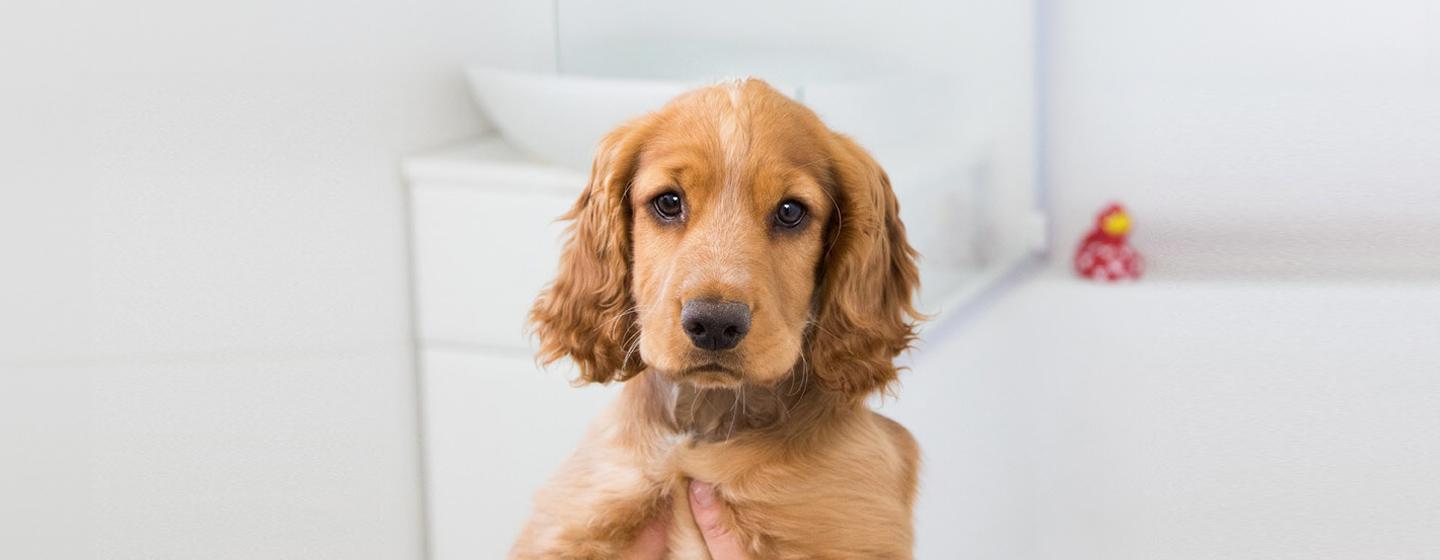
Getting a new puppy is incredibly exciting for all the family, but it can be quite scary for your new pup. Find out how to deal with your puppy’s first day home with Purina. Your puppy’s first day home is an exciting one for all the family! You are starting out your new life together with the canine best friend you have always dreamt of. Everything is ready to welcome the new puppy and help them settle in straight away. But there is something many new owners don’t realise. While everyone in the house may be bursting with excitement and desperate to have a play with the newest member of the family, your puppy’s first day home may look completely different to them. After all, they’re on their own in a strange place with people they don’t know. It can be overwhelming for your pup, and may be stressful or frightening for them. Here’s how to help your puppy make an easy transition to family life. Take things slowly on your puppy’s first day home No matter how excited everyone is about the puppy’s arrival, keep their homecoming low-key. It’s so easy to shower the new dog with affection, particularly for the younger members of the family. While the new pup is getting used to their surroundings, always supervise excited children and give your dog some much-needed time out from all the excitement. Start off by having them in one room and let them explore in their own time discovering the scents, sights and sounds of this new world. Allow your puppy to settle in gradually and in their own time. This is far better than overwhelming them with enthusiastic games, cuddles and play while they are still trying to find their paws.
Why Is My Cat Vomiting?
1 min read
Most cat owners will be used to seeing their cat vomit from time to time without being overly concerned. Usually the occasional vomit is a result of a minor problem such as overeating or playing too vigorously immediately after dinner time. However, if your cat is vomiting more frequently, it can be a sign of a more serious condition which requires immediate veterinary attention. Chronic vomiting (lasting a number of days to weeks) can be due to gastrointestinal or systemic (whole body) disorders. What is cat vomiting? Vomiting is the forceful expulsion of stomach contents through the mouth. It should be differentiated from the more passive regurgitation in which expelled food is more gently brought up from the oesophagus with no stomach contractions. Vomiting cats usually show signs of nausea including drooling, lip-licking and excessive swallowing before they throw up. Potential causes of vomiting in cats If your cat is vomiting, it can be due to a wide range of causes and in chronic cases, it is vital for your veterinary surgeon to find out the exact cause in order to determine the optimal treatment for your cat. Common causes of your cat sick include: • Hairballs. • High speed of eating. • Sudden dietary changes or the introduction of new food without a gradual transition. • Ingestion of something inappropriate such as spoiled food, toxins or foreign bodies. • Intolerance, allergies or sensitivities to certain food ingredients. • Gastrointestinal infections, such as viruses, bacteria, fungi or parasites. • Inflammatory bowel disease (inflammation of the stomach and/or intestinal tract). • Tumours of the stomach, bowel or other organs. • Diseases affecting other parts of the body such as kidneys, liver, pancreas or thyroid gland. Treatment when your cat is being sick Following a single episode of vomiting, check your cat for any other signs of illness such as listlessness, fever or diarrhoea. If possible, locate and remove any item which may have caused your cat to vomit in the first place, and also remove your cat’s food bowl for a few hours.
Why Is My Cat Always Hungry?
1 min read
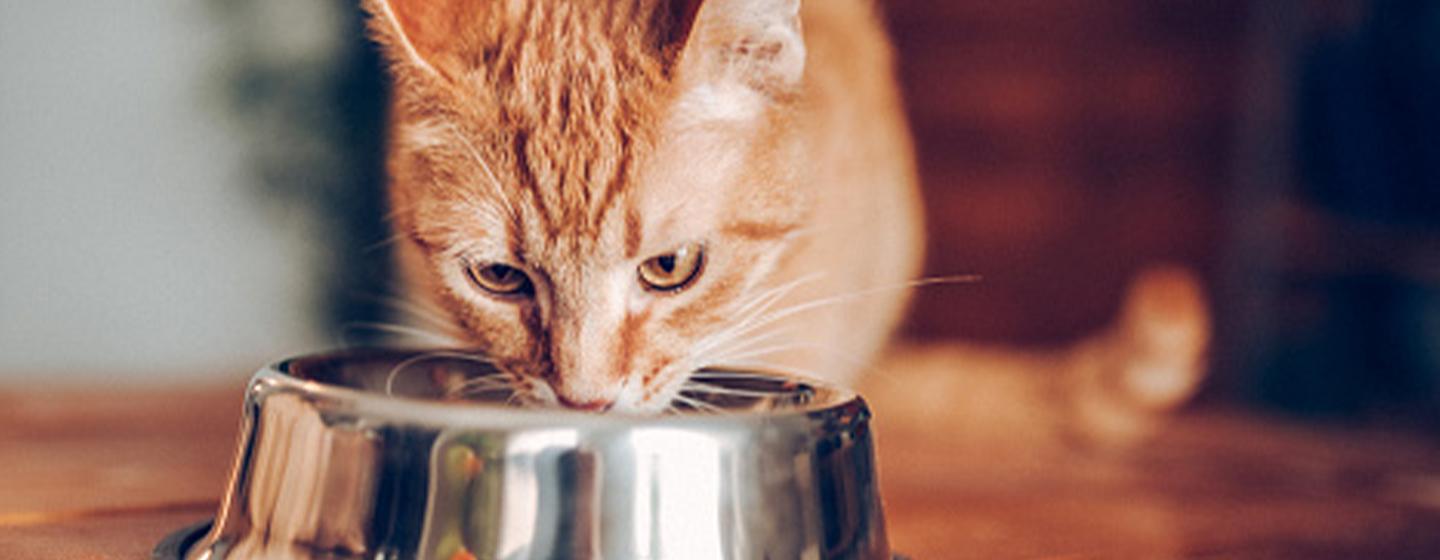
If your cat seems hungrier than usual, here are a few reasons why that may be the case: from simple ones such as plain boredom to more serious conditions needing the vet’s attention. Is your cat acting hungry all the time? We tend to think of cats more as fussy eaters than food obsessed, so when your dear feline doesn’t stop asking for food, it’s natural to wonder whether this is normal or you should head to the vet. If you’re asking yourself ‘why is my cat always hungry’, here are a few possible reasons. Boredom Always-hungry cats might actually not be all that hungry. Their constant interest in ‘what’s for dinner’ could mean ‘I’ve got nothing else to do, but eat’. Keeping your cat physically and mentally active is incredibly important, particularly if they spend most of the time indoors. While it’s difficult to recreate all the exciting stuff going on outside that keeps cats active, there are a few tips guaranteed to entertain bored felines, including cat trees and puzzle feeders. Check out our article on cat mental stimulation if you’re stuck for ideas. Parasites If you’re wondering ‘why is my cat always hungry but skinny’, one possible reason is intestinal parasites. These little creatures are feeding off of your cat’s food intake and sometimes they may not leave enough nutrients to satisfy the cat’s needs. As a response, the pet will ask for food more often or in larger quantities. The vet will be able to discover if intestinal parasites are to blame for your cat’s large appetite and will prescribe de-worming medication.
Why Does My Dog Stare at Me?
1 min read
It may seem random and slightly unnerving, but the dog stare is actually a well-established form of communication in the canine world. Find out why dogs keep staring at us. Has your dog been keeping an eye on you? If you’re wondering “why does my dog stare at me”, you’re not alone. Dogs stare at us quite a lot, prompting many owners to try and decipher what the mysterious gaze could be about. While we might not be able to know what exactly is going through a dog’s mind, there are a few cues that can help us solve the riddle of their intense stare. From the loving gaze to the icy glare, dogs use eye contact as a form of communication. So, if you have unexpectedly met your pet’s intense gaze from across the room and you’re looking for explanations, here are a few possible reasons why dogs keep staring at us. 1. They love us Just as we humans gaze into the eyes of people we adore, dogs have “borrowed” the same sign of affection to communicate with their owners. New research shows that mutual gazing between us and our pets releases the same hormonal response present during mother and infant bonding between humans. If you discover your dog looking at you with longing eyes and no apparent reason, it just might be a sign that they love you. However, don’t be tempted to force your dog into a loving stare by holding their head. Dogs might interpret it as a threat and react accordingly.
Why Does My Cat Stare at Me?
5 mins read
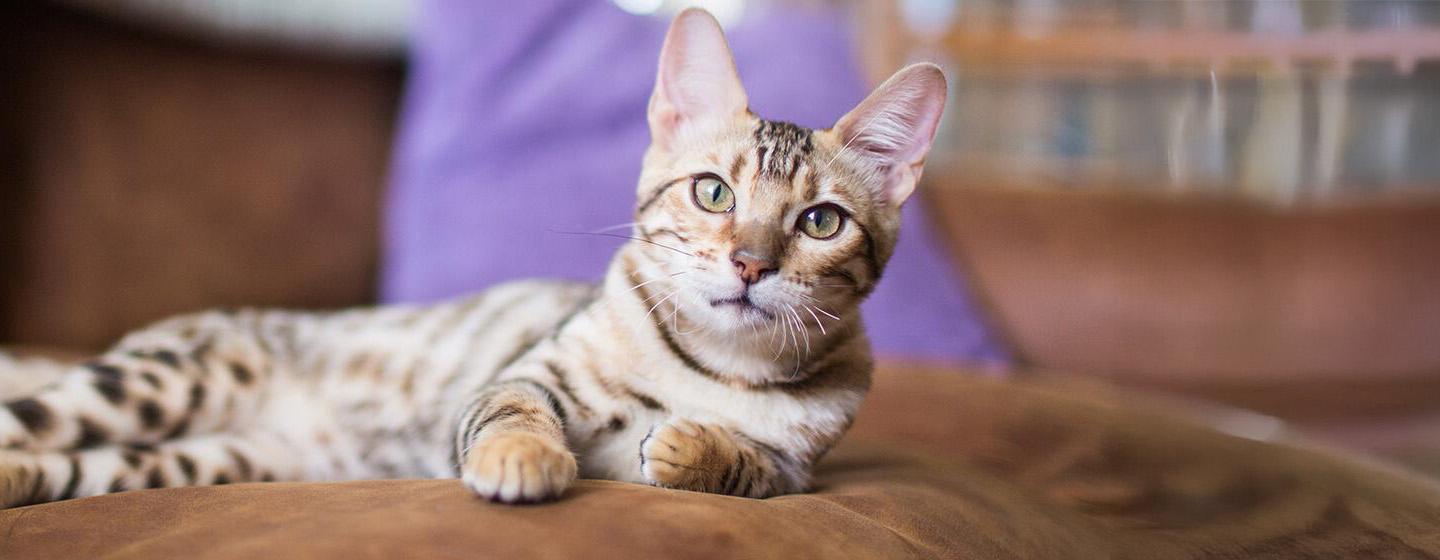
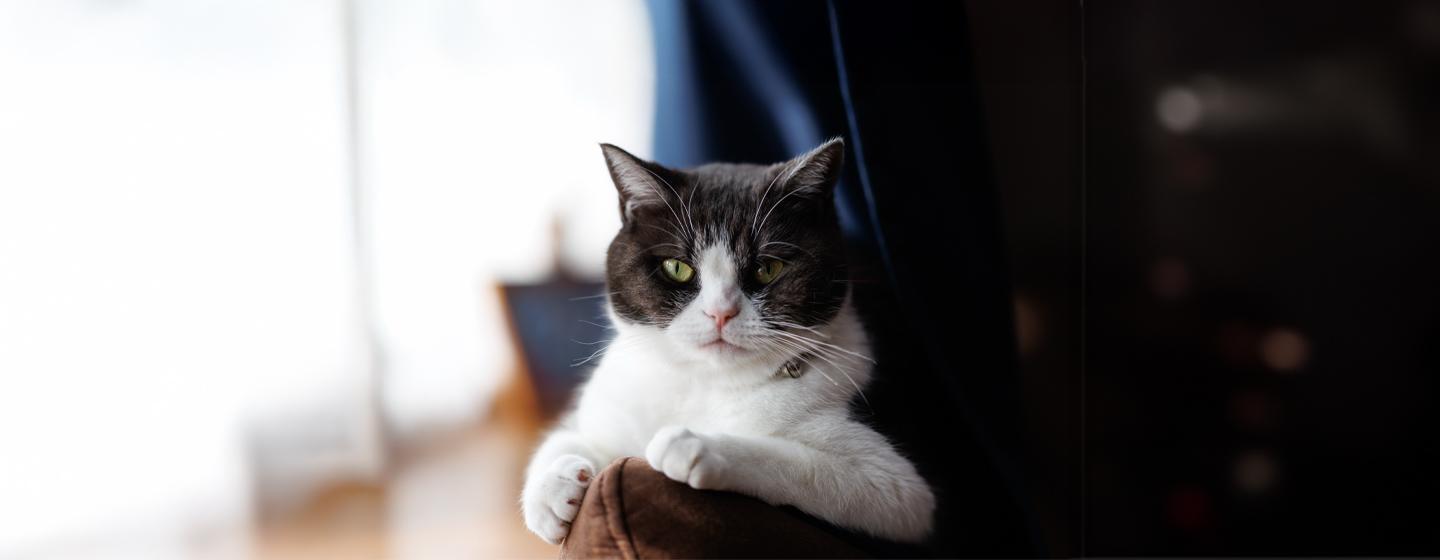
Cats are very curious creatures and if you have one in your home, you’ve probably become accustomed to them staring at you from time to time. If your kitty does this you’ll likely be wondering, “why does my cat stare at me?” Find out why with this article. If you have the honour of sharing your home with a feline, you’re probably no stranger to that “I’m being watched” feeling. Whether you’re making dinner, sitting on the sofa or just waking up in the morning, it’s common that you’ll find your kitty looking at you with their big, round eyes – but what is the reasoning for it? Is it just pure curiosity on their part? Or is it something more? We’ve put together this guide to tell you the possible reasons why your cat stares at you, keep reading to unlock the secrets of your pet’s behaviour. Why does my cat stare at me? There are actually a number of reasons why your cat may sit and stare at you. The top 3 most common ones are: 1. It’s feeding time The first and most obvious reason why your cat is staring at you is that they may be trying to convince you to feed them. If you find it’s around the time they’re usually tucking in and they’re staring at you with demanding eyes, it’s likely that they’re trying to use their best mind tricks to convince you to top up their food bowl. For added effect, they may also pair this stare with squeaks and meows to really get your attention! 2. Cats are curious creatures Cats are incredibly curious by nature and they always want to know what’s going on. It could be just that they’re observing you to see if you’re going to do anything interesting.
Why does my cat lick me?
1 min read
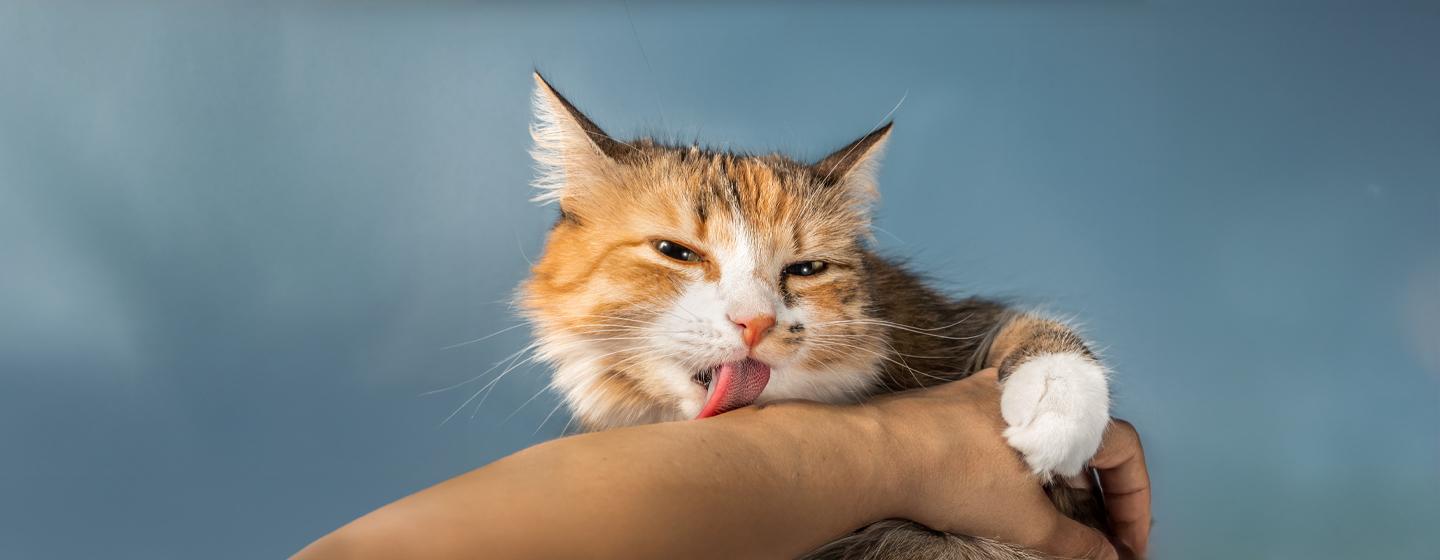
Have you ever asked ‘why does my cat lick me’? It’s a common question many cat owners have. The truth is there are a number of different reasons why your cat licks you – and many of them are to do with affection! Possible reasons why your cat licks you One reason your cat may lick you is because it’s a way of creating a social bond. From a young age, a cat’s mother would not only lick them as a way of grooming them, but also to show affection. Cats then replicate this behaviour with you as a way of showing their affection – it simply comes naturally. This licking behaviour is not just exclusive between pet and owner. Cats often lick other cats and even other animals to show their affection. Do keep an eye out, however, when your cat begins to lick other cats or other animals, as not all cats or animals like to be licked. In some cases some other cats or animals may retaliate or become anxious when a cat tries to lick them. Another reason your cat may lick you is because they are stressed or anxious. It is very common for cats and other animals to begin to lick things excessively if they are stressed. This can include licking you; if you think this may be the case it might be best to pay a visit to your local vet. If you think something has caused your cat to be stressed, try to identify the source of their worry in case you can remove it. Cats like to mark their territory so other cats and animals know what is theirs. If a cat sees you as theirs, they may begin to lick you to mark you as part of their territory. This is to let other cats know who you belong to. Whilst this type of behaviour is completely normal it could lead to problems in the house if you have more than one cat or pet, so watch out for territorial behaviour. Why it sometimes hurts when a cat licks you It can sometimes hurt when a cat licks you, especially if your cat does this excessively and in the same place. This is because of special back-facing barbs on your cat’s tongue called ‘papillae’. These barbs are made from the same material as your cat’s claws, which explains why their tongue feels like sandpaper. These barbs are important when your cat grooms themselves. The barbs help to remove dirt and debris from a cat’s coat. If the barbs weren’t sharp they would not be able to pick up this dirt and a cat would not be able to keep himself or herself as clean.
Why Do Dogs Wear Cones?
1 min read
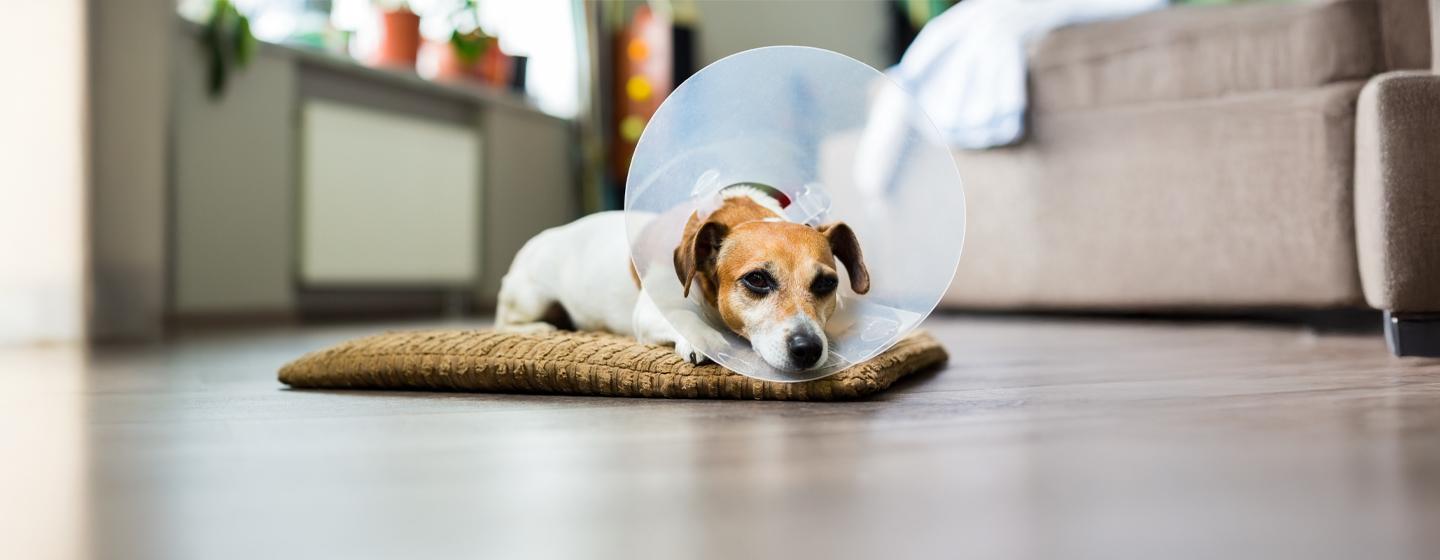
Most dogs have to wear one of those big, plastic cones at some point in their lives, but why do they actually need to wear them? Read our guide to find out why they're important for your dog and discover the best alternatives currently available. It’s likely that your dog will have to wear a cone at some point in their life, whether it’s after they’ve been neutered or spayed or due to an injury. No dog enjoys wearing the hard plastic collar that resembles a lampshade and you may have even heard it referred to as ‘the cone of shame’. The proper name for a dog cone is the Elizabethan collar, named due to its similarity to the high collars worn in Elizabethan times. But why do dogs wear cones? Keep reading to find out why it’s imperative that they wear one and the dog cone alternatives available on the market. Why do dogs wear cones? Dog cones are designed to stop your dog from licking or scratching a wound, surgical incision or any other irritation.
Why do dogs wag their tails?
1 min read
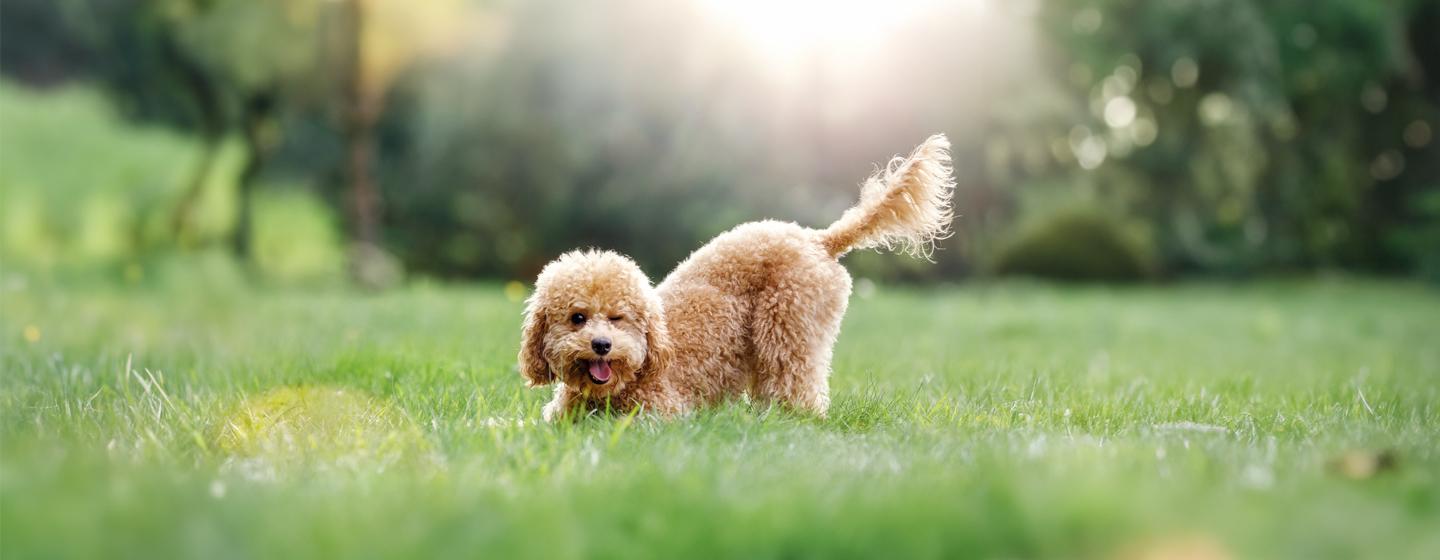
Most people think that dogs only wag their tails when they're happy, but is that the truth? Read our article to find out everything you need to know about your dog's most invaluable communication tool and what all the different dog tail signs mean. Your dog’s tail is an invaluable communication tool. Whether it’s long, short, curly or straight, dog tails serve to provide an indicator of how they’re feeling. It’s a common belief that a wagging tail means a happy dog, but this isn’t always the case. Dogs use their entire body to communicate so it often requires you to take a look at the rest of their body language and the situation they’re in to understand how they’re really feeling. We’ve created this handy guide to tell you why dogs wag their tails and what all the different wags can mean. Why do dogs wag their tails? Tail wagging is an instinctive behaviour that develops between 3 and 4 weeks of age depending on your dog’s breed, and is one of the primary communication methods to both other dogs and people. While it’s commonly thought that dogs wag their tail to show they are happy, it can be for other reasons as well such as nervousness and excitement. Dog tail signs and positions - what do they mean? To decipher what it means when your dog wags their tail, you’ll have to take a step back and look at the position of their tail as well as the speed of the wag itself. Keep reading to discover more about why do dogs wag their tails and the various dog tail signs. Natural position, no wag This position indicates relaxation in your dog. The natural tail positions for most dogs will be hanging down near their heels, but this will depend on your dog’s breed. Those with curly tails such as Samoyeds will have them curled over their back in the natural position. Erect, wagging tail You may think that an erect, wagging tail tells you that your dog is happy, but this is actually a behaviour usually displayed in excited dogs, meaning that their behaviour may be unpredictable. It could be that they’ve seen a squirrel or a new visitor has arrived at the house – anything that gets them excited can be the reason behind why do dogs wag their tails. Backwards and gentle wagging This dog tail sign says that they’re curious and maybe a little unsure of a situation. You may see this if they’re looking at a strange object or creature that they’ve never seen before. Tail between legs If your dog has their tail between their legs or tucked, this indicates that they may need a little space as they could be feeling nervous or scared. If they’re displaying small, throbbing wags or twitches at the same time it may suggest that they’re contemplating a fight or flight response.
Why Do Dogs Sneeze?
1 min read
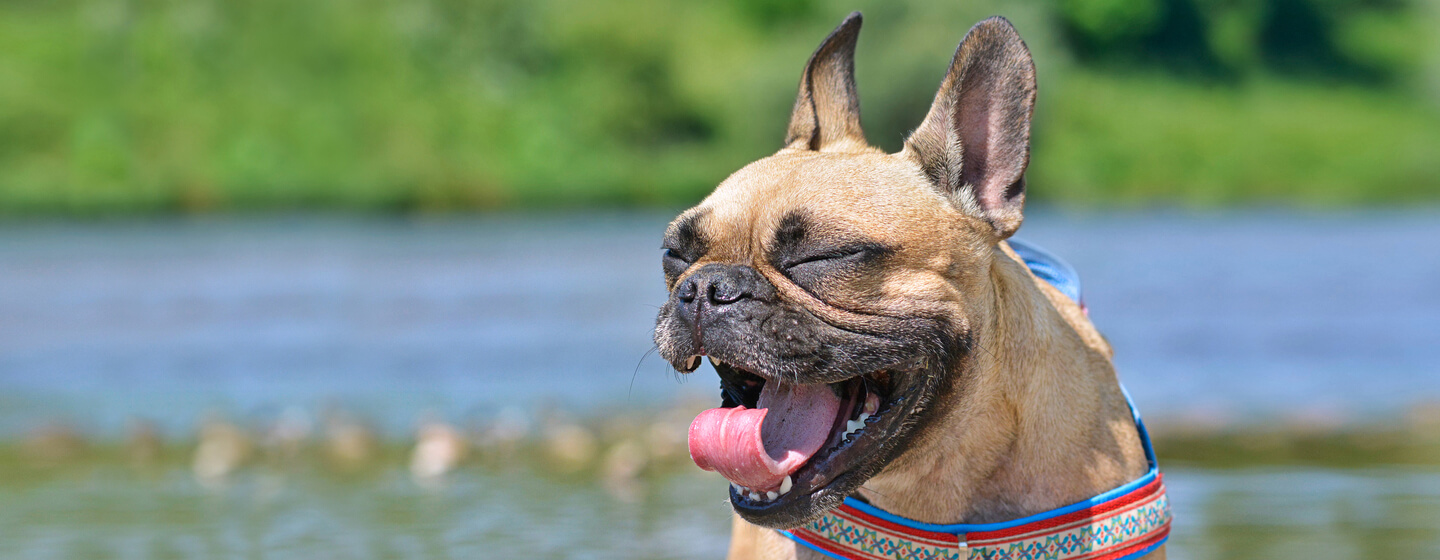
Dogs sneezing can be a common occurrence, but sometimes you may notice your dog sneezing during unusual times or more than usual. In this article, we investigate the causes of sneezing in dogs and what it could mean for your dog. A dog sneezing is common, normal and really cute to watch! But why do dogs sneeze and what does it mean? When it comes to sneezing in dogs, it doesn’t mean that your dog has a cold, like sneezing usually means in humans. In fact, dogs sneeze for a large number of reasons. It can be due to something minor like a reaction to dust, or more serious. Or it might be a “play sneeze” – more on that later. It all depends on how often your dog is sneezing and what colour the discharge is. In most instances, your dog is sneezing in response to an irritant in the upper airway of the dog’s nose. The dog then sneezes to expel the irritant, much like humans do! There can be many other reasons why your dog is sneezing though, so we’ve made this guide so you can find out why do dogs sneeze? Why do dogs sneeze? There are loads of reasons why your dog is sneezing. It could be an irritant in their nose like dust, household products, perfume or even pollen. Sneezing in dogs can also be due to something stuck in their nose, such as dirt from digging! If your dog is sneezing a lot, it may be a reaction to something in the atmosphere. Be careful when spraying items around your pet as it may irritate their nose. Hunting dogs and those that snuffle in the undergrowth can also get lots of unusual things stuck up their nose like fragments of twigs and leaves. If your dog likes to wander nose-first through the undergrowth, be sure to be on the lookout for this. Usually sneezing helps the dog to expel the item on its own, but if their nose is bleeding or they keep pawing at their nose and sneezing, consult your vet as they may need to remove the object.

Pagination

  • First page
  • Previous page
  • Page 1
  • Page 2
  • Page 3
  • Page 4
  • Page 5
  • Page 6
  • Page 7
  • Page 8
  • Page 9
  • …
  • Next page
  • Last page
Purina Pet Club logo

Join Purina Pet Club for expert tips, helpful advice, exclusive offers and rewards.

Join the Club
Nourishing pets Purina pets grid card
Purina Pet Club logo

Join Purina Pet Club for expert tips, helpful advice, exclusive offers and rewards.

Join the Club
Nourishing pets Purina pets grid card

Footer

  • Cat
    • Care & Advice
    • Find a Pet
    • Food
    • Our Brands
  • Dog
    • Care & Advice
    • Find a Pet
    • Food
    • Our Brands
  • About Us
    • Our Mission
    • Our History
    • Our Purina Promise
    • Purina In The Community
  • Other
    • Join Purina Pet Club
    • Breed Selector
    • Contact Us

Footer

  • Cat
    • Care & Advice
    • Find a Pet
    • Food
    • Our Brands
  • Dog
    • Care & Advice
    • Find a Pet
    • Food
    • Our Brands
  • About Us
    • Our Mission
    • Our History
    • Our Purina Promise
    • Purina In The Community
  • Other
    • Join Purina Pet Club
    • Breed Selector
    • Contact Us

Footer

  • Cat
    • Care & Advice
    • Find a Pet
    • Food
    • Our Brands
  • Dog
    • Care & Advice
    • Find a Pet
    • Food
    • Our Brands
  • About Us
    • Our Mission
    • Our History
    • Our Purina Promise
    • Purina In The Community
  • Other
    • Join Purina Pet Club
    • Breed Selector
    • Contact Us

Footer

  • Cat
    • Care & Advice
    • Find a Pet
    • Food
    • Our Brands
  • Dog
    • Care & Advice
    • Find a Pet
    • Food
    • Our Brands
  • About Us
    • Our Mission
    • Our History
    • Our Purina Promise
    • Purina In The Community
  • Other
    • Join Purina Pet Club
    • Breed Selector
    • Contact Us
© 2026 Purina. All Rights Reserved.

©Reg. Trademark of Nestlé S.A.

Terms & Conditions
Privacy Policy
Cookies
© 2026 Purina. All Rights Reserved.

©Reg. Trademark of Nestlé S.A.

Terms & Conditions
Privacy Policy
Cookies
© 2026 Purina. All Rights Reserved.