Sorry, you need to enable JavaScript to visit this website.
Skip to main content
Tips for staying in a dog-friendly hotel
1 min read
When we go on holiday, it’s only natural that we want to bring our four-legged friends along with us to enjoy every moment, but finding suitable accommodation can sometimes prove a little difficult and of course it’s likely there will be rules present too. Read our guide and discover our top tips for staying in a dog-friendly hotel. We want to spend every possible moment with our four-legged friends. So, it’s only natural that when we go on a trip, we want to bring them along for the ride and experience everything right alongside us. In recent years, taking your dog on holiday has become more popular, and an array of dog-friendly locations have appeared to make it easy, including everything from restaurants and pubs to dog-friendly hotels. If you’re looking to take your first trip with your beloved pooch, you may be wondering what a dog-friendly hotel is and what rules do they have? We’ve put together this handy guide so you can get to grips with the usual pet-friendly hotel rules, so both you and your dog can have a stress-free trip. What is a dog-friendly hotel? Quite simply, a dog-friendly hotel is one where your dog can stay in the room with you. But it’s worth knowing that not every hotel that allows pets have the same policies. Some may have size limits, breed restrictions or may even have a restriction on the number of dogs allowed in one room. Additionally, it’s quite common for hotels to charge an extra fee for dogs – this could be a non-refundable deposit, a flat rate or a nominal daily fee. It’s usually a good idea to phone the hotel before your trip and get all the information on their pet-friendly hotel rules and possible fees to make sure you’re not caught out. Tips for staying in a dog-friendly hotel: 1. Be sure to plan ahead Before you book your hotel make sure that it’s actually suitable for your dog. You want to know that there are plenty of green areas nearby for daily walks and for going to the toilet. If you’re going to be travelling to and walking your dog in a big city, the bustle can be stressful for them so it’s important that you can take measures to keep them comfortable. It’s also a good idea to double check that your dog has ID tags with your up-to-date information and ensure that they’re microchipped, just in case you get separated.
Tips for Going to the Beach with Your Dog
1 min read
If you're a dog owner, when the sun comes out it's only natural that you'll want to head down to the beach with your furry friend. But what should you know before going? Read these tips to have a great day out. Taking a dog to the beach can be so much fun! Whether your pet enjoys a splash in the sea or a run through the sand, there’s so much for canines to gain from getting out in the fresh air during the summer. Oh, we do like to be beside the seaside! But there are a few things that pet owners should consider before packing up the car with buckets and spades and heading out to the coast. Whether it’s considering your dog’s safety out on the beach, or choosing the right location for your sea-soaked games of fetch, make sure that you’re fully prepared for a day of fun with these useful tips for going to the beach with your dog. Find dog-friendly beaches Before you take your dog to the coast, it’s important to check that dogs are allowed on the beach. Some beaches maintain a dog-free policy so make sure that you do your research before turning up at your destination. Luckily, there are plenty of dog-friendly beaches around the country to choose from! These locations are always well advertised, and will specify exactly where your pet is welcome to swim, sunbathe, and run about. Some beaches have dog-free zones but allow pets to roam free in other sections. Pay close attention to signs in order to make sure that you aren’t trespassing into the wrong zone. Dog owners can face significant fines if found to be in the wrong zone accompanied by their pet. Don’t sour a sunny day at the seaside; do your research first and always pay attention to signage!
The Ultimate Cat Travel Checklist
1 min read
Sometimes holidays just aren’t right unless the whole family is there, and for some people that includes their pets. Holidays with your cat can be an extremely fun way to bond with your pet, but it's important to make sure you're prepared with a cat travel checklist! You can usually take your cat on holiday, whether you’re staying at home or going abroad. After all, family holidays wouldn’t be the same without your pet! However, there are a few things that you’ll need to organise in advance, especially if you’re leaving the country. It’s perfectly possible to go on holiday with your cat as long as you are ready in advance. Taking cats on holiday might mean a little extra organisation; as long as everything is sorted in good time, and you know your cat can cope with the journey, you should be fine. It’s true that cats like their own territory, which is why many owners decide it's best to leave them with a trusted carer – you’ll know what’s best for your own pet. On the other hand, modern pet carriers, pet passports and vaccinations have made it far easier for people to go away with their cats. If you are planning to go on holiday with your cat, check out our tips for preparation – and get packing! How to take cats on holiday Your airline carrier will need to be alerted that you are bringing a cat with you long in advance; they can tell you what else you need to do in order to get your cat through the airport. Whether you’re staying in the country or going abroad, you should familiarise yourself with travelling with your cat by plane or car. Vet check-ups before taking your cat on holiday In most cases your cat won’t require special medication before going on holiday; but if you’re unsure, ask your vet for peace of mind. In any case, it’s a good idea to consult with your vet about your cat’s suitability for a long journey, as every pet is different and there may be things that you haven’t considered. When you’re talking to your vet, consider your cat’s general health and any history of anxiety during confinement. If your cat has been unhappy about travelling in the past, you might want to consider whether taking them along on holiday is the best thing you can do. After all, your cat can’t communicate their feelings like you do, so you have to work hard to find out how they feel! You might also want to think about some of the practical aspects of taking your cat on holiday with you. If your cat takes medication, make sure you have a big enough supply to last the whole trip. If your vet suggests a sedative for their journey to keep them nice and calm, be aware the effects could last longer than the journey; if this is the case, your cat will need somewhere warm and secure to rest until they’ve recovered! If your vet prescribes your cat medication for the trip, it may be helpful to ask about trialling it in advance, particularly if you are planning to travel long distances. If you know how the medication affects your cat in advance, there is less room for last-minute mishaps, which all travellers can do without! Planning holidays with cats
The Importance of Regular Vet Check-Ups for Your Dog
1 min read
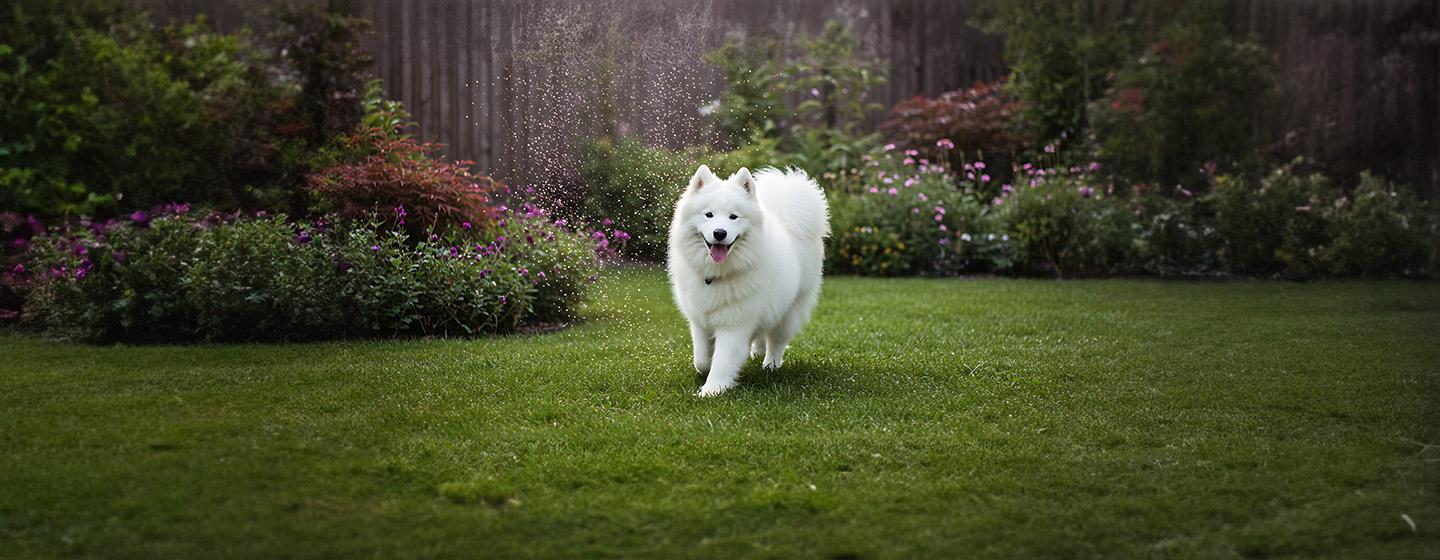
Even if you keep a close eye on your dog's health it’s important you book an annual appointment with your vet for a thorough check-up. This will give your vet the chance to spot any potential dog health problems and, hopefully, nip them in the bud before they become serious. Regular health assessments will also help you keep your dog's vaccinations up-to-date, provide an opportunity for you to accurately weigh your dog and help put your mind at ease about any issues. General dog health assessment You already take your four-legged friend to the vet when they’re sick or injured but those appointments tend to focus mainly on one particular issue. ‘Check-up’ visits, on the other hand, are more holistic, giving your vet the opportunity to detect subtle changes in your pet's overall physical health. Ideally, your vet should see your dog at least once a year, and more frequently as they get older or if they have special medical needs. These regular visits play a huge part in the 'prevention is better than cure' approach; so don't hold off making the appointment just because your dog seems fit and healthy to you. Your vet will check your dog over, including listening to their heart and lungs, running their hands over their abdomen to check for any unusual signs, checking for skin/coat, eye and ear problems and scanning their microchip to see if it’s all in working order. Making vet visits less stressful Another advantage of these annual check-ups is to get your dog used to visiting the vet surgery when they’re well. If they only visit when they’re hurt or ill they can become nervous about seeing the vet, associating their trips with bad times or stressful experiences. It’s a good idea to pop into the vet practice every so often, even if you don’t have an appointment. The receptionists and vet nurses will always appreciate a cuddle and it will create a positive memory for your furry friend.
The Importance of Regular Vet Check-ups for Cats
1 min read
Even if you keep a close eye on your cat's health it’s a good idea to take them to the vet for an annual wellness and cat health check-up. Looking after cats is fun but it's also full of responsibilities, including taking your pet to the vet. Sometimes it takes a professional eye to detect subtle changes in your pet’s health, especially as cats are very good at hiding their illnesses. Luckily, your vet will be very good at detective work. General cat health You already take your fluffy friend to the vet when they’re sick or injured but those appointments tend to focus mainly on one particular issue. ‘Check-up’ visits, on the other hand, work on the principle of ‘prevention is better than cure’ and they’re important to keep your cat healthy and prevent certain diseases. Your vet will want to check your cat over thoroughly at least once a year and more frequently as they get older or if they have special medical needs. This appointment will take an all-inclusive approach, making sure your cat is examined from their whiskers to the tip of their tail. Another advantage of these annual check-ups is to get your cat used to visiting the vet surgery when they’re well and this can help them form a bond with your vet. If they only visit when they’re hurt or ill they can become nervous, associating their trips with bad times or stressful experiences. It’s a good idea to pop into the vet practice every so often, even if it’s just for a flea check. The receptionists and vet nurses will always welcome a stroke as you pass by, and it will create a positive memory with no prodding and poking involved!
The History of Cats
1 min read
If you have a cat in your life, you may be wondering about their origins and where your domesticated kitty came from. Find out all you need to know about the history of cats in this article. Our cats have been members of our family for as long as we can remember. They’re amazing snuggle companions and their funny mannerisms constantly amuse us, but how much do we actually know about the history of cats? For many of us, the origins of our felines are a complete mystery and very little is known about the reasoning behind certain behaviours. To help you better understand the miniature tiger on your lap, we’ve put together this article that tells you everything from the origin of cats to why they possess certain instincts.
The Cat Health Checklist
1 min read
As a loving pet owner, you’re bound to want the absolute best for your cat, and this all starts with making sure that they are as happy and healthy as possible. Health checklist Every month you should “play vet” and conduct a careful check-up on your cat to make sure that all is well. By following our checklist, you have the opportunity to spot any unusual signs early on, meaning that you can seek treatment as soon as possible, if necessary. Not only does this help you keep your cat in tip-top condition, but also allows you to spend more hands-on quality time with your feline friend.
The Benefits of a Puppy Playpen
1 min read
New puppies are full of mischievous energy, and their endless curiosity means they get their little noses into everything. That’s how they learn but it’s also how they get into trouble! An expandable dog pen can be a great help. You get peace of mind knowing exactly where your furry friend is, and what they’re playing with, and they have lots of room to play safely. A dog playpen will also help your puppy feel more secure in their new surroundings and give them an area they can proudly call their own! Follow our helpful tips for everything that you’ll need to give your playful puppy their perfect dog pen. The basics of playpens You should be able to find a puppy playpen at most good pet shops or you can buy them online. Look for an expandable pen with high enough sides to stop your adventurous pup from escaping! Most come in small, medium or large, so choose the right one for your puppy’s breed or type.
10 ways to encourage cat exercise
1 min read
Find out how to encourage your cat to be active, even if they live indoors. Getting your beautiful cat to exercise can sometimes be a challenge. As any cat lover knows, cats have strong and independent personalities; they need alone time and are unlikely to do anything they don’t want to do. This can be especially worrying for a house cat, who has no outdoor exercise to help keep her healthy, or a kitten who has to be kept in the house for the first six months of their life. So how do you make your cat exercise? Enticement is the way forward: cats need to be engaged with their task or they can rapidly lose interest. Luckily, they all have a few personality traits that you can tickle to ensure they are having the time of their lives and are being active in the process. 1. Laser pointers Different cats have different preferences for the toys they like. Some are in love with the fishing pole, where you dangle a string above their heads and they bat at it. Others adore paper bags and boxes. But if your cat seems disinclined to play, then it is best to appeal to her feral nature-pouncing. Cats love to chase, especially items that move quickly. The laser point is an absolute favourite: point a laser at the wall and watch your cat try and catch that elusive red dot. 2. Battery-operated toys These are another great way to make your cat exercise, and are ideal solutions for busy owners. Just turn on a battery-operated toy, available from most pet shops or online, and your cat will be entertained for hours! 3. Outdoors While it may seem unusual, house cats can be encouraged to go outdoors and be walked. It is, of course, necessary to see if your cat is happy with this-don't do anything that might stress or upset her. If you plan on this form of cat exercise, try and introduce it when they are kittens (after the first six months!) when they seem more inclined to try new things. Older cats may be set in their ways and may take more convincing. Remember to use a leash when walking them, and make sure it fits comfortably.
Health
Strange Behaviour in Older Cats
1 min read
As your cat enters their senior years, you’re likely to notice some changes in their health, appearance, and behaviour. Ageing is, of course, a completely normal process. Just like us, senior cats may have less energy, be interested in different things, and experience age-related conditions such as arthritis. These changes are to be expected, and with some adjustments to their care (as well as regular check-ups with the vet) they should enjoy their senior years to the full. However, some senior cats may also undergo changes in their behaviour. Perhaps they don’t like playing anymore, they avoid being touched, or they even behave aggressively. Others may seem unusually confused, particularly if there are unexpected environmental changes. But how much of this is a normal part of ageing, and when is it time to see a vet? Read on to find out more about caring for old cats and how to spot any behaviour changes. Forgetting litterbox training If your usually fastidious cat begins to urinate in places other than their litterbox, it may be down to age-related changes. Elderly cats may seem to forget their years of training; this is called ‘cognitive dysfunction’, although many people think of this as a form of ‘cat dementia’. When this happens, your cat may be confused about where the litterbox is, or forget where they are supposed to urinate or defecate. There is very little you can do about this, apart from making it as easy as possible for your cat to find their litterbox. For example, if they always urinate in the same place, try moving the litterbox there. If they still don’t go to their litterbox, patience and understanding are key. However, urinating or defecating in inappropriate places can also be a sign of several other conditions, such as feline urinary tract infections, constipation, or even eyesight loss. For this reason, you should always take your cat to the vet for a check-up before assuming their new behaviour is down to age-related confusion.

Pagination

  • First page
  • Previous page
  • …
  • Page 4
  • Page 5
  • Page 6
  • Page 7
  • Page 8
  • Page 9
  • Page 10
  • Page 11
  • Page 12
  • …
  • Next page
  • Last page
Purina Pet Club logo

Join Purina Pet Club for expert tips, helpful advice, exclusive offers and rewards.

Join the Club
Nourishing pets Purina pets grid card
Purina Pet Club logo

Join Purina Pet Club for expert tips, helpful advice, exclusive offers and rewards.

Join the Club
Nourishing pets Purina pets grid card

Footer

  • Cat
    • Care & Advice
    • Find a Pet
    • Food
    • Our Brands
  • Dog
    • Care & Advice
    • Find a Pet
    • Food
    • Our Brands
  • About Us
    • Our Mission
    • Our History
    • Our Purina Promise
    • Purina In The Community
  • Other
    • Join Purina Pet Club
    • Breed Selector
    • Contact Us

Footer

  • Cat
    • Care & Advice
    • Find a Pet
    • Food
    • Our Brands
  • Dog
    • Care & Advice
    • Find a Pet
    • Food
    • Our Brands
  • About Us
    • Our Mission
    • Our History
    • Our Purina Promise
    • Purina In The Community
  • Other
    • Join Purina Pet Club
    • Breed Selector
    • Contact Us

Footer

  • Cat
    • Care & Advice
    • Find a Pet
    • Food
    • Our Brands
  • Dog
    • Care & Advice
    • Find a Pet
    • Food
    • Our Brands
  • About Us
    • Our Mission
    • Our History
    • Our Purina Promise
    • Purina In The Community
  • Other
    • Join Purina Pet Club
    • Breed Selector
    • Contact Us

Footer

  • Cat
    • Care & Advice
    • Find a Pet
    • Food
    • Our Brands
  • Dog
    • Care & Advice
    • Find a Pet
    • Food
    • Our Brands
  • About Us
    • Our Mission
    • Our History
    • Our Purina Promise
    • Purina In The Community
  • Other
    • Join Purina Pet Club
    • Breed Selector
    • Contact Us
© 2026 Purina. All Rights Reserved.

©Reg. Trademark of Nestlé S.A.

Terms & Conditions
Privacy Policy
Cookies
© 2026 Purina. All Rights Reserved.

©Reg. Trademark of Nestlé S.A.

Terms & Conditions
Privacy Policy
Cookies
© 2026 Purina. All Rights Reserved.