Sorry, you need to enable JavaScript to visit this website.
Skip to main content
How to Start Scent Training for Puppies
1 min read
Your dog's sense of smell is one of their most powerful senses, so it only makes sense to start nose training when they're puppies! Learn more about how to scent train your dog with our helpful guide and advice. For owners who really want to take their relationship with their dog to the next level, one of the best ways to do this is to focus on the most underappreciated of our dog’s senses… their incredible nose. That means it’s time for some puppy scent training! It’s probably because we don’t see the world in smell the same way that our dogs do, that we don’t understand how important the sense of smell is to our dogs. For that reason, we miss an entire way to interact with and stimulate them. It’s thought that the part of the dog’s brain that analyses smell is 40 times larger than ours. And if you compare our measly 5 million scent receptors to a Bloodhound’s 300 million, you can see that our noses are pretty pathetic in comparison! Scent is incredibly important to dogs – as much, if not more so, as sight and sound – and it tells them far more about their environment than we can ever begin to imagine. If we can incorporate this into some of our games and puppy training, we can discover a whole new way to interact with our pups. Scent training for dogs can be an incredibly enriching experience for both you and your puppy! You’ll probably find yourself wondering how to scent train a dog. Read on to find out some of our favourite puppy scent training games! Dog hide and seek This is a combination of scent work and basic problem-solving (and for some dogs, just trial and error!) but it is a fun starting point for nose work! Get someone to hold your dog, or ask them to wait, and then go and hide somewhere in the house. Don’t go too far at the beginning until your dog gets the hang of this fun new puppy scent training game. You can leave a trail of kibble or treats to start with to make it easier. When you are ready, your friend can let go of your puppy, and they can use their nose to follow the trail and discover where you are hiding.
Behaviour & Training
How to Spot and Treat Cat Anxiety
1 min read
Cats with separation anxiety can be a huge problem for pet owners. Read our guide to find out more about cat anxiety and how best to help your pet. Animals can be afraid of many things: loud noises, fireworks, and even a bath! But when it comes to cats, we don’t often hear about anxiety problems. Yet cat anxiety can be a big issue for many owners, even if they don’t know it’s actually happening. Just like in humans, anxiety in cats can manifest in many different ways, and it isn’t always as easy to identify as a straightforward illness – there’s no blood test for cat anxiety! Read on to find out more about what makes cats anxious and some cat calming methods. Can cats have anxiety? Cats can absolutely suffer from anxiety, just like all animals. Although cats can’t express themselves with words, they will show that they are suffering from anxiety through various signs and symptoms, and often through the development of destructive behaviours. Many of the signs of cat anxiety could be interpreted simply as bad behaviour, so it’s important to try and notice exactly when your pet starts to show signs of a problem. The development of anxiety in cats is often triggered by very specific events, objects, or changes in routine or environment. Being able to identify exactly when the problems started will really help when figuring out the best cat calming technique for your pet.
Behaviour & Training
How to Massage Your Cat
1 min read
Pamper your feline friend with a lavish cat massage that will make them feel like theyare living in the lap of luxury. There are a few things to keep in mind before you can become the resident specialist in premium cat massaging techniques. This article will give you the information you need to massage your way into your cat’s good graces. Why is massage important for your cat? We know – a massage is so good you don’t need reasons to have it. But there are also real benefits to offering your cat a massage. It’s not just a session of pampering – it has important consequences for the health and vitality of your feline friend. A cat massage improves circulation, promotes low blood pressure, supports joint mobility and it combats cat anxiety and stress like nothing else. So flex your fingers and get ready for all those lovely purrs of joy. If you are not sure where to start, we put together a short guide for all your cat massage questions. How to massage a cat in 3 steps The first thing you need to do before you start your cat massage is to wait to be approached. When you notice your cat starts rubbing against you, it means she’s relaxed enough to enjoy 5-10 minutes of quiet massage heaven. Start by talking to your cat. Change your voice, sing their favourite cat song or make any sounds you know puts your cat at ease. The key is to keep a calm and soothing voice. Then you can use our three-step CAT technique – Circle, Activate, Tap. 1. Circle: move around in circles Start your cat massage by lightly stroking your cat from the neck to the base of their tail by using an open and relaxed hand. This technique is also known as effleurage and it helps your cat get in a relaxed mood, warm-up the muscles and stimulate blood circulation. Once you feel the back muscles have eased up, move onto your cat’s shoulders. Using your thumbs, rotate your fingertips clockwise or counter-clockwise to make slow circles around her shoulder blades.
Health
How to Look After Your Cat's Teeth
1 min read
Did you know that eight out of ten cats over the age of three have tooth and gum problems? Just like our own teeth, your cat’s teeth accumulate plaque and if this isn’t kept under control, it can lead to tartar and even periodontal disease. You know how important it is to look after your teeth, so make sure you give that same care and attention to your furry friend’s cat dental care. Dental disease in cats Warning signs of dental problems Cats accumulate plaque on their teeth just like we do. If left, this hardens to form tartar, which irritates the gums causing gingivitis and can ultimately lead to tooth loss. If your cat has severe dental disease and it’s not dealt with, the build-up of the bacteria in the mouth can lead to further complications such as heart and kidney issues. So what signs do you need to look out for and how can you help to keep your feline friend’s teeth in tip-top condition? The first unusual thing you’ll probably notice is your cat’s bad breath – it can be hard to ignore! This is a sign of advanced dental disease. Other symptoms include reddened gums, yellowish-brown tartar on teeth and drooling. Have you noticed your cat dropping food from their mouth, chewing only on one side or losing weight because they’re unable to eat?
Health
How To Groom Your Cat Properly
1 min read
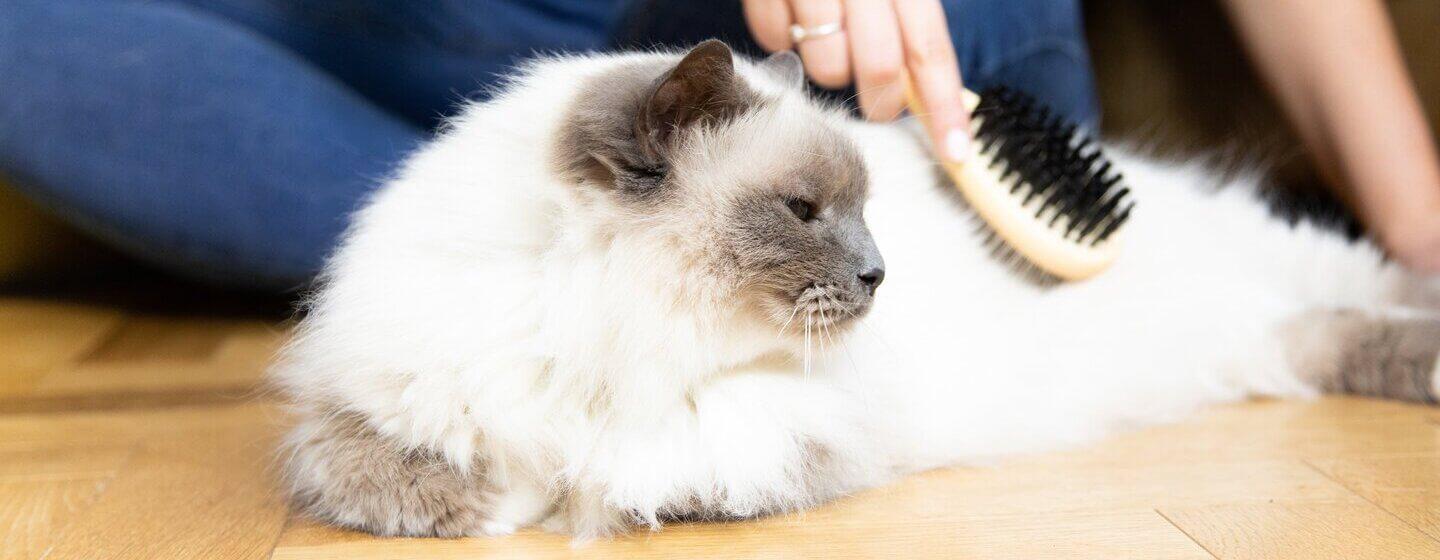
Most cats take real pride in their appearance, spending almost half their waking hours preening themselves to perfection. Being independent creatures, cats are keen to look after themselves, but that doesn’t mean you shouldn’t lend a hand in their pampering routine. Grooming your cat plays a big part in caring for your pet and regular maintenance will mean your cat looks great and feels great too! As well as helping to keep your cat looking beautiful, regular cat grooming allows you to spend quality time bonding with your pet, and gives you the opportunity to check their body condition and spot any unusual signs of health problems, such as lumps or bumps.
How to Groom a Kitten
1 min read
Although your cat is beautiful, they are so much more than a pretty face. Not only do they have a stunning coat, but they’re biologically designed to look after them. Their rough tongues act like mini brushes, removing dead hair and distributing oils through their coat. They’re also smart enough to know that when these biological grooming aids are not enough – for example, if they get fur-balls or tangles – you can be counted on to help. Kitten grooming Kitten grooming isn't just about making your feline look fancy - it removes dead hair, keeps their coat and skin healthy, helps you build an intimate bond, and gives you the opportunity to check their overall health. Grooming is an important part of looking after kittens, but thanks to their softer, fluffier and shorter coats, it should take next to no time to do, compared to adults. If you can get your kitten used to regular grooming from a young age, it will make life much easier for both of you in the future. The good news is that most cats love the gentle attention of being groomed, and as soon as they see a brush or comb in your hand, they’ll usually come running for the fuss. Brushing your kitten Long vs. short coats How thoroughly and how often you’ll end up brushing your kitten usually depends on their type of coat. A short-coated cat will usually only need a quick 'once-over' weekly while a long-coated breed will need daily attention with the right type of equipment - ask your breeder or a groomer for advice on specific coat types.
How to Exercise Your Puppy
1 min read
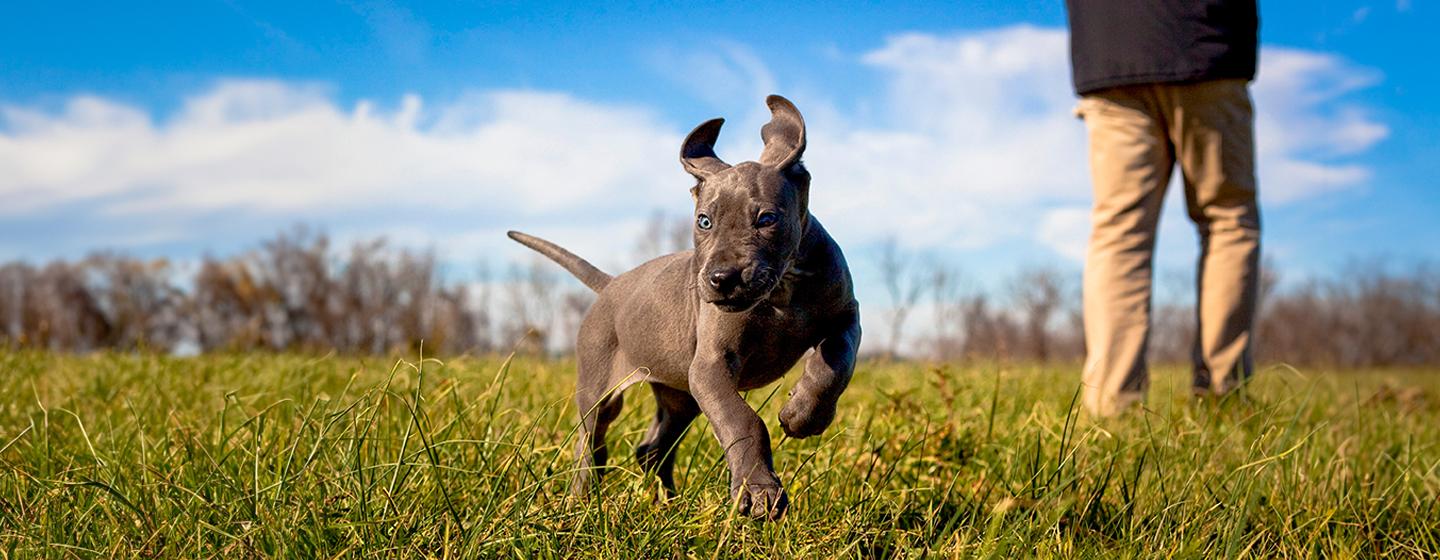
Healthy and happy puppies need their fair share of exercise. This is how to use play and walk effectively without going overboard. How to not over-exercise your puppy When we first get a dog, most of us dream of long rambling walks with our new companion - and there is no doubt that exploring the countryside or local parks together is a real joy of dog ownership. In our enthusiasm to ‘get out there’ however, we can sometimes forget that our new puppy is only a baby, and like any baby, their physical abilities are limited. This means that we can cause lasting damage by over-exercising a puppy or expecting too much in the early weeks and even months. Until a dog reaches sexual maturity – which is different in each breed – their bones are still growing. The growth plates within the bones, which allow them to lengthen as the dog gets larger, stay soft for a surprisingly long time, which is why over-exercising your pup might make them vulnerable to injury. Injuries at this time may not heal properly and can cause lasting problems for the dog. In addition to the soft growth plates, the rest of the puppy’s bones are softer too and so can break easily. It’s not just the bones that are developing either – these are held together with muscles, tendons and ligaments that are working hard to support the puppy’s growing bones and joints, and they can also be vulnerable to injury caused from over-exercising your puppy or from the wrong kind of exercise or play. Puppy exercise and puppy walking guidelines Knowing all this, it’s easy to panic and become overprotective but with a few guidelines, you can make sure you get it right! First of all, remember that puppy exercise is necessary because this is how they increase their bone density – which means strong bones and a decrease in the potential for injury as an adult. How long should you walk a puppy? This exercise shouldn’t be marching round the countryside or the local roads on a lead though. In fact, when it comes to continuous puppy walking a good rule of thumb is that puppies should have no more than 5 minutes of exercise for each month of age, two times a day. So a five-month-old puppy would have no more than 25 minutes of walking twice a day – and this should be decreased in larger breeds.
How to Discipline Your Cat
1 min read
Learning how to discipline your cat correctly is something that’s really important for every cat owner to do. Cats react differently to dogs, so training them in the same way won’t always work. Instead there are a number of different cat training techniques that can be learnt and performed on your cat to try and encourage them to behave correctly. Undesirable cat behaviours Before we learn how to discipline a cat, let's take a look at the type of undesirable behaviours your cat may have and why they may behave that way.
How to Deal with Excessive Dog Barking
1 min read
Dogs don’t rely on vocal communication in the same way humans do, but it still forms a major part of the way they express themselves and their emotions to other dogs – and to their human family. There’s more to a dog’s vocal repertoire than a simple ‘woof’ – our canine companions make use of whines, yips, yelps, whimpers, grumbles, howls and growls in their communication. Some are even fond of a big hearty sigh! There are lots of reasons why dogs bark, but remember, barking may only seem excessive to us – barking in any form is all part of a dog’s nature!
How to Clean a Dog’s Ears
1 min read
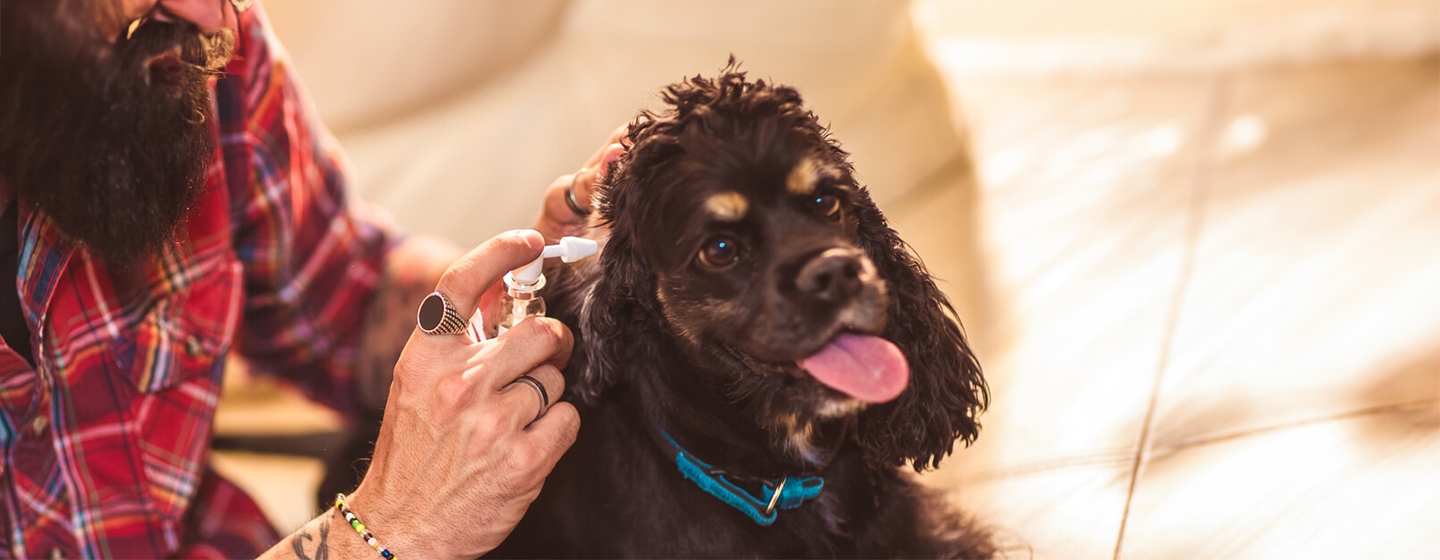
Many owners often wonder how do you clean a dog's ears? We've put together this handy guide to tell you everything you need to know about cleaning your dog's ears at home. Many dog owners often wonder: should I be cleaning my dog’s ears? The short answer is, usually, yes. It’s often an overlooked part of your dog’s grooming regime, but for many dogs it is extremely important as it allows you to regularly check for problems or ear infections. Cleaning your dog’s ears is incredibly easy to do and can be done at home (providing you and your dog are comfortable with it). If you’ve never done it before you may be wondering where to start, which is why we’ve put together this handy guide to tell you how to clean a dog’s ears. How often should I clean my dog’s ears? This often depends on your dog. Droopy-eared breeds such as Cocker Spaniels and Basset Hounds will require more regular ear cleaning as the can be more prone to ear infections. This is because longer droopy ears allow less air flow, and debris and moisture may easily become trapped in the ear canal, which can result in a yeast infection. Dogs that like to swim will also require regular ear cleaning as the extra moisture can predispose them to ear infections. Additionally, you should always be on the lookout for ear mites on your dog as they are also a potential cause of ear infections and can also be transmitted to other pets. In short, it’s important to clean your dog’s ears regularly enough to avoid infections, but not too often as this can damage the canal or cause irritation that can result in further problems. If you’re unsure, it’s best to ask your vet as they’ll be able to recommend a cleaning schedule that suits your dog’s unique needs. How to clean a dog’s ears When considering the best way to clean a dog’s ears, the most important thing is to ensure that your dog is comfortable with the entire process first.

Pagination

  • First page
  • Previous page
  • …
  • Page 9
  • Page 10
  • Page 11
  • Page 12
  • Page 13
  • Page 14
  • Page 15
  • Page 16
  • Page 17
  • …
  • Next page
  • Last page
Purina Pet Club logo

Join Purina Pet Club for expert tips, helpful advice, exclusive offers and rewards.

Join the Club
Nourishing pets Purina pets grid card
Purina Pet Club logo

Join Purina Pet Club for expert tips, helpful advice, exclusive offers and rewards.

Join the Club
Nourishing pets Purina pets grid card
  • Cat
    • Care & Advice
    • Find a Pet
    • Food
    • Our Brands
  • Dog
    • Care & Advice
    • Find a Pet
    • Food
    • Our Brands
  • About Us
    • Our Mission
    • Our History
    • Our Purina Promise
    • Purina In The Community
  • Other
    • Join Purina Pet Club
    • Breed Selector
    • Contact Us
  • Cat
    • Care & Advice
    • Find a Pet
    • Food
    • Our Brands
  • Dog
    • Care & Advice
    • Find a Pet
    • Food
    • Our Brands
  • About Us
    • Our Mission
    • Our History
    • Our Purina Promise
    • Purina In The Community
  • Other
    • Join Purina Pet Club
    • Breed Selector
    • Contact Us
  • Cat
    • Care & Advice
    • Find a Pet
    • Food
    • Our Brands
  • Dog
    • Care & Advice
    • Find a Pet
    • Food
    • Our Brands
  • About Us
    • Our Mission
    • Our History
    • Our Purina Promise
    • Purina In The Community
  • Other
    • Join Purina Pet Club
    • Breed Selector
    • Contact Us
  • Cat
    • Care & Advice
    • Find a Pet
    • Food
    • Our Brands
  • Dog
    • Care & Advice
    • Find a Pet
    • Food
    • Our Brands
  • About Us
    • Our Mission
    • Our History
    • Our Purina Promise
    • Purina In The Community
  • Other
    • Join Purina Pet Club
    • Breed Selector
    • Contact Us
© 2026 Purina. All Rights Reserved.

©Reg. Trademark of Nestlé S.A.

Terms & Conditions
Privacy Policy
Cookies
© 2026 Purina. All Rights Reserved.

©Reg. Trademark of Nestlé S.A.

Terms & Conditions
Privacy Policy
Cookies
© 2026 Purina. All Rights Reserved.