Sorry, you need to enable JavaScript to visit this website.
Skip to main content
Lockdown Coping Mechanisms for You and Your Dog
1 min read
When we’re looking for coping mechanisms, we have to remember the basics; exactly what we do for our dogs; water, regular meal times, exercise, enrichment, rest… and kindness. This month, we’re taking a practical approach to building resilience with the help of our dogs. You’re living with someone that’s no stranger to having restrictions placed on their day-to-day activities. You know that we’re really just living our dogs’ life, don’t you?! For those of us with no choice but to stay at home, we’re limited as to what we can eat, our exercise routine has been determined by someone else and our freedom of choice has been taken away; for our safety. When we’re looking for coping mechanisms, we have to remember the basics; exactly what we do for our dogs; water, regular meal times, exercise, enrichment, rest… and kindness. In these challenging times, our dogs are an incredible source of companionship and comfort, but it’s not their responsibility to make us feel better. We owe it to them, and to ourselves, to take positive action so that we can both benefit from the time we have together. Your dog is about to become your greatest teacher, if you let them. Create a daily routine It might sound boring, but we have to create a daily routine and stick to it. We’re all navigating a new reality that we didn’t ask for and we weren’t prepared for. With that comes a wave of change and uncertainty, two things we’re not designed to cope with. For many of us, the fear and uncertainty can open old wounds and trigger responses that we believed were long buried. We feel like we’re spiralling out of control and that in itself can be terrifying. That’s a perfectly normal response, so your only job is to go easy on yourself, exactly as you would for your dog if they were frightened or anxious. When you brought your dog home, whether as a pup or through rescue, they were in unchartered waters. They were navigating a new reality and I have no doubt that you did your absolute best to show them that you could be trusted, that they were safe and you started the way you meant to go on. Do the same for yourself, show yourself the same level of care and understanding.
Kitten Socialisation: Teach Your Cat the Basic Life Skills
1 min read
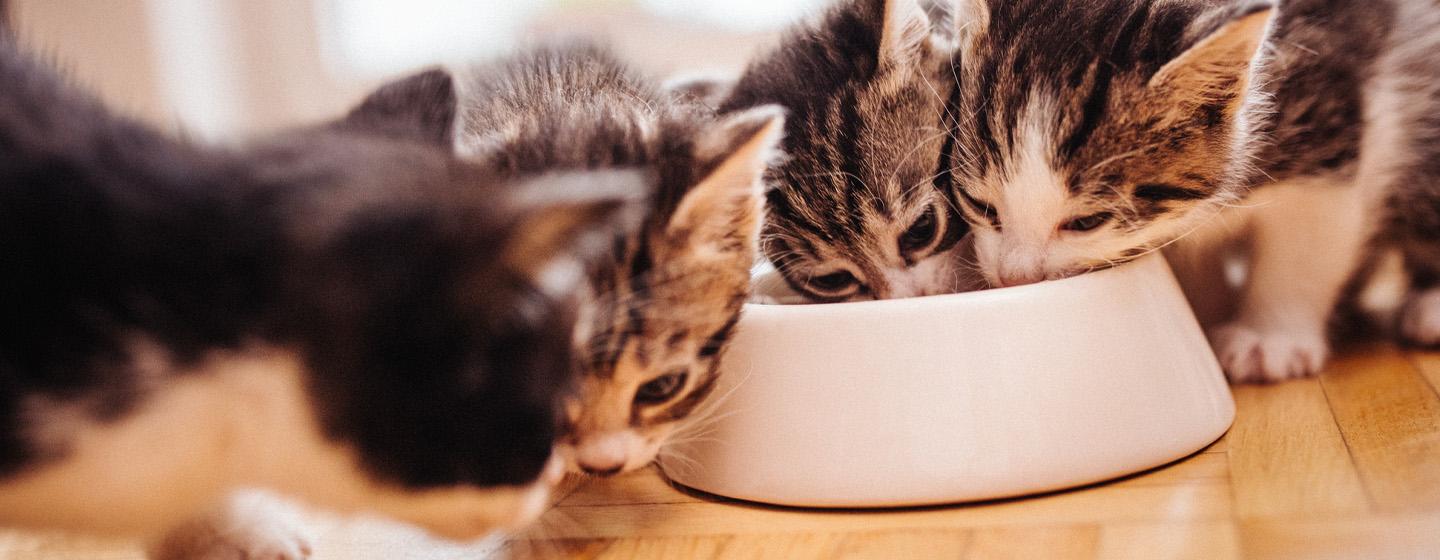
There are so many things to learn for a new kitten making their first steps into the world. Discovering it all by themselves can be a little bit scary, but luckily you can do a lot to help them learn the ropes of their new life. These are the basics of kitten socialisation. The world is such a big place for a kitten just starting to figure out where exactly they fit in it. A kitten’s early life is noisy, busy and full of new experiences. There are humans everywhere, other kittens roaming around, older cats, objects big and small, plus all sorts of startling strange sounds and smells. Deciphering what they all mean will take a little while which is what the period known as kitten socialisation is for. All of this can be overwhelming when you get a new kitten, as they arrive in your house and everything is new to them. Find out how to turn your shy ball of fur into a confident and happy adult cat and help your kitten learn life’s first lessons quickly. What is kitten socialisation? Kitten socialisation is the period of time early on in a cat’s life when they start to learn what is safe in their environment by getting familiar with different experiences, people, pets and even sounds. Exposure to new things from the beginning is crucial for cat socialisation, but make sure not to overwhelm the small bundle of joy with more information than they can handle. When should you teach kitten socialisation? Although the exact timeline for kitten socialisation is still being debated among specialists, the first 8-10 weeks are usually considered crucial for the process of socialisation. Kittens are like a sponge for new information, especially in their early days, which means there will never be a better time to show your kitten the ropes of life in general, and family time in particular. It is very possible that by the time you get to meet your new kitten the socialisation period has long passed. In this case it’s at the breeder’s house or at a rescue centre where they will have learned (or not) the first things about people and what role they play in a cat’s life. But this doesn’t mean cats have learned all they need to know about the world around them. It’s important to check with the breeder to see if there is anything in particular you need to focus on. After all, if your new kitten can’t help but duck for cover every time the alarm clock goes off, you want to know about it early on so you can continue the kitten socialisation job at home. Although the first weeks are essential, don’t forget that your kitten is likely to deal with new things long after their first birthday. Cat socialisation doesn’t stop after the 10-week marker, especially when the time comes to move into your home. Top tips on how to socialise your kitten Chances are that the first time you’ll welcome the new kitten into your home, you’ll notice they’re stepping into their new life somewhat reluctantly. They might be a bit shy or even look frightened by all the attention they’re getting. Your first instinct will be to lift the ball of fur and comfort them, but this might actually make matters worse as it can add to their panic. Here are some useful tips for socialising your kitten with the least amount of distress for everyone involved. Keep everyone calm Once they’re rested and are confident in their room, then it’s time to meet their new human family. This is obviously a very exciting moment, but do try to keep everyone calm. Before introducing a new kitten to the home, everyone should sit still on the floor and agree on one rule - only touch the kitten if the kitten comes to you. No grabbing There mustn’t be any grabbing or arguing between the kids, or it will frighten your pet. If the kitten tries to hide, coax them out with a toy or a treat to encourage them to be sociable, but never grab or force them.
Kidney Problems in Cats: Causes and Treatments
1 min read
Cat's kidneys play several important roles in keeping your pet healthy including removing toxins, maintaining their blood pressure and helping to produce hormones for new red blood cells. With so much to do, it’s perhaps not surprising that as cats get older, it’s quite common for their kidneys to wear out after working so hard. There are a number of causes for kidney failure, from cat kidney diseases to tumours, and these problems can be acute or chronic. Acute kidney failure in cats If your cat has acute kidney failure, it means that their kidneys are suddenly unable to function properly – this can be due to causes such as infection, or because your cat’s eaten something dangerous to them, such as antifreeze. Acute kidney damage in cats can either be permanent or reversible, depending on what the cause is. Chronic kidney failure in cats Chronic kidney failure in cats is more gradual, and usually develops over several months or even years. There are a number of reasons for chronic kidney failure in cats including infections and tumours, and unfortunately by the time it’s diagnosed the kidney damage is sometimes irreversible. In the early stages of kidney disease in cats, the healthy areas of the kidney compensate for any damage by increasing their already busy workload. However, as the disease progresses, the healthy areas start to shrink and eventually there simply aren’t enough remaining healthy areas for the kidneys to be able to perform as they should. By this stage, your cat will be showing signs of kidney failure (see below for more information). Chronic kidney failure in cats is a progressive illness that your vet will need to keep an eye on, but it can usually be managed with a combination of medical treatments and a special diet. Signs of kidney disease in cats Large amounts of very dilute urine and increased thirst As your cat's kidneys become less able to concentrate their urine, they will urinate more and drink more to replace the lost fluids.
Kidney Failure in Dogs
1 min read
Kidneys are very busy organs that have lots of responsibilities to keep your dog healthy, from removing toxins to maintaining their blood pressure and helping to create new red blood cells. With so many jobs to do, it can be a scary time if you think your dog’s kidneys are failing, find out the common symptoms and possible treatment options for kidney failure in dogs with this guide. Kidney disease in dogs can affect any breed at any stage in their life and sadly, there’s no way of predicting which will develop it and which won’t. Although there’s nothing you can do to actually prevent your four-legged friend from developing kidney failure in dogs, feeding them a good quality diet throughout their life, and providing them with a constant supply of fresh, clean water will help support their kidneys and, if they do develop kidney failure, it could help to slow down its progress. We’ve created this guide to tell you the most common causes of dog kidney disease and failure to give you all the information you need. Acute kidney failure in dogs If your dog has acute kidney failure it means that their kidneys have suddenly stopped working properly. This can be caused by something such as an illness or infection, or because they’ve eaten something they shouldn’t, like antifreeze. Acute kidney failure in dogs may be able to be treated and reversed but could also be permanent, depending on what has caused it. Chronic kidney failure in dogs Chronic kidney failure is more gradual and can take months or even years to develop. It can be caused by a number of things including infections and tumours and unfortunately, by the time it’s diagnosed, it’s sometimes too late to reverse. In the early stages of disease, the healthy areas of the kidney take on the extra work that the damaged areas can’t do, meaning that healthy parts work even harder than usual. As the disease progresses, and the unhealthy areas start to outnumber the healthy, the workload simply becomes too much and your dog will show signs of kidney failure. Chronic kidney failure in dogs is a progressive illness that your vet will need to keep an eye on, but it can usually be managed with a combination of medical treatments and a special diet. Signs of kidney failure in dogs There are a number of possible signs of kidney failure in dogs and each dog is different so there’s no guarantee that they’ll experience the illness in the same way, however, the most common symptoms are as follows: • Urinating more often – urine will usually be very diluted • Increased drinking to replace lost fluids • Nausea and vomiting due to build-up of toxins • Retching or going off their food • Tiredness and lethargy • Weight loss • Pale gums • Mouth ulcers • Fragile, weak bones Be careful about trying to diagnose kidney disease yourself, as the signs of kidney disease in dogs can also be a symptom of other illnesses. The sooner you see your vet for a proper diagnosis, the better. Although there’s no cure for kidney disease, early treatment will help to relieve the discomfort caused by the symptoms and support your pet’s kidneys. Diagnosing kidney disease in dogs When diagnosing kidney disease in dogs, your vet will start by testing a sample of pee to see if your dog’s urine is being concentrated, whether protein is being lost in their urine and if they have any other problems, like an underlying infection. They might also take a blood test to check for specific kidney function, to get an idea of your dog’s overall health and to see if the build-up of toxins has affected any of their other organs. Monitoring the condition Your vet may ask you to collect a sample of your dog’s urine as a part of monitoring their condition. The best time to collect your dog’s urine sample is first thing in the morning, ideally in mid-flow. How you physically collect their pee will depend on whether you have a male or female dog but plastic lunchboxes or soup ladles can come in handy! Your vet will probably provide you with a sterile container to store your sample in or you can use a container such as a clean jam jar (any residue can affect the results, so do make sure the container is very clean). The fresher the sample, the more accurate the tests will be, so try not to delay in getting the sample to your vet. Dog kidney failure treatment Depending on how severe the symptoms are, dog kidney failure treatment usually consists of a combination of medical and dietary interventions. Medication As kidney failure in dogs can impact so many different bodily functions and cause them to develop conditions such as high blood pressure or anaemia, your vet might recommend specific medications to help treat each symptom. Supplements may also be suggested to replace lost vitamins and help to improve some secondary effects caused by the disease. It’s important to remember to only give supplements and medications at the recommendation of your vet. Diets for dogs with kidney failure

Keeping Your Puppy’s Skin Healthy
1 min read
Dry skin can be an extremely painful problem for puppies. As soon as skin begins to turn dry, it will also turn itchy. Young puppies won’t be able to resist this itch and will scratch it all day and all night. Scratching these itches can be very harmful and damaging. Scratching leads to cut skin and bleeding, which can then lead to even more severe skin issues. The good news is there are a number of steps you can take to minimise the risk of dry skin and keep your puppy’s coat at its best. Brushing Brushing the coat is one of the best ways to prevent dry skin in puppies. Each time you brush your puppy’s coat it wipes away any dry skin flakes resting on the surface. These skin flakes can cause irritation if left to build up, and this irritation will ultimately lead to your dog scratching.
Is Your Dog’s Nose Dry? Here is What It Could Mean
1 min read
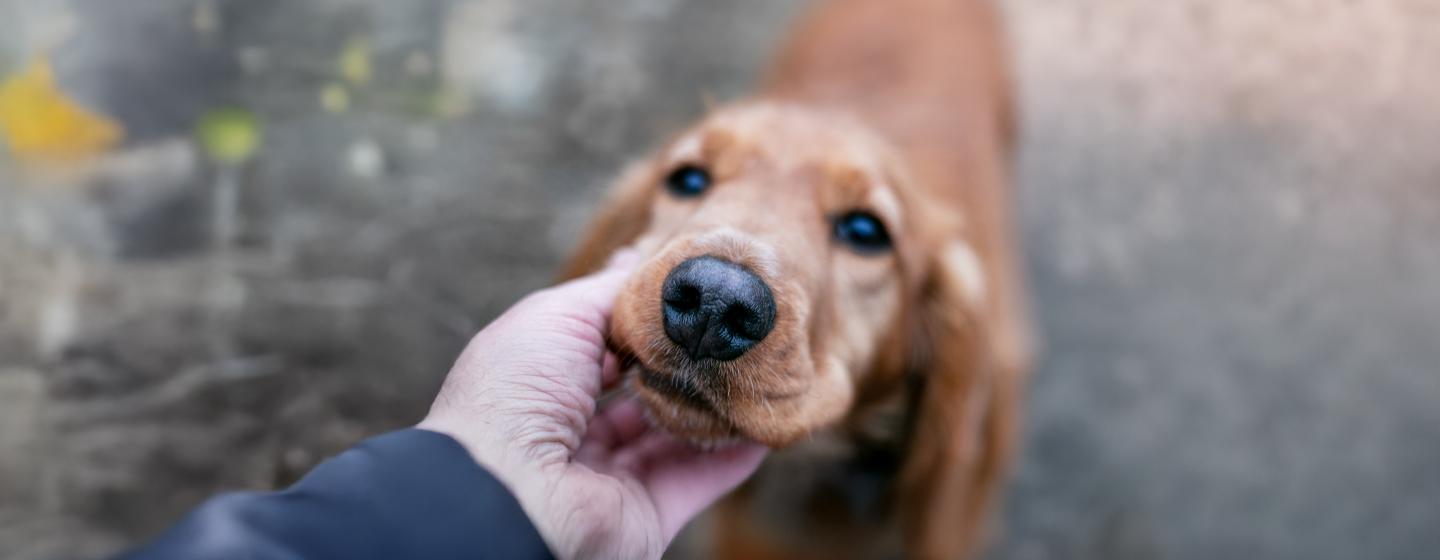
Dog owners often believe that a healthy dog’s nose should be wet and cold. Here is why dogs usually have wet noses and what it actually means if your dog has a dry nose instead. Whether it’s when they sniff your face in the morning or your hand as you give them a treat, the sensation dog owners expect to feel on their skin when the dog’s nose makes contact is a very particular one: the nose should be cold and wet. But what does it mean when your dog’s nose is dry instead? Keep reading to find out what makes a dog’s nose wet in the first place and how should an owner react if they discover that their pet’s nose is warm and dry. Why do dogs have wet noses? A dog’s sense of smellis a trusted ally helping them find out more about their environment. So, dogs have naturally figured out a few tricks to make it work better. One of them is keeping their noses wet. Scent particles stick to damp surfaces better, giving a dog with a wet nose a superior ability to understand their surroundings. It is one of the reasons why some dogs keep their noses wet by constantly licking them.
Is Your Cat Overweight?
1 min read
Just like us, cats can put on a few extra pounds, especially as they get older and become less active, or if they spend every day indoors. It’s important to prevent your cat from putting on too much weight, as overweight cats can face many health implications that can prevent them from enjoying a happy and healthy lifestyle. The good news is that you can do a lot to help your feline friend to keep their weight under control. By monitoring your cat's weight and body condition, you can help to reduce their chances of developing health issues that are common in overweight cats such as diabetes, osteoarthritis, lower urinary tract problems and constipation. How to tell if your feline friend needs to go on a cat diet It can be tricky to tell if your cat is overweight, particularly if they’re long haired, and some cats are naturally stockier than others depending on their breed. Our body conditioning tool only takes a few minutes to complete, and quickly gives you a good idea about what shape your pet is in. If you’re still not sure, or you think you might have an overweight cat, have a chat with your vet. It’s important to speak to them before you make any changes to your cat’s diet if you think they are overweight, as their weight gain could be caused by an underlying illness, rather than an over-active appetite. For more information before you talk to your vet, take a look at our ‘assessing your cat’s body condition’ article. How to weigh your cat Weighing your cat at home is a simple way to monitor their weight. Simply hold your cat as you stand on a set of weighing scales, and then subtract your weight from the final figure to be left with what your cat weighs. However don’t rely on this alone, as a proper body condition check will give you a much better overall picture of your cat’s health. How to help with cat weight loss If you’re already feeding your cat a diet recommended by your vet, speak to them before you switch to another food. If you don’t it could stop your cat losing weight or even worse have a negative effect on its health. Start by cutting out all treats and titbits, including cat milk, for two weeks. You might feel like you’re being unfair but it’s the kindest thing to do in the long run if you have an overweight cat.
Health
Is My Dog Overweight?
1 min read
Just like us, it’s not hard for dogs to put on a few extra pounds, especially as they get older and exercise less. As excess weight and rates of obesity in dogs increases, so do the risk of developing related health problems. A staggering 35%* of all dogs in the UK are overweight – and most owners don't even realise it until they take their pets to the vet for a related illness. Obese and overweight dogs are much more likely to develop health problems such as diabetes, respiratory conditions, arthritis and even behavioural problems, so it's easy to see why monitoring your dog's weight and body condition carefully is important. *Source: PDSA 2009 Is my dog overweight? Your vet will be able to tell you during their regular assessments if your dog is overweight, but it’s quite simple to weigh a small dog at home using bathroom scales. First weigh yourself, then pick up your dog and get back on the scales to measure the difference. This will be more difficult for larger dogs, so if you have a bigger breed of dog, you may wish to stick to your vet’s scales! For a more in-depth assessment, use our body conditioning tool. Checking your dog’s body condition is quick to do and allows you to spend even more quality, hands-on time with your pet. Helping your dog lose weight Talk to your vet before making any changes to your dog’s diet, as they’ll be able to advise you on the ideal weight for your dog and how it can be reached. The ideal Labrador weight, for example, will always be different from the ideal weight of a Toy breed, so you should know what weight you are aiming for. It’s important your dog is weighed and checked over for any underlying disease or health issues before you start fighting the flab, as their weight gain might not be caused by over-eating after all. Dog weight loss tips • To help your dog lose weight, increase the amount of energy they burn off (through exercise and play) and reduce the amount of energy they eat. • Table scraps and treats are often high in calories, so cut these out and make sure everyone else in the family does the same. Even when meant with affection, this still counts as cheating! If you have several dogs, feed your overweight dog separately to stop them from stealing any leftovers. • Try dividing their food into smaller portions and feed those more frequently to help reduce hunger and begging, and always keep track of what your dog is eating. • Your vet may suggest reducing the amount you are feeding, or a special lower-calorie diet. • Never ‘starve’ your dog or restrict their food without veterinary advice. Consult your vet If your dog fails to lose weight despite increased activity and reduced calories, speak to your vet again, who may want to investigate any underlying medical problems that can cause dog weight gain. Your vet’s practice might also offer a weight-reduction group for dogs, which will help you to monitor your dog’s weight as well as provide lots of tips and advice. Successful weight loss in dogs is a slow and steady process, and the secret to success is patience.
Health
Is My Dog Ill? Unusual Symptoms to Watch Out For
1 min read
Just like us, dogs can also feel a little under the weather. The only difference is that your pet can’t tell you when they’re feeling poorly, so it’s important that you can recognise common dog illness symptoms so you can help your furry friend feel like themselves again. Pay attention to subtle signs, as dogs can be good at hiding any aches or pains. Check-ups with your vet are the best way to spot any signs of possible illness as soon as possible. This is particularly important for older dogs, who should have regular check-ups every three to six months. Here are some of the symptoms of problems in your dog to watch out for. Bear in mind that this list isn’t exhaustive, and you should always speak to your vet if you have any worries about your pet’s health. General lethargy, depression, listlessness and sleeping more If your dog isn't their normal, enthusiastic, active self, it's worth considering if it could be down to something more serious than sleepiness. Generally looking unwell or seeming a lot more lethargic than normal (without any specific complaints) is a common sign of canine illness and warrants a check-in with your vet. Reduction in appetite or complete refusal to eat There are many completely harmless reasons why your dog might not want to eat as much as usual – hot weather for example – but it can also indicate an underlying problem. It’s particularly important to consult your vet if your senior dog eats less than usual, or if their reduced appetite is accompanied by lethargy, vomiting, diarrhoea, weight loss or any other signs of illness.
Health
Is My Cat a Senior Yet?
1 min read
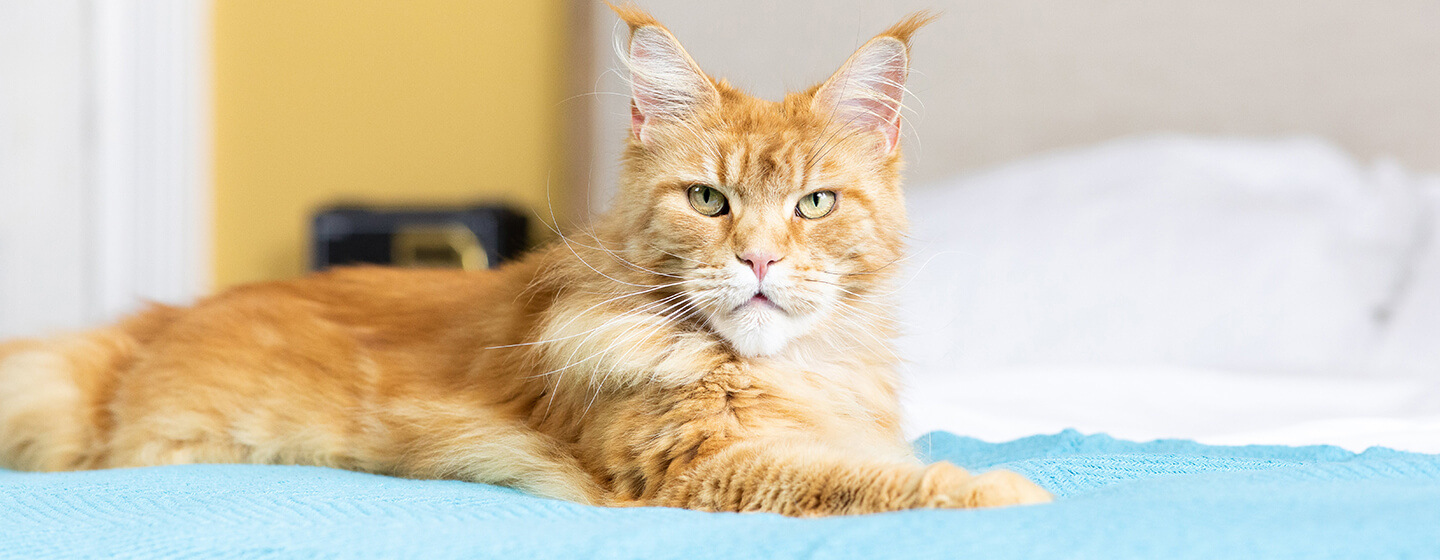
Your cat is an important part of your family, and we understand that it’s not nice to think of your fluffy companion getting older. As felines don’t get fine lines and wrinkles like us, the signs of old age in cats aren’t always obvious. Changes in your cat are most likely to start on the inside as they approach their golden years, and they will gradually age like we do. But there are a few tell-tale signs you should be aware of. We explore them, next. At what age is a cat considered senior? Although cats are considered to be of old age when they reach 7 years old, some felines will be showing off their kitten-like antics well into their mature years. Because there’s no exact age when your pet changes into a senior cat, you have to look out for particular signs instead. Signs of an old cat If your cat is not a spring chicken anymore, it’s natural to wonder what to expect when your pet becomes elderly and whether that moment hasn’t actually arrived. Elderly cats are very similar to humans in old age and will experience changes in their physical and mental abilities as years go by. Here are some of the most common signs that your cat is now a senior: Loss of agility One of the first things you will notice is a lower level of energy than usual. Of course, this could be also due to a medical problem, so it’s always best to check with your vet whenever you notice big changes in your cat’s behaviour. But expect your cat to enjoy living life in the slow lane as they get closer to senior status. Changes in their play time routine Play time for elderly cats will likely be comprised of shorter sessions, less energetic chases and more walking around the house or climbing cat trees. Depending on your cat’s health, you may need to adjust some of the usual games and bring them down to a slower pace, but don’t think play time is over once your feline reaches the golden years. Your vet will be able to advise on a level of activity that is suitable for your pet and will keep them well-entertained no matter the age. Different sleeping patterns Changes in the sleeping routine can also be a sign of an old cat. Whether your cat is waking up and vocalising in the middle of the night, or on the contrary, starts enjoying a shut-eye more than usual, a cat’s sleeping habits could be the giveaway for old age. Increased disorientation Cats are not particularly aloof creatures. Their feline DNA keeps them in tune with their environment well into their senior years. So when all of a sudden your cat starts getting confused while doing simple tasks such as finding their food bowl or getting to their bed, this disorientation can be caused by a cognitive decline related to ageing in elderly cats. In this case as well it is recommended to discuss the unusual behaviour with the vet. Changes in body condition and weight Weight fluctuations can also be a sign that your cat should start getting the senior treatment. Usually their metabolism slows down and as the amount of exercise decreases with age, you can expect to see your feline frame getting larger than usual. On the other end of the spectrum, some cats might suffer weight loss due to dental problems, also common in old age. You can check your cat’s body condition at home using these simple steps and get plenty of clues about your pet’s health and weight. Changes in behaviour You can find many signs of an old cat in their behaviour as well. They get a bit rusty when it comes to using the litter box and the frequency of accidents increases. They might not groom themselves as thorough as before. Or might even become moodier and less tolerant of changes in their environment. Many cats become less able to cope with stress as they age, so if you want to find out more about how you can manage cat anxiety, our guide is a good start.

Pagination

  • First page
  • Previous page
  • …
  • Page 7
  • Page 8
  • Page 9
  • Page 10
  • Page 11
  • Page 12
  • Page 13
  • Page 14
  • Page 15
  • …
  • Next page
  • Last page
Purina Pet Club logo

Join Purina Pet Club for expert tips, helpful advice, exclusive offers and rewards.

Join the Club
Nourishing pets Purina pets grid card
Purina Pet Club logo

Join Purina Pet Club for expert tips, helpful advice, exclusive offers and rewards.

Join the Club
Nourishing pets Purina pets grid card

Footer

  • Cat
    • Care & Advice
    • Find a Pet
    • Food
    • Our Brands
  • Dog
    • Care & Advice
    • Find a Pet
    • Food
    • Our Brands
  • About Us
    • Our Mission
    • Our History
    • Our Purina Promise
    • Purina In The Community
  • Other
    • Join Purina Pet Club
    • Breed Selector
    • Contact Us

Footer

  • Cat
    • Care & Advice
    • Find a Pet
    • Food
    • Our Brands
  • Dog
    • Care & Advice
    • Find a Pet
    • Food
    • Our Brands
  • About Us
    • Our Mission
    • Our History
    • Our Purina Promise
    • Purina In The Community
  • Other
    • Join Purina Pet Club
    • Breed Selector
    • Contact Us

Footer

  • Cat
    • Care & Advice
    • Find a Pet
    • Food
    • Our Brands
  • Dog
    • Care & Advice
    • Find a Pet
    • Food
    • Our Brands
  • About Us
    • Our Mission
    • Our History
    • Our Purina Promise
    • Purina In The Community
  • Other
    • Join Purina Pet Club
    • Breed Selector
    • Contact Us

Footer

  • Cat
    • Care & Advice
    • Find a Pet
    • Food
    • Our Brands
  • Dog
    • Care & Advice
    • Find a Pet
    • Food
    • Our Brands
  • About Us
    • Our Mission
    • Our History
    • Our Purina Promise
    • Purina In The Community
  • Other
    • Join Purina Pet Club
    • Breed Selector
    • Contact Us
© 2026 Purina. All Rights Reserved.

©Reg. Trademark of Nestlé S.A.

Terms & Conditions
Privacy Policy
Cookies
© 2026 Purina. All Rights Reserved.

©Reg. Trademark of Nestlé S.A.

Terms & Conditions
Privacy Policy
Cookies
© 2026 Purina. All Rights Reserved.