Sorry, you need to enable JavaScript to visit this website.
Skip to main content
Phantom Pregnancy in Dogs: Symptoms and Causes
1 min read
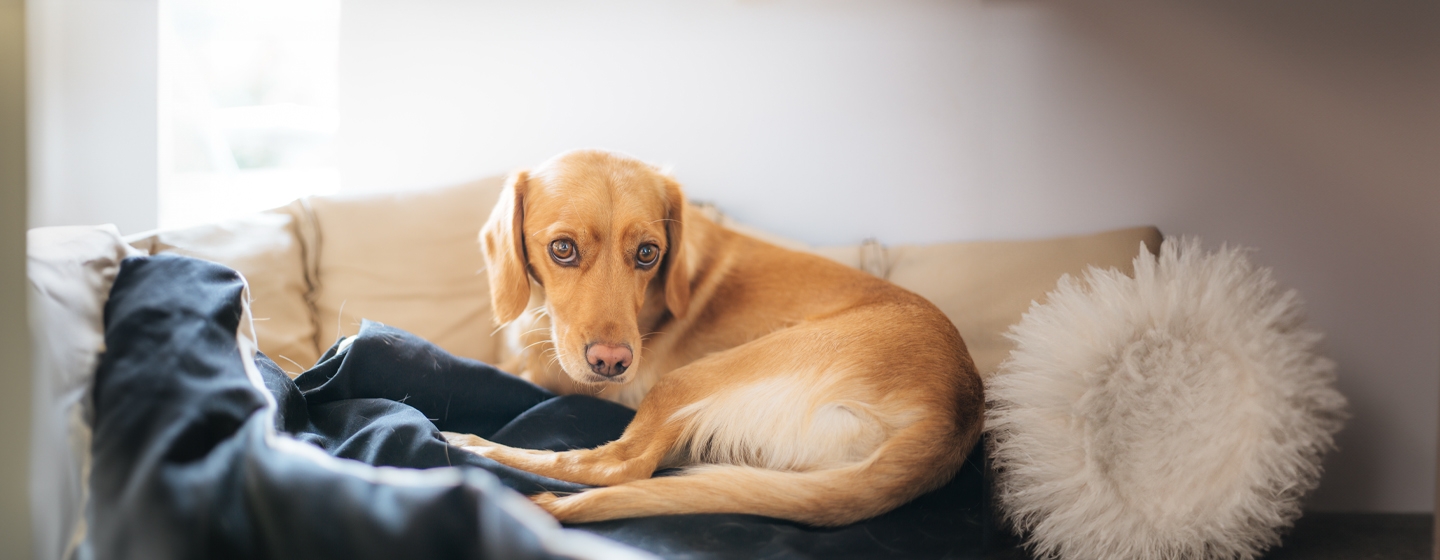
Phantom pregnancies in dogs are very common, with symptoms from mothering behaviour and lactation, to lethargy and vomiting. Find out more about signs, causes and possible treatment. Has your dog started acting like they are pregnant, mothering their toys and creating a nesting space? Have you noticed mammary development and even milk from their nipples? Some female dogs may display signs equivalent to morning sickness; with lethargy and vomiting. If your dog has not been mated, this may leave you scratching your head as to why they appear pregnant. If they have been mated, before you get too excited about visions of cute puppies, you need to make sure it’s not a false or phantom pregnancy. Read on to discover what the signs are, how a false pregnancy gets diagnosed and when medical treatment is necessary. What is phantom pregnancy in dogs? Phantom pregnancy in dogs refers to a condition where a female dog exhibits symptoms of pregnancy, but is not actually pregnant. This is also known as false pregnancy or pseudo-pregnancy and can affect any type of female dog, regardless of age or breed. Symptoms of phantom pregnancy in dogs You can expect to see many of the same symptoms of an actual pregnancy to manifest in the case of a false pregnancy. Although the signs vary between individuals, these are the main physiological and behavioural changes to look out for: • Mammary development • Lactation • Enlarged belly • Loss of appetite • Lethargy • Vomiting • Nesting • Being protective of small inanimate objects • Restlessness or aggression How long does a phantom pregnancy last? The symptoms of a phantom pregnancy most commonly occur 6-8 weeks after your dog finishes her season, and should resolve within 2-3 weeks. Once your dog has had a false pregnancy after a season, it is very likely to recur at each subsequent season. What causes phantom pregnancy in dogs? The origins of phantom pregnancy are thought to be due to the pack behaviour of our domestic dog’s ancestors. All the females in the pack help to rear the family pups and feel motherly towards them, even when they are not their own offspring. This cooperative behaviour is driven by hormones. After a female dog has a season, she experiences a prolonged peak of the ‘pregnancy hormone’ progesterone lasting 8-9 weeks, whether she is pregnant or not (this does not occur in humans). As levels of progesterone decline levels of a second hormone, prolactin, increase. This is what triggers the physical and psychological symptoms of pregnancy. In some dogs this may be mild – not enough to notice – but in others the symptoms can be very convincing to both the dog and her owner. What to do when the phantom pregnancy symptoms appear Phantom pregnancy in dogs is very common and, if symptoms are behavioural and mild, you can try distracting your dog with increased play and walks. While they’re distracted you can remove any toys they have adopted as surrogate babies, being careful not to cause distress. You should make an appointment with your vet if the symptoms persist or are severe. Remember that non-specific signs such as vomiting and lethargy may also be due to other diseases and illnesses. It’s also important to rule out a true pregnancy as your dog may have had an illicit mating!
Pancreatitis in Dogs
1 min read
Pancreatitis in dogs can be acute or chronic and ranges in severity. Discover how to tell if your pet is suffering from this condition and what to do next. Pancreatitis is defined as inflammation of the pancreas. In this article, we explain what causes pancreatitis in dogs, how it manifests and what treatment is recommended. What is dog pancreatitis? The pancreas produces enzymes involved in the digestion of protein, carbohydrate and fat within the small intestine. It also produces the hormone insulin which helps to regulate blood sugar levels after a meal. In a healthy pancreas, the digestive enzymes remain inactive until they reach the small intestine. This prevents self-digestion of the pancreatic tissue. However, in cases of pancreatitis, the enzymes are activated too soon while they are still within the pancreas. The resulting auto-digestion of the organ leads to inflammation and pain. Pancreatitis is often categorised as acute or chronic – acute pancreatitis is when it develops suddenly, and chronic pancreatitis is when it continues over time. Individuals with chronic pancreatitis can also experience acute flare-ups. What are the symptoms of pancreatitis in dogs? In mild cases of pancreatitis in dogs the symptoms can be subtle and include lethargy or loss of appetite. There is overlap with many other gastrointestinal conditions, including surgical emergencies such as gut obstructions. However, during an acute episode of this condition you are likely to see some of the following symptoms:
Pancreatitis in cats
1 min read
Is your cat lethargic with a reduced appetite? There are many possible causes for these symptoms, but pancreatitis in cats is one to be aware of. Find out more about this condition including its diagnosis and management. The pancreas is one of the organs in the abdomen. It has roles in digestion and also produces insulin to help control blood sugar levels after eating. Pancreatitis in cats refers to inflammation of this organ, and is a more common disease than previously thought. This guide will help you to notice possible symptoms of pancreatitis and find out more about the condition. What is pancreatitis in cats? The pancreas makes digestive enzymes which help to break down food. In a healthy pancreas, these enzymes are not activated until they have reached the small intestine. In a cat with pancreatitis the enzymes become activated while they are still in the pancreas, leading to self-digestion and inflammation of the organ. What are the symptoms of pancreatitis in cats? The symptoms of pancreatitis in cats can be more subtle than those of pancreatitis in dogs, which is a more commonly diagnosed condition. Symptoms generally include non-specific signs such as dehydration, loss of appetite, weight loss or lethargy. What causes pancreatitis in cats? The initial trigger for feline pancreatitis is not fully known and is likely to vary between individuals. There is evidence that a range of underlying causes could be responsible such as infectious disease, other inflammatory illnesses, or trauma.
Outdoor Dog Games
1 min read
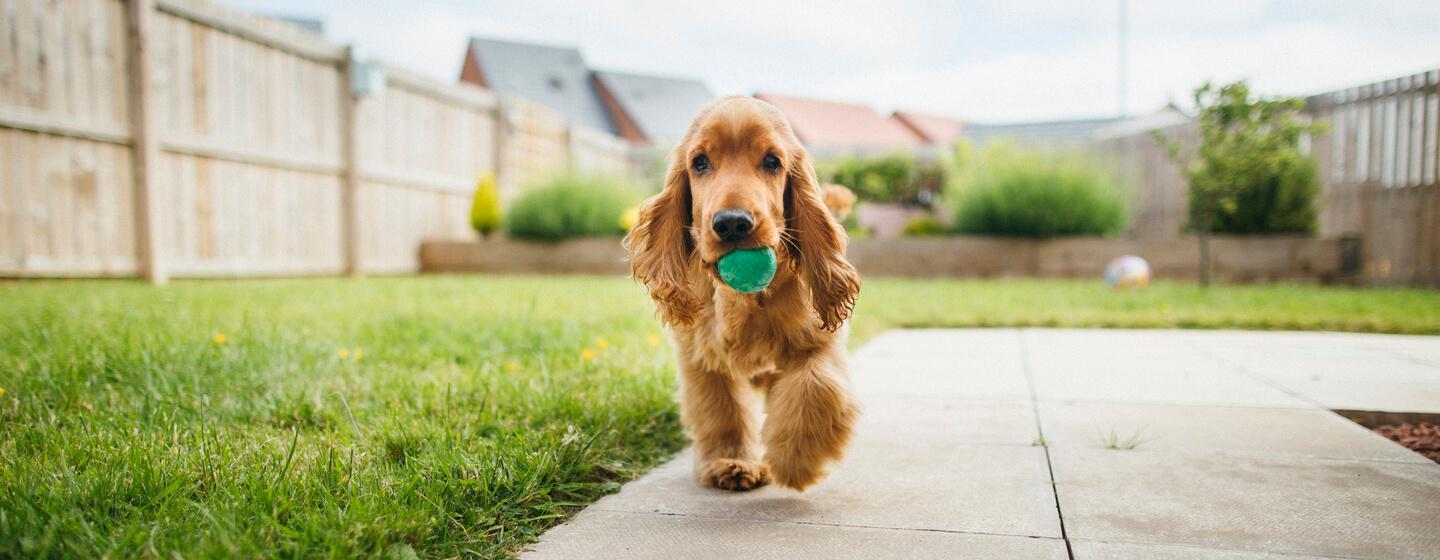
Thinking of new and exciting games to play with your pooch can be difficult, especially if you’ve exhausted the thrills of ‘hide and seek,’ and want to play a more exciting game than ‘fetch.’ With our list of outdoor dog games, you can be more adventurous at playtime and enjoy the great outdoors come rain or shine! 1. Teach your dog to catch a Frisbee Playing flying disc, or Frisbee, is a great alternative to throwing a stick or a ball and it’s an excellent form of exercise too! If your dog is already good at catching toys and bringing them back to you, they’ll be quick at learning how to play with a Frisbee and the game will be even more fun for the both of you. All you need to get started is a Frisbee and the great outdoors! Begin your game by throwing the Frisbee lightly, and once your dog has gotten used to catching and retrieving you can start to increase the height and the distance of each throw. This outdoor dog game is great if you’re short on time and aren’t able to go on a long daily walk. The quick bursts of energy spent running to catch the Frisbee and bringing it back will tire your enthusiastic dog out in no time!
My Cat Is Not Eating: An Owner’s Guide to Fussy-Eating Cats
1 min read
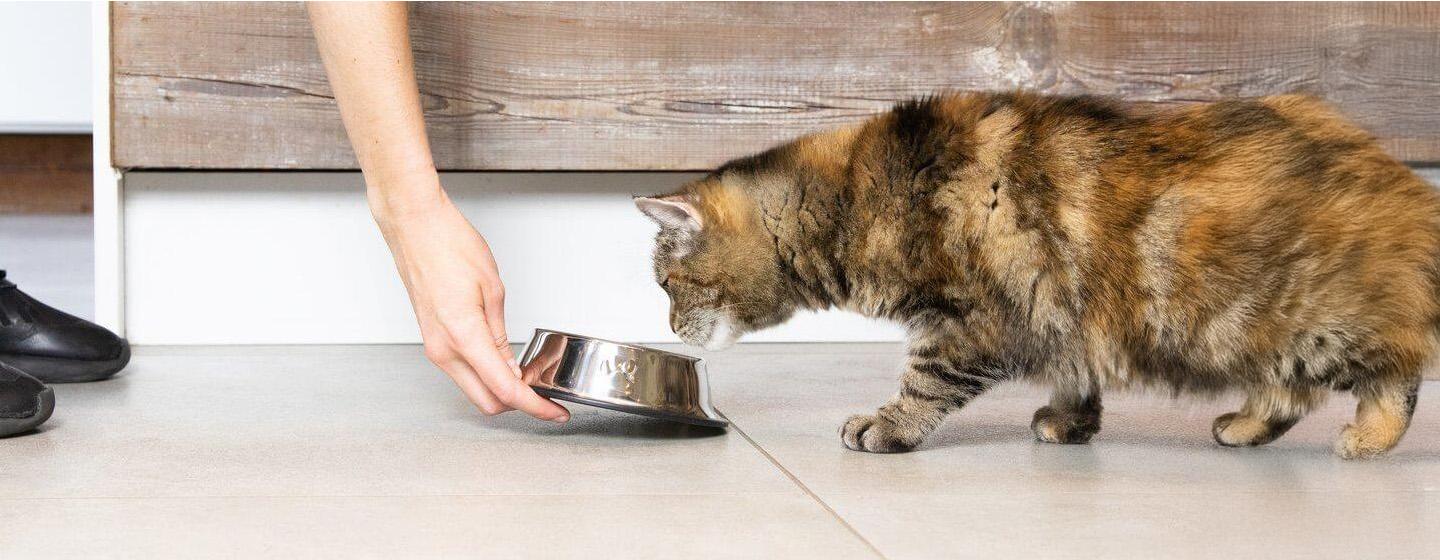
Cats are known for being proud and particular pets, and that doesn’t stop when it comes to what they eat! Like us, each cat will have their own favourite food and flavours, so fussy-eating cats might turn their nose up at something that doesn’t tantalise their taste buds. If you find that your feline is being especially fussy, or that your cat is not eating at all, there are certain things you can try to get them gobbling up their dinner. However, if your cat is off their food for more than a day this can lead to serious complications including hepatic lipidosis (fatty liver). Contact a vet for advice if the following tips don’t improve your cat’s appetite. Why is your fussy cat not eating? Cats can be very fussy eaters, and this can be exacerbated by some of the factors listed below. Anorexia can also be a symptom of illness or disease, so you should seek veterinary advice if your cat has not eaten for more than 24-48 hours.
Microchipping Your Cat
1 min read
With lots of love and attention, you’ll want to give your cat the best protection possible if they are lost or missing. By microchipping your cat, you’re giving them the best chance of being found and safely returned to you if they should wander off. Why microchip? There are all sorts of reasons why your cat might go missing. They might get spooked by something and run off, or maybe become disoriented or distracted in a new environment if, for example, you’ve just moved house. Of course, your cat may well be wearing a collar and an identification tag but these could get lost or removed, whereas a microchip will always stay safely in place. As well as helping to reunite you with your lost pet, a cat microchip can also help if you ever get into a dispute with anyone about who the animal’s rightful owner is. What is microchipping? Microchipping a cat is a simple and fast procedure that could help reunite you with your four-legged friend. If your cat is found, a vet or animal shelter can scan your cat’s embedded microchip to find your details, and your cat’s details, from the microchip database. It really is as simple as that!
Mental Stimulation for Your Indoor Cat
1 min read
Just because cats are now residents of the indoors it doesn’t mean they’re leaving the hunting days behind to turn into couch-potato cats. Healthy cats are physically and mentally active well into their golden years which is why providing the right type of stimulation to your indoor cat is essential. The small stature and gentle purr of our feline snuggling companions don’t make it obvious, but behind all that cuteness beats a wild heart that would love nothing more than to go hunting, scratching, hiding or climbing. You’re likely to prefer these activities to take place outside and away from the couch, shelves and carpets. But what is an indoor cat to do with all their energy? This is where cat mental stimulation comes in to save the day (and your furniture). There are plenty of ways to keep an indoor cat entertained and their hunting instincts well-exercised. From stimulating cat toys you can buy, to DIY toys you can make out of as little as a paper bag, we’ve put together some of the most effective ways to offer your cat mental stimulation without even leaving the living room. Why is cat mental stimulation important? As a cat owner you, probably know by now, that cats are intelligent creatures. Their active mind thrives on challenges, so much so that if their environment is not providing them with something to focus on, a cat will soon find their own problems to solve. This can include picking a fight with the furniture or even waking you up at night for an impromptu play session. Instead of letting all that pent-up energy turn your kitty into a miniature lion, you can direct it towards fun activities with the help of stimulating toys and games.
Making Dogs Comfortable When Out In The City
1 min read
It's becoming more and more common for dogs to live in urban areas and of course, this presents its own unique challenges. Find out how to make dogs in the city comfortable with our guide. City living is more and more common these days – and not just for people, but for dogs, too. Caring for a dog in the city – whether you live there or are just visiting – presents its own unique challenges. We all love our dogs and want them to be as happy and comfortable as possible when we’re exploring the urban landscape. Read on to find out our tips for making sure you and your pup are feeling in tip-top form when you’re out walking through the city. Start young Every dog owner (especially ones that have trained a puppy) knows that when it comes to getting your pup used to things, it’s best to start as young as possible. If you’re a puppy owner, it’s a logical conclusion that a happy puppy in the city means a happy future dog in the city. Good socialisation is paramount; when you live in an urban environment, it’s especially important to get your puppy used to the unique sounds, smells and sights of the city. Even if you can’t start young, good socialisation is equally important; get out and about with your dog to get them used to the city. Training a dog in the city Training is important for any dog, but if you have a dog in the city, it’s arguably especially so. Any dog who is regularly out and about in the city should know at least a few key commands. We recommend familiarising your pup with the following: • Sit: A classic, it’s a great command for any dog in the city to master. If you want your dog to be able to wait quietly for you, or travel safely on public transport, it’s good to teach them how to ‘sit’. • Wait: Following on from ‘sit’, ‘wait’ is a key command for your pup to learn. With more road traffic and foot traffic in the city, it’s especially important for your dog to know how to ‘wait’. This way, you can halt them if they look to be in any danger of wandering into harm’s way. • Leave: If you have a dog in the city, you never know what they could find on the pavement. City streets have the unfortunate tendency to collect litter, food remnants, and the like. ‘Leave’ is the star command here – if you have it well-practiced, and your dog picks up anything that looks unsafe, it’s easy to tell them to drop it. Be sure to give them a well-deserved treat to tell them how good they’ve been! • ‘Curbing’: This term means encouraging your dog to do their ‘business’ on the curb of the pavement, rather than in the middle, where people tend to be walking. To do this, when you see your pup sniffing for a place to go, gently lead them towards the curb. If you’ve worked on encouraging them to pee or poop with a particular word, say this as you do so. After a while, they should get the idea!

Make Your Home Cat-Friendly in 10 Easy Steps
1 min read
From trailing leads to irresistible, but dangerous food scraps, there is so much to be mindful of when welcoming a new cat. Find out how to make your home safe for your pet. Playful, curious and extremely mischievous, cats won’t wait long before taking over your entire house and everything that’s in it. So, before you welcome your little ball of fur, make sure you’ve got the basics covered by cat-proofing your entire home. From dangling cords to abandoned shopping bags and the beauty products on your nightstand, here is the list of unsuspecting items that can cause serious trouble in the company of a feline. Kitten and cat-proofing your home With so many things to consider, cat-proofing your home requires a solid plan. Here is what to keep in mind for a friendly and safe space: 1. Windows and doors When you first bring your new cat or kitten home, keep all windows and doors closed until they’re fully settled in, have had all their vaccinations and have been neutered.
Lungworm in Cats – Symptoms and Treatment
1 min read
If your cat is suffering from coughing fits and lack of energy, lungworms might be the culprit. Find out more about symptoms and treatment. Lungworms in cats can pose a series of dangers for your little ball of fur. These parasites travel the distance, hopping from host to host looking for perfect places to burrow into and every once in a while an unlucky cat becomes a stop on their route. Although less common than intestinal worms, lungworms are not to be ignored. Here are a few useful things to know about lungworm in cats and how you can help your cat get back to a clean bill of health. What is lungworm? Lungworms are parasites infecting other organisms and use their nutrients to stay alive and produce eggs at the expense of their host. If you are more familiar with the classic lungworms in dogs, these are not known to affect cats. In fact, cats have a different type of lungworm to contend with. There are two types of lungworm in cats: the Aelurostrongylus abstrusus (feline lungworm) and Capillaria aerophilus (bronchial capillarid that affects cats and dogs) and they can both cause lung damage. How do cats get lungworm? The more your cat is a keen outdoor explorer, the higher chance there is for lungworms to get attached to your feline companion. The little parasites usually have to travel through an entire food chain before reaching your cat’s system. Cats become infected with lungworm when they drink water or eat prey infected with the larval stage of the worm. The larvae migrate out of the intestines via the bloodstream to the lungs, where they develop into adult worms and lay eggs in the host’s lungs within 40 days. The eggs are then coughed up by the cat or passed in faeces, which may then be eaten by birds, rodents and/or snails.

Pagination

  • First page
  • Previous page
  • …
  • Page 6
  • Page 7
  • Page 8
  • Page 9
  • Page 10
  • Page 11
  • Page 12
  • Page 13
  • Page 14
  • …
  • Next page
  • Last page
Purina Pet Club logo

Join Purina Pet Club for expert tips, helpful advice, exclusive offers and rewards.

Join the Club
Nourishing pets Purina pets grid card
Purina Pet Club logo

Join Purina Pet Club for expert tips, helpful advice, exclusive offers and rewards.

Join the Club
Nourishing pets Purina pets grid card

Footer

  • Cat
    • Care & Advice
    • Find a Pet
    • Food
    • Our Brands
  • Dog
    • Care & Advice
    • Find a Pet
    • Food
    • Our Brands
  • About Us
    • Our Mission
    • Our History
    • Our Purina Promise
    • Purina In The Community
  • Other
    • Join Purina Pet Club
    • Breed Selector
    • Contact Us

Footer

  • Cat
    • Care & Advice
    • Find a Pet
    • Food
    • Our Brands
  • Dog
    • Care & Advice
    • Find a Pet
    • Food
    • Our Brands
  • About Us
    • Our Mission
    • Our History
    • Our Purina Promise
    • Purina In The Community
  • Other
    • Join Purina Pet Club
    • Breed Selector
    • Contact Us

Footer

  • Cat
    • Care & Advice
    • Find a Pet
    • Food
    • Our Brands
  • Dog
    • Care & Advice
    • Find a Pet
    • Food
    • Our Brands
  • About Us
    • Our Mission
    • Our History
    • Our Purina Promise
    • Purina In The Community
  • Other
    • Join Purina Pet Club
    • Breed Selector
    • Contact Us

Footer

  • Cat
    • Care & Advice
    • Find a Pet
    • Food
    • Our Brands
  • Dog
    • Care & Advice
    • Find a Pet
    • Food
    • Our Brands
  • About Us
    • Our Mission
    • Our History
    • Our Purina Promise
    • Purina In The Community
  • Other
    • Join Purina Pet Club
    • Breed Selector
    • Contact Us
© 2026 Purina. All Rights Reserved.

©Reg. Trademark of Nestlé S.A.

Terms & Conditions
Privacy Policy
Cookies
© 2026 Purina. All Rights Reserved.

©Reg. Trademark of Nestlé S.A.

Terms & Conditions
Privacy Policy
Cookies
© 2026 Purina. All Rights Reserved.