Health and common issues
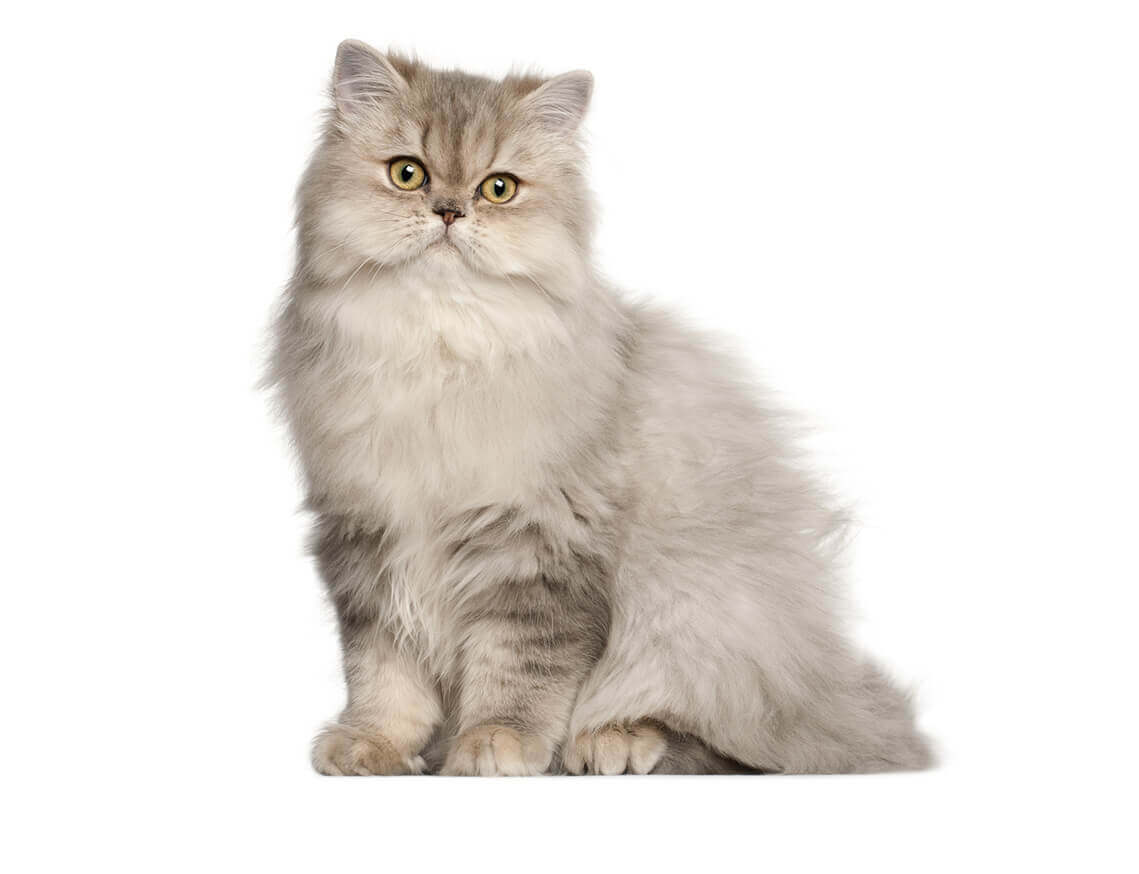
While the Persian Longhair cat may be expected to live for about ten to twelve years, it is a breed that is recognised as having a number of health problems. Because the head shape has been shortened and the face flattened, there can be jaw deformities which can lead to dental disease and potential problems with eating and drinking. Small nostrils and a soft palate which is too long can also lead to severe breathing problems. The tear ducts may not follow their natural path and so the eyes run and wet the face constantly – this can lead to skin rashes and sores on the face. The flat nature of face also increases the chances of eye disease. Persians can carry a gene that leads to kidney failure (called autosomal dominant polycystic kidney disease) through the development of cysts in the kidney. This condition was found in more than a third of all Persian and Exotic shorthaired cats in the 1990s when screening tests became available. Using screening, breeders are now working to try to eradicate the problem – always ask the breeder to show the PKD certificates for the cats used to produce your kitten. Persian cats may also have an increased incidence of hypertrophic cardiomyopathy (thickening of the walls of the heart). Like other longhaired cats, Persians are the most likely to develop fungal skin infections, such as ringworm.
Best cat breeds for children
While this breed is not widely recognised as one of the best breeds for children, all cats are different and with the proper familiarisation may still be able to live with children.