Sorry, you need to enable JavaScript to visit this website.
Skip to main content
Understanding Cat Spraying and Marking
1 min read
Cats make wonderful pets, and whilst most of their behaviour makes us laugh and smile, some of their actions can seem confusing and sometimes even a little anti-social! For example, cats spray urine, which can seem unpleasant if it happens inside your home. If this is an issue, the best way to tackle this issue is to understand your cat’s behaviour, then address the cause. Cat Marking
Types of Toys for Dogs
1 min read
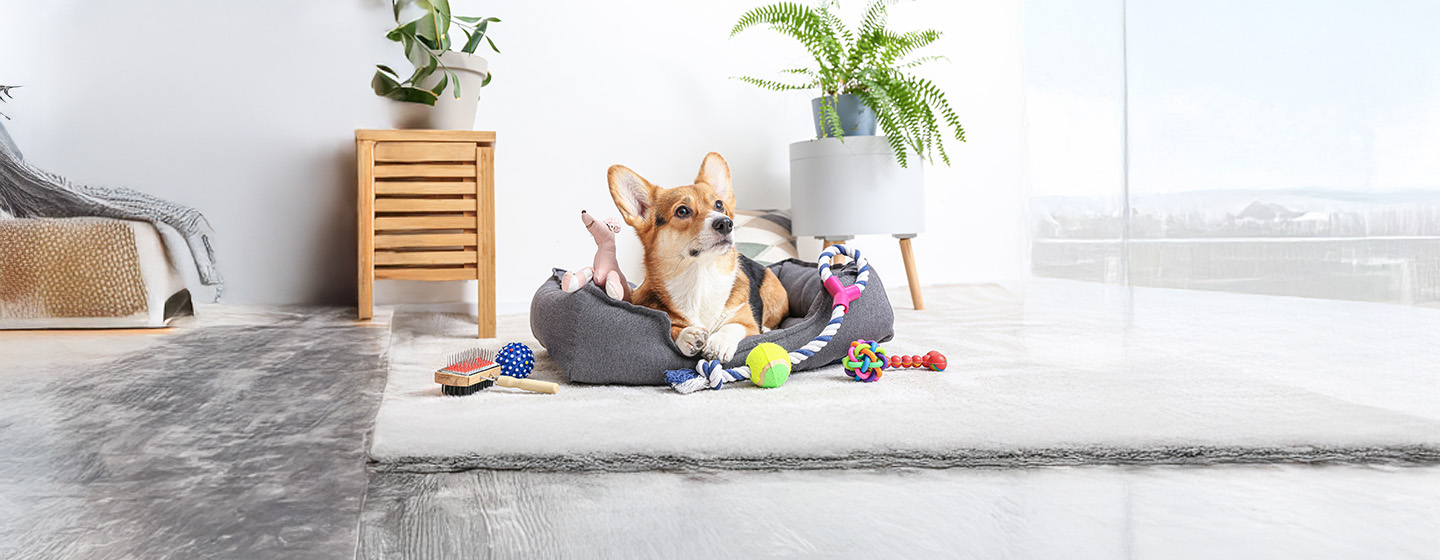
Today, there are so many types of dog toys available that it can be difficult to choose which ones to get. Where do you begin? What will be both fun and educational for your dog? All pet owners face these questions when they first consider buying a dog toy, and it can be hard to find answers. In this article, we’ve put together a simple guide to help you get started when it comes to choosing the best dog toys. Best dog toys Many pet owners wonder if there is a ‘best’ dog toy: a single, universal toy that will make their dog happy, as well as challenge them and help develop their skills. While there is a range of toys available now, there is no best dog toy. Each dog prefers different toys. Moreover, different dog toys are useful for different dogs. Some dogs like lots of games and exercises, so toys that require running, chasing, or tugging are the best toys for them. Other dogs, especially smaller dogs, are more indoor animals and may like toys that do not require them to move around too much. Each dog has a different personality, and you should try and find the dog toy that fits their personality. Finding your dog’s favourite toy may take a while – and may take a lot of playing. However, if they have several to choose from, it will be easier to learn their interests. Types of dog toys Balls These are proven to be a favourite with dogs. You can choose a soft plush ball if your dog is young and teething, or a tennis ball that has a slightly harder exterior if your dog is older.
Travelling with Your Dog on a Plane
1 min read
Taking your dog abroad can be fun for everyone - after all, things wouldn’t be the same without the whole family there! Whether you’re heading off to the beach or travelling to chillier climes, your dog will have a whale of a time exploring new environments and seeing new sights with you. Of course, sometimes going on holiday involves getting on a plane. That doesn’t mean your canine friend can’t join you - dogs can be international jet-setters too! However, it does mean that you’ll have to plan a lot of things in advance to make sure travelling with your dog runs smoothly. Before taking your dog on a plane, there are several things that need to be organised before you even get to the airport. Luckily, most of the things necessary when flying with a dog can be addressed a long time in advance; it’s best to get preparations underway seven to eight months before you go. In all cases, even if your dog is healthy, contact the vet before you go – some countries require vaccinations, health checks or certificates before your dog can come in! How to prepare when flying with a dog Many pet owners want to know how to travel with a dog on a plane without all the hassle, but the truth is, every journey will need a bit of preparation!
Training an Older Dog
1 min read
It’s not just puppies that love the excitement of training, or the emotional bonding you enjoy when they learn new skills. Adult and senior dogs can also enjoy and benefit from ongoing training, especially if life changes a bit. A well-trained older dog, for example, will make your house move a lot easier, or set an example for a puppy that has just joined the family! Senior and adult dog training allows you to strengthen your bond together, have fun, and helps your dog stay physically and mentally exercised. And once they’ve learned the basics, you might be surprised by what else you can teach them. Perhaps there is a more fun way of picking up their toys from the garden: you could teach your friend to put them in a box for you! Or why not train your older dog to fetch your slippers or find the missing TV remote? A well-trained adult dog is also a much safer dog, and they will be more fun to be around for other people. If your dog gets overexcited in public or when a visitor calls it can cause a bit of a scene, but with a little training your dog will be the best-behaved person in the room! Almost every dog can be taught basic obedience and much, much more, regardless of type of breed, experience or age.
Training a Cat to Use a Cat Flap
1 min read
A cat flap can be a confusing addition to a home. If your cat is used to you opening the door for them when they meow or simply jumping in (or out) of the house through a window, the cat flap will be strange to them at first. It may take some time to get used to and they can even be hesitant to use it! The good news is that you can teach your cat to take full advantage of the cat flap. This article will explore how to train a cat to use a cat flap and overcome some of the usual problems you face during the initial stages. Familiarising your cat with the cat flap For your cat to be comfortable using the cat flap, they have to be comfortable with the device itself. Here are some ways to introduce your cat to the flap: 1. Show them how it works, before installation Introduce your cat to the flap before you install it. They can get used to the shape and size, as well as explore the flap from all angles. Show them how the door moves both ways and, if they are willing, let them climb through. This may go a long way training your cat to use a cat flap. 2. Prop the cat flap open If the cat flap is already installed, prop it open for the first few weeks. This is an easy way to show your cat that it is a door to the outside world. They will be far less hesitant to use it if they can see the garden or the house interior when coming in. 3. Rub their scent on it Some cats dislike cat flaps because they see it as a foreign object. You can help them become more familiar with the flap by rubbing their scent on it. This will make them more comfortable with the device. How to train your cat to use a cat flap An easy way to teach your cat to use a cat flap is to lure them through it using treats. The trick is for the cat to move in and out of the cat flap with ease. For this, you need to show them that this movement is easily achieved. • Keep a number of your cat’s treats to hand. Your cat should be on one side of the cat flap (indoors) and you on the other. Keep the flap open so that your cat can see you. • Show your cat the treat you’re holding and encourage them to come get it. • If they don’t move, extend your hand through the cat flap (still keep the flap open) until they can smell the treat. Once your cat moves to get their reward, pull your hand slowly back so that they have to come through the flap to get the treat. • Praise them when this happens and give them more treats. This is an important step in training your cat to use a cat flap, as it reinforces the desirable behaviour. • Do the same process with the treat but from the other side, enticing the cat back into the house. • Once your cat is happy jumping in and out of an open cat flap, repeat this process with the cat flap half-closed and only your hand poking through. This will teach the cat to push the cat flap open by themselves.
Top 5 Fun Puppy Sports for a Healthy and Happy Pup
1 min read
Puppy sports are a great way to strengthen your bond, whilst also building fitness for both you and your dog! So now puppy classes are over and you and your dog have mastered the basic training exercises, it’s time to decide what to do next. Dogs who have been trained using reward-based methods love to continue to learn and do new things. It’s easy to think that your only options are to continue the training classes and focus solely on improving your dog’s obedience. But there are a whole range of puppy activities and sports you could try. So take your time and find something both you and your puppy can really enjoy. Have a go at puppy agility One of the most popular canine sports, both to watch and to compete in, is puppy agility. This is a fun, competitive activity done off-lead that comprises of a range of obstacles such as jumps, tunnels, puppy walks, and other pieces of equipment to either jump over, go through or walk along.
Tips for staying in a dog-friendly hotel
1 min read
When we go on holiday, it’s only natural that we want to bring our four-legged friends along with us to enjoy every moment, but finding suitable accommodation can sometimes prove a little difficult and of course it’s likely there will be rules present too. Read our guide and discover our top tips for staying in a dog-friendly hotel. We want to spend every possible moment with our four-legged friends. So, it’s only natural that when we go on a trip, we want to bring them along for the ride and experience everything right alongside us. In recent years, taking your dog on holiday has become more popular, and an array of dog-friendly locations have appeared to make it easy, including everything from restaurants and pubs to dog-friendly hotels. If you’re looking to take your first trip with your beloved pooch, you may be wondering what a dog-friendly hotel is and what rules do they have? We’ve put together this handy guide so you can get to grips with the usual pet-friendly hotel rules, so both you and your dog can have a stress-free trip. What is a dog-friendly hotel? Quite simply, a dog-friendly hotel is one where your dog can stay in the room with you. But it’s worth knowing that not every hotel that allows pets have the same policies. Some may have size limits, breed restrictions or may even have a restriction on the number of dogs allowed in one room. Additionally, it’s quite common for hotels to charge an extra fee for dogs – this could be a non-refundable deposit, a flat rate or a nominal daily fee. It’s usually a good idea to phone the hotel before your trip and get all the information on their pet-friendly hotel rules and possible fees to make sure you’re not caught out. Tips for staying in a dog-friendly hotel: 1. Be sure to plan ahead Before you book your hotel make sure that it’s actually suitable for your dog. You want to know that there are plenty of green areas nearby for daily walks and for going to the toilet. If you’re going to be travelling to and walking your dog in a big city, the bustle can be stressful for them so it’s important that you can take measures to keep them comfortable. It’s also a good idea to double check that your dog has ID tags with your up-to-date information and ensure that they’re microchipped, just in case you get separated.
Tips for Going to the Beach with Your Dog
1 min read
If you're a dog owner, when the sun comes out it's only natural that you'll want to head down to the beach with your furry friend. But what should you know before going? Read these tips to have a great day out. Taking a dog to the beach can be so much fun! Whether your pet enjoys a splash in the sea or a run through the sand, there’s so much for canines to gain from getting out in the fresh air during the summer. Oh, we do like to be beside the seaside! But there are a few things that pet owners should consider before packing up the car with buckets and spades and heading out to the coast. Whether it’s considering your dog’s safety out on the beach, or choosing the right location for your sea-soaked games of fetch, make sure that you’re fully prepared for a day of fun with these useful tips for going to the beach with your dog. Find dog-friendly beaches Before you take your dog to the coast, it’s important to check that dogs are allowed on the beach. Some beaches maintain a dog-free policy so make sure that you do your research before turning up at your destination. Luckily, there are plenty of dog-friendly beaches around the country to choose from! These locations are always well advertised, and will specify exactly where your pet is welcome to swim, sunbathe, and run about. Some beaches have dog-free zones but allow pets to roam free in other sections. Pay close attention to signs in order to make sure that you aren’t trespassing into the wrong zone. Dog owners can face significant fines if found to be in the wrong zone accompanied by their pet. Don’t sour a sunny day at the seaside; do your research first and always pay attention to signage!
The Ultimate Cat Travel Checklist
1 min read
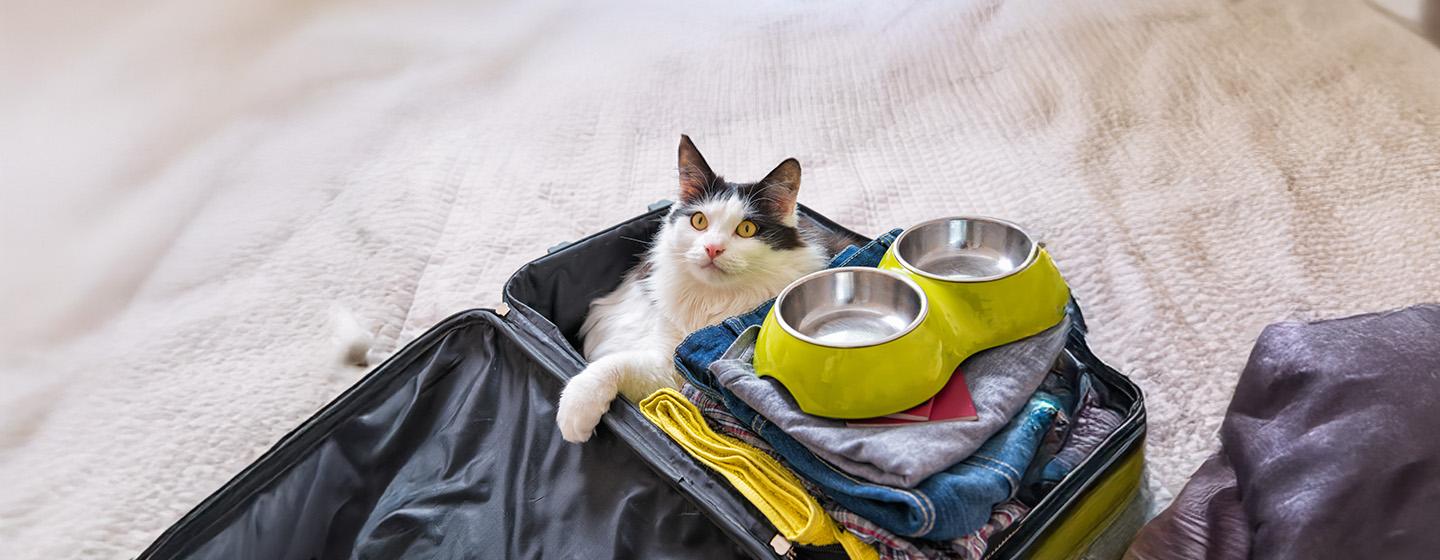
Sometimes holidays just aren’t right unless the whole family is there, and for some people that includes their pets. Holidays with your cat can be an extremely fun way to bond with your pet, but it's important to make sure you're prepared with a cat travel checklist! You can usually take your cat on holiday, whether you’re staying at home or going abroad. After all, family holidays wouldn’t be the same without your pet! However, there are a few things that you’ll need to organise in advance, especially if you’re leaving the country. It’s perfectly possible to go on holiday with your cat as long as you are ready in advance. Taking cats on holiday might mean a little extra organisation; as long as everything is sorted in good time, and you know your cat can cope with the journey, you should be fine. It’s true that cats like their own territory, which is why many owners decide it's best to leave them with a trusted carer – you’ll know what’s best for your own pet. On the other hand, modern pet carriers, pet passports and vaccinations have made it far easier for people to go away with their cats. If you are planning to go on holiday with your cat, check out our tips for preparation – and get packing! How to take cats on holiday Your airline carrier will need to be alerted that you are bringing a cat with you long in advance; they can tell you what else you need to do in order to get your cat through the airport. Whether you’re staying in the country or going abroad, you should familiarise yourself with travelling with your cat by plane or car. Vet check-ups before taking your cat on holiday In most cases your cat won’t require special medication before going on holiday; but if you’re unsure, ask your vet for peace of mind. In any case, it’s a good idea to consult with your vet about your cat’s suitability for a long journey, as every pet is different and there may be things that you haven’t considered. When you’re talking to your vet, consider your cat’s general health and any history of anxiety during confinement. If your cat has been unhappy about travelling in the past, you might want to consider whether taking them along on holiday is the best thing you can do. After all, your cat can’t communicate their feelings like you do, so you have to work hard to find out how they feel! You might also want to think about some of the practical aspects of taking your cat on holiday with you. If your cat takes medication, make sure you have a big enough supply to last the whole trip. If your vet suggests a sedative for their journey to keep them nice and calm, be aware the effects could last longer than the journey; if this is the case, your cat will need somewhere warm and secure to rest until they’ve recovered! If your vet prescribes your cat medication for the trip, it may be helpful to ask about trialling it in advance, particularly if you are planning to travel long distances. If you know how the medication affects your cat in advance, there is less room for last-minute mishaps, which all travellers can do without! Planning holidays with cats

The Importance of Regular Vet Check-Ups for Your Dog
1 min read
Even if you keep a close eye on your dog's health it’s important you book an annual appointment with your vet for a thorough check-up. This will give your vet the chance to spot any potential dog health problems and, hopefully, nip them in the bud before they become serious. Regular health assessments will also help you keep your dog's vaccinations up-to-date, provide an opportunity for you to accurately weigh your dog and help put your mind at ease about any issues. General dog health assessment You already take your four-legged friend to the vet when they’re sick or injured but those appointments tend to focus mainly on one particular issue. ‘Check-up’ visits, on the other hand, are more holistic, giving your vet the opportunity to detect subtle changes in your pet's overall physical health. Ideally, your vet should see your dog at least once a year, and more frequently as they get older or if they have special medical needs. These regular visits play a huge part in the 'prevention is better than cure' approach; so don't hold off making the appointment just because your dog seems fit and healthy to you. Your vet will check your dog over, including listening to their heart and lungs, running their hands over their abdomen to check for any unusual signs, checking for skin/coat, eye and ear problems and scanning their microchip to see if it’s all in working order. Making vet visits less stressful Another advantage of these annual check-ups is to get your dog used to visiting the vet surgery when they’re well. If they only visit when they’re hurt or ill they can become nervous about seeing the vet, associating their trips with bad times or stressful experiences. It’s a good idea to pop into the vet practice every so often, even if you don’t have an appointment. The receptionists and vet nurses will always appreciate a cuddle and it will create a positive memory for your furry friend.

Pagination

  • First page
  • Previous page
  • …
  • Page 4
  • Page 5
  • Page 6
  • Page 7
  • Page 8
  • Page 9
  • Page 10
  • Page 11
  • Page 12
  • …
  • Next page
  • Last page
Purina Pet Club logo

Join Purina Pet Club for expert tips, helpful advice, exclusive offers and rewards.

Join the Club
Nourishing pets Purina pets grid card
Purina Pet Club logo

Join Purina Pet Club for expert tips, helpful advice, exclusive offers and rewards.

Join the Club
Nourishing pets Purina pets grid card
  • Cat
    • Care & Advice
    • Find a Pet
    • Food
    • Our Brands
  • Dog
    • Care & Advice
    • Find a Pet
    • Food
    • Our Brands
  • About Us
    • Our Mission
    • Our History
    • Our Purina Promise
    • Purina In The Community
  • Other
    • Join Purina Pet Club
    • Breed Selector
    • Contact Us
  • Cat
    • Care & Advice
    • Find a Pet
    • Food
    • Our Brands
  • Dog
    • Care & Advice
    • Find a Pet
    • Food
    • Our Brands
  • About Us
    • Our Mission
    • Our History
    • Our Purina Promise
    • Purina In The Community
  • Other
    • Join Purina Pet Club
    • Breed Selector
    • Contact Us
  • Cat
    • Care & Advice
    • Find a Pet
    • Food
    • Our Brands
  • Dog
    • Care & Advice
    • Find a Pet
    • Food
    • Our Brands
  • About Us
    • Our Mission
    • Our History
    • Our Purina Promise
    • Purina In The Community
  • Other
    • Join Purina Pet Club
    • Breed Selector
    • Contact Us
  • Cat
    • Care & Advice
    • Find a Pet
    • Food
    • Our Brands
  • Dog
    • Care & Advice
    • Find a Pet
    • Food
    • Our Brands
  • About Us
    • Our Mission
    • Our History
    • Our Purina Promise
    • Purina In The Community
  • Other
    • Join Purina Pet Club
    • Breed Selector
    • Contact Us
© 2026 Purina. All Rights Reserved.

©Reg. Trademark of Nestlé S.A.

Terms & Conditions
Privacy Policy
Cookies
© 2026 Purina. All Rights Reserved.

©Reg. Trademark of Nestlé S.A.

Terms & Conditions
Privacy Policy
Cookies
© 2026 Purina. All Rights Reserved.