Sorry, you need to enable JavaScript to visit this website.
Skip to main content
My Cat Is Not Eating: An Owner’s Guide to Fussy-Eating Cats
1 min read
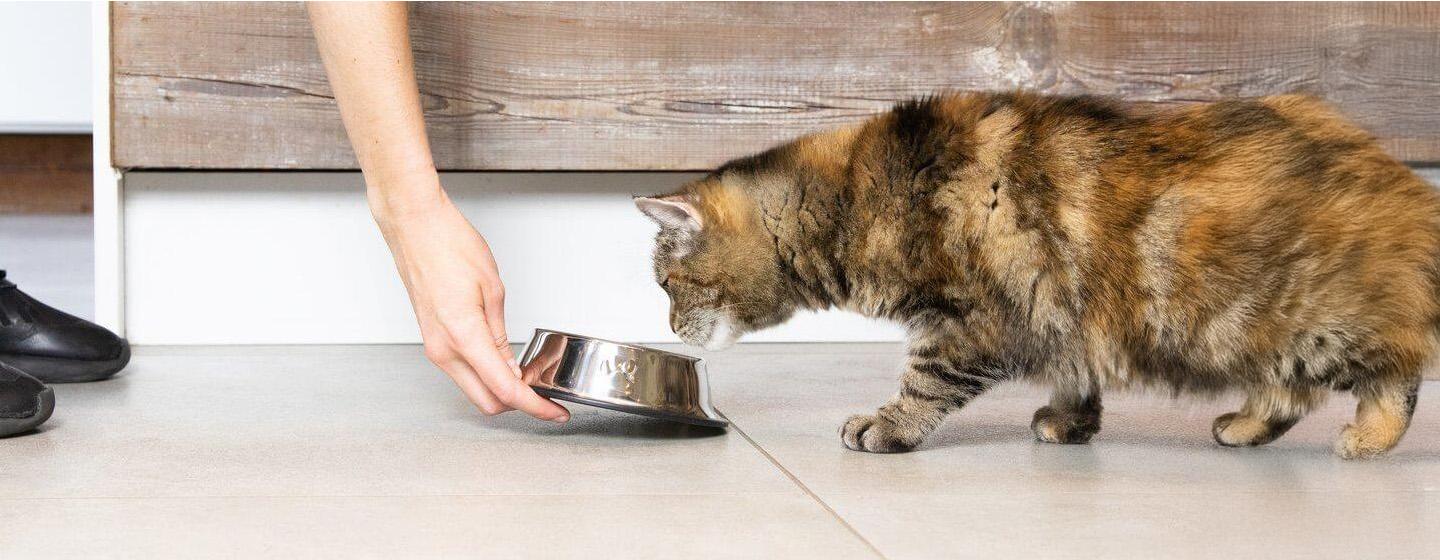
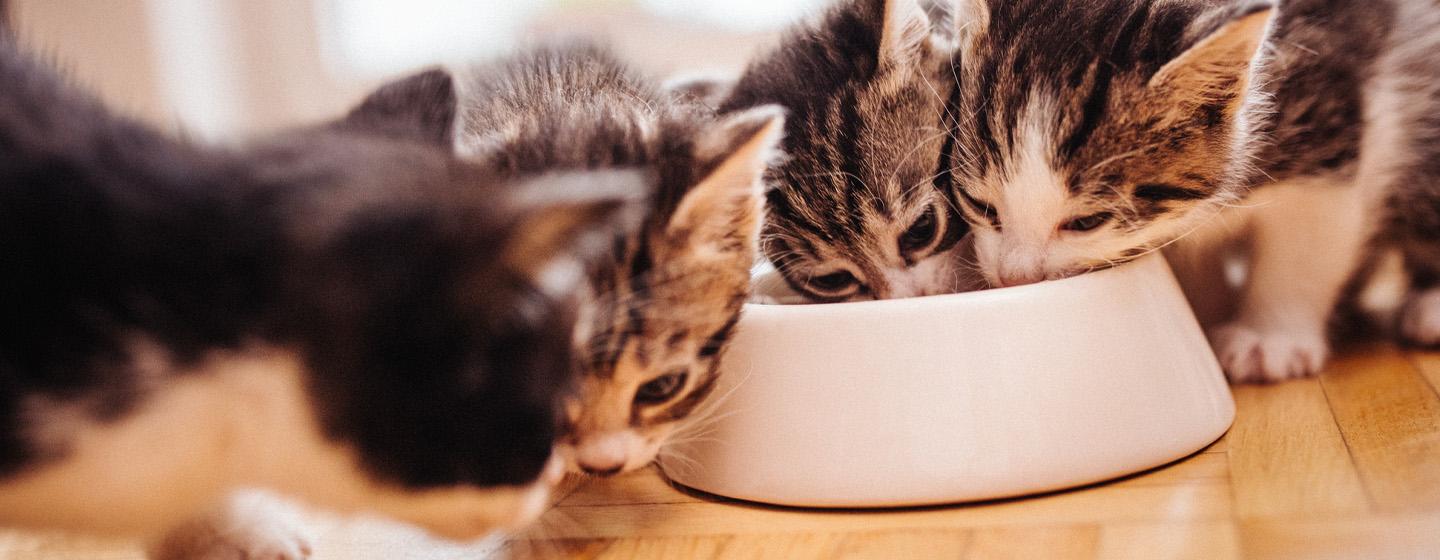
Cats are known for being proud and particular pets, and that doesn’t stop when it comes to what they eat! Like us, each cat will have their own favourite food and flavours, so fussy-eating cats might turn their nose up at something that doesn’t tantalise their taste buds. If you find that your feline is being especially fussy, or that your cat is not eating at all, there are certain things you can try to get them gobbling up their dinner. However, if your cat is off their food for more than a day this can lead to serious complications including hepatic lipidosis (fatty liver). Contact a vet for advice if the following tips don’t improve your cat’s appetite. Why is your fussy cat not eating? Cats can be very fussy eaters, and this can be exacerbated by some of the factors listed below. Anorexia can also be a symptom of illness or disease, so you should seek veterinary advice if your cat has not eaten for more than 24-48 hours.
Microchipping Your Cat
1 min read
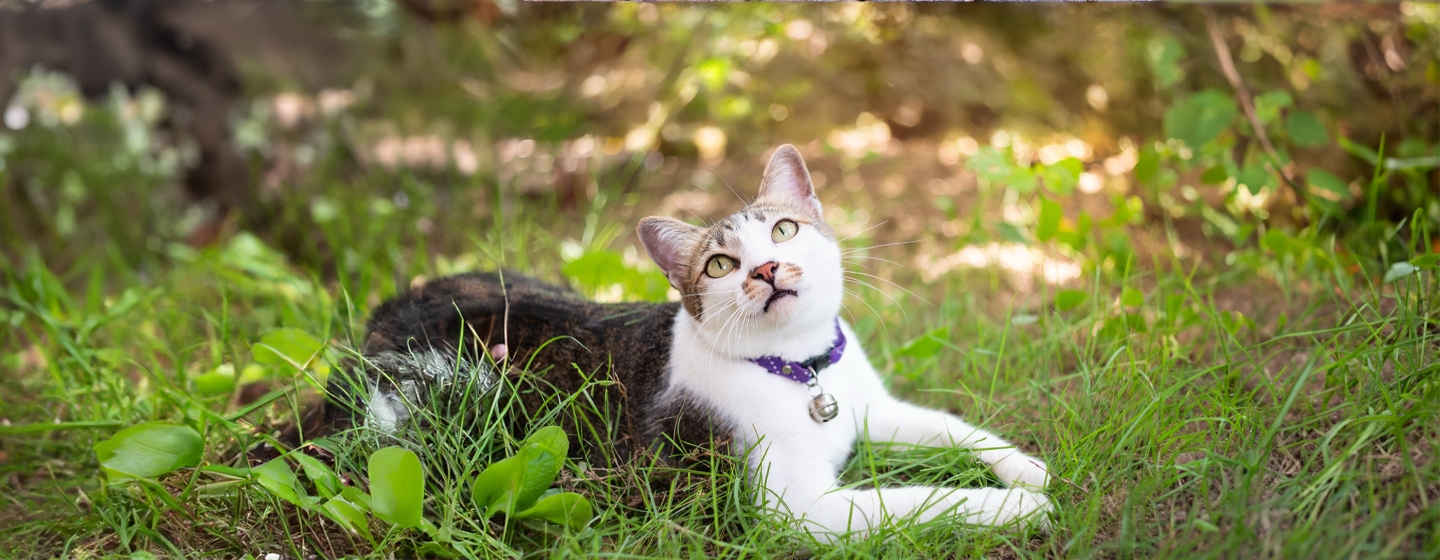
With lots of love and attention, you’ll want to give your cat the best protection possible if they are lost or missing. By microchipping your cat, you’re giving them the best chance of being found and safely returned to you if they should wander off. Why microchip? There are all sorts of reasons why your cat might go missing. They might get spooked by something and run off, or maybe become disoriented or distracted in a new environment if, for example, you’ve just moved house. Of course, your cat may well be wearing a collar and an identification tag but these could get lost or removed, whereas a microchip will always stay safely in place. As well as helping to reunite you with your lost pet, a cat microchip can also help if you ever get into a dispute with anyone about who the animal’s rightful owner is. What is microchipping? Microchipping a cat is a simple and fast procedure that could help reunite you with your four-legged friend. If your cat is found, a vet or animal shelter can scan your cat’s embedded microchip to find your details, and your cat’s details, from the microchip database. It really is as simple as that!
Mental Stimulation for Your Indoor Cat
1 min read
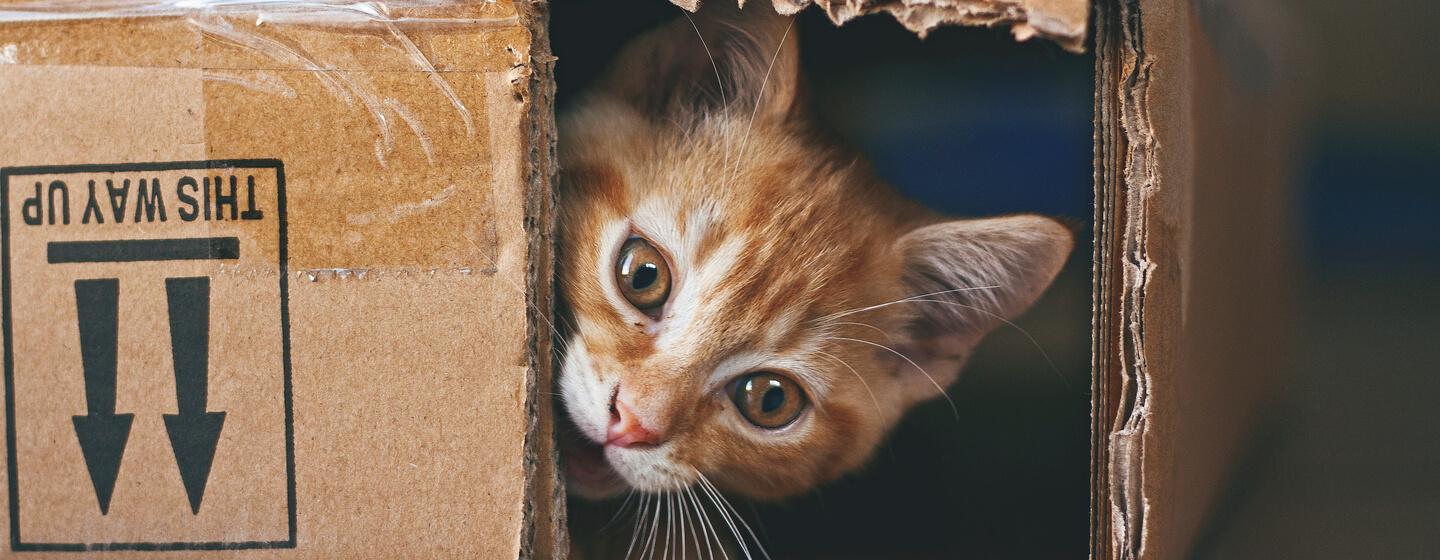
Just because cats are now residents of the indoors it doesn’t mean they’re leaving the hunting days behind to turn into couch-potato cats. Healthy cats are physically and mentally active well into their golden years which is why providing the right type of stimulation to your indoor cat is essential. The small stature and gentle purr of our feline snuggling companions don’t make it obvious, but behind all that cuteness beats a wild heart that would love nothing more than to go hunting, scratching, hiding or climbing. You’re likely to prefer these activities to take place outside and away from the couch, shelves and carpets. But what is an indoor cat to do with all their energy? This is where cat mental stimulation comes in to save the day (and your furniture). There are plenty of ways to keep an indoor cat entertained and their hunting instincts well-exercised. From stimulating cat toys you can buy, to DIY toys you can make out of as little as a paper bag, we’ve put together some of the most effective ways to offer your cat mental stimulation without even leaving the living room. Why is cat mental stimulation important? As a cat owner you, probably know by now, that cats are intelligent creatures. Their active mind thrives on challenges, so much so that if their environment is not providing them with something to focus on, a cat will soon find their own problems to solve. This can include picking a fight with the furniture or even waking you up at night for an impromptu play session. Instead of letting all that pent-up energy turn your kitty into a miniature lion, you can direct it towards fun activities with the help of stimulating toys and games.
Making Dogs Comfortable When Out In The City
1 min read
It's becoming more and more common for dogs to live in urban areas and of course, this presents its own unique challenges. Find out how to make dogs in the city comfortable with our guide. City living is more and more common these days – and not just for people, but for dogs, too. Caring for a dog in the city – whether you live there or are just visiting – presents its own unique challenges. We all love our dogs and want them to be as happy and comfortable as possible when we’re exploring the urban landscape. Read on to find out our tips for making sure you and your pup are feeling in tip-top form when you’re out walking through the city. Start young Every dog owner (especially ones that have trained a puppy) knows that when it comes to getting your pup used to things, it’s best to start as young as possible. If you’re a puppy owner, it’s a logical conclusion that a happy puppy in the city means a happy future dog in the city. Good socialisation is paramount; when you live in an urban environment, it’s especially important to get your puppy used to the unique sounds, smells and sights of the city. Even if you can’t start young, good socialisation is equally important; get out and about with your dog to get them used to the city. Training a dog in the city Training is important for any dog, but if you have a dog in the city, it’s arguably especially so. Any dog who is regularly out and about in the city should know at least a few key commands. We recommend familiarising your pup with the following: • Sit: A classic, it’s a great command for any dog in the city to master. If you want your dog to be able to wait quietly for you, or travel safely on public transport, it’s good to teach them how to ‘sit’. • Wait: Following on from ‘sit’, ‘wait’ is a key command for your pup to learn. With more road traffic and foot traffic in the city, it’s especially important for your dog to know how to ‘wait’. This way, you can halt them if they look to be in any danger of wandering into harm’s way. • Leave: If you have a dog in the city, you never know what they could find on the pavement. City streets have the unfortunate tendency to collect litter, food remnants, and the like. ‘Leave’ is the star command here – if you have it well-practiced, and your dog picks up anything that looks unsafe, it’s easy to tell them to drop it. Be sure to give them a well-deserved treat to tell them how good they’ve been! • ‘Curbing’: This term means encouraging your dog to do their ‘business’ on the curb of the pavement, rather than in the middle, where people tend to be walking. To do this, when you see your pup sniffing for a place to go, gently lead them towards the curb. If you’ve worked on encouraging them to pee or poop with a particular word, say this as you do so. After a while, they should get the idea!
Unity2_D03S17A_OFFICE-KITTEN_BCAM-18878_FINAL
Make Your Home Cat-Friendly in 10 Easy Steps
4 mins read
From trailing leads to irresistible, but dangerous food scraps, there is so much to be mindful of when welcoming a new cat. Find out how to make your home safe for your pet. Playful, curious and extremely mischievous, cats won’t wait long before taking over your entire house and everything that’s in it. So, before you welcome your little ball of fur, make sure you’ve got the basics covered by cat-proofing your entire home. From dangling cords to abandoned shopping bags and the beauty products on your nightstand, here is the list of unsuspecting items that can cause serious trouble in the company of a feline. Kitten and cat-proofing your home With so many things to consider, cat-proofing your home requires a solid plan. Here is what to keep in mind for a friendly and safe space: 1. Windows and doors When you first bring your new cat or kitten home, keep all windows and doors closed until they’re fully settled in, have had all their vaccinations and have been neutered.
Lungworm in Cats – Symptoms and Treatment
1 min read
If your cat is suffering from coughing fits and lack of energy, lungworms might be the culprit. Find out more about symptoms and treatment. Lungworms in cats can pose a series of dangers for your little ball of fur. These parasites travel the distance, hopping from host to host looking for perfect places to burrow into and every once in a while an unlucky cat becomes a stop on their route. Although less common than intestinal worms, lungworms are not to be ignored. Here are a few useful things to know about lungworm in cats and how you can help your cat get back to a clean bill of health. What is lungworm? Lungworms are parasites infecting other organisms and use their nutrients to stay alive and produce eggs at the expense of their host. If you are more familiar with the classic lungworms in dogs, these are not known to affect cats. In fact, cats have a different type of lungworm to contend with. There are two types of lungworm in cats: the Aelurostrongylus abstrusus (feline lungworm) and Capillaria aerophilus (bronchial capillarid that affects cats and dogs) and they can both cause lung damage. How do cats get lungworm? The more your cat is a keen outdoor explorer, the higher chance there is for lungworms to get attached to your feline companion. The little parasites usually have to travel through an entire food chain before reaching your cat’s system. Cats become infected with lungworm when they drink water or eat prey infected with the larval stage of the worm. The larvae migrate out of the intestines via the bloodstream to the lungs, where they develop into adult worms and lay eggs in the host’s lungs within 40 days. The eggs are then coughed up by the cat or passed in faeces, which may then be eaten by birds, rodents and/or snails.
Lockdown Coping Mechanisms for You and Your Dog
1 min read
When we’re looking for coping mechanisms, we have to remember the basics; exactly what we do for our dogs; water, regular meal times, exercise, enrichment, rest… and kindness. This month, we’re taking a practical approach to building resilience with the help of our dogs. You’re living with someone that’s no stranger to having restrictions placed on their day-to-day activities. You know that we’re really just living our dogs’ life, don’t you?! For those of us with no choice but to stay at home, we’re limited as to what we can eat, our exercise routine has been determined by someone else and our freedom of choice has been taken away; for our safety. When we’re looking for coping mechanisms, we have to remember the basics; exactly what we do for our dogs; water, regular meal times, exercise, enrichment, rest… and kindness. In these challenging times, our dogs are an incredible source of companionship and comfort, but it’s not their responsibility to make us feel better. We owe it to them, and to ourselves, to take positive action so that we can both benefit from the time we have together. Your dog is about to become your greatest teacher, if you let them. Create a daily routine It might sound boring, but we have to create a daily routine and stick to it. We’re all navigating a new reality that we didn’t ask for and we weren’t prepared for. With that comes a wave of change and uncertainty, two things we’re not designed to cope with. For many of us, the fear and uncertainty can open old wounds and trigger responses that we believed were long buried. We feel like we’re spiralling out of control and that in itself can be terrifying. That’s a perfectly normal response, so your only job is to go easy on yourself, exactly as you would for your dog if they were frightened or anxious. When you brought your dog home, whether as a pup or through rescue, they were in unchartered waters. They were navigating a new reality and I have no doubt that you did your absolute best to show them that you could be trusted, that they were safe and you started the way you meant to go on. Do the same for yourself, show yourself the same level of care and understanding.
Kitten Socialisation: Teach Your Cat the Basic Life Skills
1 min read
There are so many things to learn for a new kitten making their first steps into the world. Discovering it all by themselves can be a little bit scary, but luckily you can do a lot to help them learn the ropes of their new life. These are the basics of kitten socialisation. The world is such a big place for a kitten just starting to figure out where exactly they fit in it. A kitten’s early life is noisy, busy and full of new experiences. There are humans everywhere, other kittens roaming around, older cats, objects big and small, plus all sorts of startling strange sounds and smells. Deciphering what they all mean will take a little while which is what the period known as kitten socialisation is for. All of this can be overwhelming when you get a new kitten, as they arrive in your house and everything is new to them. Find out how to turn your shy ball of fur into a confident and happy adult cat and help your kitten learn life’s first lessons quickly. What is kitten socialisation? Kitten socialisation is the period of time early on in a cat’s life when they start to learn what is safe in their environment by getting familiar with different experiences, people, pets and even sounds. Exposure to new things from the beginning is crucial for cat socialisation, but make sure not to overwhelm the small bundle of joy with more information than they can handle. When should you teach kitten socialisation? Although the exact timeline for kitten socialisation is still being debated among specialists, the first 8-10 weeks are usually considered crucial for the process of socialisation. Kittens are like a sponge for new information, especially in their early days, which means there will never be a better time to show your kitten the ropes of life in general, and family time in particular. It is very possible that by the time you get to meet your new kitten the socialisation period has long passed. In this case it’s at the breeder’s house or at a rescue centre where they will have learned (or not) the first things about people and what role they play in a cat’s life. But this doesn’t mean cats have learned all they need to know about the world around them. It’s important to check with the breeder to see if there is anything in particular you need to focus on. After all, if your new kitten can’t help but duck for cover every time the alarm clock goes off, you want to know about it early on so you can continue the kitten socialisation job at home. Although the first weeks are essential, don’t forget that your kitten is likely to deal with new things long after their first birthday. Cat socialisation doesn’t stop after the 10-week marker, especially when the time comes to move into your home. Top tips on how to socialise your kitten Chances are that the first time you’ll welcome the new kitten into your home, you’ll notice they’re stepping into their new life somewhat reluctantly. They might be a bit shy or even look frightened by all the attention they’re getting. Your first instinct will be to lift the ball of fur and comfort them, but this might actually make matters worse as it can add to their panic. Here are some useful tips for socialising your kitten with the least amount of distress for everyone involved. Keep everyone calm Once they’re rested and are confident in their room, then it’s time to meet their new human family. This is obviously a very exciting moment, but do try to keep everyone calm. Before introducing a new kitten to the home, everyone should sit still on the floor and agree on one rule - only touch the kitten if the kitten comes to you. No grabbing There mustn’t be any grabbing or arguing between the kids, or it will frighten your pet. If the kitten tries to hide, coax them out with a toy or a treat to encourage them to be sociable, but never grab or force them.
Kidney Problems in Cats: Causes and Treatments
1 min read
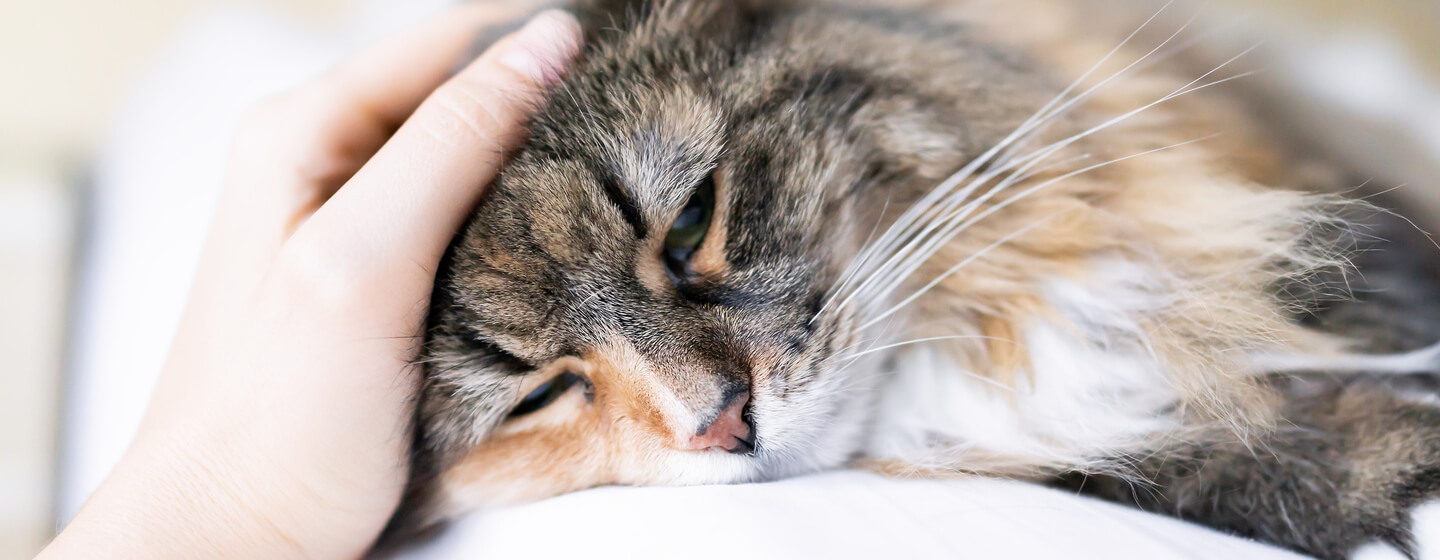
Cat's kidneys play several important roles in keeping your pet healthy including removing toxins, maintaining their blood pressure and helping to produce hormones for new red blood cells. With so much to do, it’s perhaps not surprising that as cats get older, it’s quite common for their kidneys to wear out after working so hard. There are a number of causes for kidney failure, from cat kidney diseases to tumours, and these problems can be acute or chronic. Acute kidney failure in cats If your cat has acute kidney failure, it means that their kidneys are suddenly unable to function properly – this can be due to causes such as infection, or because your cat’s eaten something dangerous to them, such as antifreeze. Acute kidney damage in cats can either be permanent or reversible, depending on what the cause is. Chronic kidney failure in cats Chronic kidney failure in cats is more gradual, and usually develops over several months or even years. There are a number of reasons for chronic kidney failure in cats including infections and tumours, and unfortunately by the time it’s diagnosed the kidney damage is sometimes irreversible. In the early stages of kidney disease in cats, the healthy areas of the kidney compensate for any damage by increasing their already busy workload. However, as the disease progresses, the healthy areas start to shrink and eventually there simply aren’t enough remaining healthy areas for the kidneys to be able to perform as they should. By this stage, your cat will be showing signs of kidney failure (see below for more information). Chronic kidney failure in cats is a progressive illness that your vet will need to keep an eye on, but it can usually be managed with a combination of medical treatments and a special diet. Signs of kidney disease in cats Large amounts of very dilute urine and increased thirst As your cat's kidneys become less able to concentrate their urine, they will urinate more and drink more to replace the lost fluids.
Kidney Failure in Dogs
1 min read
Kidneys are very busy organs that have lots of responsibilities to keep your dog healthy, from removing toxins to maintaining their blood pressure and helping to create new red blood cells. With so many jobs to do, it can be a scary time if you think your dog’s kidneys are failing, find out the common symptoms and possible treatment options for kidney failure in dogs with this guide. Kidney disease in dogs can affect any breed at any stage in their life and sadly, there’s no way of predicting which will develop it and which won’t. Although there’s nothing you can do to actually prevent your four-legged friend from developing kidney failure in dogs, feeding them a good quality diet throughout their life, and providing them with a constant supply of fresh, clean water will help support their kidneys and, if they do develop kidney failure, it could help to slow down its progress. We’ve created this guide to tell you the most common causes of dog kidney disease and failure to give you all the information you need. Acute kidney failure in dogs If your dog has acute kidney failure it means that their kidneys have suddenly stopped working properly. This can be caused by something such as an illness or infection, or because they’ve eaten something they shouldn’t, like antifreeze. Acute kidney failure in dogs may be able to be treated and reversed but could also be permanent, depending on what has caused it. Chronic kidney failure in dogs Chronic kidney failure is more gradual and can take months or even years to develop. It can be caused by a number of things including infections and tumours and unfortunately, by the time it’s diagnosed, it’s sometimes too late to reverse. In the early stages of disease, the healthy areas of the kidney take on the extra work that the damaged areas can’t do, meaning that healthy parts work even harder than usual. As the disease progresses, and the unhealthy areas start to outnumber the healthy, the workload simply becomes too much and your dog will show signs of kidney failure. Chronic kidney failure in dogs is a progressive illness that your vet will need to keep an eye on, but it can usually be managed with a combination of medical treatments and a special diet. Signs of kidney failure in dogs There are a number of possible signs of kidney failure in dogs and each dog is different so there’s no guarantee that they’ll experience the illness in the same way, however, the most common symptoms are as follows: • Urinating more often – urine will usually be very diluted • Increased drinking to replace lost fluids • Nausea and vomiting due to build-up of toxins • Retching or going off their food • Tiredness and lethargy • Weight loss • Pale gums • Mouth ulcers • Fragile, weak bones Be careful about trying to diagnose kidney disease yourself, as the signs of kidney disease in dogs can also be a symptom of other illnesses. The sooner you see your vet for a proper diagnosis, the better. Although there’s no cure for kidney disease, early treatment will help to relieve the discomfort caused by the symptoms and support your pet’s kidneys. Diagnosing kidney disease in dogs When diagnosing kidney disease in dogs, your vet will start by testing a sample of pee to see if your dog’s urine is being concentrated, whether protein is being lost in their urine and if they have any other problems, like an underlying infection. They might also take a blood test to check for specific kidney function, to get an idea of your dog’s overall health and to see if the build-up of toxins has affected any of their other organs. Monitoring the condition Your vet may ask you to collect a sample of your dog’s urine as a part of monitoring their condition. The best time to collect your dog’s urine sample is first thing in the morning, ideally in mid-flow. How you physically collect their pee will depend on whether you have a male or female dog but plastic lunchboxes or soup ladles can come in handy! Your vet will probably provide you with a sterile container to store your sample in or you can use a container such as a clean jam jar (any residue can affect the results, so do make sure the container is very clean). The fresher the sample, the more accurate the tests will be, so try not to delay in getting the sample to your vet. Dog kidney failure treatment Depending on how severe the symptoms are, dog kidney failure treatment usually consists of a combination of medical and dietary interventions. Medication As kidney failure in dogs can impact so many different bodily functions and cause them to develop conditions such as high blood pressure or anaemia, your vet might recommend specific medications to help treat each symptom. Supplements may also be suggested to replace lost vitamins and help to improve some secondary effects caused by the disease. It’s important to remember to only give supplements and medications at the recommendation of your vet. Diets for dogs with kidney failure

Pagination

  • First page
  • Previous page
  • …
  • Page 7
  • Page 8
  • Page 9
  • Page 10
  • Page 11
  • Page 12
  • Page 13
  • Page 14
  • Page 15
  • …
  • Next page
  • Last page
Purina Pet Club logo

Join Purina Pet Club for expert tips, helpful advice, exclusive offers and rewards.

Join the Club
Nourishing pets Purina pets grid card
Purina Pet Club logo

Join Purina Pet Club for expert tips, helpful advice, exclusive offers and rewards.

Join the Club
Nourishing pets Purina pets grid card
  • Cat
    • Care & Advice
    • Find a Pet
    • Food
    • Our Brands
  • Dog
    • Care & Advice
    • Find a Pet
    • Food
    • Our Brands
  • About Us
    • Our Mission
    • Our History
    • Our Purina Promise
    • Purina In The Community
  • Other
    • Join Purina Pet Club
    • Breed Selector
    • Contact Us
  • Cat
    • Care & Advice
    • Find a Pet
    • Food
    • Our Brands
  • Dog
    • Care & Advice
    • Find a Pet
    • Food
    • Our Brands
  • About Us
    • Our Mission
    • Our History
    • Our Purina Promise
    • Purina In The Community
  • Other
    • Join Purina Pet Club
    • Breed Selector
    • Contact Us
  • Cat
    • Care & Advice
    • Find a Pet
    • Food
    • Our Brands
  • Dog
    • Care & Advice
    • Find a Pet
    • Food
    • Our Brands
  • About Us
    • Our Mission
    • Our History
    • Our Purina Promise
    • Purina In The Community
  • Other
    • Join Purina Pet Club
    • Breed Selector
    • Contact Us
  • Cat
    • Care & Advice
    • Find a Pet
    • Food
    • Our Brands
  • Dog
    • Care & Advice
    • Find a Pet
    • Food
    • Our Brands
  • About Us
    • Our Mission
    • Our History
    • Our Purina Promise
    • Purina In The Community
  • Other
    • Join Purina Pet Club
    • Breed Selector
    • Contact Us
© 2026 Purina. All Rights Reserved.

©Reg. Trademark of Nestlé S.A.

Terms & Conditions
Privacy Policy
Cookies
© 2026 Purina. All Rights Reserved.

©Reg. Trademark of Nestlé S.A.

Terms & Conditions
Privacy Policy
Cookies
© 2026 Purina. All Rights Reserved.