Sorry, you need to enable JavaScript to visit this website.
Skip to main content
Why Does My Dog Stare at Me?
1 min read
It may seem random and slightly unnerving, but the dog stare is actually a well-established form of communication in the canine world. Find out why dogs keep staring at us. Has your dog been keeping an eye on you? If you’re wondering “why does my dog stare at me”, you’re not alone. Dogs stare at us quite a lot, prompting many owners to try and decipher what the mysterious gaze could be about. While we might not be able to know what exactly is going through a dog’s mind, there are a few cues that can help us solve the riddle of their intense stare. From the loving gaze to the icy glare, dogs use eye contact as a form of communication. So, if you have unexpectedly met your pet’s intense gaze from across the room and you’re looking for explanations, here are a few possible reasons why dogs keep staring at us. 1. They love us Just as we humans gaze into the eyes of people we adore, dogs have “borrowed” the same sign of affection to communicate with their owners. New research shows that mutual gazing between us and our pets releases the same hormonal response present during mother and infant bonding between humans. If you discover your dog looking at you with longing eyes and no apparent reason, it just might be a sign that they love you. However, don’t be tempted to force your dog into a loving stare by holding their head. Dogs might interpret it as a threat and react accordingly.
Why Does My Cat Stare at Me?
1 min read
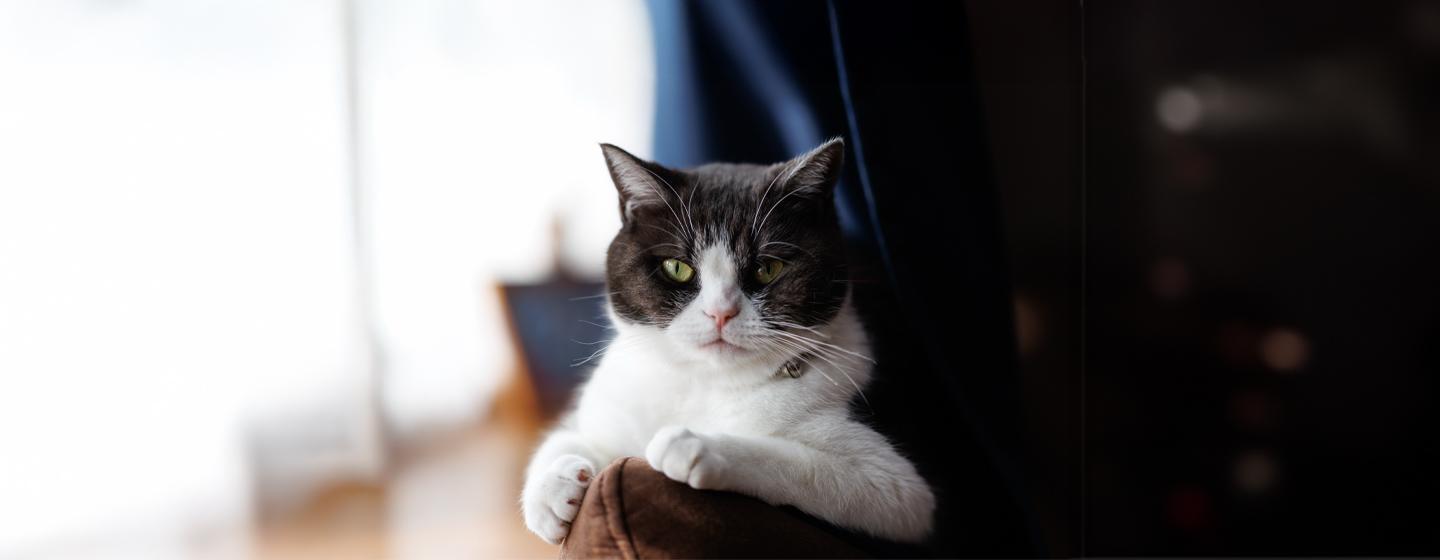
Cats are very curious creatures and if you have one in your home, you’ve probably become accustomed to them staring at you from time to time. If your kitty does this you’ll likely be wondering, “why does my cat stare at me?” Find out why with this article. If you have the honour of sharing your home with a feline, you’re probably no stranger to that “I’m being watched” feeling. Whether you’re making dinner, sitting on the sofa or just waking up in the morning, it’s common that you’ll find your kitty looking at you with their big, round eyes – but what is the reasoning for it? Is it just pure curiosity on their part? Or is it something more? We’ve put together this guide to tell you the possible reasons why your cat stares at you, keep reading to unlock the secrets of your pet’s behaviour. Why does my cat stare at me? There are actually a number of reasons why your cat may sit and stare at you. The top 3 most common ones are: 1. It’s feeding time The first and most obvious reason why your cat is staring at you is that they may be trying to convince you to feed them. If you find it’s around the time they’re usually tucking in and they’re staring at you with demanding eyes, it’s likely that they’re trying to use their best mind tricks to convince you to top up their food bowl. For added effect, they may also pair this stare with squeaks and meows to really get your attention! 2. Cats are curious creatures Cats are incredibly curious by nature and they always want to know what’s going on. It could be just that they’re observing you to see if you’re going to do anything interesting.
Why does my cat lick me?
1 min read
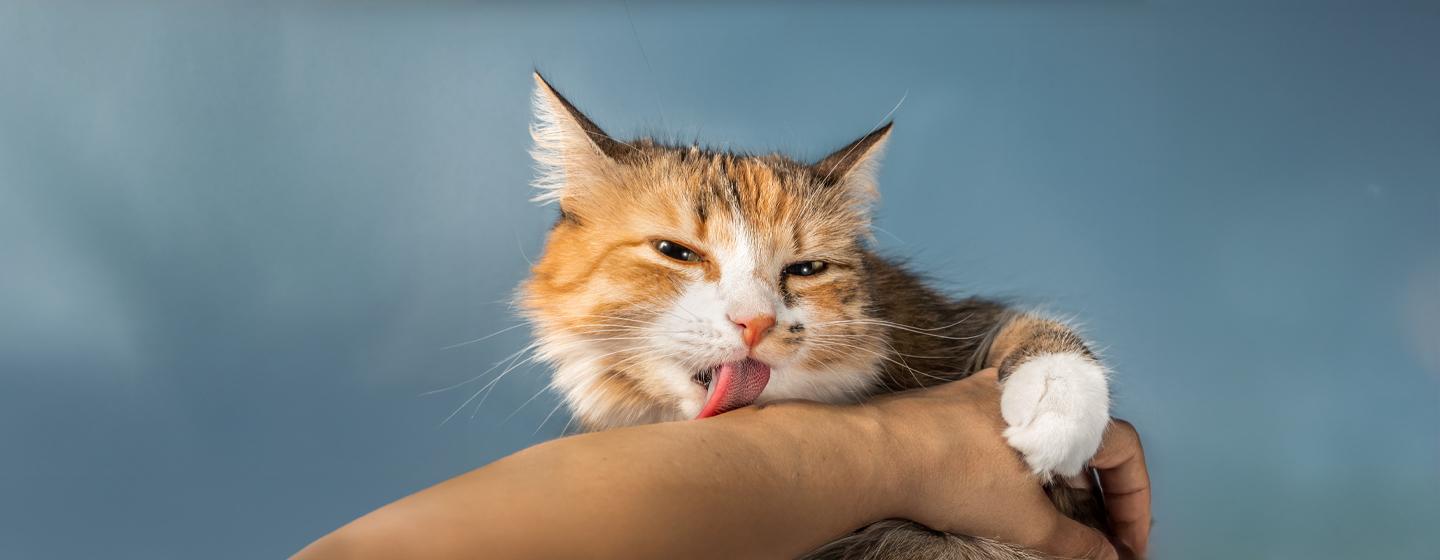
Have you ever asked ‘why does my cat lick me’? It’s a common question many cat owners have. The truth is there are a number of different reasons why your cat licks you – and many of them are to do with affection! Possible reasons why your cat licks you One reason your cat may lick you is because it’s a way of creating a social bond. From a young age, a cat’s mother would not only lick them as a way of grooming them, but also to show affection. Cats then replicate this behaviour with you as a way of showing their affection – it simply comes naturally. This licking behaviour is not just exclusive between pet and owner. Cats often lick other cats and even other animals to show their affection. Do keep an eye out, however, when your cat begins to lick other cats or other animals, as not all cats or animals like to be licked. In some cases some other cats or animals may retaliate or become anxious when a cat tries to lick them. Another reason your cat may lick you is because they are stressed or anxious. It is very common for cats and other animals to begin to lick things excessively if they are stressed. This can include licking you; if you think this may be the case it might be best to pay a visit to your local vet. If you think something has caused your cat to be stressed, try to identify the source of their worry in case you can remove it. Cats like to mark their territory so other cats and animals know what is theirs. If a cat sees you as theirs, they may begin to lick you to mark you as part of their territory. This is to let other cats know who you belong to. Whilst this type of behaviour is completely normal it could lead to problems in the house if you have more than one cat or pet, so watch out for territorial behaviour. Why it sometimes hurts when a cat licks you It can sometimes hurt when a cat licks you, especially if your cat does this excessively and in the same place. This is because of special back-facing barbs on your cat’s tongue called ‘papillae’. These barbs are made from the same material as your cat’s claws, which explains why their tongue feels like sandpaper. These barbs are important when your cat grooms themselves. The barbs help to remove dirt and debris from a cat’s coat. If the barbs weren’t sharp they would not be able to pick up this dirt and a cat would not be able to keep himself or herself as clean.
Why Do Dogs Wear Cones?
1 min read
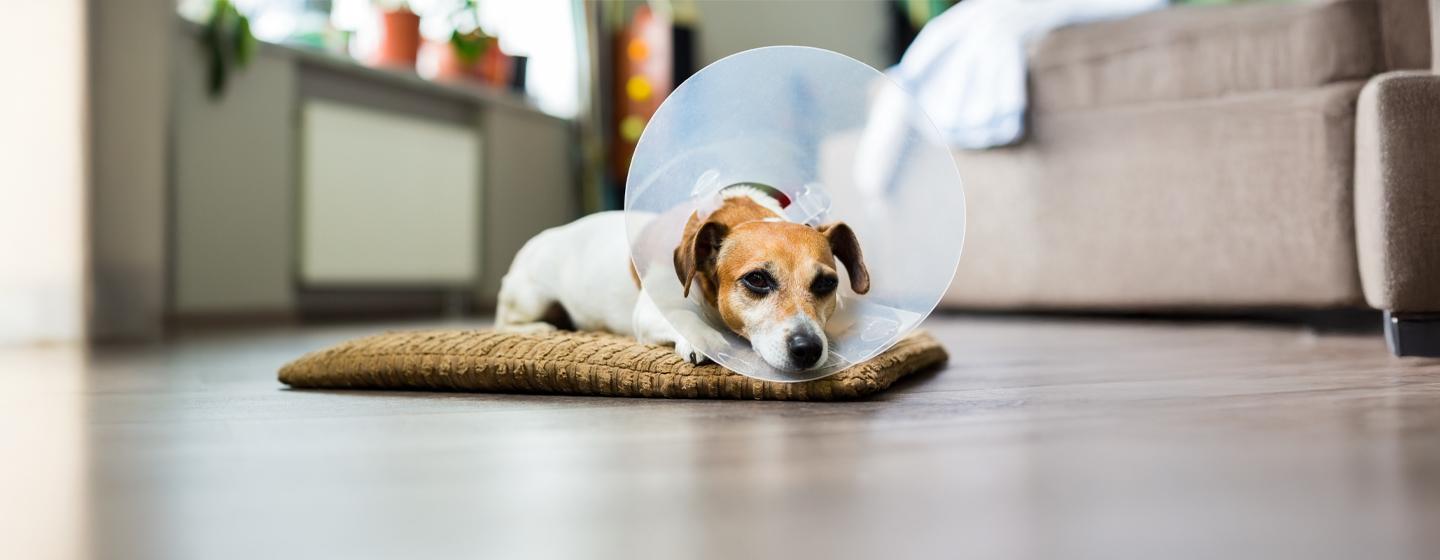
Most dogs have to wear one of those big, plastic cones at some point in their lives, but why do they actually need to wear them? Read our guide to find out why they're important for your dog and discover the best alternatives currently available. It’s likely that your dog will have to wear a cone at some point in their life, whether it’s after they’ve been neutered or spayed or due to an injury. No dog enjoys wearing the hard plastic collar that resembles a lampshade and you may have even heard it referred to as ‘the cone of shame’. The proper name for a dog cone is the Elizabethan collar, named due to its similarity to the high collars worn in Elizabethan times. But why do dogs wear cones? Keep reading to find out why it’s imperative that they wear one and the dog cone alternatives available on the market. Why do dogs wear cones? Dog cones are designed to stop your dog from licking or scratching a wound, surgical incision or any other irritation.
Why do dogs wag their tails?
1 min read
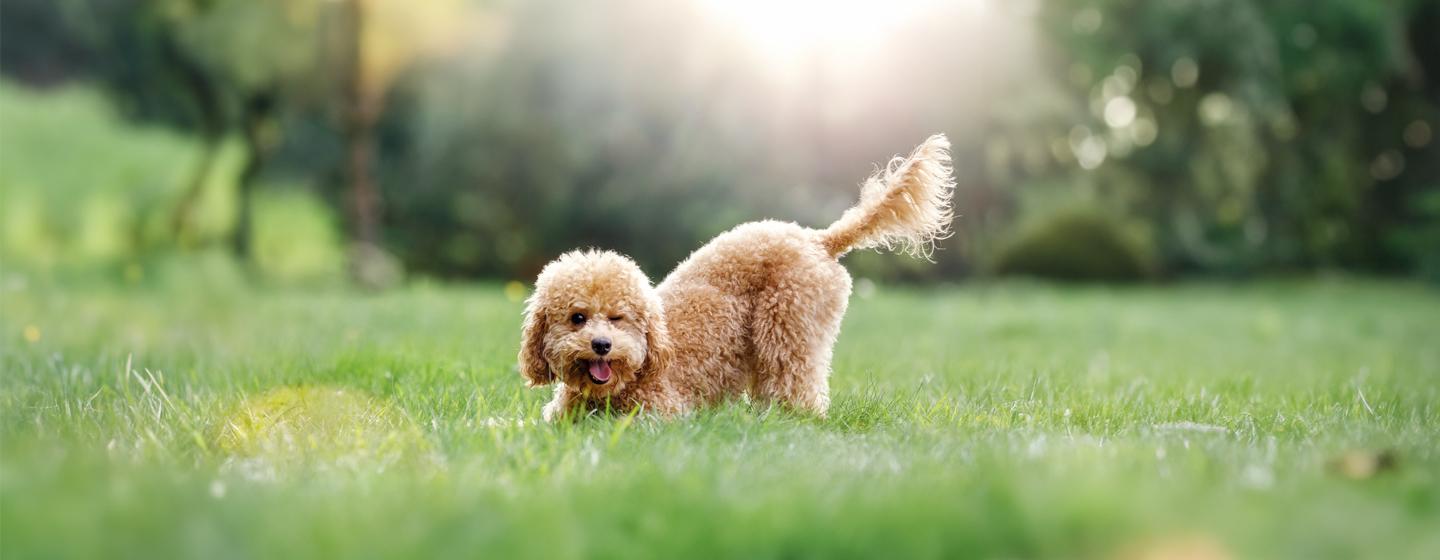
Most people think that dogs only wag their tails when they're happy, but is that the truth? Read our article to find out everything you need to know about your dog's most invaluable communication tool and what all the different dog tail signs mean. Your dog’s tail is an invaluable communication tool. Whether it’s long, short, curly or straight, dog tails serve to provide an indicator of how they’re feeling. It’s a common belief that a wagging tail means a happy dog, but this isn’t always the case. Dogs use their entire body to communicate so it often requires you to take a look at the rest of their body language and the situation they’re in to understand how they’re really feeling. We’ve created this handy guide to tell you why dogs wag their tails and what all the different wags can mean. Why do dogs wag their tails? Tail wagging is an instinctive behaviour that develops between 3 and 4 weeks of age depending on your dog’s breed, and is one of the primary communication methods to both other dogs and people. While it’s commonly thought that dogs wag their tail to show they are happy, it can be for other reasons as well such as nervousness and excitement. Dog tail signs and positions - what do they mean? To decipher what it means when your dog wags their tail, you’ll have to take a step back and look at the position of their tail as well as the speed of the wag itself. Keep reading to discover more about why do dogs wag their tails and the various dog tail signs. Natural position, no wag This position indicates relaxation in your dog. The natural tail positions for most dogs will be hanging down near their heels, but this will depend on your dog’s breed. Those with curly tails such as Samoyeds will have them curled over their back in the natural position. Erect, wagging tail You may think that an erect, wagging tail tells you that your dog is happy, but this is actually a behaviour usually displayed in excited dogs, meaning that their behaviour may be unpredictable. It could be that they’ve seen a squirrel or a new visitor has arrived at the house – anything that gets them excited can be the reason behind why do dogs wag their tails. Backwards and gentle wagging This dog tail sign says that they’re curious and maybe a little unsure of a situation. You may see this if they’re looking at a strange object or creature that they’ve never seen before. Tail between legs If your dog has their tail between their legs or tucked, this indicates that they may need a little space as they could be feeling nervous or scared. If they’re displaying small, throbbing wags or twitches at the same time it may suggest that they’re contemplating a fight or flight response.
Why Do Dogs Sneeze?
1 min read
Dogs sneezing can be a common occurrence, but sometimes you may notice your dog sneezing during unusual times or more than usual. In this article, we investigate the causes of sneezing in dogs and what it could mean for your dog. A dog sneezing is common, normal and really cute to watch! But why do dogs sneeze and what does it mean? When it comes to sneezing in dogs, it doesn’t mean that your dog has a cold, like sneezing usually means in humans. In fact, dogs sneeze for a large number of reasons. It can be due to something minor like a reaction to dust, or more serious. Or it might be a “play sneeze” – more on that later. It all depends on how often your dog is sneezing and what colour the discharge is. In most instances, your dog is sneezing in response to an irritant in the upper airway of the dog’s nose. The dog then sneezes to expel the irritant, much like humans do! There can be many other reasons why your dog is sneezing though, so we’ve made this guide so you can find out why do dogs sneeze? Why do dogs sneeze? There are loads of reasons why your dog is sneezing. It could be an irritant in their nose like dust, household products, perfume or even pollen. Sneezing in dogs can also be due to something stuck in their nose, such as dirt from digging! If your dog is sneezing a lot, it may be a reaction to something in the atmosphere. Be careful when spraying items around your pet as it may irritate their nose. Hunting dogs and those that snuffle in the undergrowth can also get lots of unusual things stuck up their nose like fragments of twigs and leaves. If your dog likes to wander nose-first through the undergrowth, be sure to be on the lookout for this. Usually sneezing helps the dog to expel the item on its own, but if their nose is bleeding or they keep pawing at their nose and sneezing, consult your vet as they may need to remove the object.
Why Do Dogs Shake?
1 min read
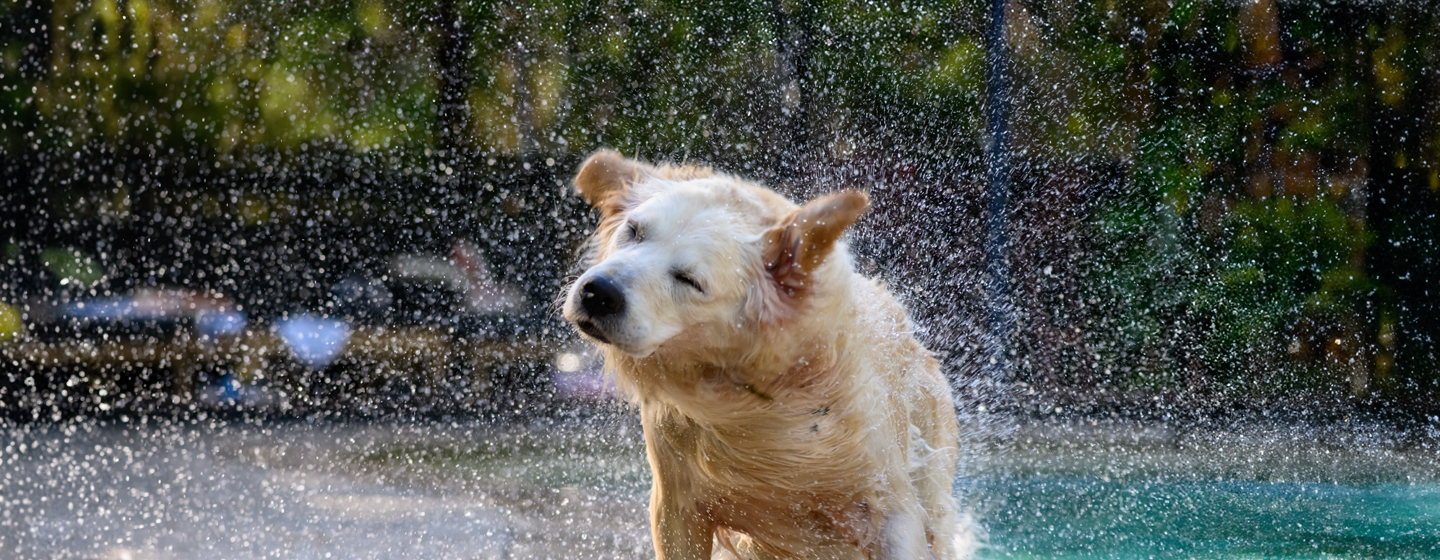
We all notice our dogs shaking when they get wet, but did you know that there are numerous other reasons why your dog might shake? Discover the reasons behind dog trembling and shaking with our guide. Dogs seem to be masters at knowing how we’re feeling. They can tell if we’re happy or sad by a simple change in the tone of our voice or an adjustment of our body language. However, we often find it hard to interpret how dogs are feeling and we can feel at a loss as to how we can help them. One thing in particular that’s difficult to decipher is when your dog trembles or shakes. Dog trembling can be due to numerous factors, including everything from excitement to something more serious such as sickness. We’ve put together this handy guide to help you discover why do dogs shake and tremble, and why it seems more common in smaller breeds like Chihuahuas. Why do dogs shake? Dogs trembling and shaking isn’t uncommon and there are lots of reasons, for example if they’re excited or trying to dry themselves. Often, you need to look at the context to figure out exactly why your dog is shaking.
Why Do Dogs Scoot?
1 min read
Dog scooting is often considered a sign of rambunctious behaviour, but there are cases when it should prompt a call to the vet. Find out more about the unusual behaviour and what you can do to make sure it doesn’t happen again. What is dog scooting? Dog scooting is a behaviour you may have already noticed in your pet. It happens when they sit down and start dragging their bottom across the ground, whether it’s the kitchen floor, the grass in the park or their old favourite – the living room carpet. And although it can be a cause for a good chuckle, an embarrassing moment or just plain annoying, dog scooting should also prompt pet owners to wonder if there is an underlying condition that needs to be addressed. Why do dogs scoot? Here are some of the most common reasons why dogs start dragging their bum on the ground. Intestinal parasites Dog scooting can also be a sign that worms are involved. Intestinal parasites such as roundworms or tapeworms are common in dogs. Puppies can get infected with roundworms from their mother’s milk, while fleas can be the carrier for tapeworms larvae. Here is a list of the different types of worms in dogs and how the vet can help you get rid of them. Anal gland issues Scooting can be caused by anal glands that are full. If this is the case, your dog’s ground gyrations might be an attempt to alleviate some of the painful pressure.
Why do dogs pant?
1 min read
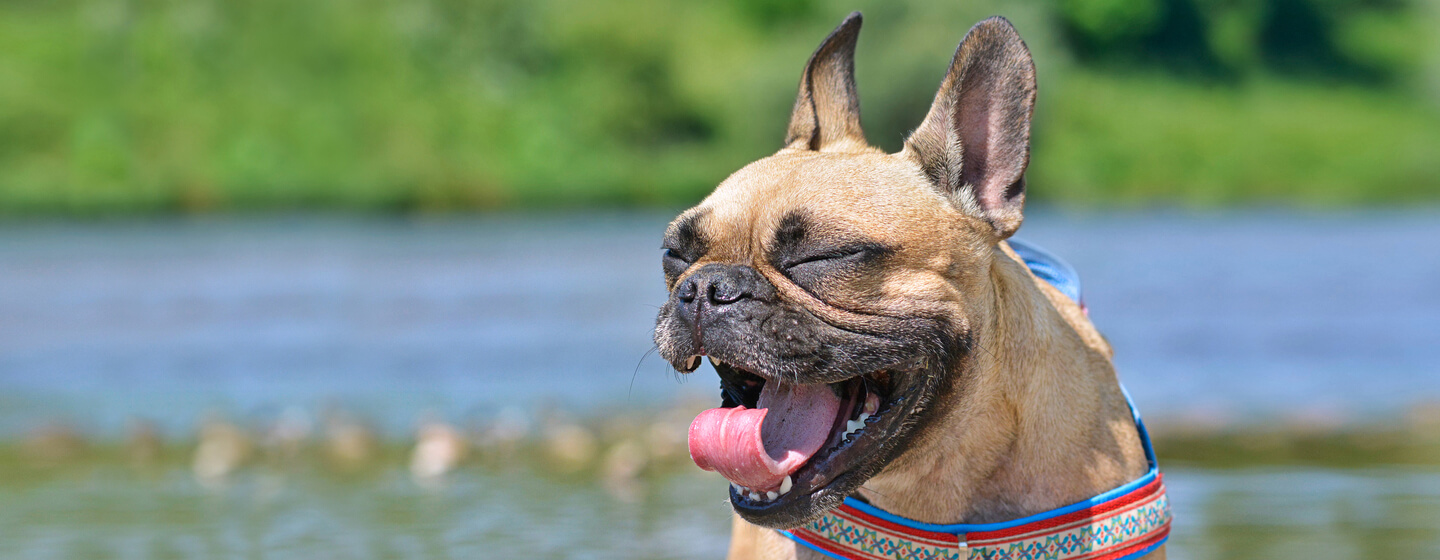
Our dogs pant all the time, especially after a good walk or a fun play session. However, when your dog's panting is paired with additional symptoms, it can be a sign of something more serious. Find out what you should be on the look out for with our guide. Dog panting is a very common behaviour, often seen when your dog is cooling down on a hot day or after an exciting play session. Characterised as rapid, shallow breathing, usually coupled with a big lolling tongue, this behaviour is generally normal and nothing to worry about. However, there are some occasions when dog panting can indicate something more serious. You may be wondering about the various reasons behind why dogs pant, so we’ve created this article about panting in dogs and the top reasons why your four-legged friend may do this. Why do dogs pant? When dogs pant, it usually means they are too hot and are trying to cool down. But there are other reasons why your dog may pant, which is why it’s always important to look at the overall situation and what the rest of your dog’s body language is telling you. Some of the most common reasons why dog’s pant are as follows: Dogs pant to cool down Unlike us, dogs can’t sweat through their skin to cool down because of their thick fur. While they can sweat a little through their paw pads, the amount this is able to cool them down is limited. By panting, they quickly exchange hot air from their lungs with cool external air, which speeds the evaporation of water from their tongue, inside their mouth and upper respiratory tract. As this water evaporates it helps to regulate their body temperature, thus cooling them down effectively. They’re feeling anxious or stressed Dogs may also pant when they’re feeling stressed or anxious. Termed ‘behavioural panting’ this type can usually be seen with some of the following symptoms alongside it: repetitive yawning, pacing, whining, licking lips, shaking or hiding. You may see this type of dog panting if your dog’s scared of fireworks, when they’re on car journeys or during visits to the vet. Brachycephalic obstructive airway syndrome If you have a brachycephalic dog breed with a flat face and shortened or squashed nose, such as a French Bulldog, Pug or Boxer, then your dog panting a lot may be due to ‘brachycephalic obstructive airway syndrome’ (BOAS). Because of their anatomy, these dogs suffer from ongoing breathing difficulties as a result of a narrowed upper respiratory tract. Additionally, they don’t pant as efficiently as other dogs because their faces are flat, making them much more at risk of heatstroke or overheating as they can’t cool themselves down quickly. My dog is panting a lot – what does it mean? If your dog’s panting a lot and they’re not warm and don’t need to cool their body down, it could indicate a larger problem. Additionally, if their pants sound louder or harsher or they appear to be exerting more effort than usual, you should seek veterinary attention immediately as it could be a sign of one of the following problems:
Why Do Dogs Lick Things?
1 min read
Is your dog always rewarding you with slobbery kisses for no apparent reason? Find out why dogs like to lick things. Does your dog offer slobbery wet kisses left and right? Whether you are delighted, annoyed or slightly worried, you surely have the same burning question on your mind: why do dogs lick everything in sight? Why do dogs lick? There are lots of reasons why a dog licks you – it could be to show you affection or get your attention. It can also be a sign of stress and anxiety. Dog licking might seem simple but it is such a complex behaviour with so many different meanings. And if you’re worried that your dog is licking you (or themselves) too much, it’s worth consulting a vet to see if there is an underlying condition.

Pagination

  • First page
  • Previous page
  • Page 1
  • Page 2
  • Page 3
  • Page 4
  • Page 5
  • Page 6
  • Page 7
  • Page 8
  • Page 9
  • …
  • Next page
  • Last page
Purina Pet Club logo

Join Purina Pet Club for expert tips, helpful advice, exclusive offers and rewards.

Join the Club
Nourishing pets Purina pets grid card
Purina Pet Club logo

Join Purina Pet Club for expert tips, helpful advice, exclusive offers and rewards.

Join the Club
Nourishing pets Purina pets grid card
  • Cat
    • Care & Advice
    • Find a Pet
    • Food
    • Our Brands
  • Dog
    • Care & Advice
    • Find a Pet
    • Food
    • Our Brands
  • About Us
    • Our Mission
    • Our History
    • Our Purina Promise
    • Purina In The Community
  • Other
    • Join Purina Pet Club
    • Breed Selector
    • Contact Us
  • Cat
    • Care & Advice
    • Find a Pet
    • Food
    • Our Brands
  • Dog
    • Care & Advice
    • Find a Pet
    • Food
    • Our Brands
  • About Us
    • Our Mission
    • Our History
    • Our Purina Promise
    • Purina In The Community
  • Other
    • Join Purina Pet Club
    • Breed Selector
    • Contact Us
  • Cat
    • Care & Advice
    • Find a Pet
    • Food
    • Our Brands
  • Dog
    • Care & Advice
    • Find a Pet
    • Food
    • Our Brands
  • About Us
    • Our Mission
    • Our History
    • Our Purina Promise
    • Purina In The Community
  • Other
    • Join Purina Pet Club
    • Breed Selector
    • Contact Us
  • Cat
    • Care & Advice
    • Find a Pet
    • Food
    • Our Brands
  • Dog
    • Care & Advice
    • Find a Pet
    • Food
    • Our Brands
  • About Us
    • Our Mission
    • Our History
    • Our Purina Promise
    • Purina In The Community
  • Other
    • Join Purina Pet Club
    • Breed Selector
    • Contact Us
© 2026 Purina. All Rights Reserved.

©Reg. Trademark of Nestlé S.A.

Terms & Conditions
Privacy Policy
Cookies
© 2026 Purina. All Rights Reserved.

©Reg. Trademark of Nestlé S.A.

Terms & Conditions
Privacy Policy
Cookies
© 2026 Purina. All Rights Reserved.