Machine Name
cat

Persian Long Hair

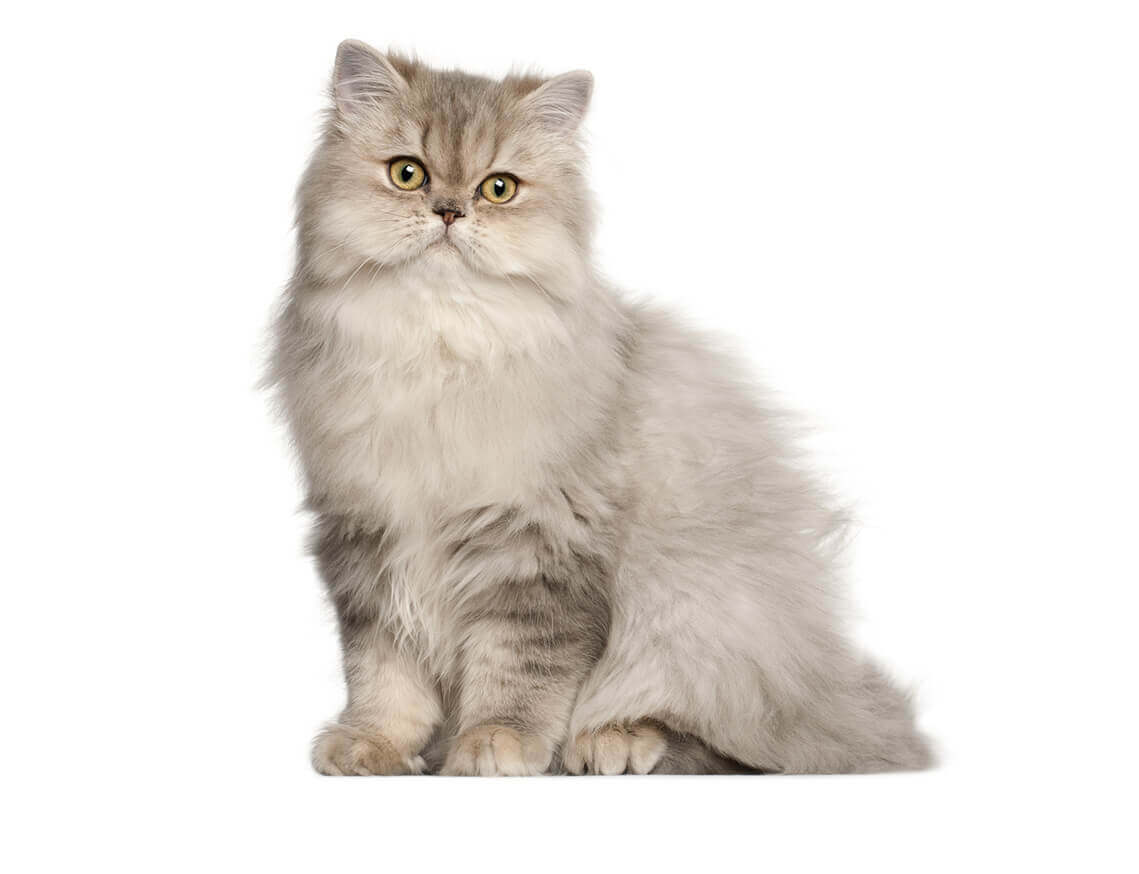
The Persian Longhair cat is a medium-sized stocky breed with a massive head in proportion to its body. The head is round and broad with small wide-set ears and a short open face. The eyes are large and round with brilliant colour. The legs are short, thick and strong with large round paws and tufted toes. The tail is short and bushy. The coat is long, thick, and luxuriant with a dense, soft undercoat. The Persian comes in a wide variety of patterns and colours.


The need-to-know


  • Calm cat
  • Friendly but independent cat
  • Quiet cat
  • Average build cat breed
  • Requires grooming every day
  • Non hypoallergenic breed
  • Needs some out-door space
  • Great family cat
Personality

Persian Longhair cats are calm and affectionate. They are gentle and are not as active as some shorthair breeds. Generally speaking they do not mind living on their own and are quite content to be an only cat. They are quite content to sit quietly and look pretty.


History and Origins

Country of Origin: Turkey and Persia


The first documented ancestors of the Persian cat were imported in the 17th century from Persia into Italy, and from Angora (now Ankara), Turkey into France. The Persian cats were grey coated while those from Angora were white. Descendants of these longhaired cats eventually reached Britain in the 19th century. These early Persian cats were quite different from the cats that win shows today: their faces were longer, their ears larger and they had a rangier shape. Over the years, selective breeding has produced the stocky body and flat-faced appearance that is familiar today. The coat is not just long; it has a very thick undercoat which requires a huge commitment in terms of owner grooming – the cat cannot keep this matt-free on its own.


Nutrition and Feeding

Every cat is unique and each has their own particular likes, dislikes, and needs when it comes to food. However, cats are carnivores and every cat must obtain 41 different and specific nutrients from their food. The proportion of these nutrients will vary depending on age, lifestyle, and overall health. So it's not surprising that a growing, energetic kitten needs a different balance of nutrients in her diet than a less active senior cat. Other considerations to bear in mind are feeding the right quantity of food to maintain 'ideal body condition' in accordance with feeding guidelines and catering to individual preference regarding wet or dry food recipes.

Other Information

Health and common issues


While the Persian Longhair cat may be expected to live for about ten to twelve years, it is a breed that is recognised as having a number of health problems. Because the head shape has been shortened and the face flattened, there can be jaw deformities which can lead to dental disease and potential problems with eating and drinking. Small nostrils and a soft palate which is too long can also lead to severe breathing problems. The tear ducts may not follow their natural path and so the eyes run and wet the face constantly – this can lead to skin rashes and sores on the face. The flat nature of face also increases the chances of eye disease. Persians can carry a gene that leads to kidney failure (called autosomal dominant polycystic kidney disease) through the development of cysts in the kidney. This condition was found in more than a third of all Persian and Exotic shorthaired cats in the 1990s when screening tests became available. Using screening, breeders are now working to try to eradicate the problem – always ask the breeder to show the PKD certificates for the cats used to produce your kitten. Persian cats may also have an increased incidence of hypertrophic cardiomyopathy (thickening of the walls of the heart). Like other longhaired cats, Persians are the most likely to develop fungal skin infections, such as ringworm.


Best cat breeds for children


While this breed is not widely recognised as one of the best breeds for children, all cats are different and with the proper familiarisation may still be able to live with children.
 

Oriental Short Hair

Oriental cats are medium in size but feel heavier than they look. The body is similar to a Siamese; long, slim, long whip-like tail with long, slender legs. The head is a triangular wedge-shape, straight in profile, with large wide-set ears. The Oriental cat's coat is very short and close lying. The texture is fine and glossy. Oriental Shorthair cats come in a huge variety of colours and patterns.


The need-to-know


  • Highly active and inquisitive cat
  • Sociable and dependent cat
  • Very talkative cat
  • Lean and elegant cat breed
  • Requires grooming once a week
  • Non hypoallergenic breed
  • Needs some out-door space
  • May require familiarisation before living with children
Personality

Like the Siamese, the Oriental cat breed is an intelligent, curious cat that makes its presence known. They love to talk to their human companions and expect a reply. They want to be part of the family and enjoy playing games like fetch with a ball of scrunched up paper. Oriental cats like to be kept amused and do not like to be left alone, so if you are out at work all day, getting another Oriental cat is probably a good idea.


History and Origins

Country of Origin: USA/Britain


The Oriental cat is really a Siamese with a different colour coat and green eyes (except in the case of the Foreign White which has blue eyes). The shape and temperament are exactly the same as the Siamese. The Oriental cat breed was created by crossing Siamese cats with other breeds to produce different colours. Black 'Siamese' had been in existence for a long time, but it wasn't until the 1950s that serious efforts were made to breed different colours and the black form is known as the Black Oriental cat. The next Oriental cat breed to be developed was the Havana, a chocolate colour 'Siamese' (not to be confused with the Havana Brown which is a separate American breed). Selective breeding has since produced many more colours and coat patterns.


Nutrition and Feeding

Every cat is unique and each has their own particular likes, dislikes, and needs when it comes to food. However, cats are carnivores and every cat must obtain 41 different and specific nutrients from their food. The proportion of these nutrients will vary depending on age, lifestyle, and overall health. So it's not surprising that a growing, energetic kitten needs a different balance of nutrients in her diet than a less active senior cat. Other considerations to bear in mind are feeding the right quantity of food to maintain 'ideal body condition' in accordance with feeding guidelines and catering to individual preference regarding wet or dry food recipes.

Other Information

Health and common issues


Oriental cats can live well into their teens. Although most Oriental Longhair cats live long and healthy lives, there are a number of disorders that seem to be associated with the Oriental cat family - those similar to the Siamese as they are closely related.


Best cat breeds for children


While this breed is not widely recognised as one of the best breeds for children, all cats are different and with the proper familiarisation may still be able to live with children.
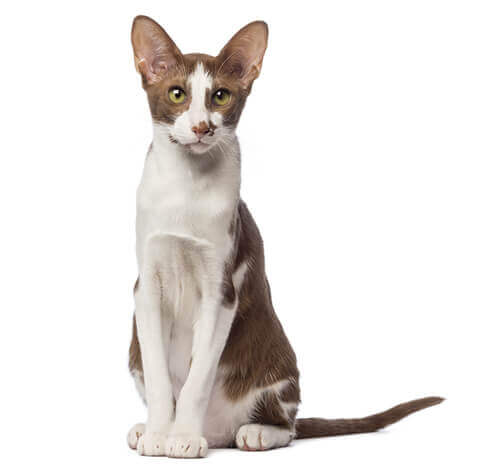
 

Oriental Long Hair

Oriental Longhair cats feature a long, lithe, and elegant, Siamese-style body with a triangular wedge-shaped head and ears. The coat is long and silky, but unlike the Persian cat, there is no woolly undercoat and the coat lies flat against the body and so is officially classified as a semi-longhair. The tail forms a magnificent plume. The range of possible coat colours includes everything from solid colours to smokes, tipped or tabby types. All Oriental Longhair cats have almond-shaped green eyes, except for the whites, which may have green or blue eyes, or be odd-eyed (two different coloured eyes).


The need-to-know


  • Highly active and inquisitive cat
  • Sociable and dependent cat
  • Very talkative cat
  • Lean and elegant cat breed
  • Requires grooming every day
  • Non hypoallergenic breed
  • Outdoor cat
  • May require familiarisation before living with children
Personality

Like all cats of Oriental type, these cats are lively and companionable. This breed is 'into everything' and always wants to know what's going on. Oriental Longhair cats are very talkative cats that can become bored easily and need plenty of attention for fun and games. These cats crave company, which is something to consider if you are out for most of the day – getting two litter mates may give them some company.


History and Origins

Country of Origin: England


Other Names: : Foreign Longhair, Angora, Madarin, British Angora


Oriental Longhair cats were originally imported from Ankara in Turkey in the 19th century and were the first longhaired cats to be brought to Western Europe. The breed disappeared when the more fully coated Persian arrived in the early 1900s. The modern Oriental Longhair cat has been genetically recreated by breeders in the UK through crosses with Abyssinian cats (for longhair gene) and Siamese cats (for body type). A few of the original cats were taken to the USA where they were bred and are now classified as Turkish Angoras. The Oriental Longhair cat breed was formerly known as the British Angora before being renamed in 2002 by British cat fancies in avoid confusion with the Turkish Angora cat breed. In Europe, a solid coloured Oriental Longhair cat is known as a Javanese.


Nutrition and Feeding

Every cat is unique and each has their own particular likes, dislikes, and needs when it comes to food. However, cats are carnivores and every cat must obtain 41 different and specific nutrients from their food. The proportion of these nutrients will vary depending on age, lifestyle, and overall health. So it's not surprising that a growing, energetic kitten needs a different balance of nutrients in her diet than a less active senior cat. Other considerations to bear in mind are feeding the right quantity of food to maintain 'ideal body condition' in accordance with feeding guidelines and catering to individual preference regarding wet or dry food recipes.

Other Information

Health and common issues


Although most Oriental Longhair cats live long and healthy lives, there are a number of disorders that seem to be associated with the Oriental family - those similar to the Siamese cat breed as they are closely related.


Best cat breeds for children


While this breed is not widely recognised as one of the best breeds for children, all cats are different and with the proper familiarisation may still be able to live with children.
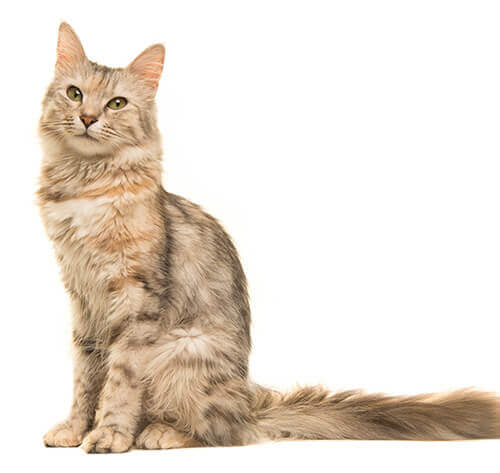
 

Ocicat

The Ocicat is a medium to large cat with a well-spotted coat. The chest is deep and broad and the legs are powerful and well-muscled. The head is wedged-shaped with a 'squareness' to the jaw. The large, wide-set, tufted ears help give it a wild look. The Ocicat's coat is short and sleek with a satin texture. The spots are well scattered in a distinctive pattern on the sides of the body, shoulders, and hindquarters, extending down the legs and onto the belly. The forehead displays the distinctive tabby 'M'. The tail shows alternate spots and rings of darker colour ending with a dark tip. The Ocicat comes in many colours.


The need-to-know


  • Highly active and inquisitive cat
  • Sociable and dependent cat
  • Very talkative cat
  • Lean and elegant cat breed
  • Requires grooming once a week
  • Non hypoallergenic breed
  • Outdoor cat
  • May require familiarisation before living with children
Personality

Although the Ocicat has been bred to look like a wild cat, its temperament does not reflect this. The breed is intelligent and playful, curious, and friendly and can be demanding of attention. They prefer like all active cats to have company and are very happy with human companions. But if the humans are out at work all day, having two may help to provide companionship.


History and Origins

Country of Origin: USA


Other Names: : Oci


The Ocicat cat breed is a relatively new breed of cat that resulted from some experimental matings in the 1960s in America. Breeders were trying to produce an Abyssinian pointed Siamese but instead produced a kitten with an amazing coat of gold spots on an ivory background. He looked like the wild Ocelot, hence the name Ocicat. American Shorthairs were introduced into the breeding programme, which brought the lovely silver colours and strong musculature and bone. 


Nutrition and Feeding

Every cat is unique and each has their own particular likes, dislikes, and needs when it comes to food. However, cats are carnivores and every cat must obtain 41 different and specific nutrients from their food. The proportion of these nutrients will vary depending on age, lifestyle, and overall health. So it's not surprising that a growing, energetic kitten needs a different balance of nutrients in her diet than a less active senior cat. Other considerations to bear in mind are feeding the right quantity of food to maintain 'ideal body condition' in accordance with feeding guidelines and catering to individual preference regarding wet or dry food recipes.

Other Information

Health and common issues


There are no inherited disorders reported for the Ocicat breed at present.


Best cat breeds for children


While this breed is not widely recognised as one of the best breeds for children, all cats are different and with the proper familiarisation may still be able to live with children.
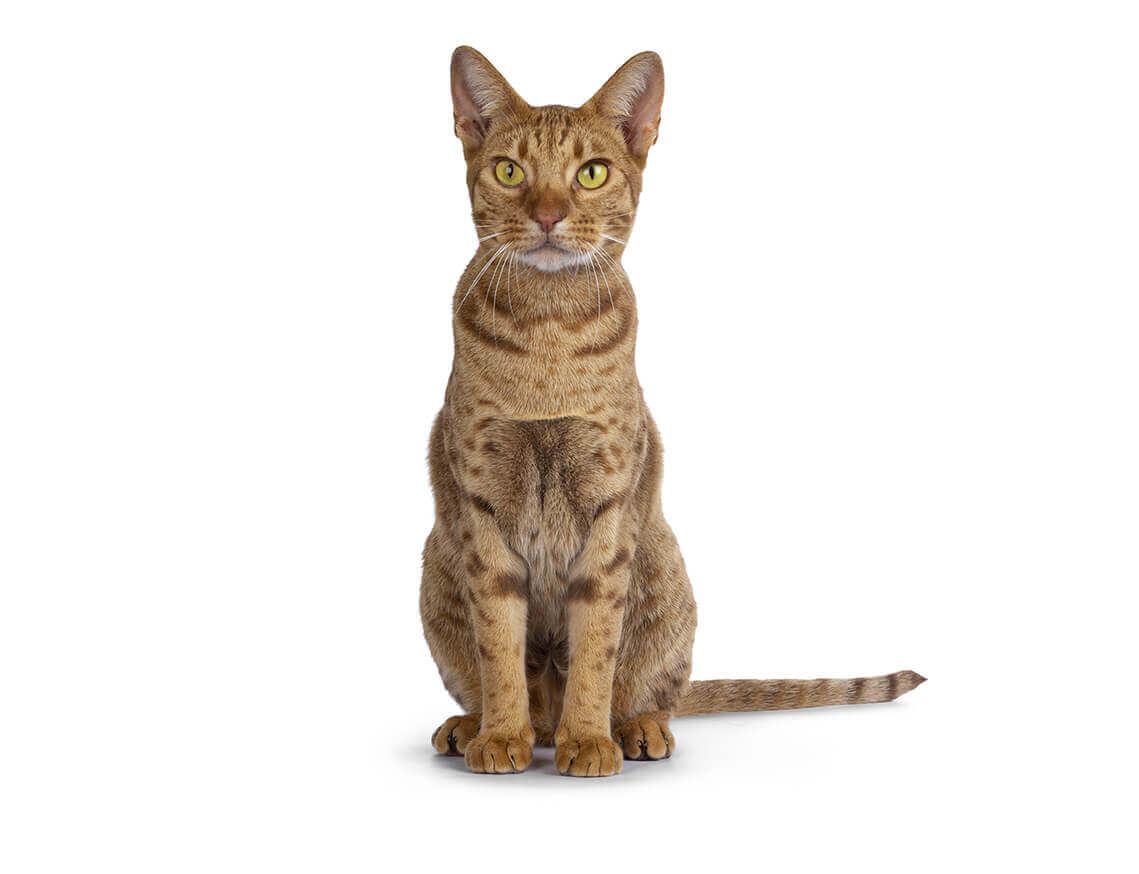
 

Norwegian Forest

The Norwegian Forest cat is larger than the average cat. It is an elegant breed with a semi-longhair coat (it is a little shorter in the summer). The body is long, muscular and strongly built with solid bone structure. It has long legs and a bushy tail. The head is long and triangular with a straight profile and high set ears with a tufted tip. A smooth glossy coat covers the woolly undercoat, which is water-repellent. A cat in full coat has a ruff, shirtfront and knickerbockers and even tufts of hair between the toes. The Norwegian Forest cat may be any colour except chocolate, lilac or Siamese cat pattern and may have any amount of white markings on the paws, chest, belly or face. The eyes may be any colour.


The need-to-know


  • Highly active and inquisitive cat
  • Sociable and dependent cat
  • Quiet cat
  • Larger stockier cat breed
  • Requires grooming every day
  • Non hypoallergenic breed
  • Outdoor cat
  • Great family cat
Personality

Norwegian Forest cats love people and thrive on human company. At times, they can be very demanding of affection. At other times, they appear quite independent. They are used to outdoor life and are well adapted to roam and hunt outside and are said to be excellent climbers. They can be very rewarding companions as they are extremely friendly and playful. The breed is slow in developing and may not be mature until four years of age.


History and Origins

Country of Origin: Scandinavia


The Norwegian Forest cat is a breed believed to originate from the shorthair cats brought by the Vikings from Great Britain and longhair cats brought by the Crusaders to Scandinavia, which then mated with local farm and feral cats. The breed's origin in the cold north of Scandinavia means that it is well adapted to the cold winters and is rugged and hardy. The best adaption to the climate is the double coat that keeps out the wind and snow and dries quickly. The breed was first recognised in Norway in 1930 and first appeared at cat shows in 1938. Norwegian Forest cats were only exported from Norway in the 1970s.


Nutrition and Feeding

Every cat is unique and each has their own particular likes, dislikes, and needs when it comes to food. However, cats are carnivores and every cat must obtain 41 different and specific nutrients from their food. The proportion of these nutrients will vary depending on age, lifestyle, and overall health. So it's not surprising that a growing, energetic kitten needs a different balance of nutrients in her diet than a less active senior cat. Other considerations to bear in mind are feeding the right quantity of food to maintain 'ideal body condition' in accordance with feeding guidelines and catering to individual preference regarding wet or dry food recipes.

Other Information

Health and common issues


The Norwegian Forest cat seems to be a robust breed with no major inherited problems documented.


Best cat breeds for children


While this breed is not widely recognised as one of the best breeds for children, all cats are different and with the proper familiarisation may still be able to live with children.
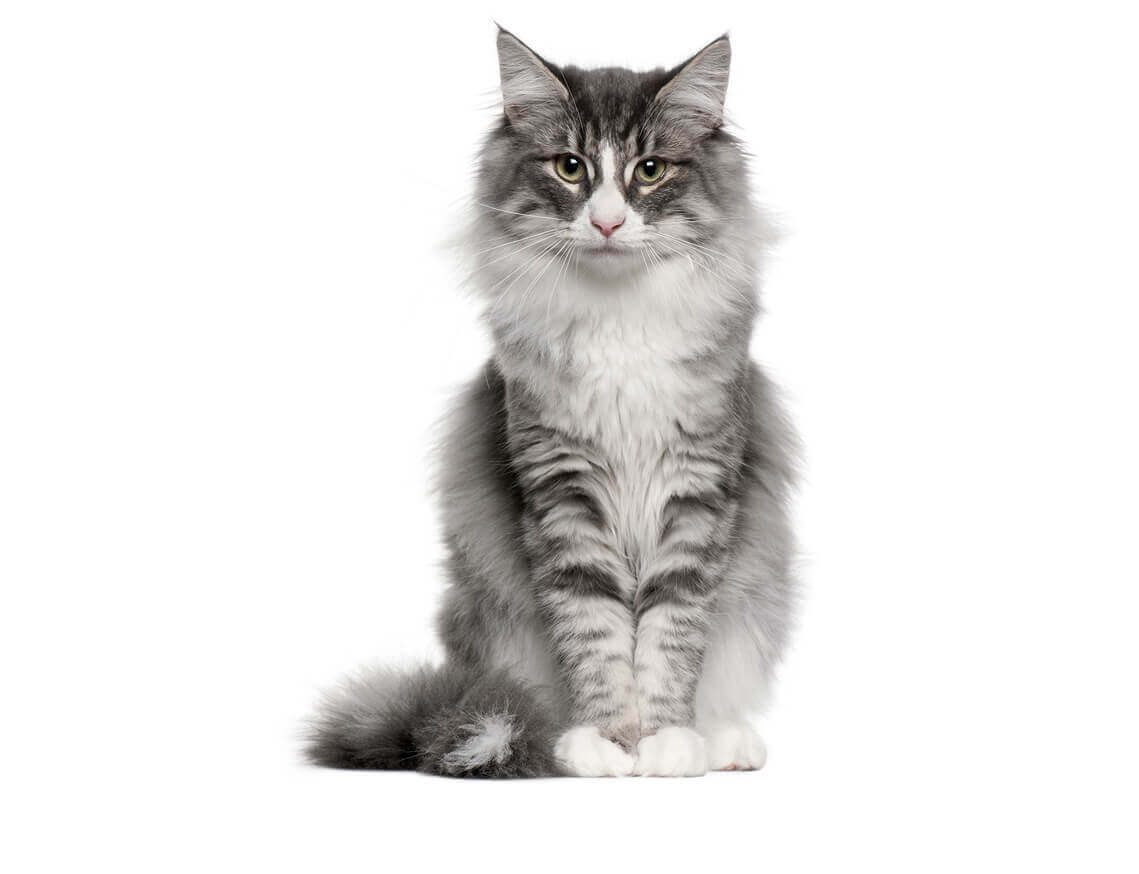
 

Munchkin

The Munchkin cat breed is a medium-sized cat with extremely short legs and a long spine. The Munchkin cats’ movements are described as that of a ferret, so it does not have the feline grace of longer-legged cats. They have a thick body with a well-rounded chest. The breed may have long or short hair. Both varieties have plush, all-weather coats with a silky appearance. The longhair Munchkin has a plumed tail. Munchkin cats can be in any colour or coat pattern and their walnut-shaped eyes can be of any colour.


The need-to-know


  • Playful and curious cat
  • Sociable and dependent cat
  • Quiet cat
  • Average build cat breed
  • Requires grooming once a week
  • Non hypoallergenic breed
  • Indoor cat
  • May require familiarisation before living with children
Personality

Munchkin cats are sweet and outgoing. Their curiosity and playfulness continue well into adulthood. The Munchkin cat breed is sociable and enjoys company. They can be taught to play fetch and to obey voice commands. While Munchkin cats can leap on countertops, many prefer to intelligently find an easier way up. They can also run fast, despite their short legs.


History and Origins

Country of Origin: USASeen as the feline equivalent of the Dachshund, this breed has caused controversy in the cat world. The Munchkin cat mutation was discovered in America in 1983 where it was named after the 'little people' in The Wizard of Oz. Short-legged cats like the Munchkin cat, were reported in England in the 1930s and in Russia in the 1950s but these breeds were not perpetuated.


Nutrition and Feeding

Every cat is unique and each has their own particular likes, dislikes, and needs when it comes to food. However, cats are carnivores and every cat must obtain 41 different and specific nutrients from their food. The proportion of these nutrients will vary depending on age, lifestyle, and overall health. So it's not surprising that a growing, energetic kitten needs a different balance of nutrients in her diet than a less active senior cat. Other considerations to bear in mind are feeding the right quantity of food to maintain 'ideal body condition' in accordance with feeding guidelines and catering to individual preference regarding wet or dry food recipes.

Other Information

Health and common issues


The short leggedness of this breed is a deformity that is linked to bone and spinal problems, so it has not been welcomed by all cat associations. Dog breeds with similar conformation are known to have problems with arthritis and it is feared that some will occur in the Munchkin cat breed. As with all cats, Munchkins need vaccinations, parasite control and annual veterinary health checks.


Best cat breeds for children


While this breed is not widely recognised as one of the best breeds for children, all cats are different and with the proper familiarisation may still be able to live with children.
 

Manx

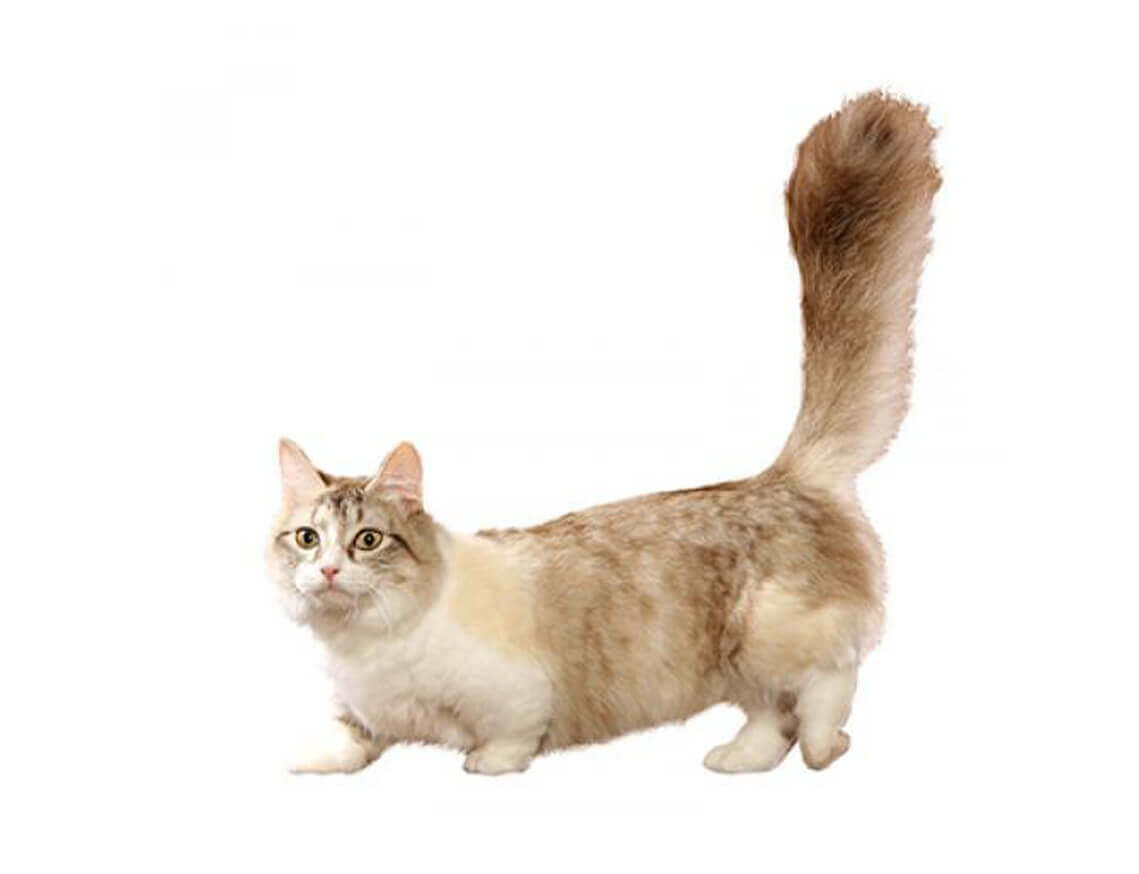
The Manx cat closely resembles the British Shorthair in type with the obvious exception of the tail. The body is compact and solid, with a broad chest and short back. The rump is rounded and should be higher than the shoulders. The legs are short and powerful, with the back legs being slightly longer than the front. In the show cat there must be absolutely no tail and the rump should be completely rounded but stumps of varying lengths are allowed in the breeding or pet cat. The Manx cat's coat has a double quality with a short thick undercoat and a slightly longer overcoat. Any combination of colour and markings is seen with the exception of the Siamese cat breed's pattern.


The need-to-know


  • Playful and curious cat
  • Sociable and dependent cat
  • Somehow talkative cat
  • Average build cat breed
  • Requires grooming once a week
  • Non hypoallergenic breed
  • Needs some out-door space
  • Great family cat
Personality

The Manx cat breed is good-natured and affectionate. They love to cuddle and are very adaptable to family life.


History and Origins

Country of Origin: Britain (Isle of Man)The tail-less Manx cat has been known for hundreds of years in the Isle of Man, and there are various myths surrounding its exact origins. One even claims that Noah closed the door of the Ark too quickly and chopped off the tail. Another says that tail-less cats swam ashore to the Isle of Man from the wrecked galleons of the Spanish Armada in 1588. The lack of tail is undoubtedly the result of a genetic mutation possibly caused by inbreeding among the small population of British Shorthair cats on the island. The true or 'rumpy' Manx cat has only a small hollow where the tail would have been, although cats with residual tails are born. These are called 'stumpies', 'stubbies', or 'longies' depending on the tail’s length. The mutant gene that causes the taillessness may also be responsible for other skeletal deformities.


Nutrition and Feeding

Every cat is unique and each has their own particular likes, dislikes, and needs when it comes to food. However, cats are carnivores and every cat must obtain 41 different and specific nutrients from their food. The proportion of these nutrients will vary depending on age, lifestyle, and overall health. So it's not surprising that a growing, energetic kitten needs a different balance of nutrients in her diet than a less active senior cat. Other considerations to bear in mind are feeding the right quantity of food to maintain 'ideal body condition' in accordance with feeding guidelines and catering to individual preference regarding wet or dry food recipes.

Other Information

Health and common issues


The lack of a tail is a severe genetic defect and the Manx cat's 'deformed' spine may cause problems. If misshaped vertebrae affects the spine, the cat may be prone to arthritis from an early age. In some cats, the anal passage may be narrowed and this can cause bowel blockages. The mutant gene that causes the taillessness may also be responsible for other skeletal deformities. When two completely tail-less 'rumpies' are mated together, the offspring are often born dead or die shortly after birth. The spines of Manx cats almost always show other deformities. Sometimes the vertebrae are shorter than normal and in the lower part of the spine they tend to fuse together and they may be fewer in number.


Best cat breeds for children


While this breed tends to be excellent with kids, each cat has a different personality based on training and life experience. Please consult the adoption organisation, if you are adopting for details on a specific cat’s character.


Maine Coon

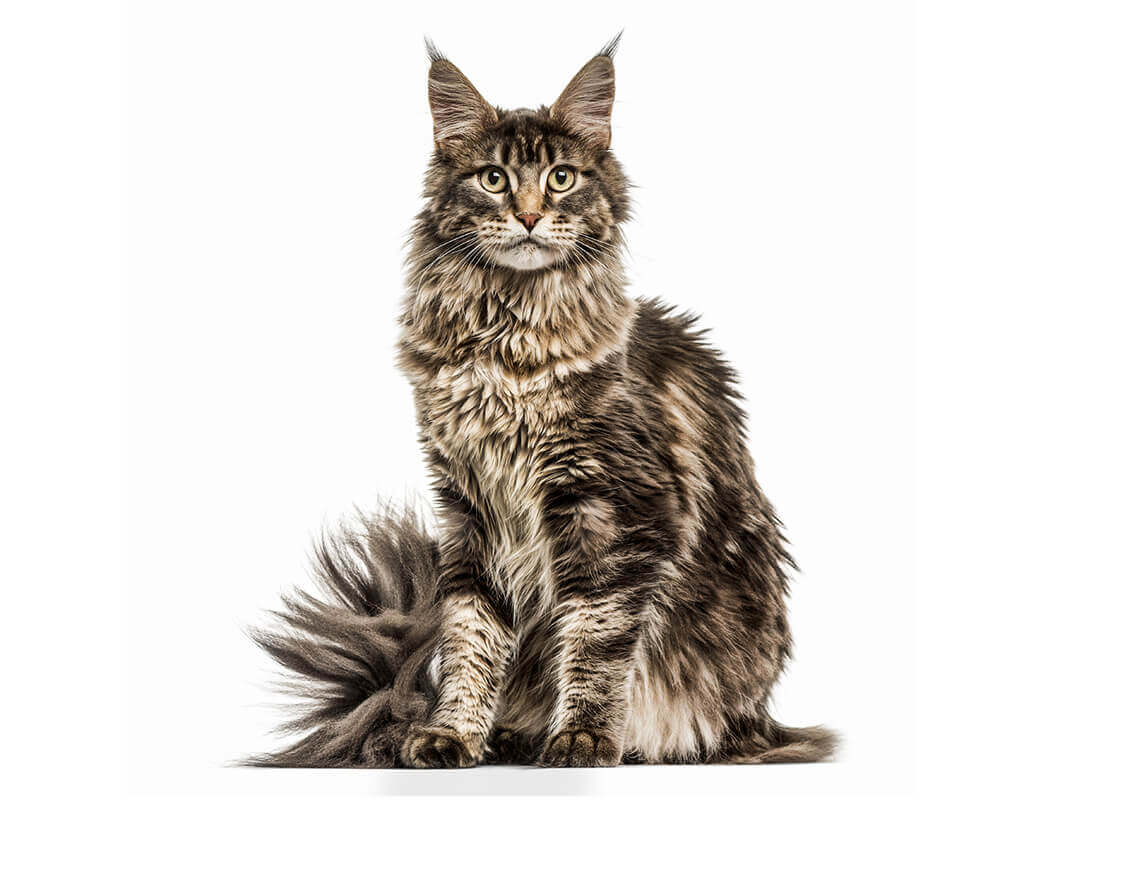
The largest of all the cat breeds, the Maine Coon cat has a powerful muscular body and substantial legs. The head has a squared-off muzzle and large ears held wide and tall. The coat is long and thick and consists of an undercoat covered by a substantial glossy, waterproof top coat. The hair on the head, neck and shoulders is shorter and increases in length down the back, sides, and tail. The hair on the belly and breeches is full and shaggy. There is a ruff, which begins at the base of the ears and is heavier in males than females. The tail hair is long and flowing. The ears have tufted tips. The paws also have tufts forming a snowshoe effect. The Maine Coon cat breed has a variety of 30 or more colours. The eyes maybe green, gold or copper. In white cats it is possible to have blue or odd-eyes.


The need-to-know


  • Highly active and inquisitive cat
  • Sociable and dependent cat
  • Somehow talkative cat
  • Larger stockier cat breed
  • Requires grooming every day
  • Non hypoallergenic breed
  • Outdoor cat
  • Great family cat
Personality

Maine Coon cats have a sweet nature and are very playful and friendly. They enjoy human company and make good pets. Possibly because of their humble origins, they are often found curled up in the strangest of places. They enjoy the outdoor life, and so need a chance to climb and simulate hunting. Maine Coon cats are noted for the delightful, quiet, chirping sound they make.


History and Origins

Country of Origin: USAThe ancestors of the Maine Coon cat were longhaired coats brought into the State of Maine in America by seafarers in the 1850s. These cats mated with the local shorthair cats. The offspring were big, strongly built cats with semi-long coats and brush-like tails that resembled the raccoon’s tail, hence the name Maine Coon. The cats developed thick dense coats to withstand the extreme Maine winters. Special shows were held for Maine Coon in the early 1860s and the breed gained popularity as pets. 


Nutrition and Feeding

Every cat is unique and each has their own particular likes, dislikes, and needs when it comes to food. However, cats are carnivores and every cat must obtain 41 different and specific nutrients from their food. The proportion of these nutrients will vary depending on age, lifestyle, and overall health. So it's not surprising that a growing, energetic kitten needs a different balance of nutrients in her diet than a less active senior cat. Other considerations to bear in mind are feeding the right quantity of food to maintain 'ideal body condition' in accordance with feeding guidelines and catering to individual preference regarding wet or dry food recipes.

Other Information

Health and common issues


The Maine Coon cat breed seem to have a high prevalence of a heart condition called hypertrophic cardiomyopathy. It also has a high prevalence of hip dysplasia. Ask the breeder about both these conditions before you buy.


Best cat breeds for children


While this breed tends to be excellent with kids, each cat has a different personality based on training and life experience. Please consult the adoption organisation, if you are adopting for details on a specific cat’s character.


La Perms

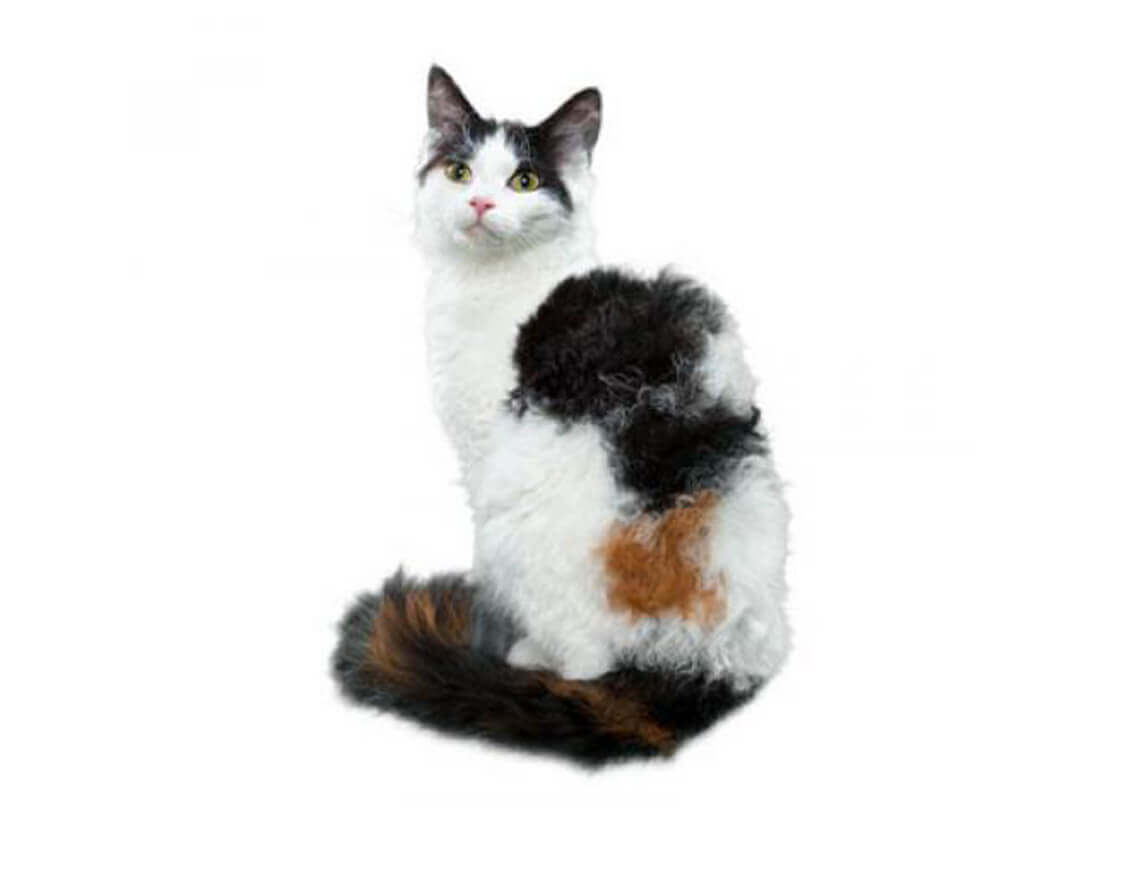
La Perm cats have an elegant look similar to the Siamese, with a wedge-shaped head. The curly coat on both varieties (long and short hair) may vary in length and fullness depending upon the season and maturity of the cat but has no undercoat. The curls range from tight ringlet-type curls to long corkscrew curls. The tightest curls occur on the underside of the cat on the throat and at the base of the ears. The longhair version has a curly plumed tail and the shorter-haired has a 'bottle-brush' type. All types boast a set of long, curly whiskers. The La Perm cat breed may be any colour or pattern. Its eye colours run the gamut of gold through aqua, and also 'odd eyes'.

Personality

La Perms are gentle cats. They love people and seek out human company. They are very affectionate and enjoy being cuddled and readily learn to fetch as well as many other skills. They are inquisitive by nature, always wanting to know what is going on around them. They are generally quiet voiced but may be vocal when required attention.


The need-to-know
 

  • Highly active and inquisitive cat
  • Sociable and dependent cat
  • Quiet cat
  • Average build cat breed
  • Requires grooming every day
  • Non hypoallergenic breed
  • Outdoor cat
  • Great family cat


History and Origins

Country of Origin: USAThe La Perm cat's curly or wavy coat is its most remarkable feature. The originator of this breed was found in a litter of ordinary cats on a farm in Oregon in 1986. A single kitten in the litter of six was born bald. Within eight weeks, the kitten began to grow very soft, curly hair. At three to four months of age, the kitten had a full coat of curly hair found in all La Perms. Unlike other curly coats breeds, such as the Devon Rex cat breed or Cornish Rex cat breed, the La Perm's coat may be short or long. The breed is not common outside America.


Nutrition and Feeding

Every cat is unique and each has their own particular likes, dislikes, and needs when it comes to food. However, cats are carnivores and every cat must obtain 41 different and specific nutrients from their food. The proportion of these nutrients will vary depending on age, lifestyle, and overall health. So it's not surprising that a growing, energetic kitten needs a different balance of nutrients in her diet than a less active senior cat. Other considerations to bear in mind are feeding the right quantity of food to maintain 'ideal body condition' in accordance with feeding guidelines and catering to individual preference regarding wet or dry food recipes.

Other Information

Health and common issues


Inherited ailments have yet to be identified in the breed.


Best cat breeds for children


While this breed is not widely recognised as one of the best breeds for children, all cats are different and with the proper familiarisation may still be able to live with children.
 

Korat

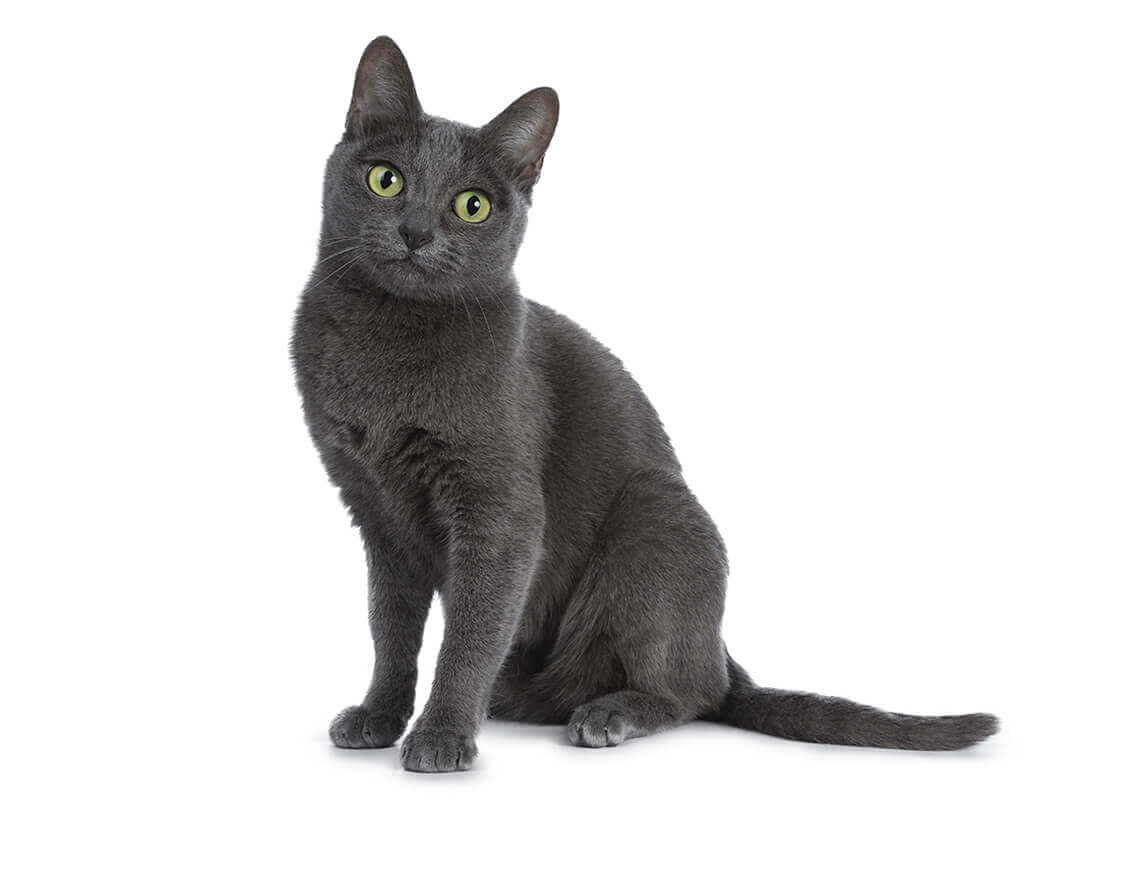
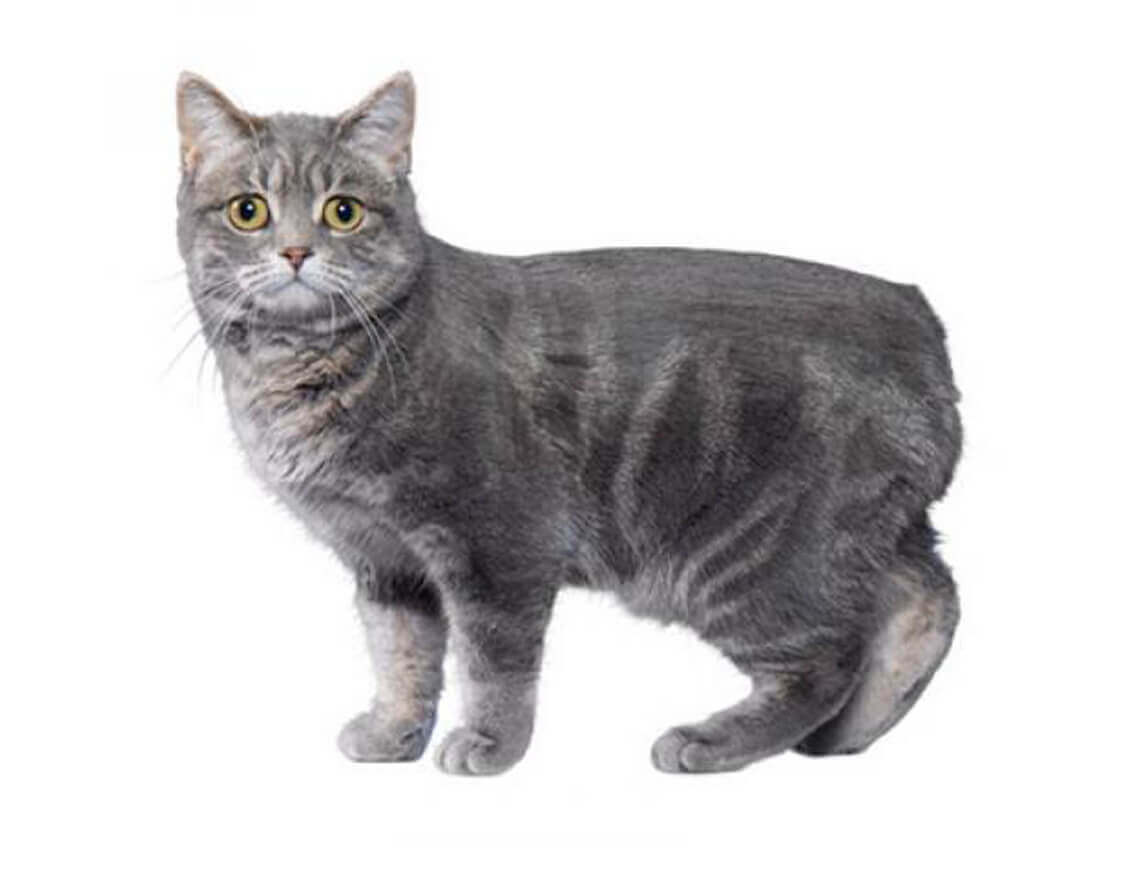
The Korat cat breed's coat is short, glossy, and fine and lies close to its body. It comes in just one colour that is a shade of blue tipped with silver. The nose leather, lips and paw pads are dark blue-grey or lavender. It is similar to the Russian Blue cat in appearance, but has a single rather than a double coat, is more rounded and has peridot green rather than emerald eyes. The head has a characteristic heart shape with large eyes and ears and an alert expression. The body is strong and muscular, neither long like a Siamese cat nor stocky like a British Shorthair cat.


The need-to-know


  • Highly active and inquisitive cat
  • Sociable and dependent cat
  • Somehow talkative cat
  • Average build cat breed
  • Requires grooming once a week
  • Non hypoallergenic breed
  • Needs some out-door space
  • May require familiarisation before living with children
Personality

Korat cats have a quiet, sweet nature but are very intelligent and playful. They make ideal household pets and can be devoted to their human companions.


History and Origins

Country of Origin: Thailand


Other Names: : Si-Sawat


The Korat cat breed is named after a province in Thailand. In Thailand, where the breed is often known as 'Si-Sawat' (meaning good fortune) - a pair of Korat cats were a traditional gift for a bride. A Korat cat may have entered a British cat show in the 19th century as a Blue Siamese cat. They first appeared in America in the 1950s and thereafter arrived in Great Britain in 1972. They are one of the few breeds that are only available in one colour, in this case, silvery blue.


Nutrition and Feeding

Every cat is unique and each has their own particular likes, dislikes, and needs when it comes to food. However, cats are carnivores and every cat must obtain 41 different and specific nutrients from their food. The proportion of these nutrients will vary depending on age, lifestyle, and overall health. So it's not surprising that a growing, energetic kitten needs a different balance of nutrients in her diet than a less active senior cat. Other considerations to bear in mind are feeding the right quantity of food to maintain 'ideal body condition' in accordance with feeding guidelines and catering to individual preference regarding wet or dry food recipes.

Other Information

Health and common issues


The Korat cat is quite a long-lived cat with ages of 18 and 19 not uncommon. Korat cats are known to suffer from gangliosidosis, an inherited enzyme deficiency that affects the nervous system causing paralysis. There is a test for this and owners should check that the breeder's cats have been tested and are free from the problem before buying a kitten.


Best cat breeds for children


While this breed is not widely recognised as one of the best breeds for children, all cats are different and with the proper familiarisation may still be able to live with children.