Machine Name
cat

Snowshoe

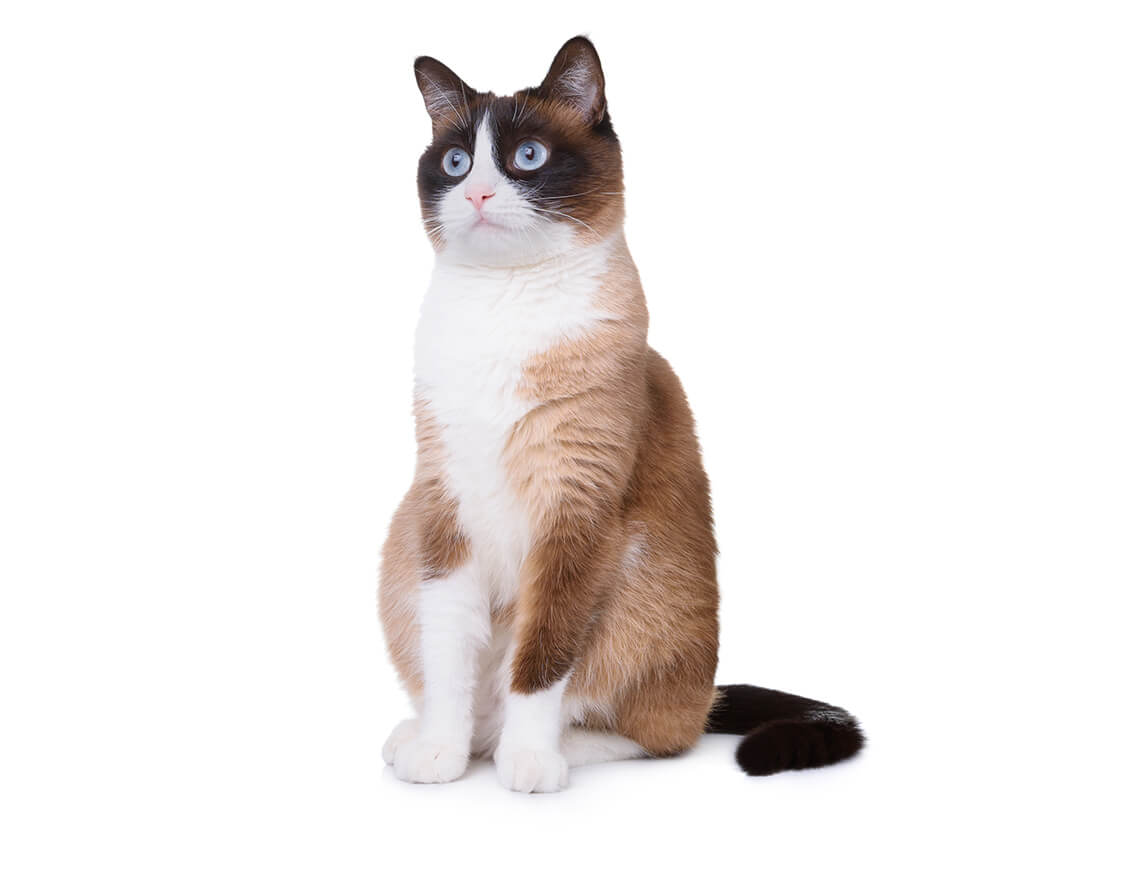
The Snowshoe cat is a medium-sized breed and combines the solid heftiness of the American Shorthair with the lithe elegance of the Siamese. The head is a rounded triangle, the eyes are large and slanting and their large, pointed ears are set wide apart. Their body is long and athletic, and their coat is short and glossy with the mask, ears, legs and tail much darker in colour than the body. Snowshoe cats come in blue, seal, lilac and chocolate varieties and the white areas cover less than one-third of the cat. The eyes of all Snowshoe cats are a deep blue.


The need-to-know


  • Playful and curious cat
  • Sociable and dependent cat
  • Somehow talkative cat
  • Average build cat breed
  • Requires grooming once a week
  • Non hypoallergenic breed
  • Needs some out-door space
  • Great family cat
Personality

The Snowshoe cat is an intelligent animal and loves to be around people. It is vocal but not as loud as the Siamese, talking instead in a soft, melodic voice. They do need company, so if you are out all day-getting two litter mates may be the answer. They are playful and can be taught to fetch and do need toys and games for amusement. Snowshoe cats also enjoy water, particularly running water, and may on occasion swim. They are very active and have a fondness for perching and high places.


History and Origins

Country of Origin: USAThe Snowshoe cat came from the characteristic white paws of this breed. The Snowshoe cat is an American breed resulting from crossing Siamese with American Shorthair during the 1960s. The Snowshoe cat has Siamese style points combined with white paws and white spotting. Snowshoe kittens are born all white and only begin to show their colours and markings after several weeks. No two kittens have the same markings. This breed is increasing throughout America but is still rare elsewhere.


Nutrition and Feeding

Every cat is unique and each has their own particular likes, dislikes, and needs when it comes to food. However, cats are carnivores and every cat must obtain 41 different and specific nutrients from their food. The proportion of these nutrients will vary depending on age, lifestyle, and overall health. So it's not surprising that a growing, energetic kitten needs a different balance of nutrients in her diet than a less active senior cat. Other considerations to bear in mind are feeding the right quantity of food to maintain 'ideal body condition' in accordance with feeding guidelines and catering to individual preference regarding wet or dry food recipes.

Other Information

Health and common issues


No common inherited problems have been identified in the breed, however the Snowshoe cat breed is not common outside the USA. As with all breeds, Snowshoe cats benefit from protection against disease through vaccination and need regular parasite control and annual veterinary health checks.


Best cat breeds for children


While this breed is not widely recognised as one of the best breeds for children, all cats are different and with the proper familiarisation may still be able to live with children.


Singapura

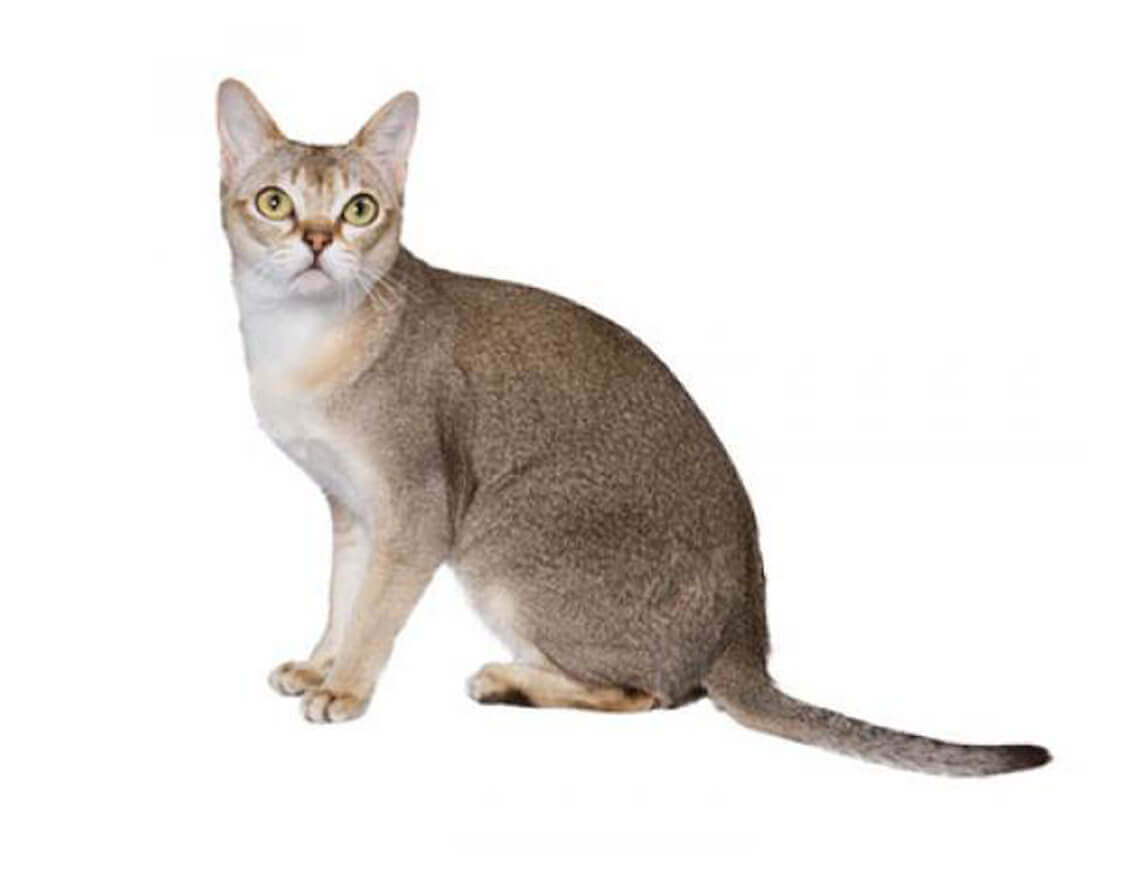
The Singapura cat looks like a small Abyssinian. Its head is rounded with a definite whisker break and a short broad muzzle. The ears are large and deeply cupped. The eyes are large and almond-shaped, slightly slanted and held wide open. Although these are small cats, their body is stocky and muscular. The tail is slender with a blunt tip. The coat is short and smooth with bands of black, brown, or ivory in each hair. The hair are darker on the back, tail, and legs. The chest and belly are a pale ivory colour. The eyes can be hazel, green or yellow and are outlined in black.


The need-to-know


  • Playful and curious cat
  • Sociable and dependent cat
  • Somehow talkative cat
  • Lean and elegant cat breed
  • Requires grooming once a week
  • Non hypoallergenic breed
  • Needs some out-door space
  • May require familiarisation before living with children
Personality

The Singapura cat is very affectionate and friendly but, unlike its Oriental counterparts, it has a very quiet voice and is more reserved. Singapura cats love human company and they are content to sit on their owner's knee or shoulder – they seem to love the warmth. They seem to prefer to be above the ground and will often find a position that will give them a good view such as the top of bookshelves or wardrobes. They are active, lively, and always willing to play. They learn quickly and are inquisitive and mischievous.


History and Origins

Country of Origin: Singapore


The Singapura cat originates from Singapore and its name means Lion City, the local Malay name for their island. It was known as the 'drain cat' because of its habit of sleeping in drains and living in the gutters. This is also the reason given for the cat's small stature; the Singapura cat is the world's smallest breed of cat. The Singapura cat breed is thought to have existed for about 300 years and is descended from cats from all over the world that arrived in Singapore on ships and bred with the local feral cats. The authorities considered them to be vermin and periodically culled the population. In 1974, the cull was so widespread that only three cats of the Singapura breed survived and these cats were exported to America along with a fourth found in 1980. From these four cats, the recognised breed was founded. 


Nutrition and Feeding

Every cat is unique and each has their own particular likes, dislikes, and needs when it comes to food. However, cats are carnivores and every cat must obtain 41 different and specific nutrients from their food. The proportion of these nutrients will vary depending on age, lifestyle, and overall health. So it's not surprising that a growing, energetic kitten needs a different balance of nutrients in her diet than a less active senior cat. Other considerations to bear in mind are feeding the right quantity of food to maintain 'ideal body condition' in accordance with feeding guidelines and catering to individual preference regarding wet or dry food recipes.

Other Information

Health and common issues


At present, there are no reports of problems within the breed. As with all cats, Singapuras benefit from protection against disease through vaccination and need regular parasite control and annual veterinary health checks.


Best cat breeds for children


While this breed is not widely recognised as one of the best breeds for children, all cats are different and with the proper familiarisation may still be able to live with children.


Siberian Forest

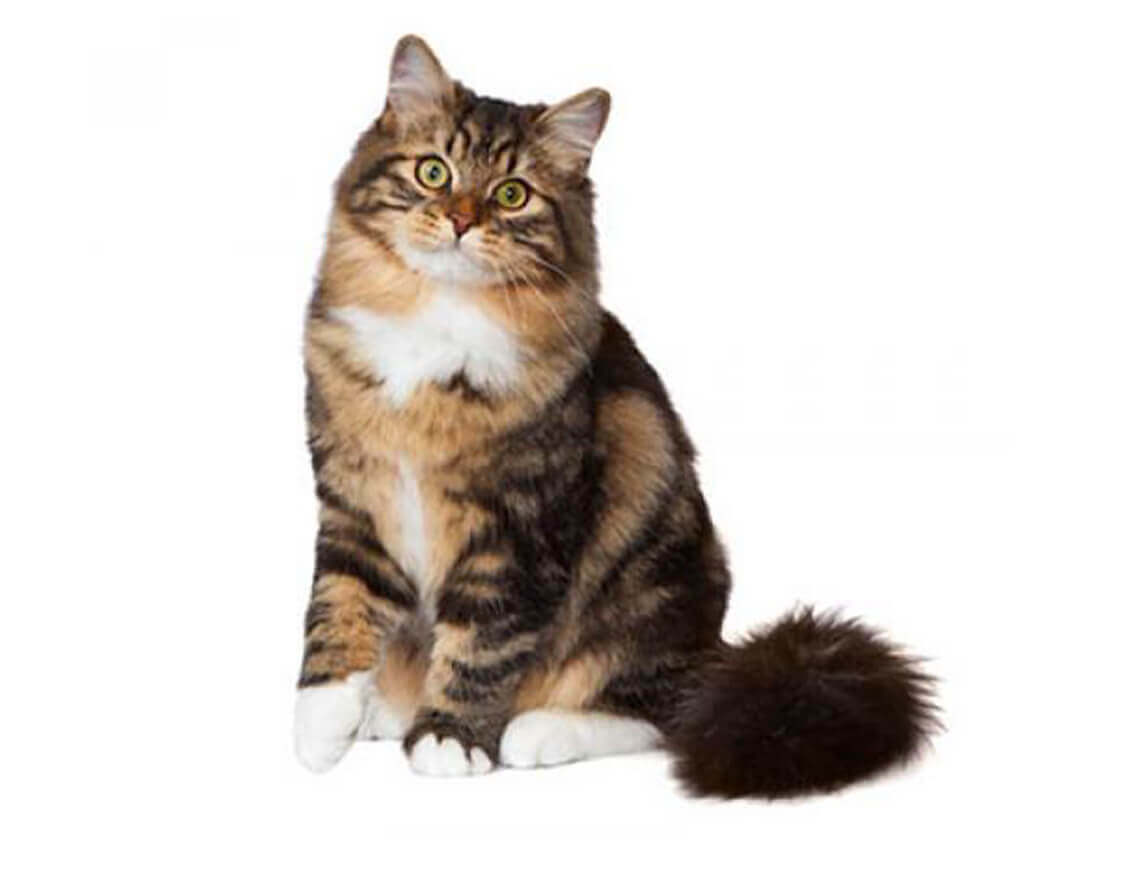
The Siberian Forest cat is a largish breed with a muscular build and a barrel-shaped torso. The coat is long and dense, and the head is a modified wedge shape with rounded contours and very expressive eyes. The overall physical appearance is one of strength and power. The longer hair of the triple coat are pale near the skin, darkening towards the outer end. This makes the coat shimmer as the cat moves. Although brown tabby is the most common colour, a Siberian Forest Cat may be any pattern or colour or combination of colours, solid lilac or solid chocolate.


The need-to-know


  • Highly active and inquisitive cat
  • Friendly but independent cat
  • Somehow talkative cat
  • Larger stockier cat breed
  • Requires grooming every day
  • Hypoallergenic breed
  • Outdoor cat
  • Great family cat
Personality

The Siberian Forest cat is an affectionate pet and loves attention, so they make great companions. The breed is said to be loyal, sociable, and confident. Siberian Forest cats are very intelligent and seem to 'problem solve' to get what they want. They also love to play in the water, water bowls and kitchen sinks. They like to climb and are excellent hunters. They purr readily but also squeak and chirp. Most Siberian Forest cats will 'shimmy' their tails when they are happy.


History and Origins

Country of Origin: Russia


Other Names: : Siberian cat


The Siberian Forest cat is the national cat of Russia. This natural breed has existed in Russia for hundreds of years. There is documented history of Siberians as early as the year 1000 and it is rumoured to be the ancestor of most modern longhaired breeds. After living in the cold Russian climate for many generations, the breed has developed a hardy constitution and a dense triple fur coat that is water-resistant. 


Nutrition and Feeding

Every cat is unique and each has their own particular likes, dislikes, and needs when it comes to food. However, cats are carnivores and every cat must obtain 41 different and specific nutrients from their food. The proportion of these nutrients will vary depending on age, lifestyle, and overall health. So it's not surprising that a growing, energetic kitten needs a different balance of nutrients in her diet than a less active senior cat. Other considerations to bear in mind are feeding the right quantity of food to maintain 'ideal body condition' in accordance with feeding guidelines and catering to individual preference regarding wet or dry food recipes.

Other Information

Health and common issues


Some Siberian Forest cat lines may be prone to a heart disease called hypertrophic cardiomyopathy.


Best cat breeds for children


While this breed is not widely recognised as one of the best breeds for children, all cats are different and with the proper familiarisation may still be able to live with children.


Siamese

The Siamese cat is a medium-sized breed with a long, lithe body that is graceful and elegant but still has a muscular feel. The body is well balanced and athletic, the legs slender and the paws small and oval. The head viewed face-on resembles a triangle tapering in straight lines to a fine muzzle. The ears are large and pricked and are set so that they follow the lines of the triangle. The eyes are oriental in shape and slant towards the nose. The tail is long and tapering and free from kinks. The short, fine, and close lying coat has a pale main body colour is pale with darker intensely coloured points. The coloured points only extend to the mask area of the face, ears, legs, and tail which are the cooler parts of the body. It comes in a wide range of colours. The eye colour in all coat colours and patterns will be a vivid intense blue.


The need-to-know


  • Highly active and inquisitive cat
  • Sociable and dependent cat
  • Very talkative cat
  • Lean and elegant cat breed
  • Requires grooming once a week
  • Non hypoallergenic breed
  • Needs some out-door space
  • May require familiarisation before living with children
Personality

The Siamese cat is probably well known for its loud vocal personality and its classic looks. The breed is usually outgoing, extrovert and can be extremely noisy. Siamese cats demand attention and like to be part of the family. This is not an ideal cat for someone out at work all day, as they do not like to be left on their own - two litter mate Siamese may be the answer! Siamese cats are highly intelligent and need to be kept amused. Toys and scratching posts should be provided for their amusement and they can be taught to retrieve toys.


History and Origins

Country of Origin: Thailand (formerly Siam)The Siamese cat is one of the most popular breeds of pedigree cat in the UK – second only to British Shorthair in number. It is possibly one of the most easily recognisable. The Siamese cat originated in what is now Thailand and has been in existence for hundreds of years. Legend says that Siamese cats were sacred and guarded Buddhist temples. Siamese cats were imported into Britain in the 1880s. The original Siamese cat breed colour was the classic seal brown points with a warm cream coloured body but breeders in the west developed more colours by introducing other breeds of cat into the breeding schedule. The original Siamese cat had eye squints and tail kinks which are now considered serious faults.


Nutrition and Feeding

Every cat is unique and each has their own particular likes, dislikes, and needs when it comes to food. However, cats are carnivores and every cat must obtain 41 different and specific nutrients from their food. The proportion of these nutrients will vary depending on age, lifestyle, and overall health. So it's not surprising that a growing, energetic kitten needs a different balance of nutrients in her diet than a less active senior cat. Other considerations to bear in mind are feeding the right quantity of food to maintain 'ideal body condition' in accordance with feeding guidelines and catering to individual preference regarding wet or dry food recipes.

Other Information

Health and common issues


Siamese cats are a long-lived breed with reports of some living into their twenties. However, there are some conditions linked to this breed. that are linked to the breed. Some lines may be predisposed to some cancers such as lymphoma and some intestinal tumours. Siamese cats do also seem to suffer more from chronic coughing (bronchial disease) and vomit more than other breeds. Some lines of Siamese cats will ingest strange non-edible items (this is known as pica) such as eating woollen garments, plastic, and other materials – the reason for this is not understood.


Best cat breeds for children


While this breed is not widely recognised as one of the best breeds for children, all cats are different and with the proper familiarisation may still be able to live with children.


Selkirk Rex

This is a medium to large cat with heavy boning that gives the cat surprising weight and an impression of power. It has a chunky build, short muzzle, and a round head. Selkirk Rex cats can be long- or short-haired. All three types of coat hair guard, awn, and down hair are found in the Selkirk Rex cat breed and they are all wavy, giving the coat a soft feel. The curliness of the coat varies with age, gender, climate, and season. In the Selkirk Rex Longhaired cat breed, the tail curls are plumy and stand out away from the tail. The ruff hairs are longer and frame the face. Selkirk Rex cats come in all coat colours and patterns.


The need-to-know


  • Playful and curious cat
  • Sociable and dependent cat
  • Quiet cat
  • Average build cat breed
  • Requires grooming every day
  • Non hypoallergenic breed
  • Needs some out-door space
  • Great family cat
Personality

The Selkirk Rex cat has an alert and active personality with an endearing disposition. This laid back breed is happy to sit on your lap and loves to have a cuddle. It is also more than happy to play games and makes a great family pet.


History and Origins

Country of Origin: USA


Other Names: : Sheep cat


The Selkirk Rex cat breed (long hair) is named after the Selkirk Mountains in Wyoming where the first was born to a litter at an animal shelter in 1987. This kitten had an unusually curly coat. An experimental breeding programme with this cat and its offspring, found that this curly coat mutation was a dominant trait – half of all kittens had a curly coat. The trait is recessive in other rex breeds. The Selkirk Rex cat is very popular in the USA and Canada where its striking, thick, curly coat has gained it the nickname 'Sheep cat'.


Nutrition and Feeding

Every cat is unique and each has their own particular likes, dislikes, and needs when it comes to food. However, cats are carnivores and every cat must obtain 41 different and specific nutrients from their food. The proportion of these nutrients will vary depending on age, lifestyle, and overall health. So it's not surprising that a growing, energetic kitten needs a different balance of nutrients in her diet than a less active senior cat. Other considerations to bear in mind are feeding the right quantity of food to maintain 'ideal body condition' in accordance with feeding guidelines and catering to individual preference regarding wet or dry food recipes.

Other Information

Health and common issues


The Selkirk Rex cat breed lives well into its teens. Some Selkirk Rex cats can suffer from hair loss. Because of input from Persian cats, the Selkirk Rex cat breed is usually tested for polycystic kidney disease which occurs mainly in Persians. As with all cats, Selkirk Rex cats need vaccinations, parasite control and regular veterinary checks to remain healthy.


Best cat breeds for children


While this breed is not widely recognised as one of the best breeds for children, all cats are different and with the proper familiarisation may still be able to live with children.


Scottish Fold

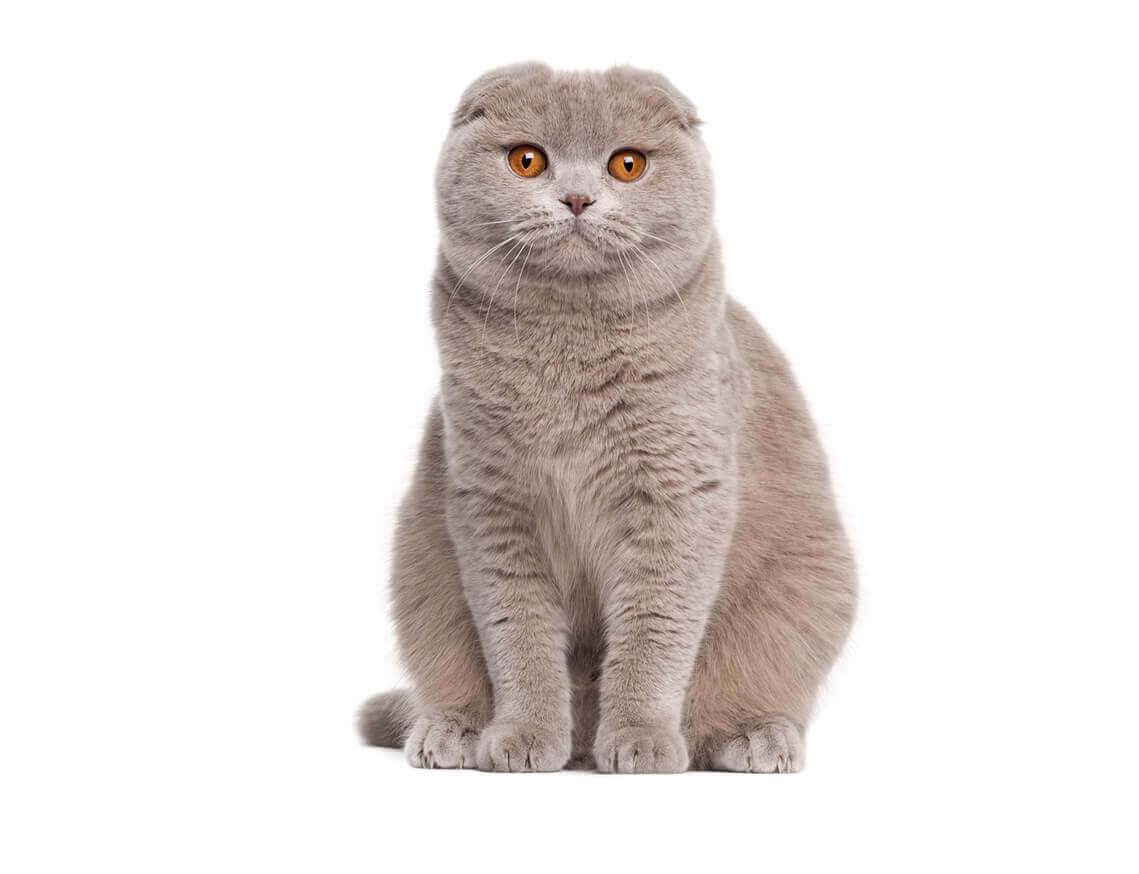
The most noticeable feature of a Scottish Fold cat is its ears, which are small and tightly folded forward to cover the ear opening. The tips of the ears are rounded. The Scottish Fold is of medium size with a solid compact body. The head is rounded, with well-defined whisker pads, and is set on a short neck. The eyes are large and wide open with a sweet expression. The coat of the Scottish Fold is short and dense. It comes in a variety of colours and patterns.


The need-to-know


  • Playful and curious cat
  • Friendly but independent cat
  • Somehow talkative cat
  • Average build cat breed
  • Requires grooming once a week
  • Non hypoallergenic breed
  • Indoor cat
  • May require familiarisation before living with children
Personality

The Scottish Fold cat breed has a sweet, gentle temperament despite its strange appearance. Scottish Folds are not an active breed, and this may be because of the pain involved in movement.


History and Origins

Country of Origin: Scotland


Named after its forward folding ears, the Scottish Fold cat breed was first seen as a natural mutation in Scotland in the 1960s. British cat show judges and numerous veterinary surgeons decided that the cat's folded ears were an undesirable deformity and would make it impossible for the cat to clean its ears. Deformities of the spine, hind legs and tail also appeared when folded-ear cats were bred to one another. The breed is popular in the USA and elsewhere.


Nutrition and Feeding

Every cat is unique and each has their own particular likes, dislikes, and needs when it comes to food. However, cats are carnivores and every cat must obtain 41 different and specific nutrients from their food. The proportion of these nutrients will vary depending on age, lifestyle, and overall health. So it's not surprising that a growing, energetic kitten needs a different balance of nutrients in her diet than a less active senior cat. Other considerations to bear in mind are feeding the right quantity of food to maintain 'ideal body condition' in accordance with feeding guidelines and catering to individual preference regarding wet or dry food recipes.

Other Information

Health and common issues


Scottish Fold cats can suffer from painful degenerative joint disease throughout their lives. This arises as the Scottish Fold cat mutation detrimentally affects cartilage, most obviously seen making the ear cartilage fold. As the disease progresses, the joints stiffen, bones fuse and movement becomes more difficult and painful. Cats progress from slight lameness to reluctance to move.


Best cat breeds for children


While this breed is not widely recognised as one of the best breeds for children, all cats are different and with the proper familiarisation may still be able to live with children.


Savannah

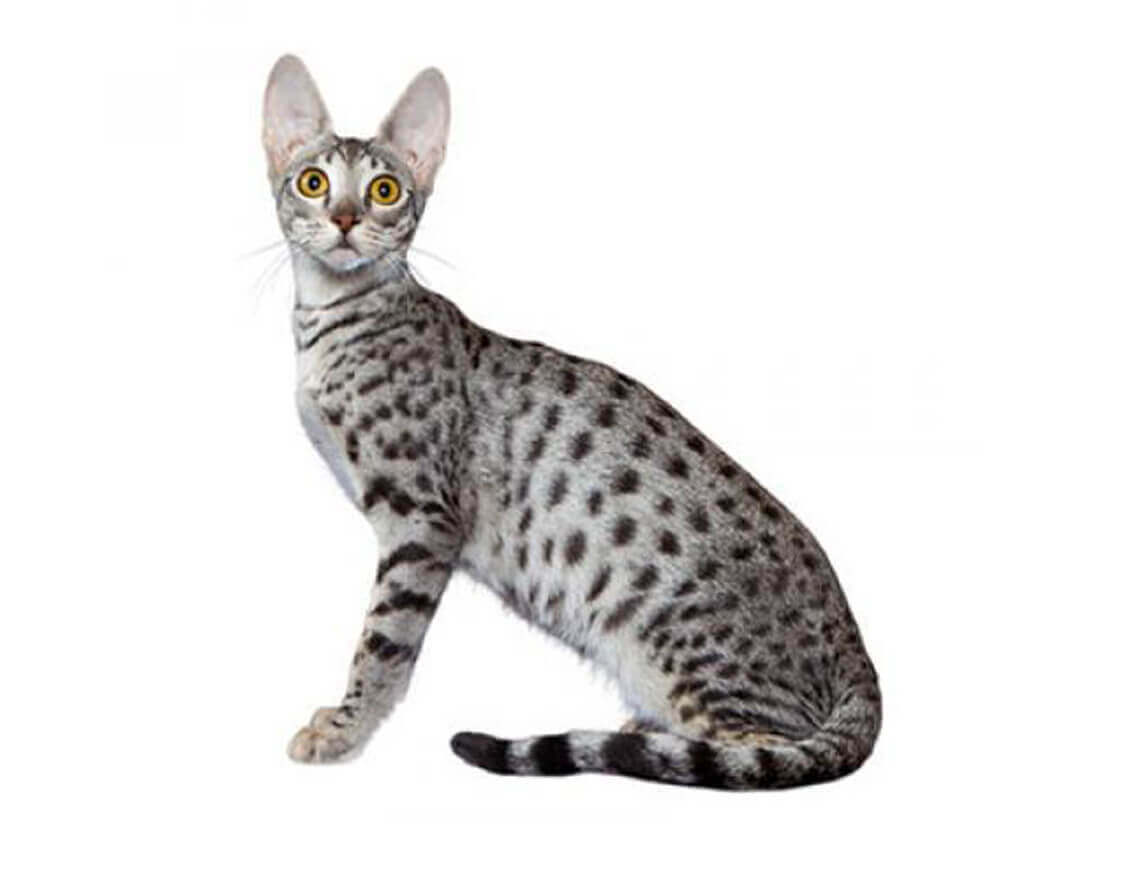
The Savannah cat is a tall, slim, long-legged cat and its final size may also depend on how close that particular offspring is to the first generation crosses – the early generations being quite large. Male Savannah cats tend to be larger than females. Because of the random factors in the Savannah cat breed's hybrid genetics, there can be significant variation in size, even in one litter. The overall look of an individual Savannah cat depends greatly on generation. They are usually spotted but can also come in classic or marble patterns, snow colouration and blue or other diluted colours. The ears are tall, deeply-cupped rounded and erect (the backs of the ears have a central light band bordered by black, dark grey or brown, giving an eye-like effect). They have a wide nose and hooded eyes. Their short tails have black rings, with a solid black tip and their eyes may be green, brown, or gold.


The need-to-know


  • Highly active and inquisitive cat
  • Friendly but independent cat
  • Somehow talkative cat
  • Lean and elegant cat breed
  • Requires grooming once a week
  • Non hypoallergenic breed
  • Outdoor cat
  • May require familiarisation before living with children
Personality

As Savannah cats are not common, it is difficult to generalise about their personality traits and how predictable they are. Some say they are very social and friendly with new people and other cats and dogs, while others may run and hide or revert to hissing and growling on seeing a stranger. Apparently Savannah cats can also jump very high (8ft) from a standing position and learn quickly. This is probably not a first cat. It is quite large and strong and is frequently described as 'assertive'. Savannahs are said to both 'chirp' like a Serval or meow like a domestic cat or a mixture of the two. They are also said to hiss quite loudly.


History and Origins

Country of Origin: USASavannah cats are rather controversial. They are the result of crossing a domestic cat and a Serval — a medium-sized, large-eared wild African cat. These first crosses are then bred again and the resulting cats are termed domestic. The breed began in the mid 1980s and is recognised by one of the cat fancy organisations.


Nutrition and Feeding

Every cat is unique and each has their own particular likes, dislikes, and needs when it comes to food. However, cats are carnivores and every cat must obtain 41 different and specific nutrients from their food. The proportion of these nutrients will vary depending on age, lifestyle, and overall health. So it's not surprising that a growing, energetic kitten needs a different balance of nutrients in her diet than a less active senior cat. Other considerations to bear in mind are feeding the right quantity of food to maintain 'ideal body condition' in accordance with feeding guidelines and catering to individual preference regarding wet or dry food recipes.

Other Information

Health and common issues


It is too early to know whether the Savannah cat breed has any health problems as none are yet cited in the veterinary literature.


Best cat breeds for children


While this breed is not widely recognised as one of the best breeds for children, all cats are different and with the proper familiarisation may still be able to live with children.


Russian Blue

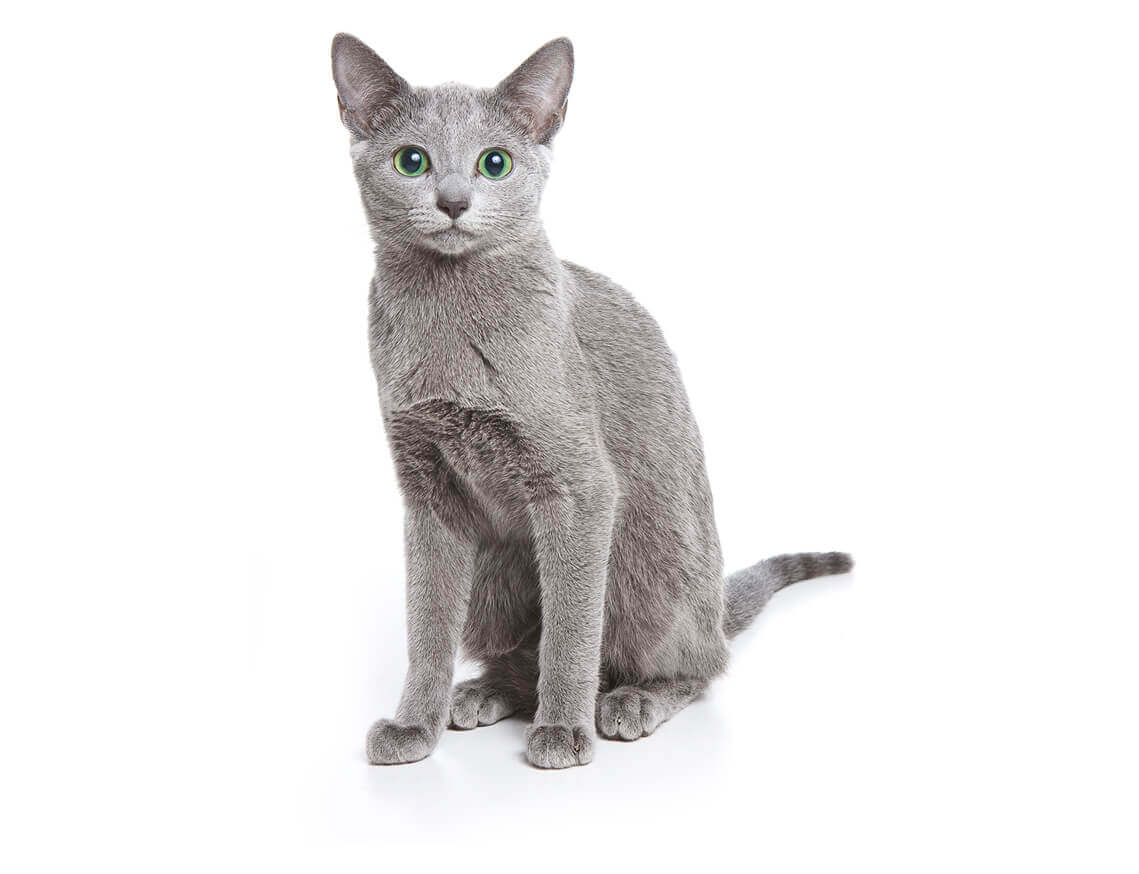
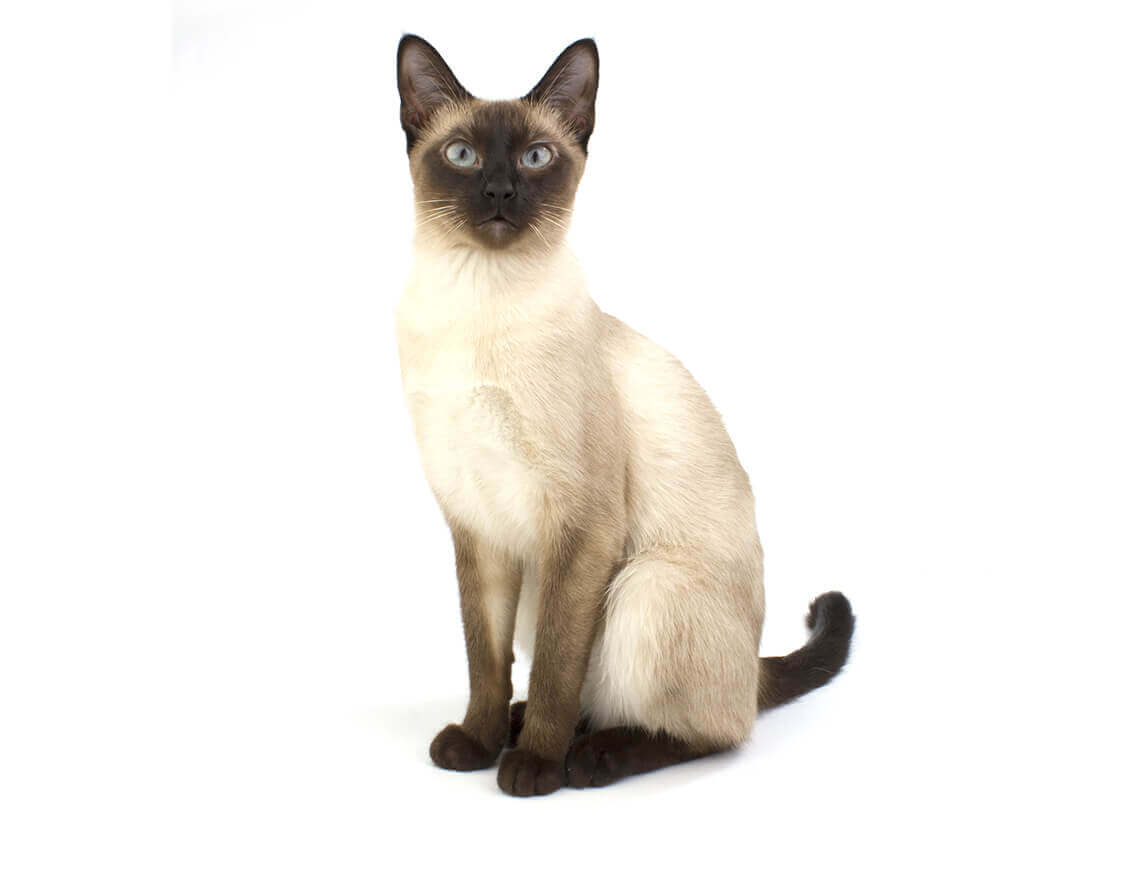
The Russian Blue cat is medium to large with an elegant, graceful body and long, slim legs. The cat walks as if on tip-toes. The head is wedge-shaped with prominent whisker pads and large ears. The vivid green eyes are set wide apart and are almond-shaped. The coat is double with a very dense undercoat and feels fine, short, and soft. In texture, the coat of the Russian Blue cat is very different from any other breed and is the truest measure of the breed. Although named the Russian Blue, black and white Russian cats do sometimes appear. In the most popular blue variety, the coat colour is a clear even blue with a silvery sheen.


The need-to-know


  • Playful and curious cat
  • Friendly but independent cat
  • Quiet cat
  • Lean and elegant cat breed
  • Requires grooming once a week
  • Non hypoallergenic breed
  • Needs some out-door space
  • May require familiarisation before living with children
Personality

Russian Blue cats are quiet and sensitive, sometimes shy and reserved, but are said to be tremendously loyal to their chosen human being. They may be cautious of strangers and take time to develop friendship with humans. Once settled in a loving environment, they love to play with toys and enjoy jumping, climbing, and racing around and are extremely agile and light-footed.


History and Origins

Country of Origin: Russia


The Russian Blue cat was originally known as the Archangel Cat because it was said to have arrived in Europe aboard ships from the Russian port of that name (Arkhangel'sk). It has also been known as the Spanish Cat and the Maltese Cat, particularly in the US where the latter name persisted until the beginning of the century. There is, however, strong evidence linking the cat with Russia. Large numbers of cats with similar coat colours are found in Scandinavia and their dense coat is indicative of living in a northern climate. Although blue is considered the typical colour of this breed, black and white Russian cats are known. These colours arose during World War II, when the few remaining Russian Blue cats were crossed with the British Blue and the Siamese to maintain numbers.


Nutrition and Feeding

Every cat is unique and each has their own particular likes, dislikes, and needs when it comes to food. However, cats are carnivores and every cat must obtain 41 different and specific nutrients from their food. The proportion of these nutrients will vary depending on age, lifestyle, and overall health. So it's not surprising that a growing, energetic kitten needs a different balance of nutrients in her diet than a less active senior cat. Other considerations to bear in mind are feeding the right quantity of food to maintain 'ideal body condition' in accordance with feeding guidelines and catering to individual preference regarding wet or dry food recipes.

Other Information

Health and common issues


The Russian Blue cat breed seems to be healthy.


Best cat breeds for children


While this breed is not widely recognised as one of the best breeds for children, all cats are different and with the proper familiarisation may still be able to live with children.


Ragdoll

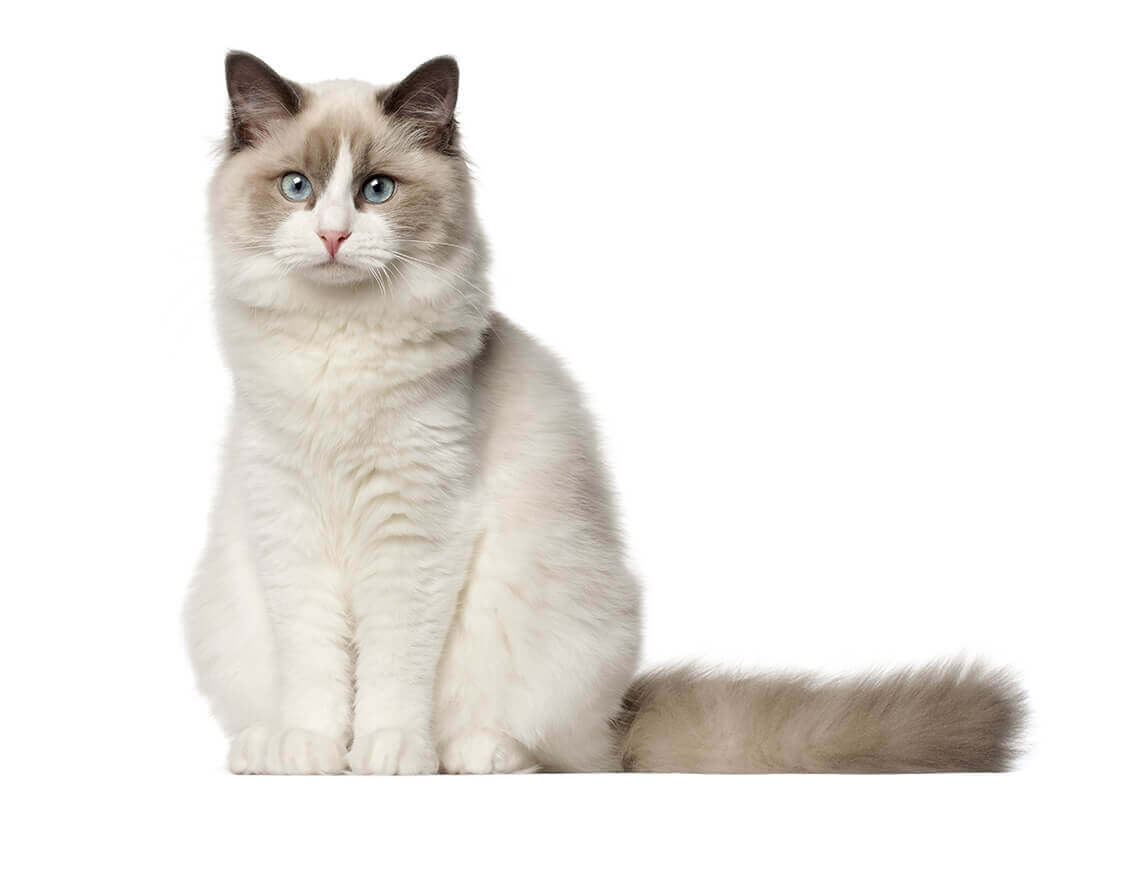
The Ragdoll cat breed is large, powerful, and imposing with distinctive markings. However, the cat is extremely relaxed and laid back giving the floppy ragdoll impression. The broad head has a flat top and is wide between the ears. The deep blue eyes are large. The body is long and muscular with a broad chest, short neck and sturdy legs. The paws are large round and tufted and the tail is long and bushy. The Ragdoll cat's coat is silky and dense and of medium to long length, and on adult cats there should be a ruff and knickerbockers. There are three different coat patterns in the Ragdoll cat breed and each pattern comes in four colours. There is also a mitted Ragdoll cat with additional white markings.


The need-to-know


  • Calm cat
  • Sociable and dependent cat
  • Quiet cat
  • Larger stockier cat bree
  • Requires grooming every day
  • Non hypoallergenic breed
  • Needs some out-door space
  • Great family cat
Personality

The Ragdoll cat is possibly the most laid back of all the domestic cat breeds. These cats are basically content and undemanding and tolerate most situations. They have an extremely gentle and relaxed nature and make loyal and devoted pets. There is an old-wives tale that these cats are immune to pain, but this is totally untrue! Their relaxed disposition stems from a very trusting nature, not a lack of feeling.


History and Origins

Country of Origin: USAThe first Ragdoll kittens were born in California in the 1960s. They are probably the result of a mating between a white Persian cat queen (female) and a Birman or Birman-type tom. When picked up, the cat becomes very relaxed and is as floppy as the ragdoll from which it takes its name. Some say that this was brought about by an accident the queen had while carrying the kittens, but it is genetically impossible for the effects of the injury to be inherited by the kittens.


Nutrition and Feeding

Every cat is unique and each has their own particular likes, dislikes, and needs when it comes to food. However, cats are carnivores and every cat must obtain 41 different and specific nutrients from their food. The proportion of these nutrients will vary depending on age, lifestyle, and overall health. So it's not surprising that a growing, energetic kitten needs a different balance of nutrients in her diet than a less active senior cat. Other considerations to bear in mind are feeding the right quantity of food to maintain 'ideal body condition' in accordance with feeding guidelines and catering to individual preference regarding wet or dry food recipes.

Other Information

Health and common issues


The Ragdoll cat breed is associated with an inherited form of heart disease (hypertrophic cardiomyopathy) that can lead to heart failure at an early age – ask the breeder if you are considering buying this breed.


Best cat breeds for children


While this breed tends to be excellent with kids, each cat has a different personality based on training and life experience. Please consult the adoption organisation, if you are adopting for details on a specific cat’s character.


Pixiebob

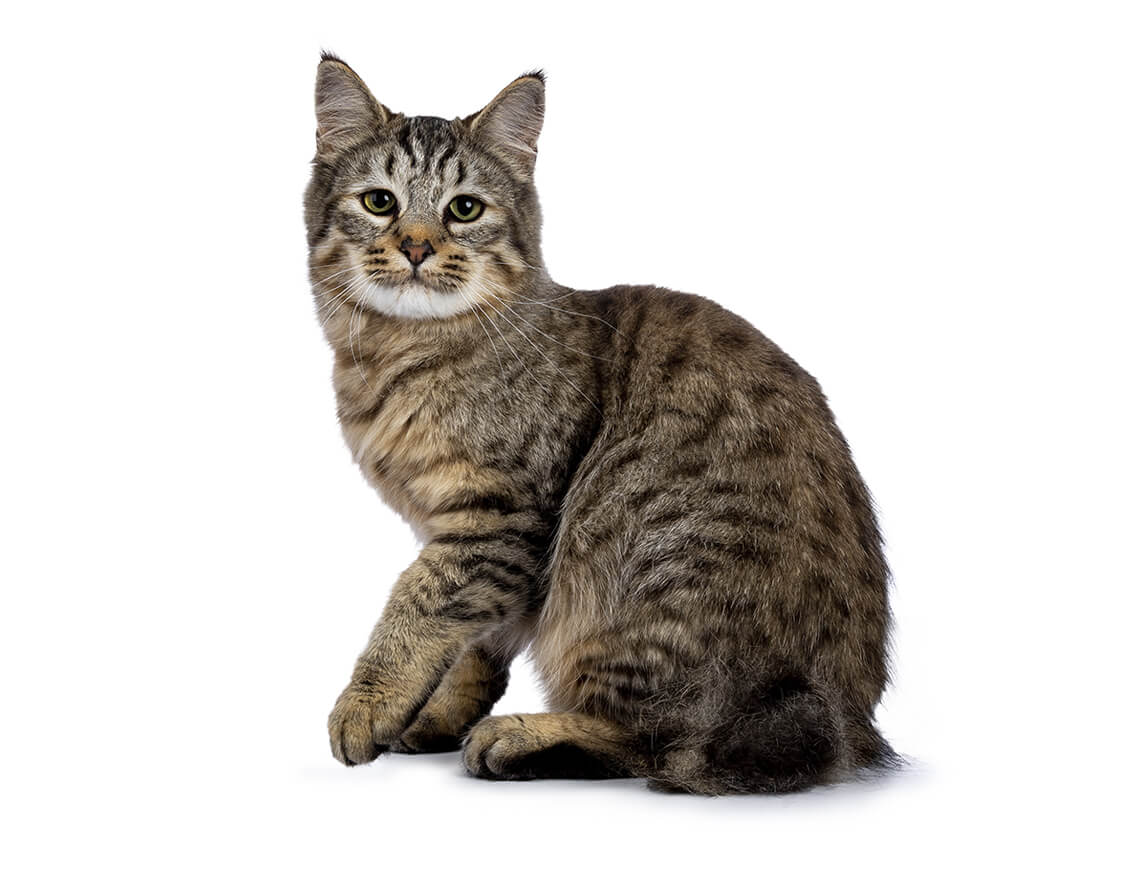
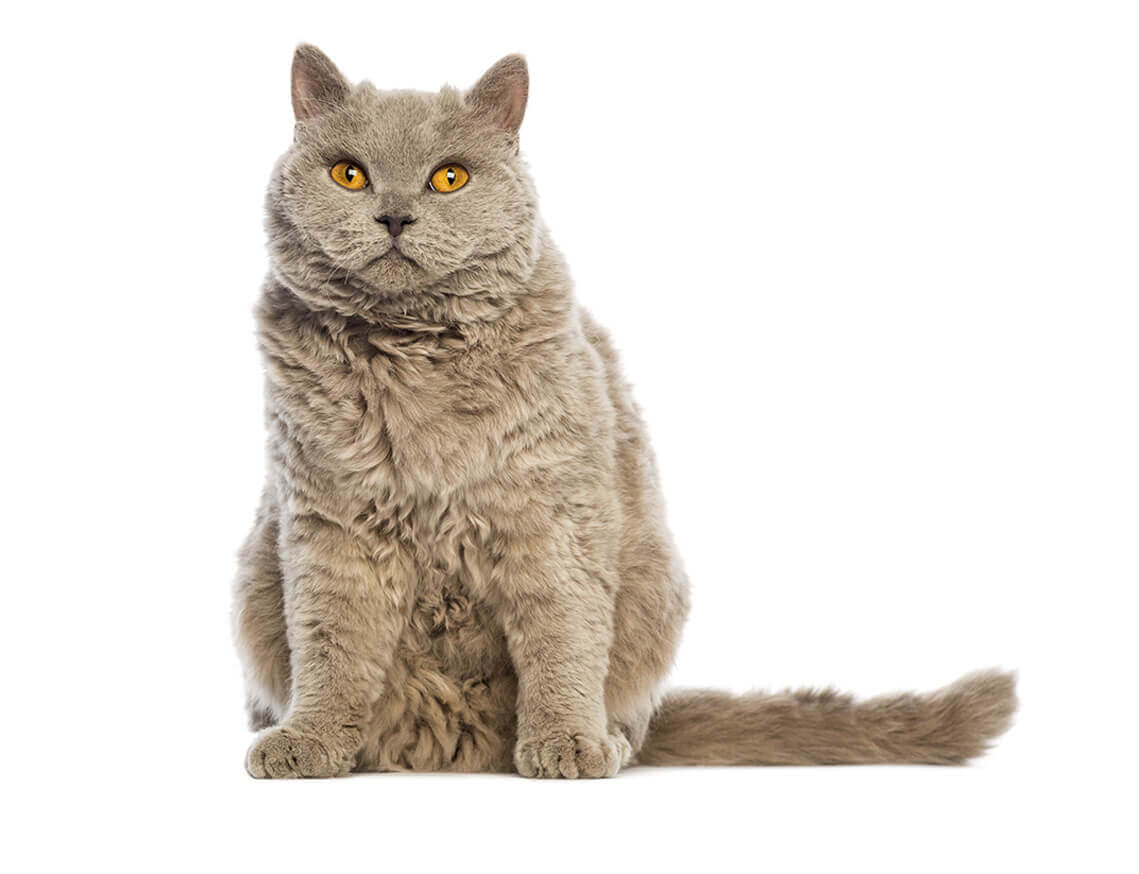
Pixie-Bob cats are a large breed and resemble bobcats in many ways. Perhaps the most obvious being the short tail (although the tail can be almost non-existent, though short or can even be long). The body is muscular, the face pear-shaped and the ears have tufts. The woolly coat stands out from the body and has a spotted pattern on a light tan to a reddish background. Most Pixie-Bob cats have black fur and skin on the bottom of their paws, tipped ears, heavy ear hair, black lips, and white fur around the eyes but with black eye skin. Most are short-haired, but some are long-haired. The eyes are gold or greenish gold. The Pixie-Bob cat is one of the few breeds that allows polydactyl toes (extra toes) in its standards, with a maximum of seven toes.


The need-to-know


  • Highly active and inquisitive cat
  • Sociable and dependent cat
  • Somehow talkative cat
  • Larger stockier cat breed
  • Requires grooming every day
  • Non hypoallergenic breed
  • Outdoor cat
  • May require familiarisation before living with children
Personality

Pixie-Bob cats are said to be confident, social, and active. Some are sociable, some are shy.


History and Origins

Country of Origin: USA The Pixie-Bob cat breed originated in the USA in the 1980s from wild looking barn cats and other cats which resemble a cross between a North American Bobcat and a domestic cat. The original kitten from the beginning of the development of the breed was called Pixie, hence the name. The breed came to Europe in 2001 but is not common.


Nutrition and Feeding

Every cat is unique and each has their own particular likes, dislikes, and needs when it comes to food. However, cats are carnivores and every cat must obtain 41 different and specific nutrients from their food. The proportion of these nutrients will vary depending on age, lifestyle, and overall health. So it's not surprising that a growing, energetic kitten needs a different balance of nutrients in her diet than a less active senior cat. Other considerations to bear in mind are feeding the right quantity of food to maintain 'ideal body condition' in accordance with feeding guidelines and catering to individual preference regarding wet or dry food recipes.

Other Information

Health and common issues


There is little information on the health of the Pixie-Bob cat breed and no reported problems. Some Pixiebob cats are polydactyl – that is they have extra toes. In general encouraging extra toes in breeding is not recommended as they can cause problems.


Best cat breeds for children


While this breed is not widely recognised as one of the best breeds for children, all cats are different and with the proper familiarisation may still be able to live with children.