Health and common concerns
The German Spitz is generally a relatively healthy breed. Like many breeds they can suffer from hereditary eye disorders and therefore eye testing prior to breeding is advised. Epilepsy and kneecaps that may temporarily slip out of place also occur in the breed.
Space requirements
The German Spitz Mittel will fit into most homes, but a secure garden is important. Space to groom, and to dry off a wet dog should be considered, as their coat does require some care and can hold a surprising amount of water and mud (although they will often avoid the latter). Because of their tendency to alert to suspicious activity, a quiet home will do better than a busy one, and whilst they can fit into an inner-city environment, this may be stressful and overwhelming for them if busy and noisy.
Training a german spitz mittel
Early socialisation and habituation is necessary to build confidence. Using positive reinforcement and motivation, the enthusiastic German Spitz can be taught a range of fun tricks and useful behaviours, and this should definitely be done to keep their active and clever minds occupied. Capable of achieving respectable results in competition at agility and obedience if you want to put in the work, they will enjoy time spent with their owners, no matter what the occupation.
Best family dog breeds
A fun family dog if all the family can be involved in training and exercise. Very small children find it hard to differentiate between ‘small dog’ and ‘stuffed toy’ and as the German Spitz as a puppy is very small and incredibly cute, it may be better to wait until children are older. The German Spitz is very much a companion dog and not well equipped to spend long periods alone, which may well rule out full time working families. While many dogs are traditionally thought of as being good with children, all dogs and children need to be taught to get on with and respect each other, and be safe together. Even so, dogs and young children should never be left alone together and adults should supervise all interactions between them.
Did you know?
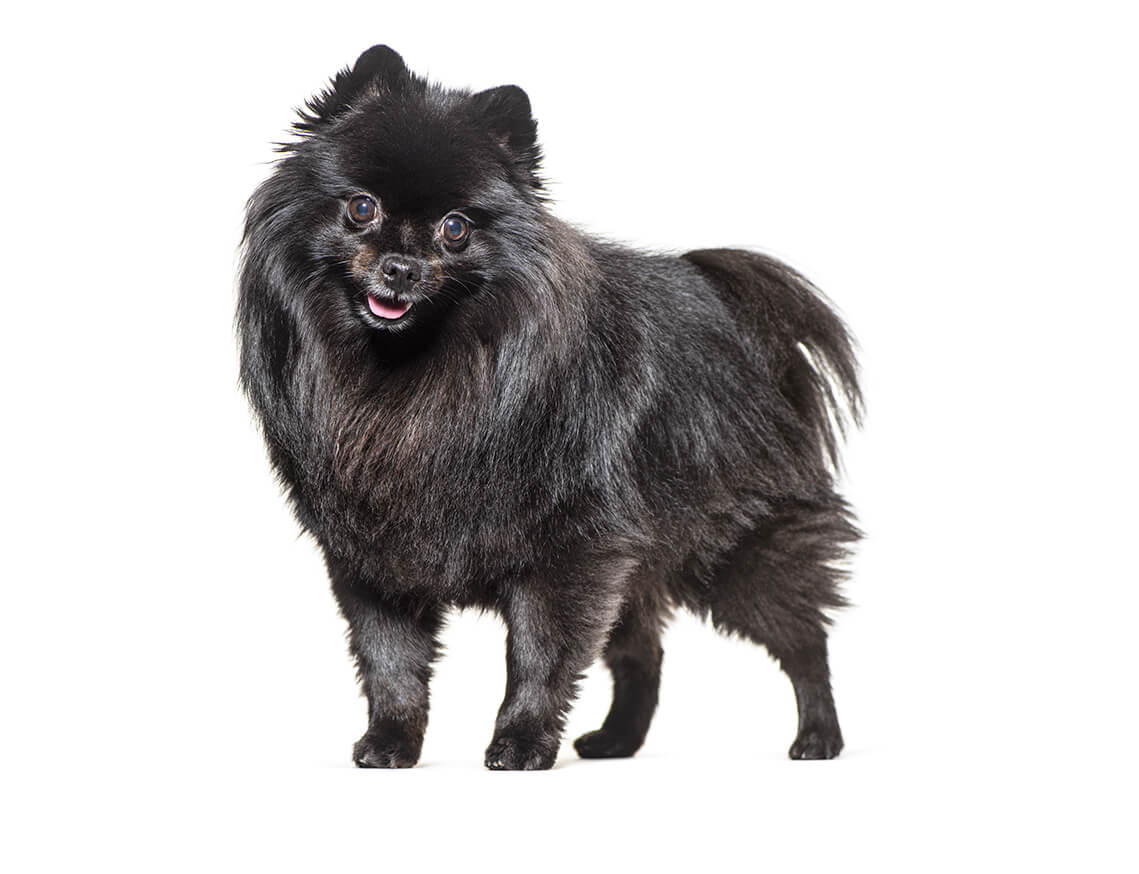
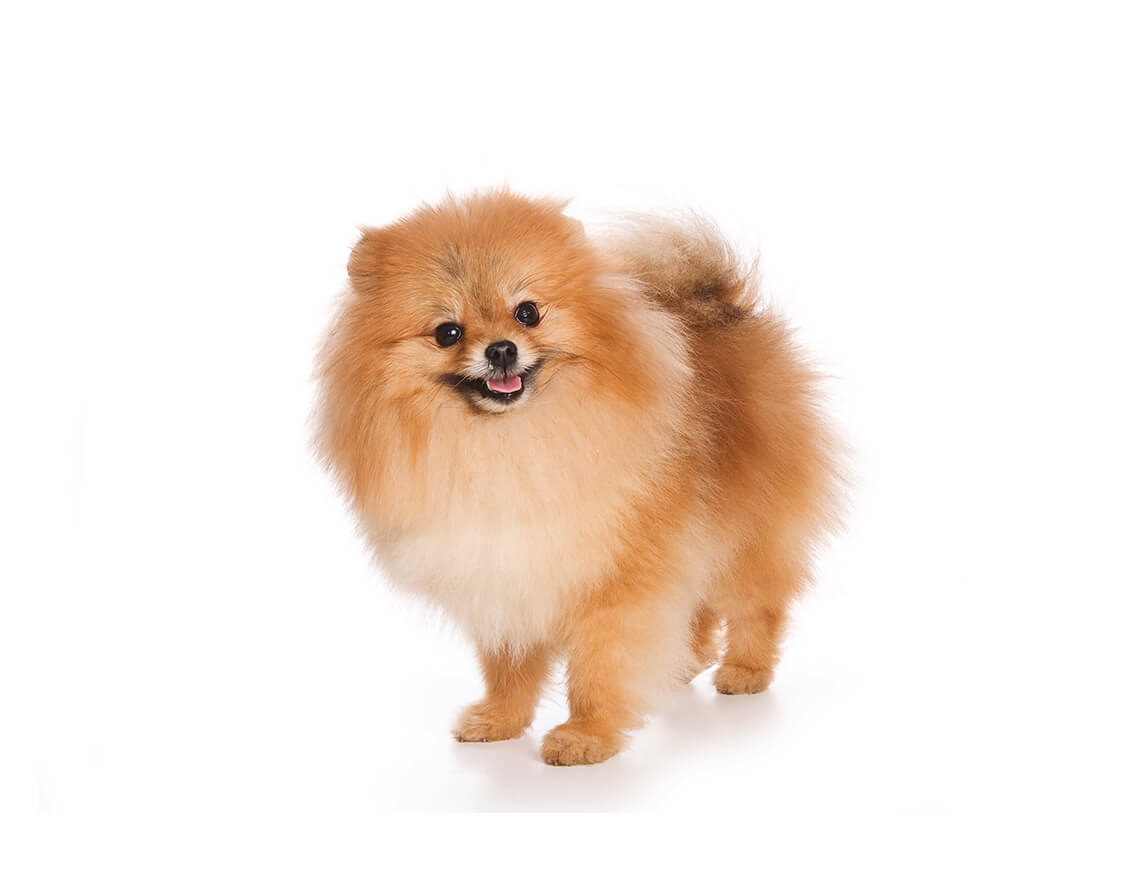
Spitz type dogs have been around a long time. Skeletal remains of spitz types have been found associated with human settlements from five to six thousand years ago, throughout Central Europe. Whilst now their behavioural traits can differ from the companion type tiny fluffy spitz’s to the hunting spitz’s willing to take on boar and bear, to the sled pulling spitz’s of the frozen tundra, in form they are all recognisably “spitzy”, with their foxy faces, pricked ears, plush coats and curled tails.