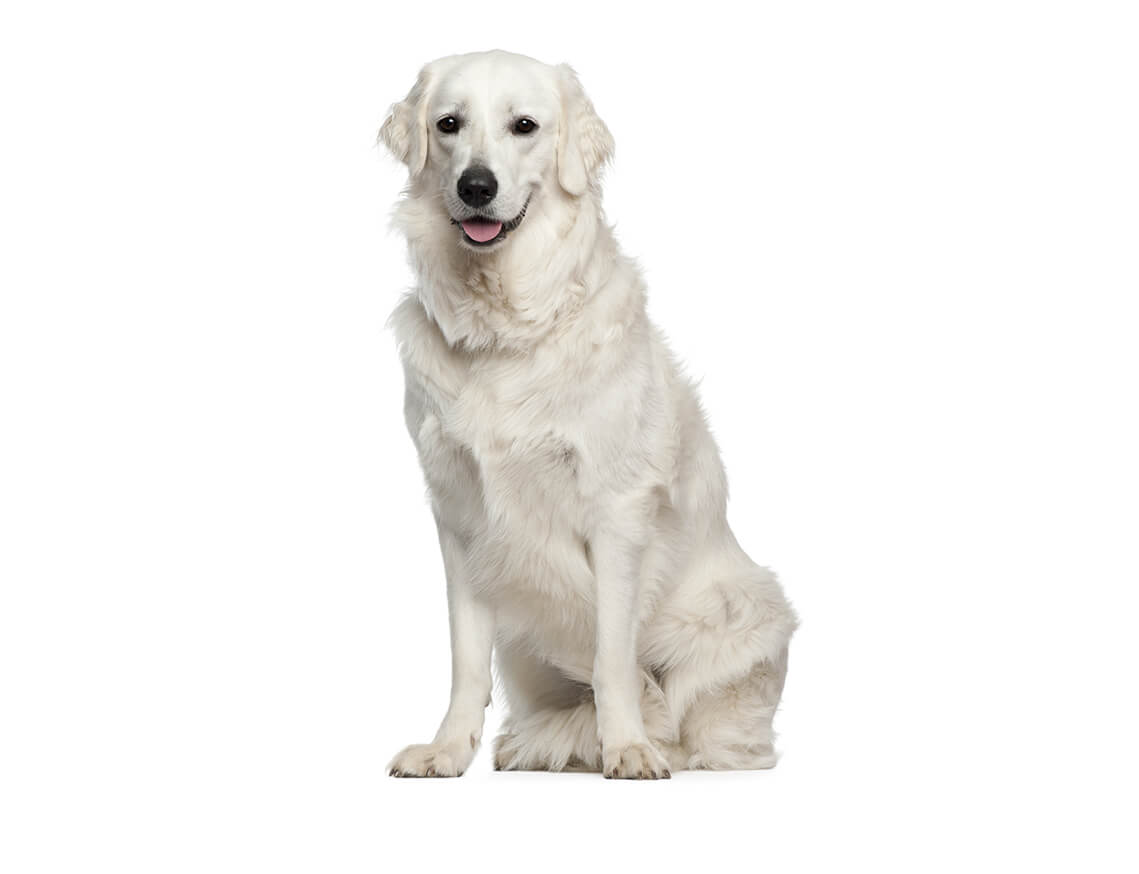
Hungarian Kuvasz

This is a large, powerful, noble-looking breed. Adult males are 71-75cm in height and weigh 40-52kg and adult females are 66-70cm tall and weigh 30-42kg. The thick double coat is pure white and the skin has patches of grey.


The need-to-know
 

  • Dog suitable for experienced owners
  • Extra training required
  • Enjoys active walks
  • Enjoys walking one to two hours a dayLarge dog
  • Heavy drool
  • Requires grooming every other day
  • Non hypoallergenic breed
  • Chatty and vocal dog
  • Guard dog. Barks, alerts and it's physically protective
  • May require training to live with other pets
  • May require training to live with kids
Personality

Bred as a guarding breed for centuries, the Kuvasz is naturally protective of his home and loved ones and is suspicious of strangers. He is gentle and loyal to his family but needs a home where the owners are experienced with guarding breeds and where his specialist needs can be met.


History and Origins

The Hungarian Kuvasz dog breed is an ancient breed. Indeed, archaeologists have found the skeleton of a similar type of dog in Hungary dating back to the 9th century. Used by the nomadic Magyar to protect their flocks, the Kuvasz worked in sometimes harsh conditions, in the mountain regions of the country. In the 15th century, the breed became fashionable among the nobility, due to its popularity with King Matthias Corvinus, who gave Kuvasz pups as royal gifts, but the breed's chief role, throughout its history, has been as a hardworking flock guard.

Nutrition and Feeding

Large breed dogs, as well as having large appetites, benefit from a different balance of nutrients including minerals and vitamins compared to smaller-breed dogs. The Kuvasz is prone to bloating and stomach problems; smaller, more frequent meals can help minimise this risk.

Exercise

The Kuvasz enjoys nothing better than patrolling his property's boundaries and being alert to any 'threats'. He needs a very large, well-fenced garden, and will also need to be taken out for an hour's daily exercise, too.

Other Information

Health and common issues


The Kuvasz dog breed is generally a healthy and robust breed, but as with many breeds, they can suffer from various hereditary eye disorders, and hip dysplasia (a condition that can lead to mobility problems). Eye testing and hip scoring of dogs prior to breeding is therefore important.


Best family dog breeds


While many dogs are traditionally thought of as being good with children , all dogs and children need to be taught to get on with and respect each other, and be safe together. Even so, dogs and young children should never be left alone together and adults should supervise all interactions between them.


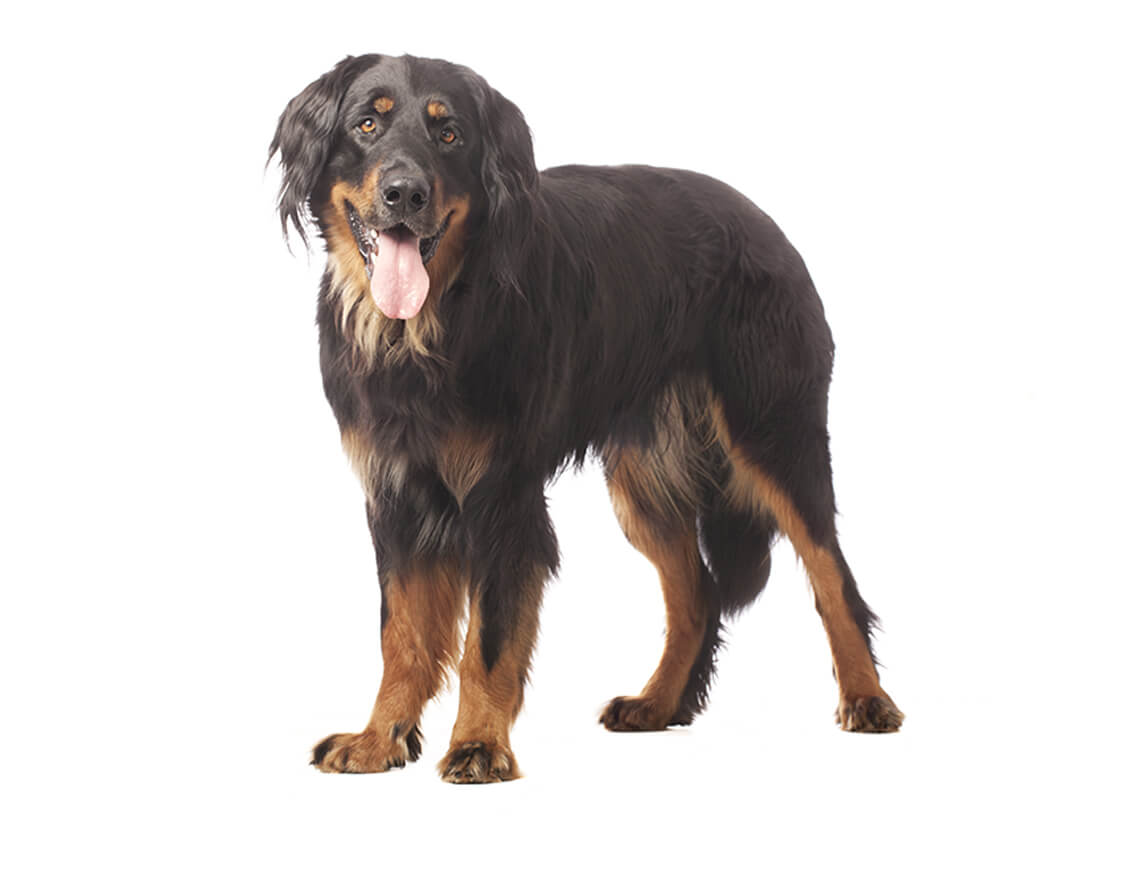
Hovawart

A large, powerful dog with a medium/long coat, the Hovawart is a little longer that he is tall. Dogs are noticeably masculine and females feminine. Adult males stand at 63-70cm and weigh 30-40kg and females are 58-65cm tall and weigh 25-35kg. The weather-resistant coat comes in black, blonde or black and gold.


The need-to-know
 

  • Dog suitable for experienced owners
  • Some training required
  • Enjoys active walks
  • Enjoys walking one to two hours a day
  • Large dog
  • Some drool
  • Requires grooming every other day
  • Non hypoallergenic breed
  • Chatty and vocal dog
  • Guard dog. Barks, alerts and it's physically protective
  • May require training to live with other pets
  • May require training to live with kids


Personality

A confident, brave and versatile dog, the Hovawart is a loyal, devoted companion dog. He has strong guarding tendencies and is protective of his home and family, so early socialisation is essential, but he is generally a tolerant, even-tempered character


History and Origins

This German breed was bred to guard livestock, farms and even castles in the Middle Ages. Sadly, the Hovawart dog breed died out but was recreated by a zoologist called Dr Konig after World War One. He found Hovawart-like dogs in the Harz and Black Forest areas where the breed was originally found and bred them to the German Shepherd, the Hungarian Kuvasz, Newfoundland, Leonberger and other similar breeds, until the breed matched that found in old drawings.

Nutrition and Feeding

Large breed dogs, as well as having large appetites, benefit from a different balance of nutrients including minerals and vitamins compared to smaller-breed dogs.

Exercise

A large, energetic dog, the Hovawart needs two hours or more of daily exercise. He enjoys long walks and tracking, and can also be trained to high levels in obedience and working trials.

Other Information

Health and common issues


As with many breeds, the Hovawart can suffer from hip dysplasia (a condition that can lead to mobility problems). Hip scoring of dogs prior to breeding is therefore important. An underactive thyroid gland (hypothyroidism) occurs more commonly in the breed.


Best family dog breeds


While many dogs are traditionally thought of as being good with children , all dogs and children need to be taught to get on with and respect each other, and be safe together. Even so, dogs and young children should never be left alone together and adults should supervise all interactions between them.


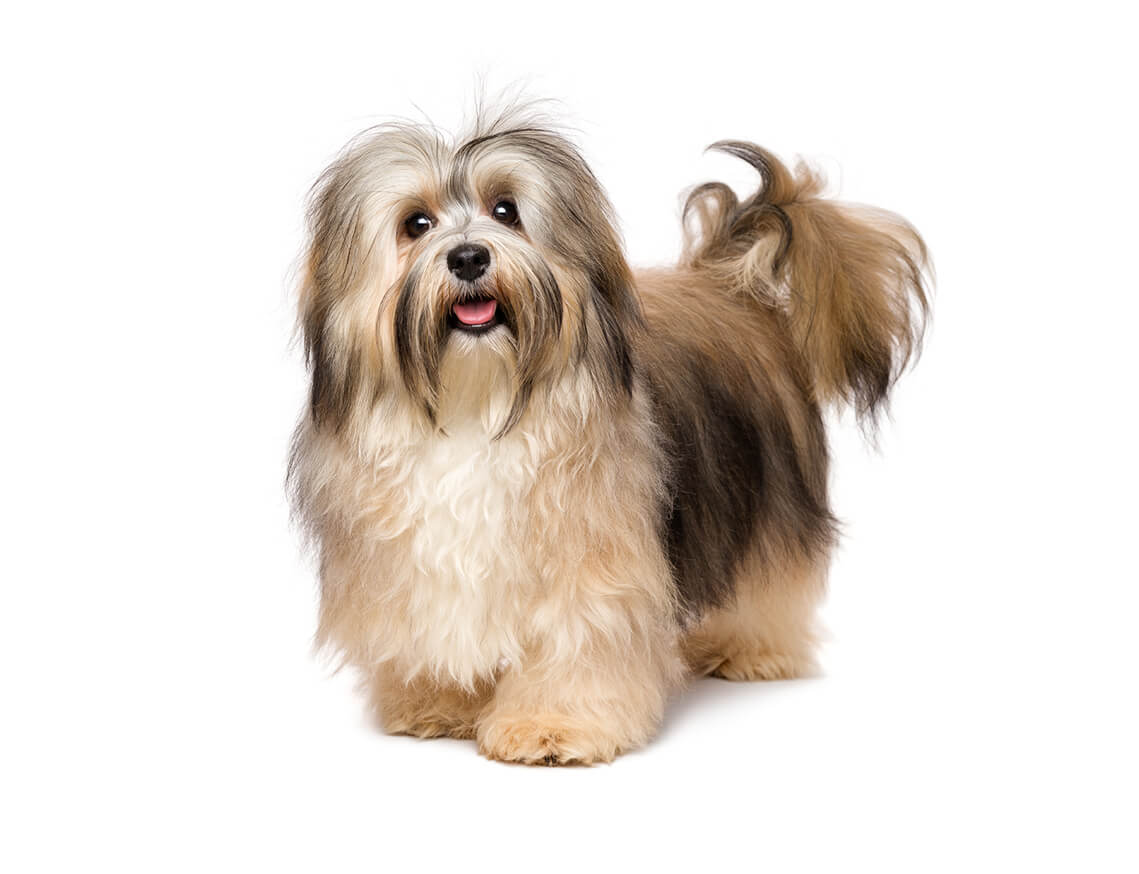
Havanese

The Havanese is a lively, affectionate and friendly toy breed. With a sturdy structure and slightly longer than tall, they have a long, soft, silky coat, waved or slightly curled. Their plumed tail carried over the back is part of the signature look for this fun-loving and loyal dog.


The need-to-know
 

  • Dog suitable for non-experienced owners
  • Basic training required
  • Enjoys gentle walks
  • Enjoys walking half an hour a day
  • Little toy dog
  • Minimum drool
  • Requires grooming daily
  • Hypoallergenic breed
  • Chatty and vocal dog
  • Guard dog. Barks and alerts
  • Great with other pets
  • Great family dog
Lifespan:
13-15 years
Weight:
3-6kg
Height:
23-28cm tall
Colours:
Any colour or combination of colours is accepted, except merles
Size:
Small
UK Kennel Club Groups:
Toy
Personality

The Havanese is an affectionate, intelligent little dog, ideally suited to the role of family companion. They are described as friendly and outgoing, with a cheerful nature and attractive appearance.


History and Origins

Country of Origin: Cuba


The Havanese is a member of the Bichon family, which includes the Bichon Frise, Bolognese, Coton De Tulear, Lowchen and Maltese. Their ancestors from the Mediterranean area accompanied traders across the globe and were sold and gifted to those who valued small, luxuriously coated, companion dogs as a symbol of wealth and status. Such was true of the Havanese who was very popular in Cuba with high-status families, right up until Castro’s Communist regime in 1959 when such trappings of wealth of any kind fell out of favour. Saved by the efforts of Cuban refugees living in the US, American breeders founded the Havanese Club of America to protect the future of the breed.


Nutrition and Feeding

Toy dogs have a fast metabolism, meaning they burn energy at a high rate, although their small stomachs mean that they must eat little and often. Small-breed foods are specifically designed with appropriate levels of key nutrients and smaller kibble sizes to suit smaller mouths. This also encourages chewing and improves digestion. Discover more about how to offer your dog a balanced diet with our easy-to-follow guide.

Exercise

The Havanese will need about half an hour of dog exercise daily, and whilst that can be provided on occasion with games and training indoors and in the garden, a variety of interesting daily walks will satisfy the mind as well as the body. A companion breed, the Havanese will enjoy spending time with their owner no matter what they are doing, or where they are going.

Other Information

Health and common issues


Like many small breeds, the Havenese can suffer from kneecaps that may temporarily slip out of place (luxating patellas). As with many breeds there are some hereditary eye problems that can arise and so breeding dogs should be regularly eye tested.


Space requirements


As long as you have space to groom a Havanese, and a garden to play and train in safely, they do not need a huge or expansive home. Access to a variety of interesting walks will make keeping a Havanese happy and fulfilled relatively easy. Suitable for all locations.


Training havanese


The Havanese is small, but mighty – perfectly capable of high levels of dog training and taking part in a variety of dog sports and competitions! Exercise their minds as well as their brains for a happy, satisfied Havanese. They will do well in mini agility, trick training competitions, heelwork to music, anything you can think of really. This is a lapdog with ambition and ability to do much much more. This, however, is breed that does not like to be left alone.


Best family dog breeds


The Havanese is an excellent family dog – as long as their appealing looks do not lead to them being thought of as a ‘toy’ or plaything. Also ensure that you have the time to attend to their exercise, training and grooming needs alongside family commitments. Older children and teenagers may enjoy taking part in walking and training the Havanese and their cheerful nature makes them an excellent friend. While many dogs are traditionally thought of as being good with children, all dogs and children need to be taught to get on with each other and be safe together. Even so, dogs and young children should never be left alone together and adults should supervise all interactions between them.


Did you know?


Havanese have long been popular with the rich and famous, from Queen Victoria and Charles Dickens, to Venus Williams, Susan Sarandon, Jane Fonda and Jennifer Love Hewitt. The popularity of this still relatively rare breed cannot be called a modern trend!


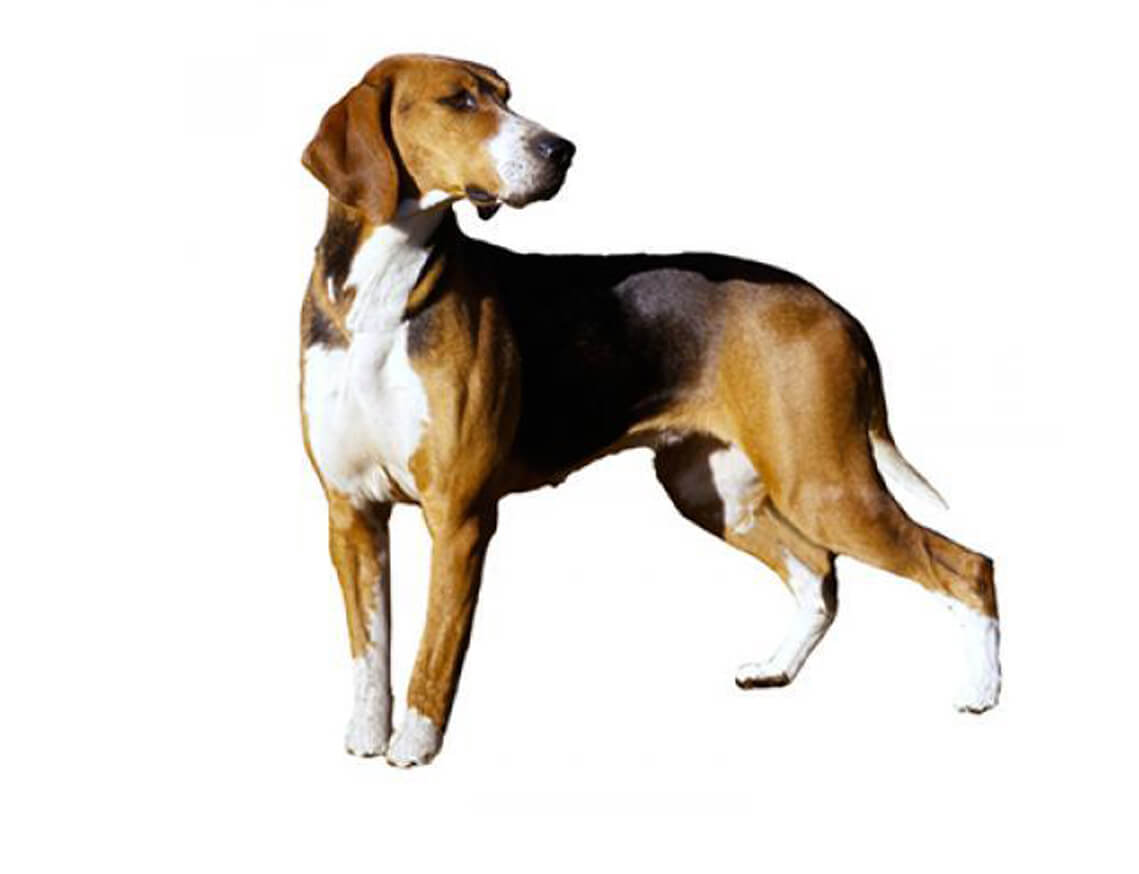
Hamiltonstovare

Smart, and strong with a glossy, richly marked coat, the Hamiltonstovare is a medium/large sized hound. Slightly longer than they are tall, the Hamiltonstovare has a close-lying, short, tricolour coat (black, tan and white), neat hard feet and a proud head and upstanding carriage.


The need-to-know
 

  • Dog suitable for owners with some experience
  • Some training required
  • Enjoys active walks
  • Enjoys walking one to two hours a day
  • Medium dog
  • Minimum drool
  • Requires grooming once a week
  • Non hypoallergenic breed
  • Chatty and vocal dog
  • Not a guard dog
  • May require training to live with other pets
  • Great family dog
Lifespan:
14-17 years
Weight:
Between 23-27kg
Height:
53-61cm for males and 49-57cm for females
Colours:
Tricolour coat of black, tan and white
Size:
Medium/large
Kennel Club Groups:
Hound
Personality

Alert, determined and independent, although perhaps a little more inclined to listen to a human than some of their ancestors, the Hamiltonstovare is not a dog for the inexperienced or faint-hearted! If left bored, unsupervised or lonely, they will become vocal and destructive. The Hamiltonstovare will enjoy a home where someone is home all the time, and with people who enjoy fell-running, Cani-X or scent-based sports/games. They are good with children on the whole but this is a fairly large hound and when young, can be quite boisterous and bouncy!


History and Origins

Country of Origin: Sweden


One of Sweden’s most popular hound breeds, the Hamiltonstovare was developed in the late 19th century by one of the founders of the Swedish Kennel Club, Count Adolf Hamilton. Count Hamilton used a mixture of popular hounds to create his perfect breed - particularly the Foxhound, Harrier, Holsteiner and Heidebracke. Unlike most of their ancestors however, the Hamiltonstovare is not bred to work in a large pack. Instead, they were developed to be used singly or in pairs, to flush fox and hare to waiting guns. First recognised in 1921, the Hamiltonstovare has remained a relatively rare breed, with a core of breed supporters who endeavour to keep the breed going.


Nutrition and Feeding

Your dog's diet needs to have the right balance of all the main nutrient groups including a constant supply of fresh water to keep your pet hydrated. It's important to conduct regular body condition scores to ensure you keep your dog in ideal shape, and remember to feed him at least twice daily in accordance with the feeding guidelines of his particular food.

Exercise

This is a dog who needs a minimum of two hours of exercise per day, including training, games, and scent work to keep its mind active and fulfilled. When mature, activities such as Cani-X, fell-running and jogging are likely to help keep the Hamiltonstovare occupied as this is not a dog who will be happy and content with a couple of walks around the block!

Other Information

Health and common concerns


The Hamiltonstovare is generally a healthy, robust breed with no widely recognised breed specific health problems. Check with the Kennel Club and breed club for up-to-date health information.


Space requirements


Large, frequently muddy, and boisterous when young, the Hamiltonstovare requires a fairly large home and a big, very securely fenced garden. Not a dog for the urban dweller, this hound needs access to lots of countryside walks and secure places to run. Inclined to be vocal when worried, bored or left alone, they are better living in less densely populated areas.


Training hamiltonstovare dogs 


Independent minded, and unlikely to be amused by repetitive dog training, the Hamiltonstovare requires a patient and clever trainer who will work with their excellent scenting ability and incredible stamina. Training a solid recall is a must, but careful management with a long-line is likely to be necessary, particularly in new or insecure locations. By using positive reinforcement and sensitive, consistent methods the Hamiltonstovare can become a well-behaved member of the family – although without it, they are inclined to be something of a boisterous hooligan!


Best family dog breeds


While many dogs are traditionally thought of as being good with children , all dogs and children need to be taught to get on with and respect each other, and be safe together. Even so, dogs and young children should never be left alone together and adults should supervise all interactions between them.


Did you know?


  • Although the Hamiltonstovare is considered a Swedish breed, much of their ancestry comes from German and English hounds.
  • In the past, in both Germany and England, owning hunting hounds was illegal for anyone not a member of royalty or nobility. This was because all the game and of course the land itself, belonged to the noble and royal families and so ownership of such a hunting dog, including the type that became the Hamiltonstovare, was illegal, and could result in heavy penalties as just owning one implied the owner was poaching!


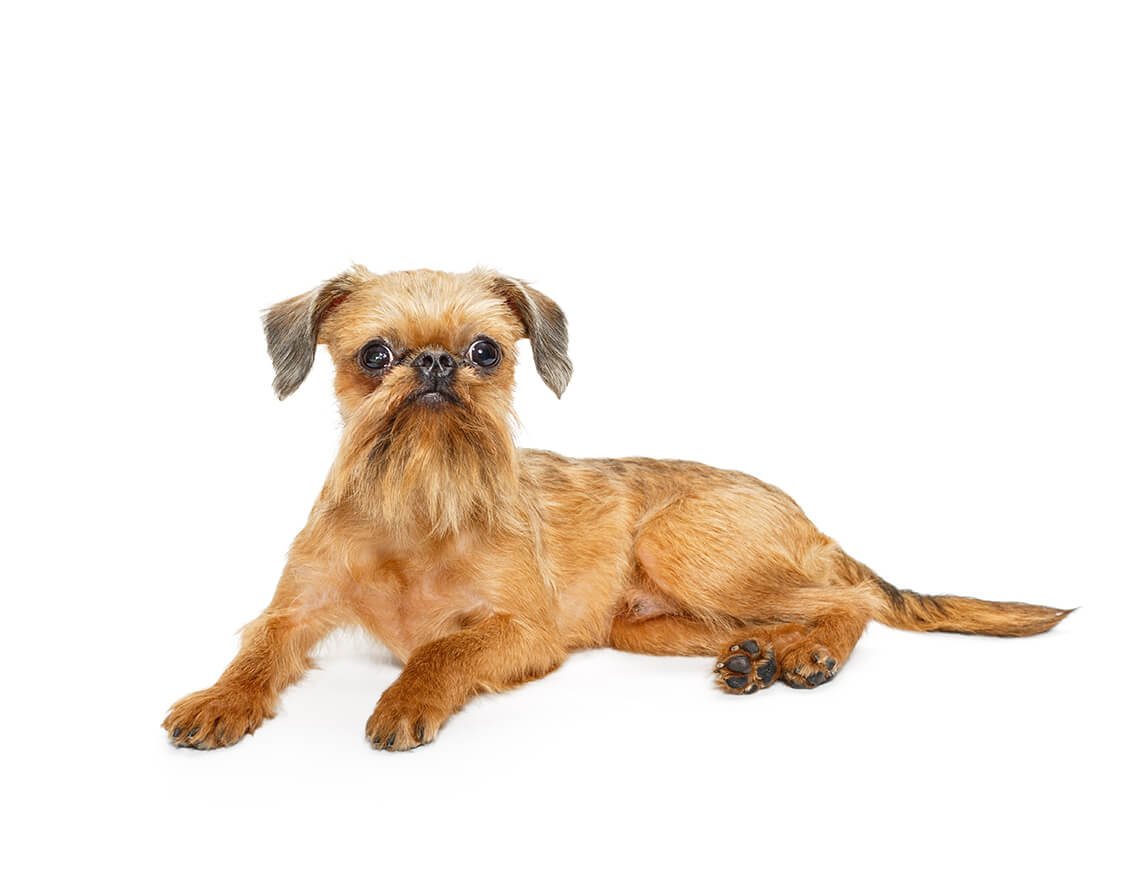
Griffon Bruxellois (Short/rough coat)

The Griffon Bruxellois dog breed comes in two types: rough or smooth-coated. The distinctive feature of a Griffon is its Pug-like face. The nose is quite short and turned up. Large, prominent eyes are another Pug-like feature as is the undershot jaw. This has led some people to liken the Griffon dog face to a monkey. This dog comes in red, black, or black and tan. Adults measure 18-20cm and weigh 2-5kg.


The need-to-know
 

  • Dog suitable for non-experienced owners
  • Basic training required
  • Enjoys gentle walks
  • Enjoys walking half an hour a day
  • Little toy dog
  • Minimum drool
  • Requires grooming every other day
  • Non hypoallergenic breed
  • Chatty and vocal dog
  • Guard dog. Barks and alerts
  • May require training to live with other pets
  • May require training to live with kids


Personality

The Griffon dog is not suggested as a companion for children, as their sometimes rough play can be misconstrued and make the dog fearful and unpredictable around children. Griffons can be stubborn but they are quick to learn and have been trained to do very well in various dog sports. They like to be close to their owner and can be destructive if left alone for a long period.


History and Origins

The Griffon Bruxellois is a Belgian breed that was created in the 19th century by crossing Affenpinschers, Pugs and Belgian stable dogs. Hansom cab drivers needed a small, intelligent dog to guard their cabs and dispense with vermin in the stables. The toughness of the street dogs, mixed with the cleverness of the Affenpinschers, proved useful to the cab drivers. Later, English Toy Spaniels were bred in to create an almost human-like face for the Griffon dog and possibly some Yorkshire Terrier was added into the mix.

Nutrition and Feeding

Toy dogs have a fast metabolism, meaning they burn energy at a high rate, although their small stomachs mean that they must eat little and often. Small-breed foods are specifically designed with appropriate levels of key nutrients and smaller kibble sizes to suit smaller mouths. This also encourages chewing and improves digestion.

Exercise

Active and with a terrier streak, the Griffon dog breed does like a good run but will adapt happily to life in a flat. As a minimum, he needs about half an hour's daily exercise.

Other Information

Health and common issues


The breed does not have many specific health problems, but as with other breeds of dogs with a relatively flat face, they can be prone to breathing difficulties and eye problems. Like many small breeds, they can suffer from kneecaps that may temporarily slip out of place (luxating patellas). An inherited spinal disorder is recognised in the breed and breeding dogs should therefore be screened for this.


Best family dog breeds


While many dogs are traditionally thought of as being good with children , all dogs and children need to be taught to get on with and respect each other, and be safe together. Even so, dogs and young children should never be left alone together and adults should supervise all interactions between them.


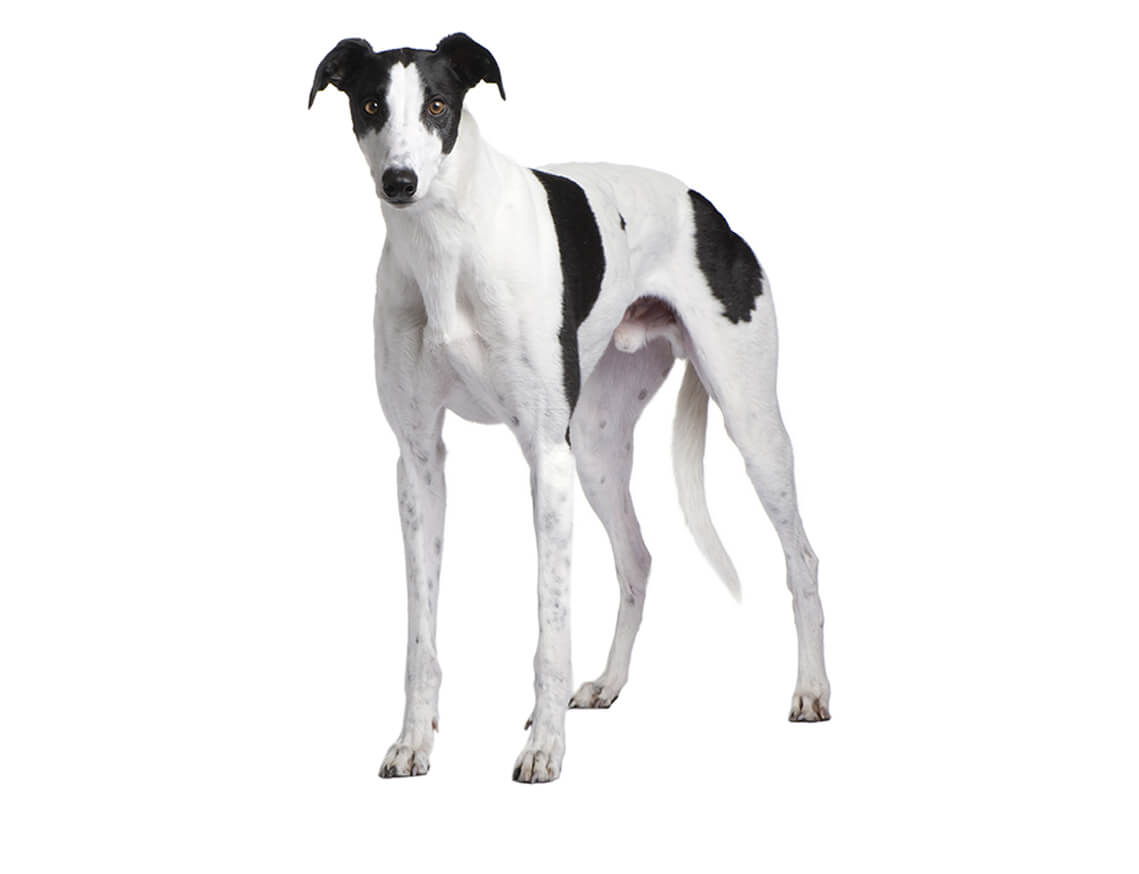
Greyhound

Greyhounds are the racehorses of the canine world, incredibly fast, graceful and elegant. These dogs are muscular and strongly-built. The short, fine coat comes in black, white, red, blue, fawn, fallow, brindle or any of these colours with white. Adult dogs are 71-76 in height and weigh about 30-32kg; adult females are 69-71cm and 27-30kg.


The need-to-know
 

  • Dog suitable for owners with some experience
  • Some training required
  • Enjoys active walks
  • Enjoys walking an hour a day
  • Large dog
  • Minimum drool
  • Requires grooming once a week
  • Non hypoallergenic breed
  • Quiet dog
  • Not a guard dog
  • May require training to live with other pets
  • Great family dog
Personality

These dogs are calm and social indoors and can even be rather lazy. They are sensitive dogs who can make ideal family pets if given the right owners! While they are gentle by nature, their natural hunting instinct is always present and owners must be willing to take on the necessary responsibilities that go with the breed. Greyhounds are affectionate with their families, though usually aloof with strangers. They normally get on well with other dogs in the household but cat owners should exercise extreme caution.


History and Origins

Greyhounds were among the most favoured of all dogs; Pharoahs and other Asian and African leaders had images of their dogs engraved into their tombs, dating back to 4,000BC. They were used for coursing antelopes, wolves and deer, and became extremely popular, spreading through the Near East and Europe, eventually arriving in Britain where they became a status symbol, so much so that in 1016 only the elite were allowed to own a Greyhound dog breed. They were used in coursing hares, and later track racing took over, which again proved them to be the fastest dogs on earth: only the cheetah can beat them for speed in the animal world!


Nutrition and Feeding

Large breed dogs, as well as having large appetites, benefit from a different balance of nutrients including minerals and vitamins compared to smaller-breed dogs. Greyhounds are prone to bloating and stomach problems; smaller, more frequent meals can help minimise this risk.

Exercise

Although Greyhounds are the most athletic of all domestic dogs, they do not need copious amounts of exercise. Two 20-minute runs a day will usually suffice. They are known as the 40mph couch potatoes – needing a good, fast sprint, not miles of walking. A reliable recall is essential before they are let off the lead in public areas because of their chase instinct and they may need to be muzzled to protect the small animal population. Note: a warm coat may be needed in cold weather.

Other Information

Health and common issues


The Greyhound is generally a relatively healthy breed with few widely recognised health problems.


Best family dog breeds


While many dogs are traditionally thought of as being good with children , all dogs and children need to be taught to get on with and respect each other, and be safe together. Even so, dogs and young children should never be left alone together and adults should supervise all interactions between them.


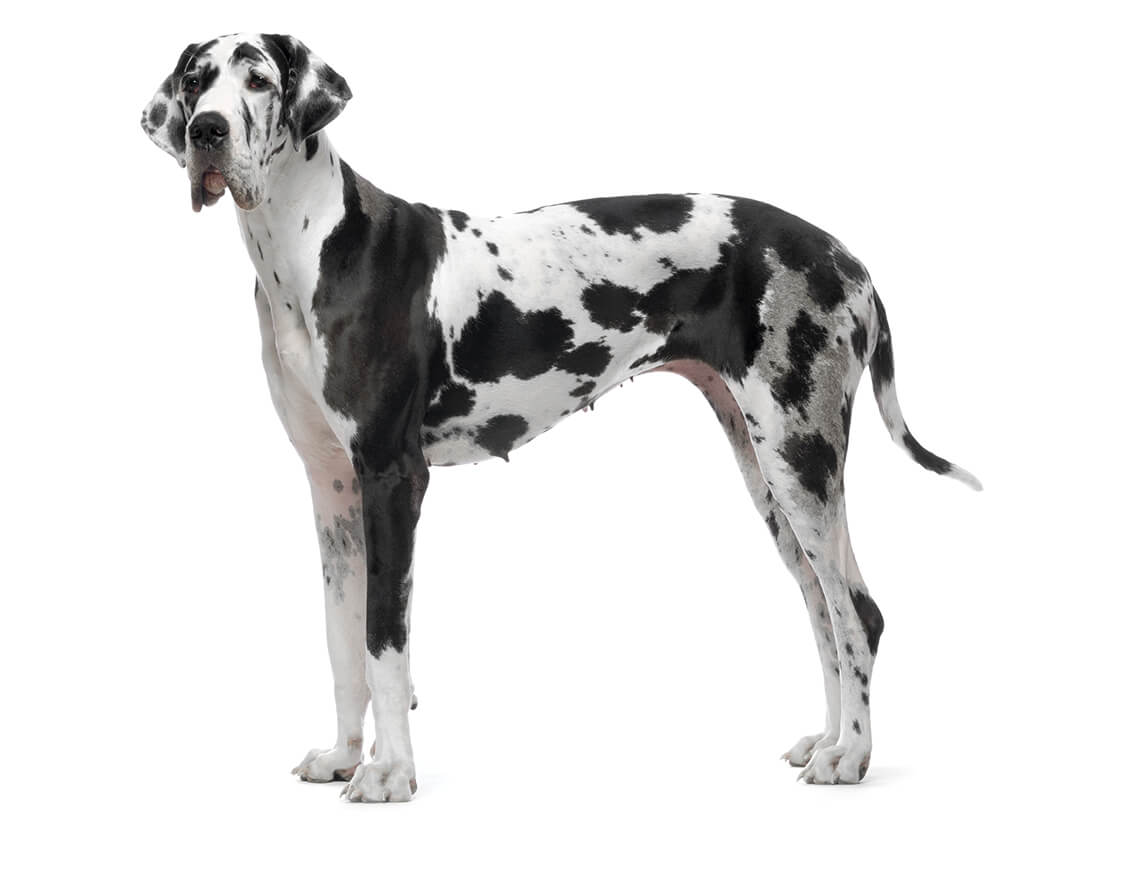
Great Dane Dog Breeds

The Great Dane truly deserves the nickname “gentle giant”. These dogs are indeed giant, muscular and strong, but they have a friendly expression and a genuine desire to please everyone around them, humans or pets. They can be easily recognised due to their large stature as well as their long, rectangular head. Their short, sleek coat comes in a range of colours.


The need-to-know
 

  • Dog suitable for experienced owners
  • Extra training required
  • Enjoys active walks
  • Enjoys walking one to two hours a day
  • Giant dog
  • Minimum drool
  • Requires grooming once a week
  • Non hypoallergenic breed
  • Chatty and vocal dog
  • Guard dog. Barks, alerts and it's physically protective
  • May require training to live with other pets
  • May require training to live with kids


Lifespan:
8–10 years
Weight:
Ideal weight should be 54kg. Females should be 46kg
Height:
Over 18 months of age, the minimum height of dogs should ideally be 76cm. Females of the same age should be a minimum of 71cm
Colours:
Fawn, black, blue, brindle and harlequin
Size:
Giant
Kennel Club group:
Working
Personality

The Great Dane is an affectionate dog, ideally suited to the active family. They can become very close and loyal to their family and even to frequent visitors. They are quick to alert the family of any strangers approaching their territory, as they are excellent guard dogs and can sometimes be territorial and not welcoming of canine intruders. Puppy socialisation and puppy training is of particular importance in such a canine giant.


History and Origins

Country of Origin: Germany


Despite their name, the Great Dane is a German breed and has been known as the German Mastiff or the Deutsche Dogge. The ancestors of this breed have been known since ancient times but they were far heavier and more mastiff in appearance. In the Middle Ages they became popular as high-status hunting dogs of royalty often working in a pack to hunt wild boar. The Great Dane as we know it today however didn’t come into being until the 19th century when it had become both taller and more lightweight - possibly with the inclusion of Greyhound or other large hounds. While they have worked as guard dogs, the modern Great Dane was bred for docility and so his impressive bark is far worse than his bite!


Nutrition and Feeding

Giant-breed dogs, as well as having giant appetites, benefit from a different balance of minerals and vitamins, supporting different joint and cartilage needs. Great Danes are prone to bloating and stomach problems. Try feeding smaller, more frequent meals to help minimise the risk.

Exercise

A fit Great Dane adult will need in the region of a couple of hours of exercise daily. They enjoy walks and will happily go along will the family on their outdoor activities. But they are also keen on spending time in front of the fire, enjoying any creature comforts that are available. Dog exercise must be given in limited amounts during the growth period, as too much can cause serious bone, joint and muscle problems.

Ideal Owner

The Great Dane would suit an owner who is at home a lot (as they are not easily portable), has lots of space and is able to cope with a friendly dog whose head is on the level of every worktop but thinks he is a lapdog!

Other Information

Health and common issues


The Great Dane is predisposed to a number of problems that are common in large breeds of dog, including a specific stomach condition (gastric dilation volvulus), heart disease, a variety of bone disorders, and a particular type of aggressive bone tumour (osteosarcoma).


Space requirements


The Great Dane is a dog who needs a lot of space - both in the house and in the garden - and is best suited to a large rural property.


Training great danes


Such a giant breed needs training to make sure they are safe and social members of canine society. It is especially important that they learn to walk well on a lead and that they have a good recall - especially as their size can intimidate other dogs and people. Great Danes can enjoy reward-based training and some have been seen competing in obedience. Dog socialisation activities should be prioritised and ongoing.


Best family dog breeds


Great Danes can make great family dogs but they are often just too big to live easily with smaller children. While many dogs are traditionally thought of as being good with children, all dogs and children need to be taught to get on with and respect each other, and be safe together. Even so, dogs and young children should never be left alone together and adults should supervise all interactions between them.


Did you know?


The Great Dane holds the record for being the tallest dog breed in the world, and while in its present form it has only worked as a guard dog, the ancestors of this canine colossus have been war dogs, fighting dogs, and high-status hunting dogs. They are now gentle giants, bred for their docility. Their deep powerful bark being far worse than their pretty much non-existent bite.


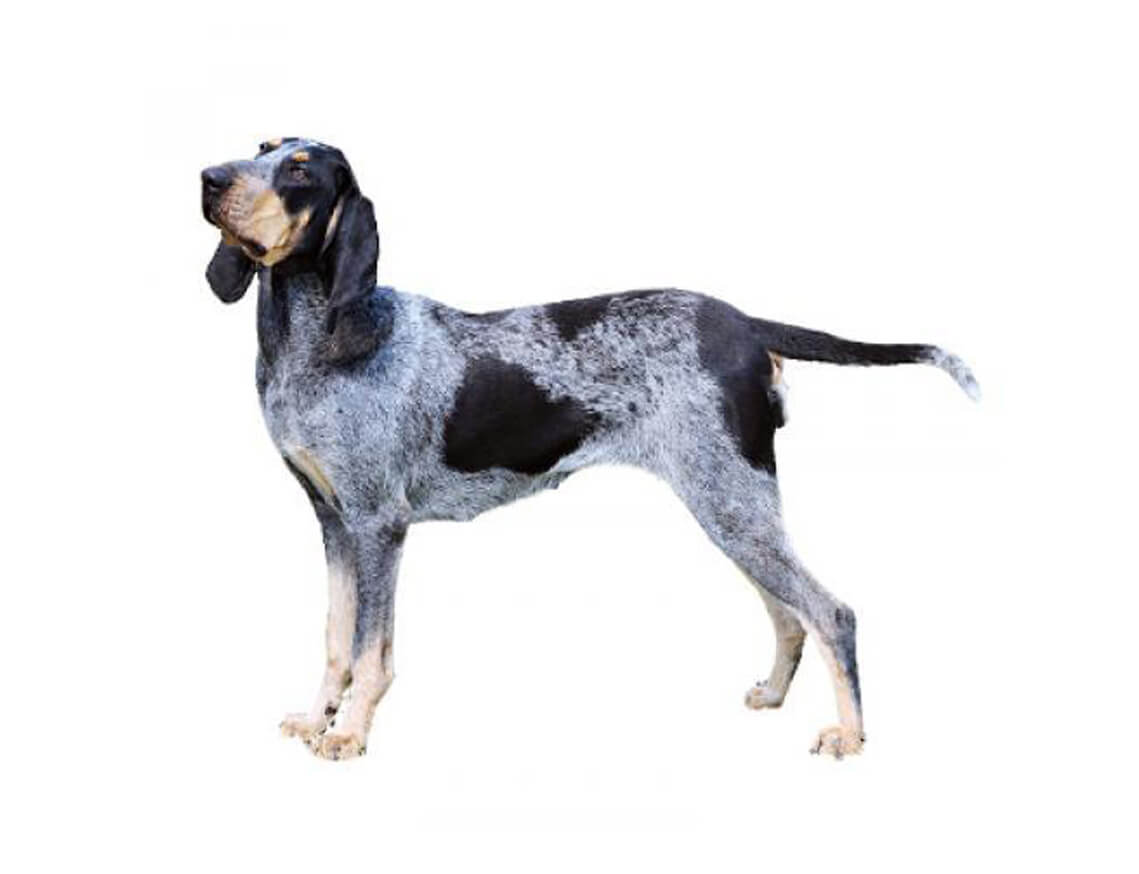
Grand Bleu de Gascogne

Large and impressive, the Grand Bleu de Gascogne has a long, noble head with pendulous ears, a muscular neck and powerful body. Somewhat like a bloodhound but lacking the excessive skin, this is an athletic scent hound built to go all day. Named for their size and distinctive blue colour, created by mottled black hair on a white background.


The need-to-know
 

  • Dog suitable for experienced owners
  • Extra training required
  • Enjoys active walks
  • Enjoys walking one to two hours a day
  • Large dog
  • Some drool
  • Requires grooming once a week
  • Non hypoallergenic breed
  • Very vocal dog
  • Not a guard dog
  • May require training to live with other pets
  • May require training to live with kids
Lifespan:
10-12 years
Weight:
32-35kg
Height:
64-70cm for males, and 60-65cm for females
Colours:
Distinctive blue colour created by mottled black hair on a white background.Tan markings should be found on the face, ears, legs and under the tail
Size:
Medium
Kennel Club Groups:
Hound
Personality

Although large and athletic, the Grand Bleu is often described as lethargic. Their skill is in their persistence and ability in picking up a cold scent, rather than in speed. Described as aristocratic and noble, this is really a ‘hound person’s hound’, happier in a group of hounds and preferring to spend a lot of time outdoors, they are not likely to suit the average pet home. Determination and perseverance are strong traits and you will have to work very hard to get a Grand Bleu to work for you.


Nutrition and Feeding

This is a rural, countryside dog who will fare best with others of their own kind or at least, other gregarious scent hounds. So, while one Grand Bleu may not require a vast home, several will! Ensure a large and extremely well fenced garden is provided and that you have access to a variety of safe, interesting walking routes.

Exercise

Two hours or more of walking, some free running in a secure space and above all else the opportunity to follow scent and find whatever lies at the end of the trail. The Grand Bleu will excel in any of the scent-based sports and competitions and should really only be considered by owners who wish to dedicate a lot of time to such activities.

Other Information

History and origins


  • Country of Origin:France   Descended from the St Hubert Hound, a now extinct Bloodhound type, the Grand Bleu dates back to Medieval times. Used to hunt boar, wolf and bear in their native France, and later helped to recreate the Basset Bleu de Gascogne, a long, low version of the breed, this is still a working hound in France today.
  • Early French settlers took the Grand Bleu with them to the Americas, and it is thought to be the breed behind many of the American bloodhound types, particularly the American Coonhound.

Health and common concerns


The Grand Bleu de Gascogne is generally a healthy, robust breed with no widely recognised breed specific health problems.


Space requirements 


This is a rural, countryside dog who will fare best with others of their own kind or at least, other gregarious scent hounds. So, while one Grand Bleu may not require a vast home, several will! Ensure a large and extremely well fenced garden is provided and that you have access to a variety of safe, interesting walking routes.


Training grand bleu de gascogne’s


Independent and built to work in a pack, the Grand Bleu will be responsive to training that involves food and the opportunity to follow a scent. This is not a dog who will enjoy training for its own sake, nor will they entertain obedience training or performing amusing tricks. Learning will be mainly achieved by instilling good habits from the outset and of course management to prevent the learning of bad habits. Early and thorough socialisation with pets and livestock is essential.


Best family dog breeds


While generally good natured and amiable, this hound requires a lot of exercise and a lot of management. As they are a large hound, they will mature slowly and may be too boisterous or bouncy for homes with very small children. Suited to owners who enjoy scent-based sports and spending many hours outdoors walking in all weathers, they are not really suited to the majority of family homes. While many dogs are traditionally thought of as being good with children, all dogs and children need to be taught to get on with and respect each other, and be safe together. Even so, dogs and young children should never be left alone together and adults should supervise all interactions between them.


Did you know?


  • George Washington owned a pack of seven Grand Bleu de Gascogne, one of which gave birth to a litter of 15.
  • It is claimed that there are now more Grand Bleu in America than there are in France.  


Gordon Setter

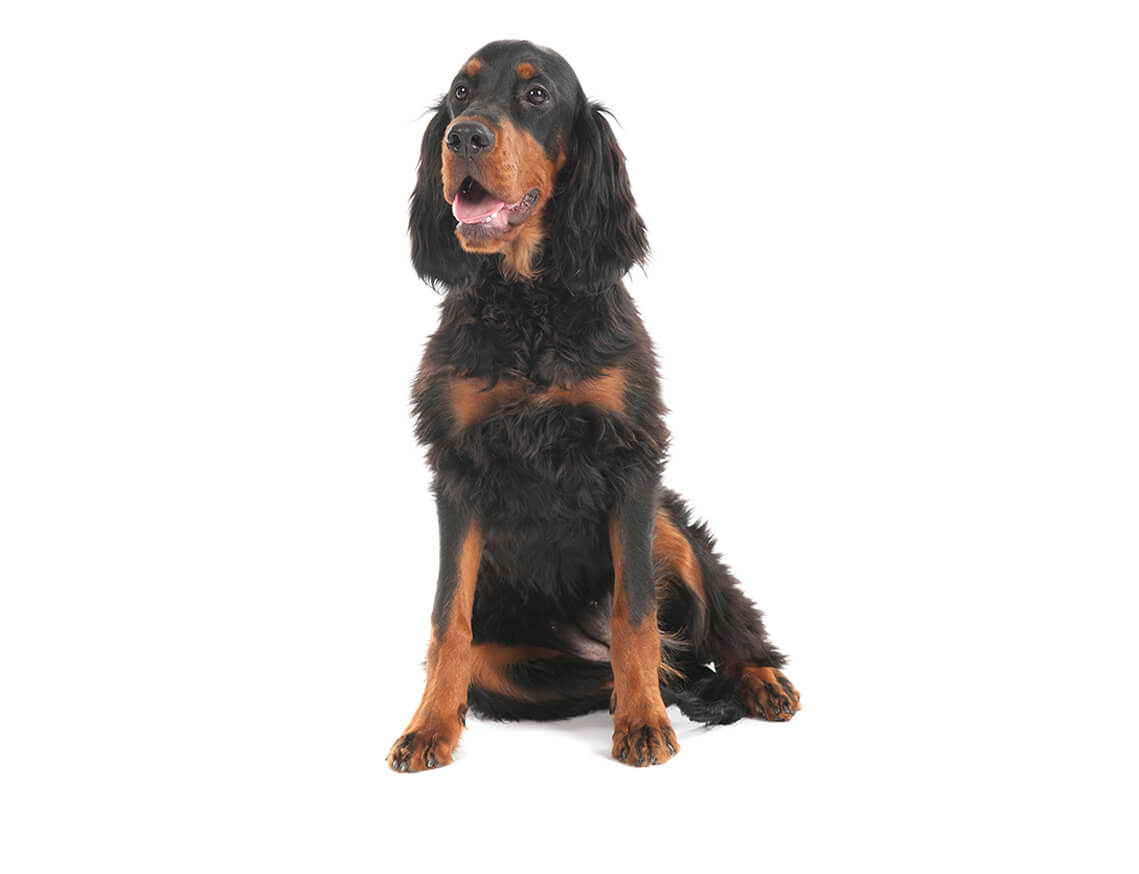
A tall and majestic dog, the Gordon Setter combines powerful size and elegance with a sturdy, athletic frame. Wearing a glossy black and tan coat, heavily feathered on legs, chest, stomach, ears and with a magnificently flagged tail, this is a strong dog able to hunt for long hours.


The need-to-know
 

  • Dog suitable for non-experienced owners
  • Some training required
  • Enjoys vigorous walks
  • Enjoys walking one to two hours a day
  • Large dog
  • Some drool
  • Requires grooming every other day
  • Non hypoallergenic breed
  • Quiet dog
  • Not a guard dog
  • May require training to live with other pets
  • Great family dog
Lifespan:
10-12 years
Weight:
Adult males 29.5kg, adult females 25.5kg
Height:
Adult males are 66cm tall and females 62cm tall
Colours:
Black and tan
Size:
Large
UK Kennel Club Groups:
Gundog
Personality

Slow to mature and with a sensitive nature as adults, juvenile Gordon Setters can be quite a handful and will require patient training to instil good behaviour and manners without squashing their affectionate, dignified nature.  Sociable and friendly with family and well-known friends, the Gordon Setter needs a little time to warm up to strangers, but makes an excellent companion with sufficient exercise and patience.


History and Origins

Country of Origin: Scotland


Setters have existed in Scotland since the 1600’s, and towards the end of that century the 4th Duke of Gordon set about establishing his own recognised type. For a long time however, the Duke was primarily focused on how well his dogs worked rather than what they looked like, and so his kennels housed and worked setters of many colours, including black and white, red and white and tri-colour – all called the Duke of Gordon’s Setters. It was later in the breed’s history that the black and tan form we know today became fixed, most likely as a result of the breeds success in the show ring. Larger and slightly slower than smaller setters, the Gordon Setter had more stamina on the Scottish grouse moors and were reputed to bring home more birds than other gundogs.


Nutrition and Feeding

Large breed dogs, as well as having large appetites, benefit from a different balance of nutrients including minerals and vitamins compared to smaller-breed dogs. The Gordon Setter is also prone to bloating and stomach problems. Smaller, more frequent meals can help minimise this risk. Discover more about how to offer your dog a balanced diet with our easy-to-follow guide.

Exercise

The Gordon Setter is a dog with strength, stamina and enormous endurance, so expect several hours of dog exercise, including walking and some free running daily, regardless of the weather. Taking part in appropriate dog sports or activities is advisable, particularly those that utilise the Gordon Setters endurance, and scenting and retrieving ability. This is an intelligent dog however so any activity you have the patience to train will be beneficial to their mental and physical wellbeing.

Other Information

Health and common issues


As with many breeds, the Gordon Setter can suffer from hereditary eye disorders and hip dysplasia (a condition that can lead to mobility problems). The Gordon Setter is a deep chested breed which can be prone to bloating. Eye testing and hip scoring of dogs prior to breeding is therefore important.


Space requirements


The Gordon Setter is large dog with a coat that collects a considerable quantity of mud and muck, better suited to country living and a large home and garden. Given the exercise requirements, easy access to a variety of country walks is essential as this is not a dog to be kept happy with a trot around the streets.


Training gordon setter


While intelligent and capable of learning, this is a large, slow maturing breed. Rushing or over-facing a Gordon Setter will result in a confused dog who fools around rather than learns, and can be mis-understood as stubborn or wilful. Bred to work away from people and make their own decisions, the Gordon Setters have an independent mind and will form their own opinions easily, so careful management is key! Take dog training at the pet’s pace rather than yours, and enjoy the journey.


Best family dog breeds


The Gordon Setter is better suited to homes with older children, as when young they can be boisterous and clumsy, and adore picking up and carrying ‘treasure’, which can lead them into trouble if this causes confrontation, something smaller children aren’t able to understand. With older children or a more mature family, the Gordon can be an excellent companion, provided plenty of training and long country walks are offered daily. While many dogs are traditionally thought of as being good with children, all dogs and children need to be taught to get on with each other and be safe together. Even so, dogs and young children should never be left alone together and adults should supervise all interactions between them.


Did you know?


  • Though it is often assumed that the Duke of Gordon who created the breed, favoured the black and tan coat, in fact his interests lay only in his dogs working ability. Colour was not an issue and in fact the dark coated examples were harder to see in the hunting field. It was the popularity of the breed in the show ring that set the preference for colour, until eventually Gordon Setters were recognised only as a black and tan breed.
  • It is thought that at some point in the breed’s development a little Collie blood was added as for a while in their history, the Gordon Setter would try and herd their quarry.


Giant Schnauzer

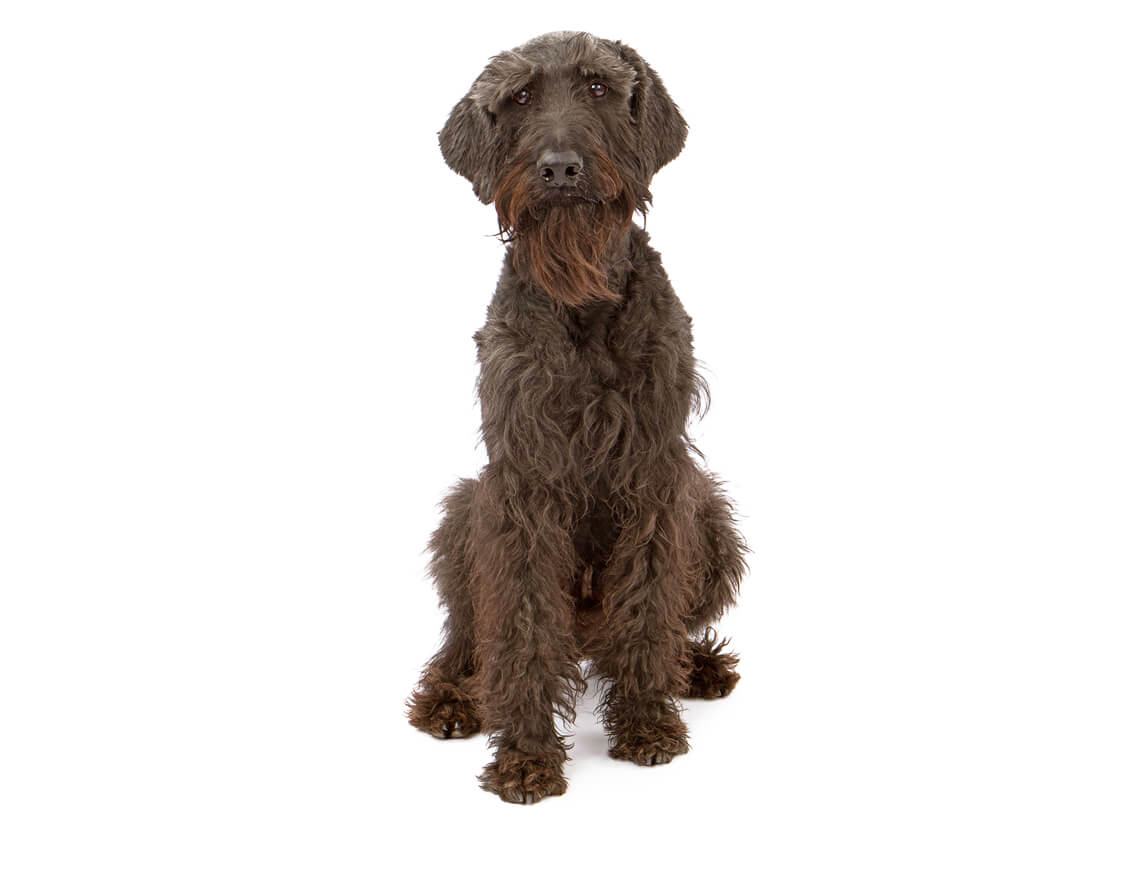
Strong, imposing, and business-like, the Giant Schnauzer is a powerfully built, square framed dog with a coat that is harsh and protective in texture. This working dog is an affectionate and loyal companion, but they’re also full of energy and stamina. If you don’t mind play sessions several times a day, this is the dog for you.


The need-to-know
 

  • Dog suitable for experienced owners
  • Extra training required
  • Enjoys vigorous walks
  • Enjoys walking one to two hours a day
  • Large dog
  • Minimum drool
  • Requires grooming every other day
  • Hypoallergenic breed
  • Chatty and vocal dog
  • Guard dog. Barks, alerts and it's physically protective
  • May require training to live with other pets
  • May require training to live with kids
Lifespan:
12-15 years
Weight:
Adult males 27-48kg, adult females 25-34kg
Height:
Adult males stand at 65-70cm, females are around 60-65cm
Colours:
Black or pepper and salt (dark iron grey to light grey with hair banded dark/light/dark)
Size:
Large
UK Kennel Club Groups:
Working
Personality

The Giant Schnauzer should look strong, alert and imposing, but be good-natured in temperament. A natural watchdog, they will be vocal to get your attention if necessary, and will need polite introduction to new people rather than assuming friendship on sight! If well socialised, the Giant Schnauzer can get on well with other animals, but are generally better with dogs of the opposite sex. 


History and Origins

Country of Origin: Germany


The original ancestor of the Giant Schnauzer is unsurprisingly, the Standard Schnauzer. Cattlemen from Bavaria found they needed a larger dog for working their cattle over long distances and created the breed using other pastoral types including Great Danes, Rottweilers and possibly the Bouvier des Flandres. Since then this tough, working breed has found popularity as a very effective police and security dog. 


Nutrition and Feeding

Large breed dogs, as well as having large appetites, benefit from a different balance of nutrients including minerals and vitamins compared to smaller-breed dogs. The Giant Schnauzer is also prone to bloating and stomach problems. Smaller, more frequent meals can help minimise this risk. Discover more about how to offer your dog a balanced diet with our easy-to-follow guide.

Exercise

Two hours a day or more, of dog exercise with walking, training and games included will be needed to keep the Giant Schnauzer content. This is an athletic outdoors dog, not put off by wind and rain due to his protective, weather resistant coat. Although smart in appearance, the Giant Schnauzer’s trousers and beard will pick up water, mud and debris and so need drying and checking after each walk to clean up.

Other Information

Health and common issues


As with many breeds, the Giant Schnauzer can suffer from various hereditary eye disorders, and hip dysplasia (a condition that can lead to mobility problems). Eye testing and hip scoring of dogs prior to breeding is therefore important. Epilepsy and a particular type of cancer of the toe are also encountered relatively frequently.


Space requirements


The Giant Schnauzer is a large dog with a coat that collects muck, water and debris, so may not be suitable for the smaller home. A large garden offering space to train and play in, and access to a variety of walking routes will help keep them mentally satisfied. Given their vocal, guarding nature, this is a dog who needs space and will be potentially over stimulated and stressed by constant noise from neighbours or traffic. Quiet suburbs or rural living will suit the Giant Schnauzer better than busy town or city.


Training giant schnauzers


The Giant Schnauzer is suited to those who enjoy dog training and working with their pet. Early dog socialisation is vital to ensure they are relaxed and happy in the presence of other dogs and animals, as this breed has guarding tendencies and will react to unfamiliar sights and sounds. Well capable of competing in a variety of dog sports including tracking, Cani-X and obedience, this is a dog who needs a job to do.


Best family dog breeds


The Giant Schnauzer is a working, guarding breed and therefore better suited for those with older children or teenagers. As puppies and juveniles, they are big, boisterous and bitey, not an ideal combination with children. This is also a dog that requires several hours of exercise and training per day which will take up a reasonable amount of time and energy making them less suitable for the young, busy family. While many dogs are traditionally thought of as being good with children, all dogs and children need to be taught to get on with each other and be safe together. Even so, dogs and young children should never be left alone together and adults should supervise all interactions between them.


Did you know?


The Giant Schnauzers moustache and beard are so important to the breed it is actually where their name originates. The term comes from the German word for ‘snout’ and colloquially means ‘moustache’ or ‘whiskered snout’.