Sorry, you need to enable JavaScript to visit this website.
Skip to main content
Cat urinary tract problems
1 min read
If you’ve noticed that your cat is having problems urinating, it may be down to feline lower urinary tract disease (FLUTD). This is a broad term that’s used to describe a number of urinary tract conditions that affect cats’ bladders and urethras. The most common condition results in inflammation of the bladder (cat cystitis) and, in male cats, similar symptoms accompanied with an obstruction of the urethra (the tube from the bladder to the outside). This condition, known as idiopathic cat cystitis, is unfortunately both common and complex and, as symptoms can be medical and/or behavioural, you won’t always know exactly what’s triggered it. Cats can get urinary problems which prevent the bladder from emptying properly and, when not treated quickly could cause a blockage of the urethra. These urinary problems are most commonly caused by feline lower urinary tract disease (FLUTD). Unlike the name suggests, FLUTD is not actually a specific type of disease, but an umbrella term for conditions that affect the urinary bladder and/or urethra in cats. Potential causes of feline lower urinary tract disease (FLUTD) There are numerous issues that may cause FLUTD, some of the most common causes are:
Cat-Proofing Your Garden
1 min read
Your new cat is precious, so you will want to make their new environment as safe as possible. So where do you start when creating a cat-proof garden? Cats, and especially kittens, are naturally inquisitive, and investigate objects by touching, sniffing and tasting them. When you bring a new cat into your home they’ll be curious about everything and unlike us, won’t be able to tell the difference between what is and isn’t dangerous. If you’re not sure how to cat-proof your garden, follow our checklist to keep your pet out of trouble! Dangerous plants to remove for a cat-proof garden Although we think of cats as meat-eaters, don’t be surprised if you spot your cat chewing vegetables or other plants. Some cats like to munch on grass outdoors, or nibble at the leaves of potted houseplants indoors. Keep an eye on exactly what your cat is grazing on, as some plants have parts that are toxic to them. Make sure your project to cat-proof your garden includes getting rid of these toxic plants for cats: • Lilies; • Azalea; • Daffodil; • Tomato; • Foxglove; • Yew; • Hydrangea; • Dieffenbachia (Dumb Cane); • Philodendron; • Mistletoe; • Poinsettia. Your vet can give you a complete list of plants that could be harmful to your cat, or click here for a list of dangerous plants for cats. Do you need to cat-proof the garden for an indoor cat? Yes. Your cat or kitten has a natural instinct to play outdoors, establish territory, climb trees, and catnap in the sun. As fun as this sounds, there are some things that you’ll need to look out for in the great outdoors. When outside, cats are exposed to more diseases and parasites, risk getting lost or stolen, and could potentially get hurt by a car. To allow your cat outdoors and also keep them safe, you can create a cat-proof garden. Some cats are quite happy staying indoors – although that does rely on you knowing how to make a cat-friendly home and make their environment exciting to compensate for the lack of outdoor stimulation. Other cats will prefer to roam outdoors – deciding between which option is best for your cat will take careful consideration on your part. If you decide to allow your cat outdoors, ask your breeder or vet for advice and make sure you've made their outdoor space as safe as possible.
Cat Pregnancy Information & Advice
1 min read
Having kittens is a very exciting and emotional time for you and your cat. Before you can welcome bundles of fur into your home, you need to know how to tell if your cat is pregnant, and what you can do to ensure her pregnancy is as happy as possible. It’s important to remember when planning to have kittens that your cat and her litter will have demands that you will need to be prepared to handle. To help you support your pet throughout her pregnancy and labour, we’ve covered everything you need to know about expectant cats. Cat pregnancy Much like us, cats have periods of peak fertility when they can become pregnant - this is known as being in season or in heat. Cats can come into season about once every three weeks, so there are plenty of opportunities for your pet to fall pregnant! If you’d like to avoid an unexpected litter of kittens, we recommend neutering your cat before her first season, as she can become pregnant very easily after that point. As bringing up a litter can be stressful for your cat, and expensive for you, we recommend leaving breeding to the experts if possible. How long is a cat pregnant? Cat pregnancy normally lasts between 63 to 67 days, but it can be tough to know exactly how long a cat is pregnant for. The cat gestation period can vary from as short as 61 days to as long as 72 days. Your cat (queen) often won’t show any physical symptoms of pregnancy until she is a few weeks into her term. If you think that your cat is pregnant, take her to the vets for confirmation. If you would like to know how to tell if a cat is pregnant yourself, there are several physical signs that you should be able to spot after two or three weeks have passed. How to tell if your cat is pregnant? • After approximately 15-18 days of a cat pregnancy, you may notice that your pet’s nipples become enlarged and red – this is known as ‘pinking-up’. • Similar to morning sickness in humans, your pregnant queen may go through a stage of vomiting. If you notice that her sickness becomes frequent, or she is at all unwell in any other way, contact your vet. • Your queen’s tummy will start to swell, but avoid touching it so you don't risk hurting mum or her unborn kittens. There can be other causes behind abdominal swelling, so monitor your cat closely for any signs of illness and consult your vet if you are worried. • A mum-to-be will gradually gain between 1-2 kg (depending on the number of kittens she is carrying) - this is a strong sign that she is pregnant. • Queens tend to have an increased appetite later in their pregnancy, which will also contribute towards her weight gain. An increased appetite could also be a sign of worms or illness, so double check with your vet to confirm. • Your pregnant cat may act more maternal, meaning that she purrs more and seeks extra fuss and attention from you. • Some vet practices can diagnose cat pregnancy using ultrasound, sometimes as early as 15 days into her term. The vet may also be able to give you an indication of how many kittens your cat is expecting by day 40 of her pregnancy. Bear in mind that in cat pregnancy, a larger kitten can obscure other smaller kittens in the womb, so you could have more kittens than expected!
Health
Cat Flu: Symptoms, Treatment and Long-term Effects
1 min read
Flu in cats can be just like human flu: symptoms include a runny nose and achy muscles, and plenty of TLC is needed for recovery. Learn how to spot the signs and symptoms of flu and how it can be treated. What are the symptoms of cat flu? If you’ve ever been hit with the flu, you will have some sympathy for your cat. The illness isn’t all that different to the human variation. Just like people, most cats can fight it off; however, for more elderly animals, kittens, or cats with an underlying condition, it can be more serious. Cat flu is generally viral, meaning that in most cases antibiotics won’t be effective. Luckily there are vaccinations available. Although it’s not a guaranteed defence, vaccinating your cat will go a long way toward protecting them, particularly if you’re planning a trip to a cattery or any environment in which groups of cats are kept together. What is cat flu? Whether they’re sneezing or sniffling, the symptoms of cat flu can be fairly easy to identify once you know what you’re looking out for. Here’s a list of some of the more common signs to be aware of: • Sneezing: this is the main way in which the illness is spread. Just a few droplets from an infected cat’s sneeze can carry a distance of metres. • Runny nose. • Watery eyes. • Difficulty with, or noisy, breathing. • Dribbling. • Change in behaviour. • Loss of appetite. • High temperature. • In serious cases, ulcers around the eyes. Symptoms can range vastly in severity: whereas one strain of the virus might only result in a bit of sneezing and a runny nose, another can lead to life-threatening complications. However mild or serious the signs, don’t take a risk. As soon as you spot cat flu symptoms, take your pet to see the vet.
Cat Fleas: Causes, Prevention and Treatment
1 min read
Cat fleas are very normal, and they’re the most common reason for a cat to develop a skin problem. Introduction to cat fleas The most common type of flea found on cats is the cat flea (Ctenocephalides felis), but rabbit and hedgehog fleas can also show an interest in your cat! Flea bites are itchy for all cats, and can lead to some developing allergies (known as flea-allergic dermatitis). As if fleas weren’t pesky enough, they can also provide a thriving environment for certain types of tapeworm, and heavy infestations can cause anaemia in kittens. However there’s no need to worry, as there are a number of different cat flea prevention options for you to look at. What are cat fleas? Cats are excellent groomers, so it might be tough to imagine your preened pet catching parasites! The most obvious sign that your cat has fleas is persistent scratching, or sometimes over-grooming, which can result in bald patches on their coat. If your cat develops a flea allergy they may also have scabs and red, sore areas on their skin. Regularly grooming your cat won’t necessarily prevent parasites, but it will let you have a chance to check their fur for any signs of unwanted visitors, so that you can quickly seek treatment. What do cat fleas look like? Cat fleas are dark brown and 1-2mm long. You might spot them on your carpet or notice tiny black specks of flea waste in your cat’s fur during combing. A good way to test for fleas is to put these black specks onto some damp tissue paper – if it is from a flea, the specks will turn red because of the digested blood they contain. Fleas thrive in warm, humid environments, which means late summer is the peak season for fleas on cats, however central heating in the winter means that flea prevention is a must all year round. Does your cat have fleas? Finding it hard to tell whether or not your cat has caught this tiny parasite? Here are the most common signs of cat fleas to watch out for: • non-stop scratching • spots showing hair loss • skin irritation • excessive grooming • lethargy and pale gums caused by flea-related anaemia • black speck in the cat’s fur or bedding How do cats get fleas? Roaming outdoors all day long seems like the sure recipe for bringing home a family of fleas. But even if your feline is a homebody, parasites such as fleas might have plenty of occasions to land into the luscious fur of your indoor cat. Here is how cats can catch fleas:
Health
Cat First Aid
Cat First Aid
1 min read
There’s nothing scarier than when our pets are unwell or hurt and we often naturally go into a panic as we don’t know what to do. At Purina, we’ve created this guide to cat first aid to help you keep your pet calm and comfortable until you can reach your veterinarian. Our cats are explorers at heart, whether it’s climbing the tree in the back garden or wandering off to investigate another cat ’s territory. Unfortunately, this love of adventure can sometimes land them in trouble and you may find yourself in need of some cat first aid skills. At Purina, we’ve put together this guide of essential cat first aid tips so you can provide help straight away, giving you valuable time until you can get them to your vet. How to tell if a cat is in pain Cats are very secretive creatures and because of this we don’t always know if they’re in pain, so it can be hard to know when they need cat first aid. While it will largely depend on the specific illness or injury your pet has, a few of the most common cat illness or sickness symptoms they’ll display are as follows: • Hiding, such as in a dark place ortheir cat igloo • Rapid and shallow breathing • Growling, hissing or crying • Aggression both towards people and other pets in the home • Sleeping more often • Lack of appetite • Obsessive licking of a particular area • Lack of self-grooming • Reluctance to move or engage in cat or kitten play • Change in toileting • Limping or difficulty getting around Cat first aid When your cat is in pain or suffering, knowing how to react can often make a huge difference. You’ll need to try and keep a level head and take deep breaths and remain calm, as your cat will likely be stressed and scared. The last thing you’ll want to do in an emergency situation is to make it worse by panicking, as cats are masters of sensing how we’re feeling. The first thing you should do is contact your vet. By phoning them they’ll be able to prepare for your arrival, and if it’s an emergency they may try and talk you through some basic cat first aid via the phone too. Never give your cat medicines intended for human use as these may be poisonous and cause an adverse reaction.
Cat Ear Care and Cleaning
1 min read
Cats are incredibly clean creatures, but sometimes they may need a little bit of help cleaning those hard-to-reach places like their ears. Find out how to clean a cats ears and what you should be looking out for with our handy guide. Cats usually do a really good job of keeping themselves clean, but sometimes they may need added help in places that are hard-to-reach, like their ears. It’s not easy for your cat to give the inside of their ears a thorough clean so it’s usually a good idea to keep an eye on them and clean them when necessary. It’s important that cats’ ears are kept clean in order to avoid ear infections and other possible problems, but many cat owners don’t know how to do it. Keep reading for our top tips and advice for cleaning a cat's ears and what you should be on the lookout for. How often should you clean a cat’s ears? You should always make sure to regularly check inside of your cat’s ears so that you can be on the lookout for any problems or a possible infection. It’s best to incorporate this into their grooming routine and make sure to look inside their ears at least once a week. It will depend on your cat’s habits when it comes to how often you should clean their ears. If you have a house cat you may find that you rarely need to clean their ears, whereas if you have a cat that’s always getting up to mischief outside, they may need more regular cleaning to remove dirt they’ve picked up. It’s generally a good idea to start doing regular checks when your cat is a kitten to get them used to having their ears handled, otherwise they may be nervous and this can make cleaning a cat's ears a difficult task.
Cat Dental Care
1 min read
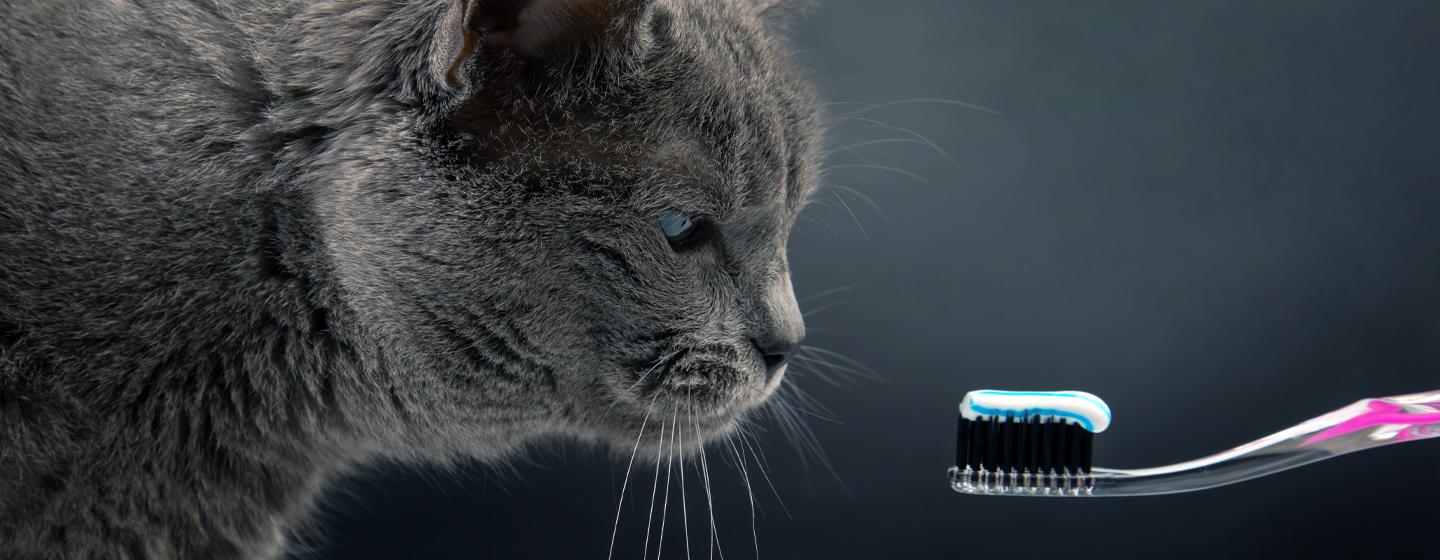
Dental disease in cats is one of the most common conditions seen by vets today. It can also be very painful, especially if left untreated. However, the good news is that – unlike many health problems – it is usually preventable through proper dental care for cats.
Cat and Kitten Insurance
1 min read
Cat insurance can bring real peace of mind and help to take the worry out of a stressful situation. Choosing the right insurance for cats might seem like a big job, but we’re here to help! Our cats give us a huge amount of enjoyment, as well as being our steadfast companions. So, when they make us worry you want to have a good cat insurance policy in place to make sure they get all the help they need. After all, money is the last thing you want to think about if your cat is ill, lost or stolen. You could chat to your vet about the types of insurance for cats that your pet might benefit from, and we’ve made a list of some general things to help you out too. Knowing how to choose pet insurance can be a little tricky, but once it’s done nothing beats the peace of mind you get from knowing your cat is in good hands! The importance of cat insurance Medical care for cats is improving all the time. However, these treatments can be costly, and when added to the stress of your cat being under the weather, they can really put the pressure on. Getting the right insurance for cats can take some of the worry away, as you’ll know you’re financially covered. Even so, it’s important to know how to choose cat insurance that will fit your pet’s needs – which means reading the small print! What to look for in a cat or kitten insurance policy When looking for cat or kitten insurance, it’s a good idea to do your research on the companies that are offering the policies. In the unfortunate event that you do need to make a claim, a good company could make the experience far less stressful. You should firstly search for a good track record from your cat insurance company and look into how many other people have claimed and what their experiences were like. They should be easy to contact and offer a good, simple and straightforward service. Don’t forget to check opening times and if they have live chat, email or if all contact is via phone. Additionally, make sure that they’re happy to answer any questions and the people you talk to should be friendly and helpful. Remember that you might need to call them at a difficult time, so you need to feel like they are approachable. Things to bear in mind for your cat insurance policy You’ll probably end up looking at all kinds of policies – and it can be difficult to choose between them if they all start to look the same! To help you out, here are the main things you might want to consider when choosing insurance for cats. The cost of your policy While you want the best policy you can get when it comes to your feline friend, you must be able to afford the cat insurance cost. If the monthly premium is too high for your finances, you’ll just be giving yourself extra stress. How much excess will you have to pay for each claim? The excess is the amount of money you have to pay before the cat insurance company covers the remainder. If the excess is high, you’re less likely to claim for minor conditions – and this should be reflected in a lower monthly cost. Only you can weigh up the pros and cons, but make sure you think it’s fair. Does the cat insurance cover all the costs of your pet’s treatment? It’s also important to find out what areas of treatment will be included within the policy.
Caring for Your Dog's Sensitive Skin
1 min read
Are you worried that your dog is suffering from sensitive skin? Both genetic factors and environmental factors can cause skin sensitivity in dogs – and identifying the reason behind your dog’s skin problems will make finding the correct treatment much easier. Below we’ve explained how to spot the symptoms of sensitive skin, what causes it, and some of the ways you can help to keep your dog’s skin healthy. The signs of sensitive skin in dogs
Health

Pagination

  • First page
  • Previous page
  • …
  • Page 15
  • Page 16
  • Page 17
  • Page 18
  • Page 19
  • Page 20
  • Page 21
  • Page 22
  • Page 23
  • …
  • Next page
  • Last page
Purina Pet Club logo

Join Purina Pet Club for expert tips, helpful advice, exclusive offers and rewards.

Join the Club
Nourishing pets Purina pets grid card
Purina Pet Club logo

Join Purina Pet Club for expert tips, helpful advice, exclusive offers and rewards.

Join the Club
Nourishing pets Purina pets grid card
  • Cat
    • Care & Advice
    • Find a Pet
    • Food
    • Our Brands
  • Dog
    • Care & Advice
    • Find a Pet
    • Food
    • Our Brands
  • About Us
    • Our Mission
    • Our History
    • Our Purina Promise
    • Purina In The Community
  • Other
    • Join Purina Pet Club
    • Breed Selector
    • Contact Us
  • Cat
    • Care & Advice
    • Find a Pet
    • Food
    • Our Brands
  • Dog
    • Care & Advice
    • Find a Pet
    • Food
    • Our Brands
  • About Us
    • Our Mission
    • Our History
    • Our Purina Promise
    • Purina In The Community
  • Other
    • Join Purina Pet Club
    • Breed Selector
    • Contact Us
  • Cat
    • Care & Advice
    • Find a Pet
    • Food
    • Our Brands
  • Dog
    • Care & Advice
    • Find a Pet
    • Food
    • Our Brands
  • About Us
    • Our Mission
    • Our History
    • Our Purina Promise
    • Purina In The Community
  • Other
    • Join Purina Pet Club
    • Breed Selector
    • Contact Us
  • Cat
    • Care & Advice
    • Find a Pet
    • Food
    • Our Brands
  • Dog
    • Care & Advice
    • Find a Pet
    • Food
    • Our Brands
  • About Us
    • Our Mission
    • Our History
    • Our Purina Promise
    • Purina In The Community
  • Other
    • Join Purina Pet Club
    • Breed Selector
    • Contact Us
© 2026 Purina. All Rights Reserved.

©Reg. Trademark of Nestlé S.A.

Terms & Conditions
Privacy Policy
Cookies
© 2026 Purina. All Rights Reserved.

©Reg. Trademark of Nestlé S.A.

Terms & Conditions
Privacy Policy
Cookies
© 2026 Purina. All Rights Reserved.