Australian Cattle Dog

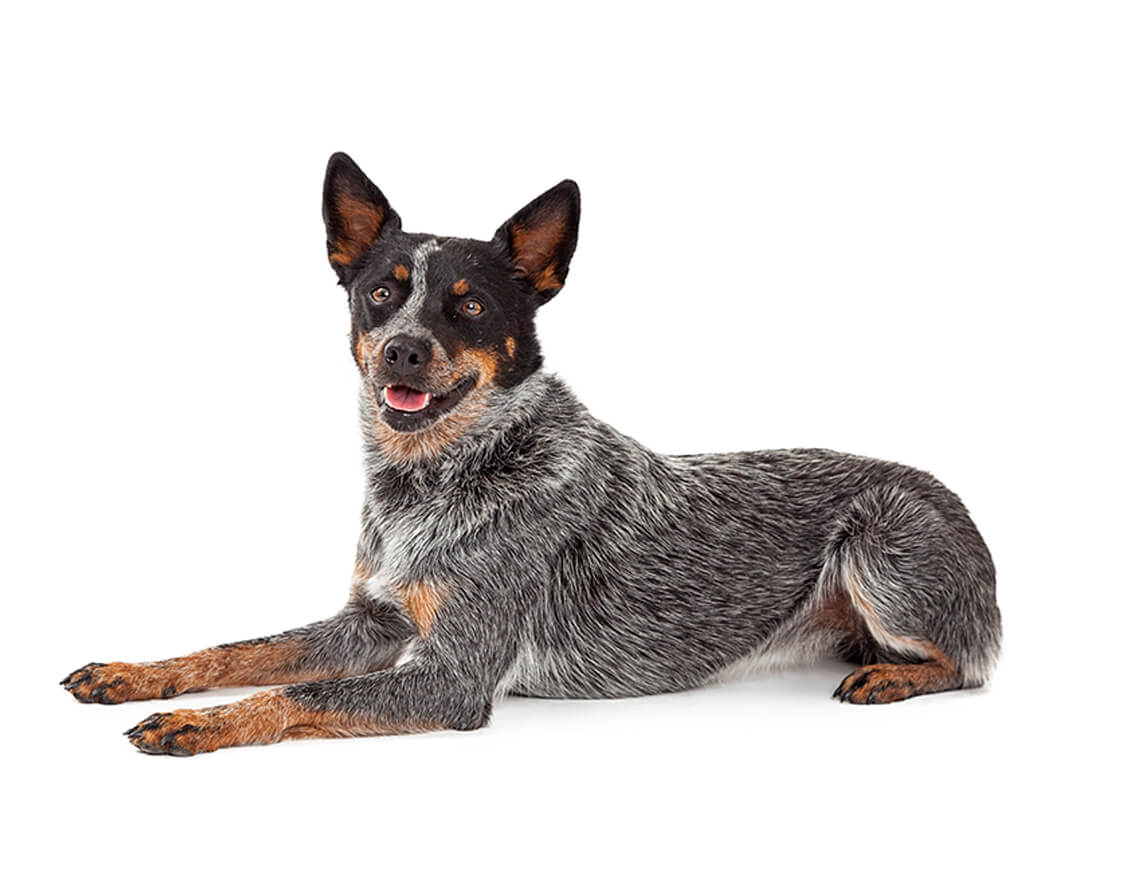
The ‘Aussie’ Cattle Dog is a compact, muscular and robust medium-sized dog with an intelligent expression and alert, pricked ears. Their coat is close and dense, offering excellent protection against weather and scrubby undergrowth.


The need-to-know
 

  • Dog suitable for experienced owners
  • Extra training required
  • Enjoys active walks
  • Enjoys walking one to two hours a day
  • Medium dog
  • Some drool
  • Requires grooming once a week
  • Non hypoallergenic breed
  • Chatty and vocal dog
  • Guard dog. Barks, alerts and it's physically protective
  • May require training to live with other pets
  • May require training to live with kids
Lifespan:
13 – 15 years
Weight:
17 – 23kg
Height:
43 – 51cm
Colours:
Blue, blue and tan, blue black and tan, blue speckled, red, red and tan or red speckled
Size:
Medium
UK Kennel Club Groups:
Pastoral
Personality

Smart and quick to react, the Aussie is a very fast learner, but their tendency to use their teeth to move other animals (including humans) can be an issue. Early socialisation and training to encourage a softer mouth is necessary. Naturally wary of strangers and very willing to guard and alert via barking, this is a breed that needs plenty of training and experienced owners, but will reward that by being a loyal, hard-working companion. 


History and Origins

Country of Origin: Australia


Australian stockmen in the late 1800’s found that the Collies imported to Australia were not tough enough for the harsh conditions and bold livestock. Over 60 years of crossbreeding, including Dingo, collie, sheepdog, Kelpie, Dalmatian and Bull Terrier went into producing the Australian Cattle dog. These efforts produced a clever yet biddable dog who could use their own initiative when needed, working tough livestock in very difficult conditions.  Australian Cattle dogs also go by the name ‘Heeler’ which refers to their working practice of nipping at the heels of the cattle they are driving. 


Nutrition and Feeding

Your dog's diet needs to have the right balance of all the main nutrient groups including a constant supply of fresh water. It's important to conduct regular body condition scores to ensure you keep your dog in ideal shape and remember to feed him at least twice daily and in accordance with the feeding guidelines of his particular food.

Exercise

The Australian Cattle dog needs at least two hours exercise per day, including mental stimulation and training. They have great stamina and endurance and will happily accept much more. This is a very agile dog, and an independent thinker, it is better not to leave them unsupervised or bored for long!

Other Information

Health and common issues


The Australian Cattle Dog is generally an extremely hardy breed with few health problems. As with many breeds, occasionally hereditary eye disorders, and hip dysplasia (a condition that can lead to mobility problems) can arise. Eye testing and hip scoring of dogs prior to breeding is therefore advised. The breed club monitor the health of the breed carefully and should be contacted for the most up-to-date information and details of any DNA or additional testing they recommend. Breed Clubs can be found on the Kennel Club website.


Space requirements


The Australian Cattle Dog is not difficult to house, providing outdoor space is securely fenced. They have been bred to work out how to get around or over obstacles in the course of their work, and so are excellent escape artists and very skilled counter-top opportunists! Given their natural desire to react to movement and control moving objects, this is a breed better kept away from busy roads and bustling pavements. Quiet rural or farm homes will suit this breed much better than town or city.


Training australian cattle dog


The Aussie is a dog who will enjoy a variety of dog sports (especially agility) and activities and thrives on training and working closely with their person. Finding an activity this breed excels at is not difficult, teaching them to relax and switch off may be harder. Early work on teaching a soft mouth, and not to chase or nip is essential.


Best family dog breeds


The Australian Cattle Dog is a herder, they prefer that groups of animals, including people, stay together and move along at a pace they dictate. With adults and older children who can be involved in training this can be overcome, but younger families and those with toddlers will find this difficult. This breed requires a lot of time to exercise and train which may conflict with family time commitments. While many dogs are traditionally thought of as being good with children, all dogs and children need to be taught to get on with and respect each other, and be safe together. Even so, dogs and young children should never be left alone together and adults should supervise all interactions between them.


Did you know?


The Australian Cattle dog is one of very few breeds to have intentionally been bred using the wild Australian Dingo. In attempting to produce a dog tough enough to work Australian cattle, initial crossbreeds proved to be too tough, biting stock too hard, and the breeds creators had to try again using smoother Collie blood until they found the right mixture. They have water-resistant double coats which allows water to bead and fall right off them, keeping them dry and happy when in the field. Their ties to the Dingo mean that they have impressive stamina and many owners report that they have seemingly endless energy! One of the oldest dogs in the world was an Australian Cattle Dog called Bluey, he lived to an astonishing 29 years of age and was happily chasing sheep for almost 20 years. In 2009, an Australian Cattle Dog called Sophie was thrown off a boat she was on with her family off the coast of Queensland, Australia. Astonishingly, the strong-willed pup then swam five miles back to shore and ended up on St. Bees Island. She survived by hunting feral goats until she was eventually found by a ranger who reunited her with her family. 
 

Anatolian Shepherd Dog

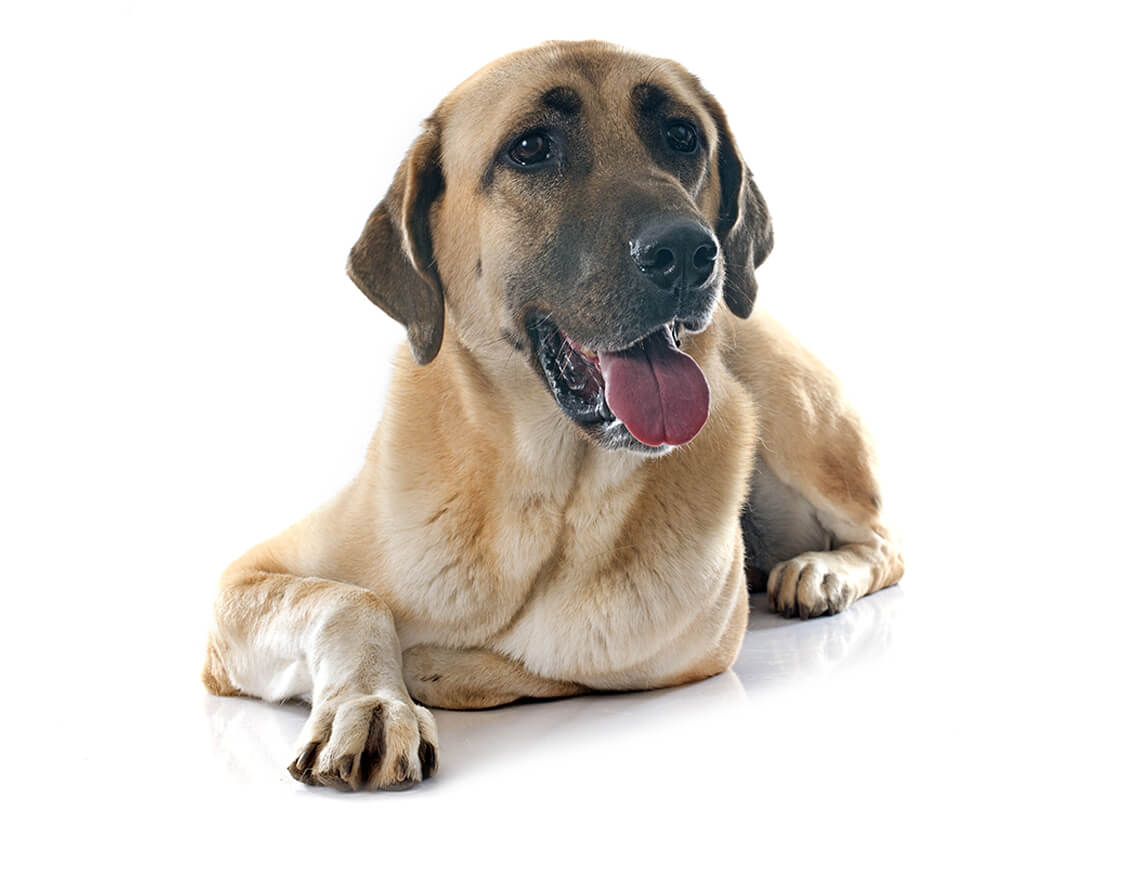
The Anatolian Shepherd is a powerfully built mastiff type with a short, dense coat and a broad heavy head. The coat is designed to protect against extreme weather conditions, and comes in any colour, with or without a distinctive black mask.


The need-to-know


  • Dog suitable for experienced owners
  • Extra training required
  • Enjoys active walks
  • Enjoys walking one to two hours a day
  • Giant dog
  • Heavy drool
  • Requires grooming every other day
  • Non hypoallergenic breed
  • Quiet dog
  • Guard dog. Barks, alerts and it's physically protective
  • May require training to live with other pets
  • May require training to live with kids
Lifespan:
10 – 13 years
Weight:
50 – 64kg for males, and 41 – 59kg for females
Height:
74 – 81cm for males, and 71 – 79cm for females
Colours:
Comes in a variety of colours, and may or may not have a distinctive black mask
Size:
Large
Kennel Club Groups:
Pastoral
Personality

With family members and other people well known to them, the Anatolian Shepherd is loyal and friendly. However this breed retains their working nature, suspicious of strangers and very fast to react to any perceived threat. As a flock guardian breed, the Anatolian is an independent thinker, relied upon to make decisions by themselves rather than at the cue of a shepherd. In the pet home, this can mean they are not easy to live with and require a great degree of careful management.


History and Origins

Country of Origin: Turkey


The Anatolian Shepherd is an ancient breed descended from mastiff types and flock guardian breeds of the Middle East. Giant in size and athletic, this powerful dog was bred to protect flocks of sheep and goats from predatory bears and wolves and of course, human thieves.They are the original livestock guardian dogs of Turkey and are still seen working with the nomads who move to find food and other resources, a process called ‘transhumance’ which is responsible for the spread of both human and canine genetics across some parts of the world. 


Nutrition and Feeding

Giant-breed dogs, as well as having giant appetites, benefit from a different balance of minerals and vitamins, supporting different joint and cartilage needs. The Anatolian Shepherd dog breed is prone to bloating and stomach problems; try feeding smaller, more frequent meals to help minimise the risk.

Exercise

Up to two hours a day, split into two walks, will keep the Anatolian happy, but more time should be dedicated to interactive training and puzzle-solving games that involve working with their owner. Some off lead running will be beneficial but given this breeds’ size, fitness should be built up slowly until they reach maturity. Given their suspicion of strangers - human and canine - use a safe secure, isolated ideally private, place for off lead exercise!

Other Information

Health and common concerns


The Anatolian Shepherd is generally a very hardy breed, but as with many breeds they can occasionally suffer from hip dysplasia (a condition that can lead to mobility problems). Hip scoring of dogs prior to breeding is therefore important.


Space requirements


This is a giant breed and will require sizeable housing and a large, extremely secure fenced garden. If the garden borders other properties or public rights of way, double fencing is advisable along with delivery boxes situated on the outsides of the property. Better suited to remote rural living with access to secure areas for exercise and training.


Training anatolian shepherd dogs


Not a breed that will enjoy training for its own sake, the Anatolian must be socialised very thoroughly when young, to livestock, children, other humans and other household pets but even then will retain their guarding instincts and stranger suspicion. A solid recall should be taught and refreshed regularly, as should walking on a harness and lead, and all training must be done using positive reinforcement – this is not a dog to attempt to bully or intimidate, such methods will backfire dangerously!


Best family dog breeds


Due to their size, protective instincts and the time needed for training and exercise, this is a dog suited to adult only homes. Because this breeds nature is to distrust strangers, homes with many visitors or visiting children are likely to find the Anatolian Shepherd highly unsuitable. While many dogs are traditionally thought of as being good with children, all dogs and children need to be taught to get on with and respect each other, and be safe together. Even so, dogs and young children should never be left alone together and adults should supervise all interactions between them.


Did you know?


The Anatolian Shepherd dog has never been known by that name in its native Turkey. There they are called the Kangal, Karabash (black face) and Akbash (white face), depending on colour and which area of Turkey they are from. Each area of Turkey has its own favourite and the arguments regarding which is best can get heated!


Alaskan Malamute

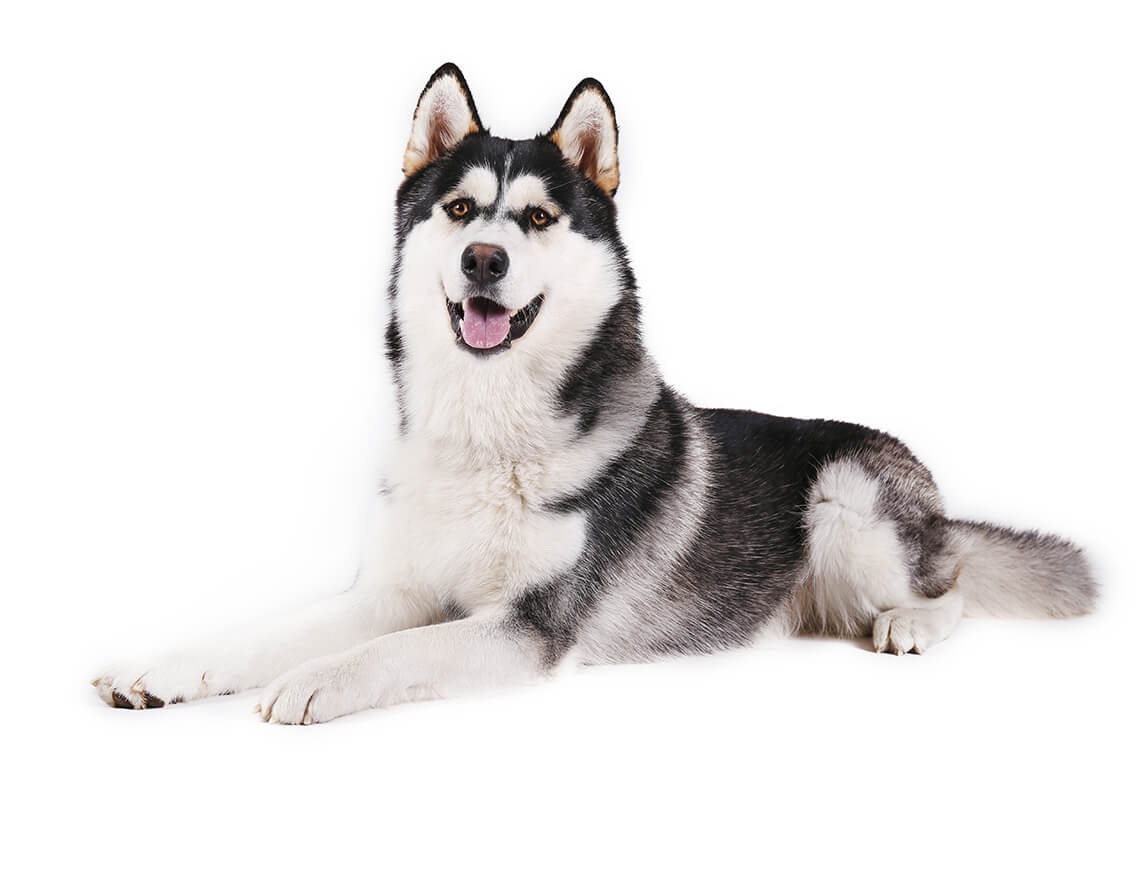
A wolf-like breed in appearance, the Alaskan Malamute is a large, imposing breed of dog who has typical Spitz characteristics (a tail often curled over the back, a very thick coat, erect ears, and a wedge-shaped head.


The need-to-know
 

  • Dog suitable for experienced owners
  • Some training required
  • Enjoys vigorous walks
  • Enjoys walking more than two hours a day
  • Large dog
  • Some drool
  • Requires grooming every other day
  • Non hypoallergenic breed
  • Very vocal dog
  • Guard dog. Barks and alerts
  • May require training to live with other pets
  • May require training to live with kids
Lifespan:
12–15 years
Weight:
38–56kg
Height:
58–71cm
Colours:
White and light grey to black, and from gold to red and liver, with markings
Size:
Large
Kennel Club group:
Working
Personality

The Malamute dog is an affectionate, friendly dog who is devoted to their family, though not the ideal breed for a first-time owner as they can be challenging to own. As well as their almost insatiable need to run, they love to dig and howl, are often escapologists, and can have a high prey-drive for small, furry creatures – be it squirrels, cats or even small dogs. For owners who understand them and can give them what they need to be healthy and happy however they make outstanding and head-turning companions.


History and Origins

Country of Origin: United States


The Malamute is one of the oldest and strongest of the northern sled dogs and was beloved of the Mahlemut people of Alaska for whom the breed took their name. It is unclear just how old the breed is, but history suggests that they have been working in Alaska for over 5000 years. Their size, strength and stamina meant that they were used to transport heavy loads. A team of dogs would have been able to drag half a ton across challenging terrain for hundreds of miles. When they weren’t needed as sled dogs, they would be employed as livestock guards and used to help hunt moose or bear.


Nutrition and Feeding

Large breed dogs, as well as having large appetites, benefit from a different balance of nutrients including minerals and vitamins compared to smaller-breed dogs. The Alaskan Malamute dog breed is prone to bloating and stomach problems; smaller, more frequent meals can help minimise this risk.

Exercise

The Malamute needs at least two hours every day of active running exercise but would be happier with more. The rest of the time, they are quiet and generally content to relax - with the occasional howl… just for fun! They enjoy being outside but extremely high and secure fences are a must.

Other Information

Health and common issues


As with many breeds, Alaskan Malamute dogs can suffer from hereditary eye disorders, and hip dysplasia (a condition that can lead to mobility problems). Eye testing and hip scoring of dogs prior to breeding is therefore important.


Space requirements


A big house and well-fenced garden are important for an Alaskan Malamute as is daily access to places to run. They are definitely not city dogs and as they enjoy howling, they are best suited to living away from close neighbours.


Training alaskan malamutes


As this is a large dog, they need to learn all the usual basic manners that a training class will give them. The Alaskan Malamute never forgets that they are bred to pull sledges. However, so they need to learn to walk on a lead and harness for the occasions when they need to be under close control. Traditional dog walks are of little interest to a Malamute. They need to run and so training in sports like canicross can give them an appropriate outlet for their hard-wired behaviours. It goes without saying that they need extremely active owners who want a dog they can run with. While a good recall is extremely important and should be taught and practised, it shouldn’t be relied upon in the great outdoors when squirrels or just the need to run can make them deaf to anything else. If they are to live with other animals, early socialisation is vital and even then, care must be taken.


Best family dog breeds


Alaskan Malamutes can happily live with children as long as they are well socialised with them from an early age but as with any large dog, care should be taken. While many dogs are traditionally thought of as being good with children, all dogs and children need to be taught to get on with and respect each other, and be safe together. Even so, dogs and young children should never be left alone together and adults should supervise all interactions between them.


Did you know?


  • Along with the lighter Siberian Huskies, Alaskan Malamutes were involved in The Serum Run of 1925 when 150 sled dogs transported diptheria antitoxin across Alaska covering 674 miles in just over 5 days, saving the small town of Nome and the surrounding communities from an epidemic.
  • In World War 1, 450 Alaskan Malamutes were sent to France to deliver supplies to French army troops in mountain outposts.
  • Previously they were used to deliver mail and transport supplies for the early settlers in Alaska.
  • Alaskan Malamute’s were used in the Gold Rush to haul food and supplies over mountain passes.
  • This breed was used to sniff for mines, carry weapons and act as search and rescue dogs in World War II.


Airedale Terrier

Airedale Terriers are the largest of the terrier breed group. Their muscular bodies are covered with a hard, wiry coat that’s hard to miss. They’re intelligent and confident dogs that are easy to love, but their intense nature might be challenging for first-time dog owners.


The need-to-know
 

  • Dog suitable for owners with some experience
  • Some training required
  • Enjoys active walks
  • Enjoys walking one to two hours a day
  • Large dog
  • Minimum drool
  • Requires grooming every other day
  • Non hypoallergenic breed
  • Chatty and vocal dog
  • Guard dog. Barks and alerts
  • May require training to live with other pets
  • May require training to live with kids
Lifespan:
10-12 years
Weight:
25-28kg for males and 21-23kg for females
Height:
Adult males measure 58 to 61cm to the top of shoulder, and females 56 to 59cm
Colours:
Black/grizzle (on the saddle) and tan
Size:
Large
Kennel Club group:
Terrier
Personality

In common with most terrier dog breeds, the Airedale dog is confident, bold, and outgoing. They are loyal, friendly, curious, energetic dogs who are fun-loving, eager and tireless. They are devoted to their family and will protect them if they feel it is necessary. Airedale Terriers can sometimes be reserved with strangers and may not be entirely friendly to unknown dogs. While mostly kind and docile, they are the kind of plucky, fearless dogs that while they might not start a fight, will always finish one. A typical terrier may not be reliable with small furry animals and cats.


The need-to-know


  • Dog suitable for owners with some experience
  • Some training required
  • Enjoys active walks
  • Enjoys walking one to two hours a day
  • Large dog
  • Minimum drool
  • Requires grooming every other day
  • Non hypoallergenic breed
  • Chatty and vocal dog
  • Guard dog. Barks and alerts
  • May require training to live with other pets
  • May require training to live with kids


History and Origins

Country of Origin: England


Known as the ‘king of the terriers’, the hardy Airedale Terrier was created in the 19th century in the Aire, Wharfe and Calder river valleys of Yorkshire by hunters who wanted a terrier to help protect the fishermen’s catches from otters. They were developed from crosses from the now extinct Black and Tan Terrier to give them the rough coat, the Otterhound to give them the nose, and the Bull Terrier to give them tenacity. While they were primarily developed as otter hunters, they quickly found other jobs including as a duck-catcher, a ratter, a gun dog, a guard dog, an army messenger dog and even a transport police patrol dog.


Nutrition and Feeding

Airedale Terriers need to have a balanced diet including the main nutrient groups and a constant supply of fresh water. It's important to conduct regular body condition scores to ensure you keep your dog in ideal shape, and remember to feed him at least twice daily in accordance with the feeding guidelines of his particular food. The Airedale dog breed is prone to bloating and stomach problems. Smaller, more frequent meals can help minimise this risk.

Exercise

An active dog, the Airedale breed needs moderate amount of dog exercise (1 to 2 hours daily), including dog games and training, to prevent boredom and keep him fit and healthy.

Other Information

Health and common issues


The Airedale dog is generally a hardy breed. As with many breeds, they can suffer from hip dysplasia (a condition that can lead to mobility problems). Hip scoring of dogs prior to breeding is therefore important.


Space requirements


The Airedale Terrier is a large dog who enjoys space and needs a large-ish house and garden - plus space to exercise, so they are best in a rural environment.


Training airedale terriers


The Airedale is a joy to train and they love working with their owners although they do need to be kept motivated with reward-based dog training and plenty of variety. They can excel at dog sports such as agility and can become experts at scent work and love to have a job to do. They do need early and ongoing socialisation to ensure they stay reliable around other dogs and should be taught a strong recall.


Best family dog breeds


Airedales are generally gentle with children although may be too big for younger ones. They are best suited to active families with older children. While many dogs are traditionally thought of as being good with children, all dogs and children need to be taught to get on with each other and be safe together. Even so, dogs and young children should never be left alone together and adults should supervise all interactions between them.


Did you know?


Airedales have been extremely popular with US Presidents - and in fact three presidents in a row all had Airedales called Davie, Laddie Boy and Paul Pry respectively.


Afghan Hound

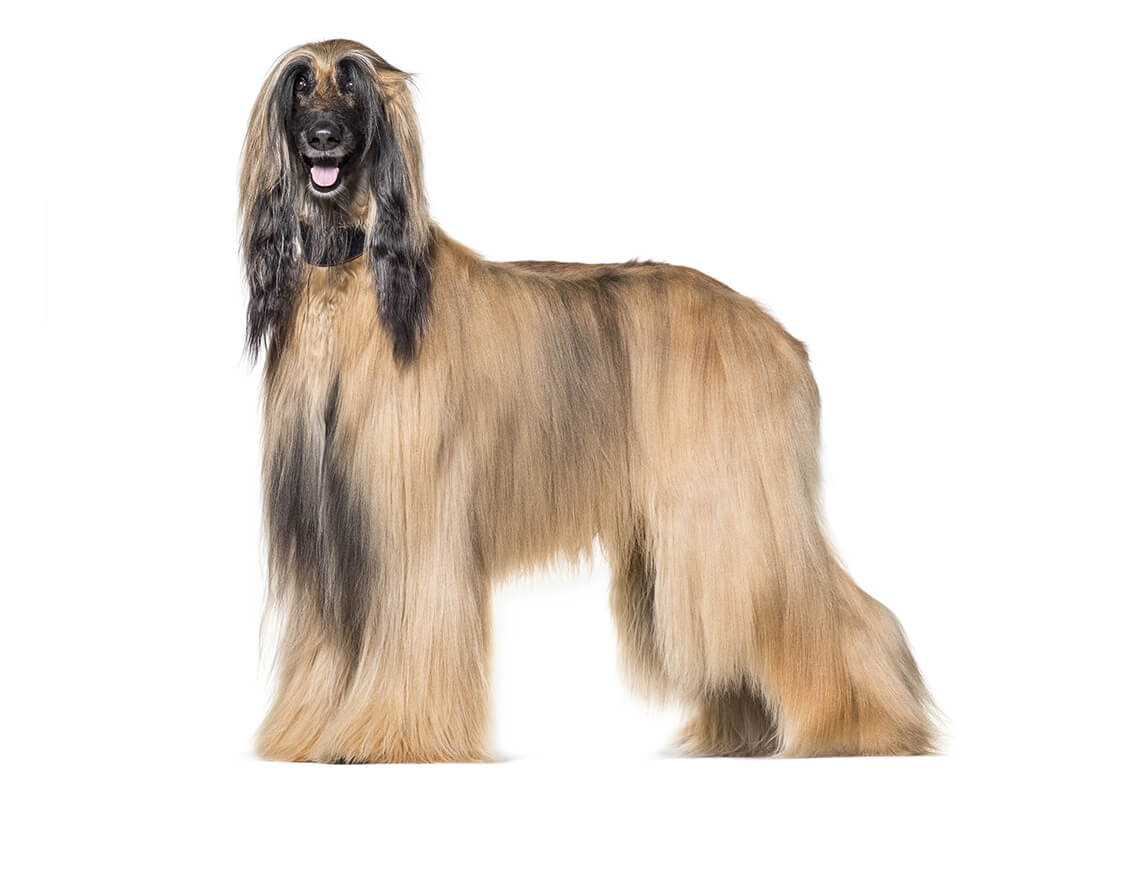
A noble, dignified-looking hound, the Afghan Hound stands proudly and elegantly, with their long, lustrous coat as their crowning glory.


The need-to-know
 

  • Dog suitable for owners with some experience
  • Extra training required
  • Enjoys active walks
  • Enjoys walking more than two hours a day
  • Large dog
  • Minimum drool
  • Requires grooming daily
  • Non hypoallergenic breed
  • Chatty and vocal dog
  • Not a guard dog
  • May require training to live with other pets
  • May require training to live with kids
Lifespan:
12–14 years
Weight:
20–27kg
Height:
63–74cm
Colours:
The glorious coat comes in all colours – from black to silver, with every colour, pattern and combination in between!
Size:
Large
Kennel Club group:
Hound
Personality

Often aloof with strangers, early socialisation is a must for this regal dog, as is early puppy training. With their family and those they know, there’s no hint of standoffishness. They are wonderfully loyal and loving and a bit of a clown.


History and Origins

Country of Origin: Afghanistan


Possibly the most glamorous of the sighthounds, the Afghan Hound is probably a descendant of the Saluki brought to Afghanistan from Persia. As the climate in Afghanistan can be punishing - especially in the mountains, the dogs developed a longer coat as protection as they worked pursuing a variety of prey of all sizes including hare, gazelles, wolves and even snow leopards.The dogs were highly prized by the Afghan nomads who would gather together every year for a festival to celebrate their dogs and would dress them with traditional necklaces and flowers.


Nutrition and Feeding

Large breed dogs benefit from a different balance of nutrients including minerals and vitamins compared to smaller-breed dogs. Afghan Hounds are prone to bloating and stomach problems; smaller, more frequent meals can help minimise this risk.

Exercise

An adult Afghan Hound needs a moderate amount of exercise (1-2 hours) but does need the opportunity for free running.

Other Information

Health and common issues


The Afghan dog breed is generally healthy and robust, with few breed-specific problems commonly occurring. The breed club monitor the health of the breed carefully and should be contacted for the most up-to-date information and details of any DNA or additional testing they recommend. Breed Clubs can be found on the Kennel Club website.


Space requirements


A large dog, the Afghan appreciates space - both indoors and outdoors. Most importantly however is having access to safe, secure areas to run that are far from roads or any other hazards.


Training afghan hounds


Like most sighthounds, Afghans rather look down on the whole idea of training but early socialisation is important as is training them to walk on a lead. It is worth putting the effort into training a good recall - although it shouldn’t be relied upon if a squirrel is spotted! Once an Afghan is enjoying their thrill of the chase or even just of running free - all thoughts of recall leave their minds. If they are to live with cats, puppies should come from a breeder who has raised them together or else time and care must be taken. They may never be reliable with strange cats or other small animals.


Best family dog breeds


The Afghan Hound makes a good family dog - although prefers a quiet home with constant company and so they are better with older sensible children. While many dogs are traditionally thought of as being good with children, all dogs and children need to be taught to get on with and respect each other, and be safe together. Even so, dogs and young children should never be left alone together and adults should supervise all interactions between them.


Did you know?


  • Given their speed, Afghan Hounds have been tried out on traditional greyhound tracks - but without much success. Being smart and resourceful, they see no point in running round the outside of the track when they can just cut across the middle and head the prey off without any effort.
  • The Afghan Hound is one of the oldest dog breeds and legend has it that this breed was one of the animals rescued on Noah’s Ark.
  • This is one of the fastest ever dog breeds and can reach speeds up to 40mph.
  • Afghan Hounds were one of Picasso’s favourite dog breeds.
  • They have scent glands in their cheeks which produces a musky odour which is said to be quite pleasant!


Affenpinscher

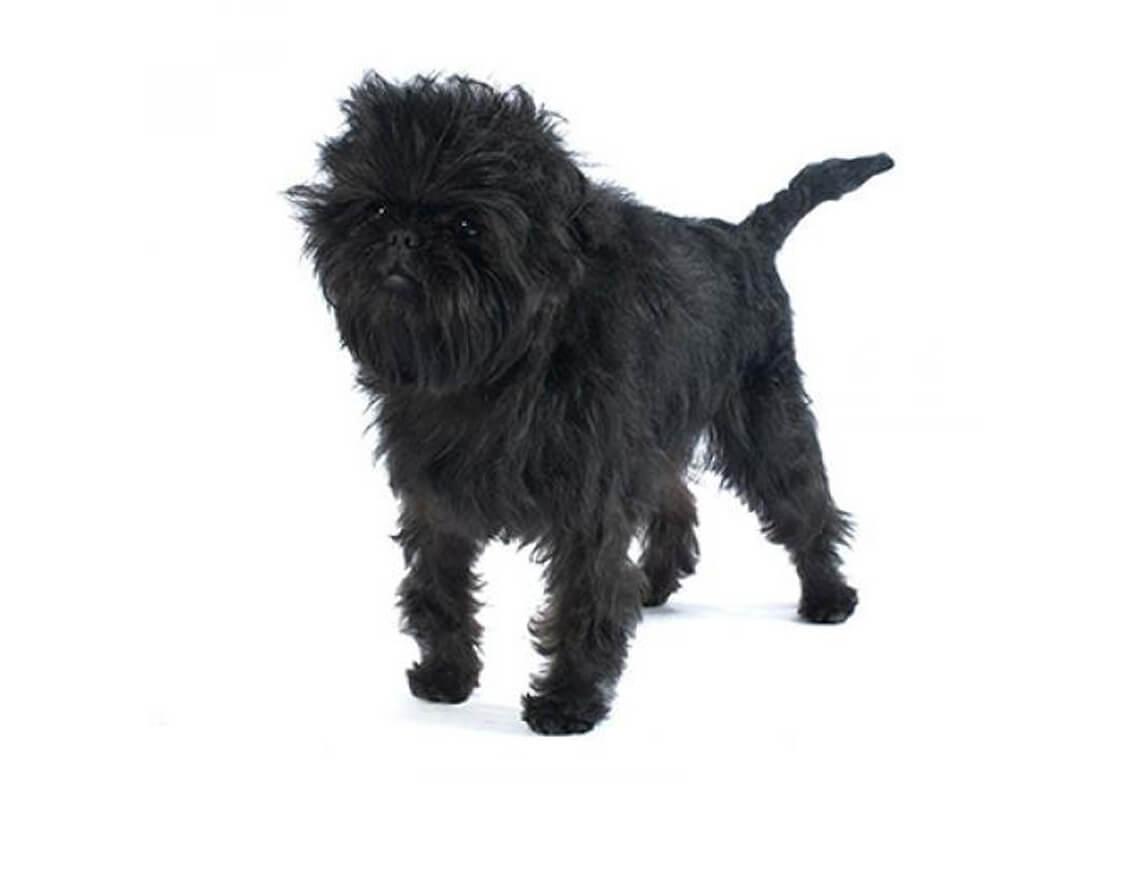
Small and mischievous with a monkey-like expression, the Affenpinscher is a lively toy breed with a short muzzle, round, dark and sparkling eyes, and a rough coat. Despite its small size, this compact little dog is not at all delicate and is described in the breed standard as having self-confidence and carrying itself with comic seriousness.


The need-to-know
 

  • Dog suitable for non-experienced owners
  • Basic training required
  • Enjoys active walks
  • Enjoys walking half an hour a day
  • Small dog
  • Minimum drool
  • Requires grooming once a week
  • Hypoallergenic breed
  • Chatty and vocal dog
  • Not a guard dog
  • May require training to live with other pets
  • May require training to live with kids
Lifespan:
12 – 14 years
Weight:
3 – 4kg
Height:
24 – 28cm
Colours:
Black, with or without some degree of grey shading
Size:
Small
UK Kennel Club Groups:
Toy
Personality

Lively, self-confident, strong-willed and fearless, yet charming and comical, it is easy to see why instead of vanishing into the melting pot of working breeds, the Affenpinscher was promoted to cherished pet! Their sparkling eyes and monkey-whiskered face are irresistible and they are very affectionate with their owners, though often a little wary of strangers.


Despite their diminutive stature, the Affenpinscher still believes he is a working terrier at times, so does require some training!


History and Origins

Country of Origin:  Germany


The Affenpinscher started out as a ratting, vermin-control dog dating back to the 17th century. Their appealing round eyes, rough coat and monkey-like expression and endearing personality quickly earned them something of an upgrade from working dog to companion breed, which in turn led to their refinement, introduction to the show ring and their survival today. While the origins of the breed are not certain, it has been suggested that they sprung from crossing German Pinschers with imported flat-faced oriental breeds.  When the breed nearly died out in the second World War, the remaining few dogs were crossed with the Griffon Bruxellois to re-establish the breed and give us the appealing and enchanting breed we know today.


Nutrition and Feeding

Toy dogs such as the Affenpinscher have a fast metabolism, meaning they burn energy at a high rate, although their small stomachs mean that they must eat little and often. Small-breed foods are specifically designed with appropriate levels of key nutrients and smaller kibble sizes to suit smaller mouths. This also encourages chewing and improves digestion. Discover more about how to offer your dog a balanced diet with our easy-to-follow guide.

Exercise

Around half an hour of dog exercise will be ample, but the Affenpinscher is an active dog. If fit and healthy, will take long walks and runs, but is small enough to be carried easily if an outing proves too much. Easily entertained at home or within a small garden should the need arise, it is important to keep the Affens brain well exercised with training, puzzles and games.

Other Information

Health and common issues


The Affenpinscher dog breed is generally healthy. However, like many small dog breeds, they can suffer from kneecaps that may temporarily slip out of place (luxating patellas), a hip condition and a windpipe problem.


Space requirements


Due to their tiny size, the Affenpinscher can live in any size of home. A secure garden is vital, as this little breed can fit through the smallest of gaps or determinedly dig under to get to wherever they want to be. As long as they are well socialised and taught to ignore the noise, the Affenpinscher can live in a town, city or countryside.


Training affenpinscher


The Affenpinscher is clever and will enjoy dog training – and a chance to work with their owner. They are fun and easy to train and this is a breed who can easily turn their paw to trick training, mini agility and can generally have a go at most doggy sports and activities.


Best family dog breeds


Suitable for older children and teenagers, the Affenpinscher is a little too small and easily underfoot to be safe around very young children. Excellent for the quiet family, child-free homes, but caution is required around cats as the Affen does love a chase and a slap from a claw-filled paw is a high risk to those large eyes! While many dogs are traditionally thought of as being good with children, all dogs and children need to be taught to get on with each other and be safe together. Even so, dogs and young children should never be left alone together and adults should supervise all interactions between them.


Did you know?


  • In France, the breed is described as the ‘diablotin moustachu’, which translates to ‘moustached devil’ which should give you some idea of the Affenpinschers character as well as their appearance!
  • In Germany, the first examples of the breed were known as ‘Zwergaffenpinscher’ which literally translates to ‘little-monkey-dog’, again, a hint towards their character as well as their looks!


Turkish Van

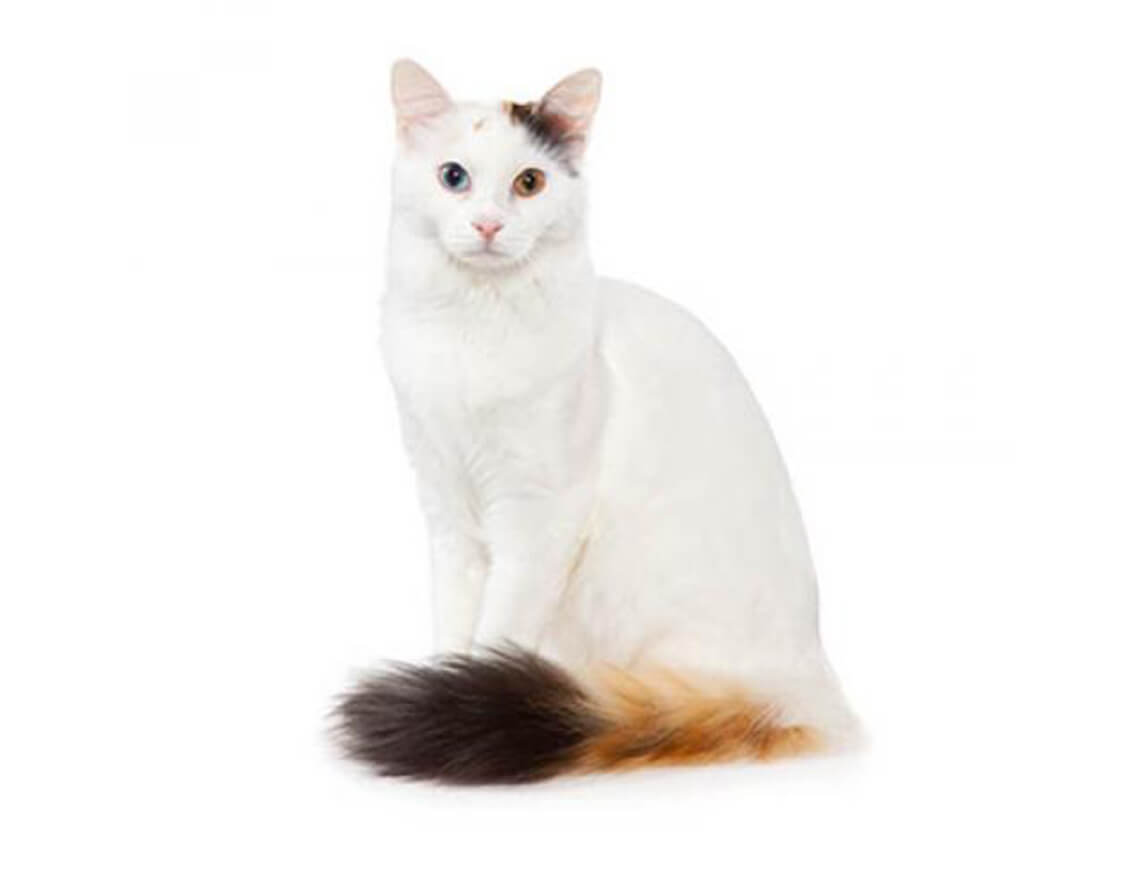
The Turkish Van cat is a large, muscular yet elegant breed with a white body and distinctively coloured head and tail. These cats are well balanced and strong in appearance. The large ears are set high on the head and the eyes are large, oval, and expressive. The Turkish Van cat's coat is long, soft, and silky with no woolly undercoat. The paws are tufted, and the tail has a full brush.The Turkish Van cat’s body is chalk white with coloured markings on top of the head. The colouring on the head is separated by a vertical white blaze. Occasionally small thumbprints of colour appear on the body. The eyes may be amber or blue or one of each.


The need-to-know


  • Playful and curious cat
  • Friendly but independent cat
  • Quiet cat
  • Average build cat breed
  • Requires grooming every day
  • Non hypoallergenic breed
  • Needs some out-door space
  • May require familiarisation before living with children
Personality

Turkish Van cats are extremely intelligent and friendly, and they make excellent companions. They are lively cats and will enjoy playing games with humans or other cats and so they need stimulation and a chance to play. Turkish Van cats have soft voices.


History and Origins

Country of Origin: Turkey


Other Names: : Turkish Swimming Cat


The most amazing characteristic of the Turkish Van cat is its affinity with water. It not only likes water but also seems to enjoy a swim. The breed originates from the area surrounding Lake Van in Turkey and has been domesticated there for hundreds of years. 


Nutrition and Feeding

Every cat is unique and each has their own particular likes, dislikes, and needs when it comes to food. However, cats are carnivores and every cat must obtain 41 different and specific nutrients from their food. The proportion of these nutrients will vary depending on age, lifestyle, and overall health. So it's not surprising that a growing, energetic kitten needs a different balance of nutrients in her diet than a less active senior cat. Other considerations to bear in mind are feeding the right quantity of food to maintain 'ideal body condition' in accordance with feeding guidelines and catering to individual preference regarding wet or dry food recipes.

Other Information

Health and common issues


At present there are no diseases specifically linked to this breed. As with all cats, the Turkish Van breed needs vaccinations, parasite control and annual veterinary health checks.


Best cat breeds for children


While this breed is not widely recognized as one of the best breeds for children, all cats are different and with the proper familiarization may still be able to live with children.


Tonkinese

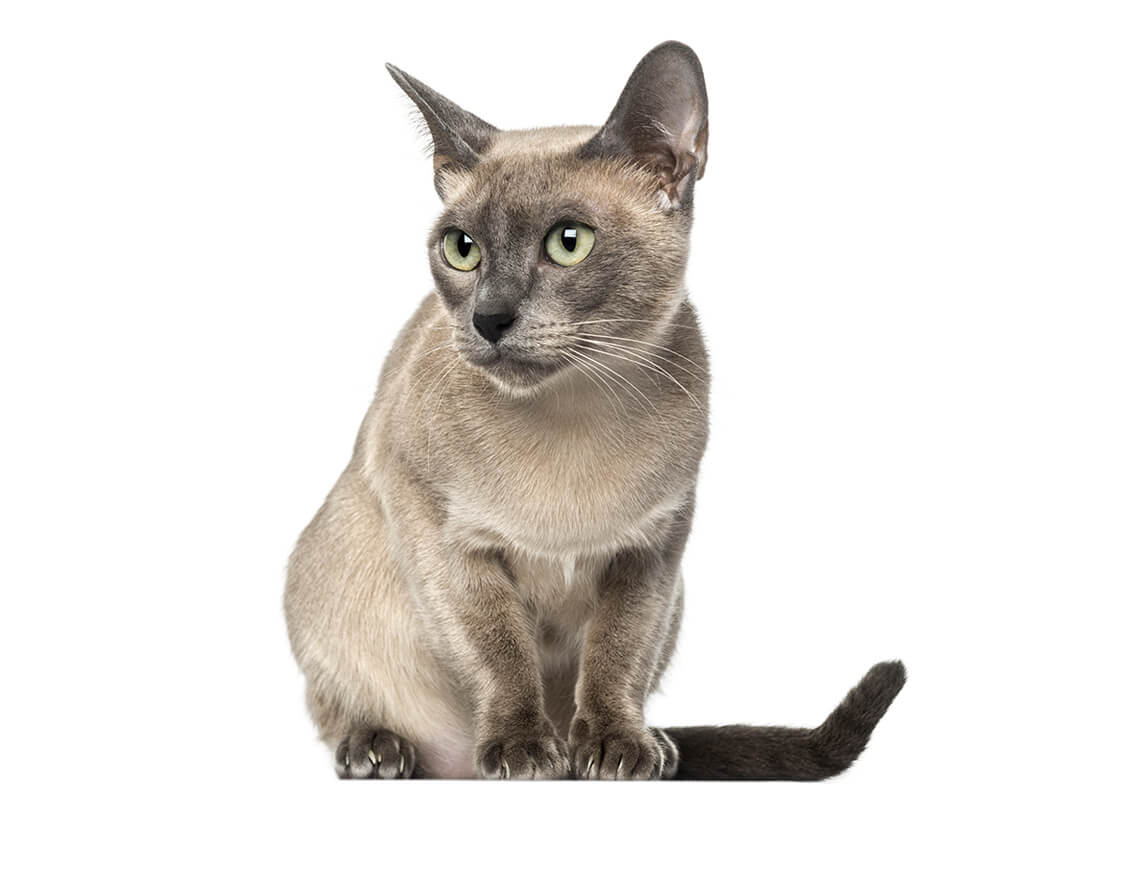
The Tonkinese cat breed is medium-sized of Oriental build with a gently rounded head with broad ears, set wide apart. The eyes are more open than the classic Oriental shape and can range from green to light blue. The body is well balanced, firm, and muscular. The Tonkinese cat's coat is short and close lying with a fine, soft, and silky texture. The mask, ears, legs, and tail, are darker than the body and merge gently with the body colour. The Tonkinese cat breed comes in a range of colours.


The need-to-know


  • Highly active and inquisitive cat
  • Sociable and dependent cat
  • Somehow talkative cat
  • Average build cat breed
  • Requires grooming once a week
  • Non hypoallergenic breed
  • Needs some out-door space
  • Great family cat
Personality

The Tonkinese cat breed has the same affectionate, friendly nature, as its close relatives the Burmese and Siamese. These cats are very people-oriented and make ideal family pets. They are said to be very inquisitive and intelligent. They can be trained to do tricks and require toys and games for amusement. They love company and if left alone for a long time, then a companion is a necessity. They are quite vocal and will chatter happily and follow you around.


History and Origins

Country of Origin: USA


Other Names: : Golden Siamese


The Tonkinese cat breed is the result of crossing a Siamese cat with a Burmese cat and, therefore, displays characteristics from both breeds. Mostly ignored when they were first developed as 'Golden Siamese' cat in America 1950s, it was not until the 1960s when they reappeared as Tonkinese that their popularity grew.


Nutrition and Feeding

Every cat is unique and each has their own particular likes, dislikes, and needs when it comes to food. However, cats are carnivores and every cat must obtain 41 different and specific nutrients from their food. The proportion of these nutrients will vary depending on age, lifestyle, and overall health. So it's not surprising that a growing, energetic kitten needs a different balance of nutrients in her diet than a less active senior cat. Other considerations to bear in mind are feeding the right quantity of food to maintain 'ideal body condition' in accordance with feeding guidelines and catering to individual preference regarding wet or dry food recipes.

Other Information

Health and common issues


Currently there are no specific inherited problems reported with the Tonkinese cat breed. As with all cats, Tonkinese cats benefit from protection against disease through vaccination and need regular parasite control and annual veterinary health checks.


Best cat breeds for children


While this breed is not widely recognised as one of the best breeds for children, all cats are different and with the proper familiarisation may still be able to live with children.


Tiffanie

The Tiffanie cat is built like the Burmese but with a longer coat. The head forms a short wedge shape with large to medium ears. The long tail is plumed. The eyes are set well apart and are neither almond-shaped nor round and can be any colour from yellow through to green. The body is firm and muscular with a strong straight back.


The need-to-know


  • Playful and curious cat
  • Sociable and dependent cat
  • Very talkative cat
  • Average build cat breed
  • Requires grooming every day
  • Non hypoallergenic breed
  • Needs some out-door space
  • Great family cat
Personality

The Tiffanie cat is friendly and affectionate. This breed loves attention and needs to be part of the family. Tiffanie cats can be quite demanding and often follow their owners around the house crying for attention. The Asian group of cats seems to be intelligent and can often work out such problems as how to open doors. If spoken to them, often appear to understand and answer. They can be very sensitive to their owner's feelings and this makes them excellent companions.


History and Origins

Country of Origin: Britain The Tiffanie cat is the only semi-longhaired member of the Asian group. Apart from the Burmilla, which was the product of an accidental mating between a male chinchilla and a lilac female Burmese, the cats of the Asian Group were brought about by breeders attempting to create cats of Burmese type, but in colours not recognised in Burmese cats. During the course of the Asian breeding programme, some litters contained kittens with longer coats, and these cats were used to produce this attractive new breed.


Nutrition and Feeding

Every cat is unique and each has their own particular likes, dislikes, and needs when it comes to food. However, cats are carnivores and every cat must obtain 41 different and specific nutrients from their food. The proportion of these nutrients will vary depending on age, lifestyle, and overall health. So it's not surprising that a growing, energetic kitten needs a different balance of nutrients in her diet than a less active senior cat. Other considerations to bear in mind are feeding the right quantity of food to maintain 'ideal body condition' in accordance with feeding guidelines and catering to individual preference regarding wet or dry food recipes.

Other Information

Health and common issues


There are no specific conditions relating to the Tiffanie cat breed in the veterinary literature. As with all cats, Asian cats benefit from protection against disease through vaccination and need regular parasite control and annual veterinary health checks.


Best cat breeds for children


While this breed is not widely recognised as one of the best breeds for children, all cats are different and with the proper familiarisation may still be able to live with children.


Sphynx

The main feature of a Sphynx cat is its lack of a fur coat! The cats are not, however, entirely hairless but covered with fine, downy hair that is said to be like a peach skin. This cat has no whiskers or eyelashes. The head resembles that of a Devon Rex. The eyes are deep-set and the shape of a lemon. The body is fined boned but muscular and has a barrel chest. The legs are long and slender and have a bow-legged appearance caused by the barrel chest. The tail is long and tapering and hard to the touch. They are warm and soft to touch and have earned the name 'suede hot water bottle'. The skin is wrinkled on parts of the head, body and legs but should be taut everywhere else. Pigmentation is clearly visible on the skin of the Sphynx cat. All skin patterns and colours are acceptable.


The need-to-know


  • Highly active and inquisitive cat
  • Sociable and dependent cat
  • Very talkative cat
  • Lean and elegant cat breed
  • Requires grooming once a week
  • Hypoallergenic breed
  • Indoor cat
  • May require familiarisation before living with children
Personality

The Sphynx cat is outgoing, mischievous, people-oriented and loves attention. These cats often greet their owners when they come home and are very talkative. They are highly intelligent, playful, and cuddly. Sphynxes are champion purrers. They like to sleep with their owners - under the covers. Their body temperature is a degree or two above the average for normal cats and they have voracious appetites to compensate for the heat loss. With little protection against the elements, these cats cannot be left out in the cold, they don't like to sit on cold surfaces and they do appreciate central heating! Those that do go outside in the sun may need sun protection on pale skin.


History and Origins

Country of Origin: Canada


Other Names: : Canadian Hairless Cat


Hairless cats have been known for generations; the Aztecs are said to have kept hairless cats. The Sphynx cat is the first hairless cat breed that has been bred specifically for that trait. The breeding programme began in 1966 in Ontario, Canada when a pet cat gave birth to a hairless male kitten. However, most Sphynx cats born today are descended from three hairless kittens found in Toronto in 1978.


Nutrition and Feeding

Every cat is unique and each has their own particular likes, dislikes, and needs when it comes to food. However, cats are carnivores and every cat must obtain 41 different and specific nutrients from their food. The proportion of these nutrients will vary depending on age, lifestyle, and overall health. So it's not surprising that a growing, energetic kitten needs a different balance of nutrients in her diet than a less active senior cat. Other considerations to bear in mind are feeding the right quantity of food to maintain 'ideal body condition' in accordance with feeding guidelines and catering to individual preference regarding wet or dry food recipes.

Other Information

Health and common issues


The breed is prone to skin problems including the development of rashes and fungal infections. Care must be taken to protect the Sphynx cat from sunburn. As with all cats, Sphynx cats benefit from protection against disease through vaccination and need annual veterinary health checks.


Best cat breeds for children


While this breed is not widely recognised as one of the best breeds for children, all cats are different and with the proper familiarisation may still be able to live with children.