Bavarian Mountain Hound

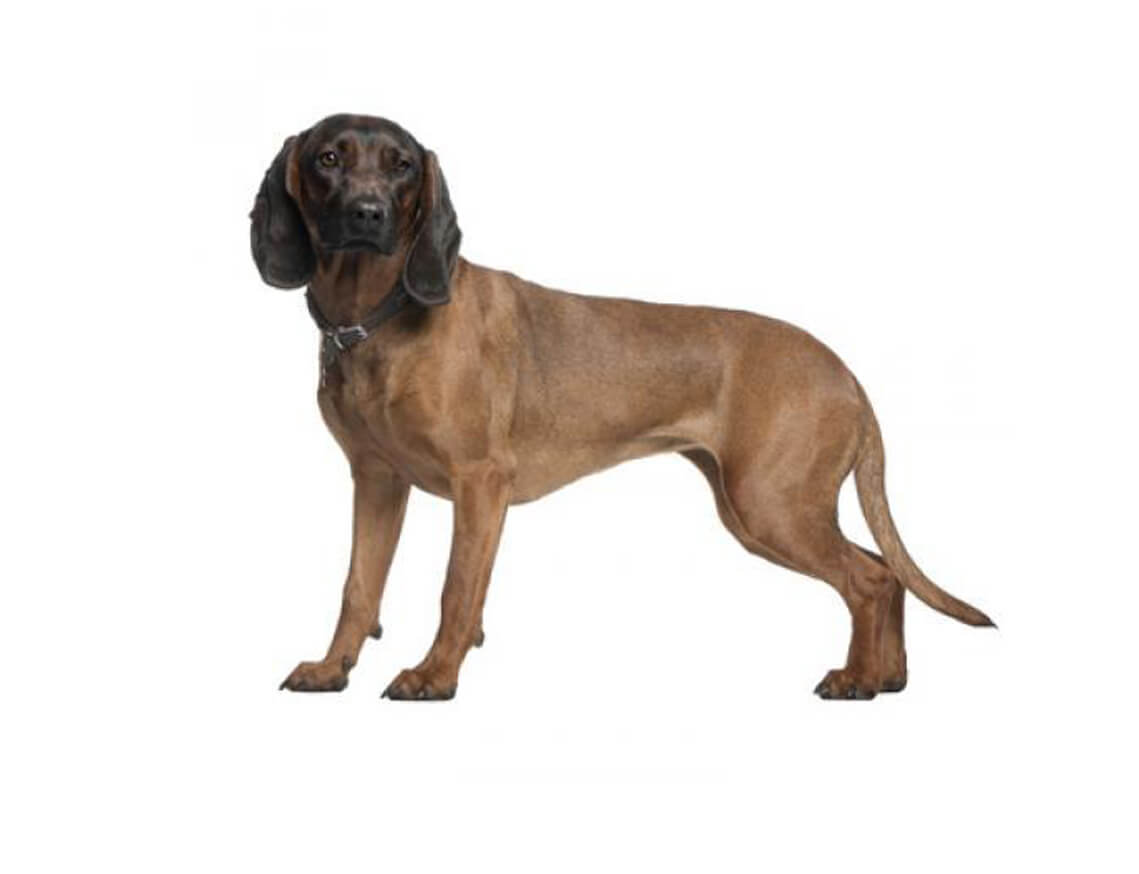
This muscular, medium-sized hound is slightly longer than he is tall and weighs 20-25kg when fully grown. Adult dogs stand at 47-52cm and females at 44-48cm. The short coat comes in brown, red with a black mask, and stag red with or without a black mask.


The need-to-know


  • Dog suitable for owners with some experience
  • Extra training required
  • Enjoys active walks
  • Enjoys walking one to two hours a day
  • Large dog
  • Minimum drool
  • Requires grooming once a week
  • Non hypoallergenic breed
  • Chatty and vocal dog
  • Not a guard dog
  • May require training to live with other pets
  • Great family dog
Personality

The Bavarian Mountain Hound breed is courageous, calm, loyal and devoted to his owner. He can be reserved with strangers, so early, thorough socialisation is especially important. Training is a must to ensure a good recall, along with giving him the chance to use his nose.


History and Origins

The Bavarian Mountain Hound dog breed is descended from medieval hunting scenthounds. Various breeds and types came from these original hounds, including the Hanoverian Scenthound. To produce a lighter dog, the Hanoverian Scenthound was crossed with red Mountain Scenthounds and, in the 1870s, the Bavarian Mountain Hound was formed. A bloodhound breed that could track the cold scent of wounded game in mountainous areas. A club for the breed was established in Munich in 1912.

Nutrition and Feeding

Your dog's diet needs to have the right balance of all the main nutrient groups including a constant supply of fresh water. It's also important to conduct regular body condition scores to ensure you keep your dog in ideal shape, and remember to feed him at least twice daily in accordance with the feeding guidelines of his particular food. The Bavarian Mountain Hound is prone to bloating and stomach problems; smaller, more frequent meals can help minimise this risk.

Exercise

Bred to hunt wounded game, sometimes over days, this dog has lots of stamina and will need at least two hours or more exercise a day. A working breed, the Bavarian Mountain Hound will enjoy tracking and other canine sports that will exercise his mind, body and nose! A reliable recall is essential, as he can become deaf to all entreaties to return if he starts to follow a scent.

Other Information

Health and common issues


As with many breeds, the Bavarian Mountain dog can suffer from hip dysplasia (a condition that can lead to mobility problems). Hip scoring of dogs prior to breeding is therefore important.


Best family dog breeds


While many dogs are traditionally thought of as being good with children , all dogs and children need to be taught to get on with and respect each other, and be safe together. Even so, dogs and young children should never be left alone together and adults should supervise all interactions between them.


Basset Hound

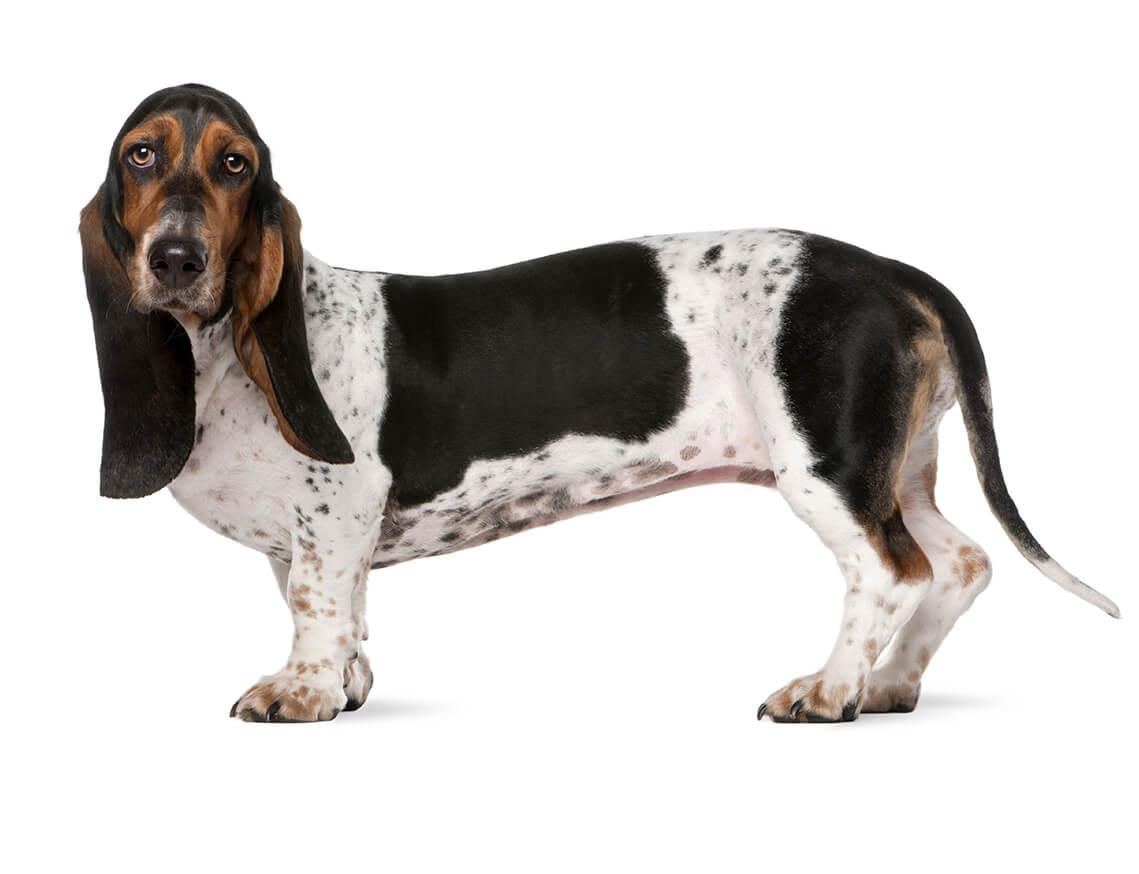
Basset Hounds are substantial dogs on short legs. From the scent hound group, this breed was originally used for hunting small game but are now popular as family dogs due to their relaxed and affectionate demeanours.


The need-to-know
 

  • Dog suitable for owners with some experience
  • Some training required
  • Enjoys active walks
  • Enjoys walking an hour a day
  • Medium dog
  • Minimum drool
  • Requires grooming every other day
  • Non hypoallergenic breed
  • Very vocal dog
  • Not a guard dog
  • May require training to live with other pets
  • Great family dog
Lifespan:
10–12 years
Weight:
18–27kg
Height:
33–38cm
Colours:
Their short, smooth coat comes in any hound colour, but is usually tricolour (black, tan and white) or bicolour (lemon and white)
Size:
Medium
Kennel Club group:
Hound
Personality

Despite looking morose and serious, the Basset Hound dog breed is sociable, calm, polite and quietly playful. Affectionate with people they know and reserved with others, they love children and get on well with other dogs and with some training, other animals in the home. They are very companionable dogs who hate to be left alone and so always need some company - whether human or canine.


History and Origins

Country of Origin: France


The Basset Hound originated in France where they were used to hunt rabbit, hare and wild boar, and the name ‘basset’ translates to ‘short’ or ‘low’.Their history is somewhat accidental coming from short-legged mutations appearing in traditional scent hound breeds. Rather than rejecting these dogs, it became clear that they were useful for hunters who were following dogs on foot rather than horseback and couldn’t move as fast. Often this was because there was heavy cover where horses couldn’t go or else poverty following the French Revolution meant that many people could no longer afford horses.The Basset Hound came to England in 1866 where it was crossed with the Bloodhound to give a heavier bodied version than the original French dog - and this is the Basset Hound we see today.


Nutrition and Feeding

Your dog's diet needs to have the right balance of all the main nutrient groups including a constant supply of fresh water. It's also important to conduct regular?body condition?scores to ensure you keep your dog in ideal shape, and remember to feed them at least twice daily in accordance with the feeding guidelines of their particular food. The deep-chested Basset is prone to bloating and stomach problems; smaller, more frequent meals can help minimise this risk.

Exercise

About an hour's daily exercise is needed. Basset Hounds can tend to be lazy if given half a chance, but they do need exercise to ensure they do not put on too much weight, which can cause back problems in later life. During the rapid growth periods, however, exercise must be limited as joint complications may occur. Because of the length of their bodies, Bassets should not be allowed to go up and down stairs until they are 18 months old. As well as walking exercise, regular/daily scent work enrichment is a real joy for these dogs.

Other Information

Health and common issues


The most common health problems seen in the Basset Hound are related to their body shape. They are prone to spinal disorders and abnormal joint development, particularly of the elbows, and obesity can make these disorders more problematic. They are also predisposed to ear and skin infections, as well as various eye conditions and so should be regularly assessed for these.


Space requirements


The Basset Hound is a country dog. While they don’t need a huge amount of exercise, they do need daily country walks where they can get to use their incredible nose. The joy of exercise for a Basset Hound is following scents and sniffing. So owners need to indulge them in that and enjoy watching them and not get frustrated. They enjoy having their own garden to wander around and sniff in too. Given their joy of howling, it’s best if you don’t have close neighbours!


Training basset hounds


The Basset Hound looks on training with some amusement and largely feels it is a pointless exercise. As they tend to go deaf when they find a great scent, training them to walk on a harness and lead is important as once in the great outdoors their recall is likely to be less than reliable, no matter how much time you spend training. The Basset Hound excels in scent work, so find a training class that will help you explore and celebrate your dog’s strengths and never focus on their training failings. Separation related problems can be an issue, if they are left alone without company. .paragraph--type--c-text .field--name-field-summary-text a {display:initial;}


Best family dog breeds


Basset Hounds make wonderful family dogs as they are kind and patient as well as being friendly to all. It is important however that children are taught not to take advantage of this good nature. While many dogs are traditionally thought of as being good with children, all dogs and children need to be taught to get on with and respect each other, and be safe together. Even so, dogs and young children should never be left alone together and adults should supervise all interactions between them.


Did you know?


  • The Basset Hound has found fame in a variety of unexpected places - including advertising Hush Puppy shoes and also in the cartoon character of Fred Basset.
  • Basset Hounds are the second-best sniffers in the canine world, second only to the Bloodhound.
  • This dog breed has difficulty swimming because of their small legs and dense bodies.
  • Marilyn Monroe had a Basset Hound called Hugo.
  • Their long, floppy ears help to lift scents off the ground right to their nose to help them track things better.


Basset Griffon Vendeen (Petit)

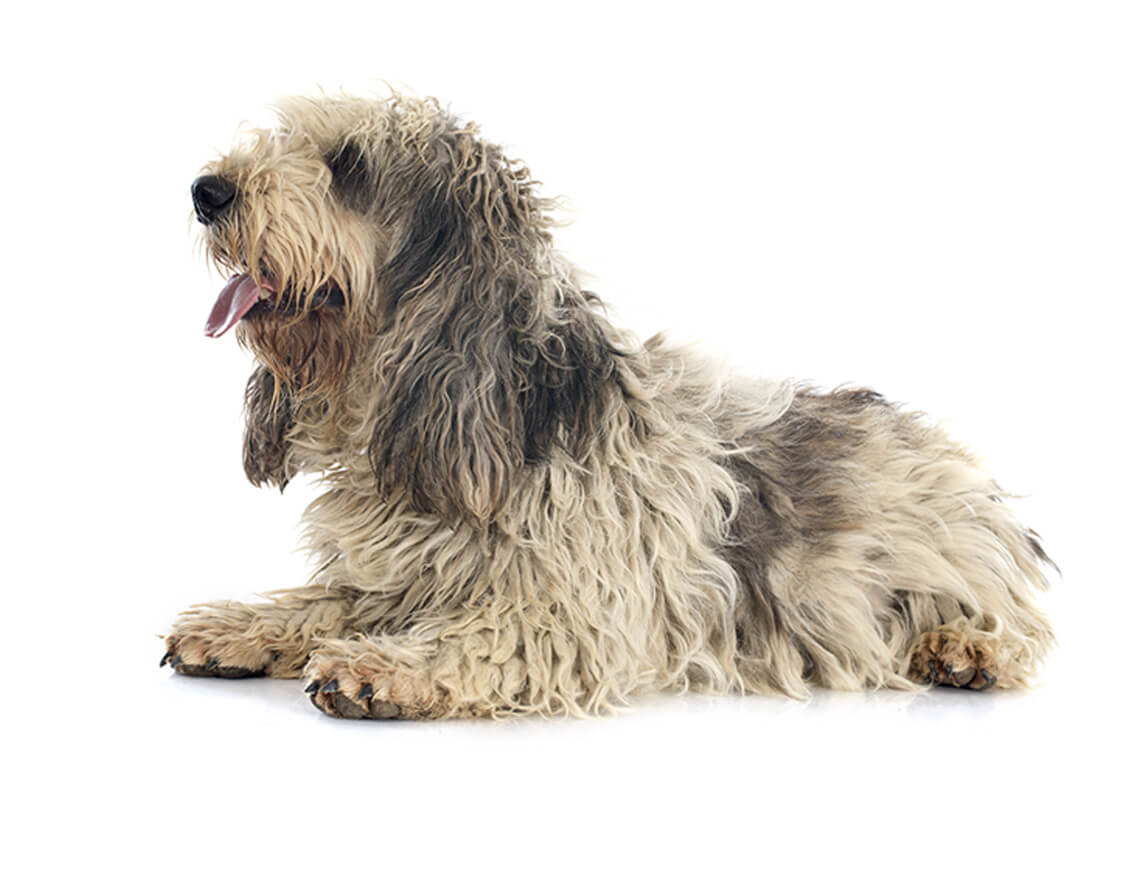
The Petit Basset Griffon Vendeen is a small/medium-sized, strong, deep-chested scent hound. He has a typical basset-type shape – being longer than he is tall and low to the ground. Adults stand at approximately 34-38cm. The rough, medium-length coat comes in white with lemon, orange, sable, grizzle or black markings, or tricolour.


The need-to-know


  • Dog suitable for owners with some experience
  • Some training required
  • Enjoys active walks
  • Enjoys walking one to two hours a day
  • Medium dog
  • Some drool
  • Requires grooming every other day
  • Non hypoallergenic breed
  • Very vocal dog
  • Not a guard dog
  • May require training to live with other pets
  • Great family dog
Personality

The Petit Basset Griffon Vendeen is a fun, extrovert dog who loves to be kept active. He can be stubborn, independent and bold, so requires an owner with patience and tolerance, but he is always willing to please. He gets on well with other dogs, children and strangers.


History and Origins

The Petit Basset Griffon Vendeen dog breed can be traced back to the 16th century and originates from the Vendee region of western France. There are two varieties of the basset type of Griffon Vendeen, the Petit and the Grand. These two originally occurred in the same litters, and it wasn't until the 1970s that the cross breeding of these two varieties was forbidden. Today, these dogs are still used, as individuals or in packs, to hunt wild boar and to scent rabbit and hare.

Nutrition and Feeding

Your dog's diet needs to have the right balance of all the main nutrient groups including a constant supply of fresh water. It's important to conduct regular body condition scores to ensure you keep your dog in ideal shape, and remember to feed him at least twice daily in accordance with the feeding guidelines of his particular food.

Exercise

The Petit Basset Griffon Vendeen requires an hour's exercise or more a day, as well as games and time outside. A country-loving dog, his hunting instincts are still in evidence, and he loves putting his nose to the ground and following any scents he detects – sometimes developing 'hound selective deafness' at the same time!

Other Information

Health and common issues


As with many breeds the Petit Basset Griffon Vendeen can suffer various inherited eye conditions and so eye testing is recommended in all dogs prior to breeding. Epilepsy is also known to occur in both Grands and Petits.


Best family dog breeds


While many dogs are traditionally thought of as being good with children , all dogs and children need to be taught to get on with and respect each other, and be safe together. Even so, dogs and young children should never be left alone together and adults should supervise all interactions between them.


Basset Griffon Vendeen (Grand)

The Grand Basset Griffon Vendeen (or GBGV for short) is a robust, medium height hound, built slightly longer than they are tall. Consider this a large dog on medium-length legs rather than a medium sized dog. The weather-resistant coat is rough and shaggy, hiding a solidly built, hefty hound beneath. They are known for their characteristic hair over the eyebrows, beard and moustache, giving them a friendly and happy appearance.


The need-to-know


  • Dog suitable for owners with some experience
  • Extra training required
  • Enjoys active walks
  • Enjoys walking one to two hours a day
  • Medium dog
  • Some drool
  • Requires grooming every other day
  • Non hypoallergenic breed
  • Very vocal dog
  • Not a guard dog
  • May require training to live with other pets
  • Great family dog
Lifespan:
12 – 14 years
Weight:
20 – 30kg
Height:
40 - 44cm for males, and 39 - 43cm for females
Colours:
White with lemon, orange, black, sable, tri-colour, or grizzle.
Size:
Medium
Kennel Club Group:
Hound
Personality

The Grand Basset Griffon Vendeen is truly a happy-go-lucky dog, believing whole heartedly that they are adored by all humans. Whilst still at heart a working dog, the Grand Basset is typically a very tactile dog who adores physical contact – in particular, they are known for the ‘Grand Hug’ putting their forelegs into a person’s lap and then flopping all their weight into that person. This forces the person to wrap their arms around the hound rather than let it slide to the floor! As the Grand Basset can carry a lot of water and slobber in their beard and face, this can be an unpleasant experience for some and a true delight for others!


History and Origins

Country of Origin: France The Grand Basset Griffon Vendeen can be traced back to 16th century France. Their French name translates to ‘large, low, hairy, from the Vendee region’ and this accurately describes the breed and differentiates it from the various French hunting hounds. Developed first by the Comte d’Elva at the end of the 19th Century and refined further by Paul Dézamy who required a shorter dog for hunting hare, originally the Grand and the Petit Basset Griffon Vendeen would occur in the same litters and crossbreeding between the two occurred regularly. In the 1970s’, this was stopped and efforts were made to ensure the breeds remained separate. Due to the influence of longer-legged hounds in the development of the Grand Basset (Grand Griffon Vendeen and Briquet Griffon Vendeen), there are still occasionally long-legged pups in Grand Basset litters. In the UK today the Grand Basset is gaining popularity as a pet and show dog, in France they are still used for their original purpose, hunting wild boar, deer, rabbit and hare through rough terrain and harsh undergrowth.


Nutrition and Feeding

Large breed dogs, as well as having large appetites, benefit from a different balance of nutrients including minerals and vitamins compared to smaller-breed dogs.

Exercise

An hour of exercise per day, ideally much more, the Grand Basset Griffon Vendeen is still a working hound designed to cover a lot of rough ground and heavy undergrowth. Make sure to spend time playing scent-based games to keep the hound mind (and nose) active and fulfilled. A variety of walking routes with interesting scents will keep your hound happy.

Other Information

Health and common concerns


Generally a robust and healthy dog, this is a breed with a long back and relatively short legs; so care must be taken with young, growing puppies, and elderly dogs.


Space requirements


The Grand Basset Griffon Vendeen does not demand a huge or lavish home, however a secure garden is vital, as these robust hounds are bred to force their way through heavy undergrowth, and they will find a way out to follow a scent if they possibly can. Better suited to the rural suburbs or truly countryside home, as they require long rural walks and safe, secure places for off lead play and running.


Training basset griffon vendeens


Using positive reinforcement and motivating the GBGV with food and the opportunity to follow scents or find hidden scented items, they will work all day long for you, with a happy and willing attitude. Training a recall is vital, as they will easily follow a scent trail for miles, oblivious to the fact you are no longer behind them. Even with a well-trained recall, off lead exercise needs to be in safe secure areas as the joy of following a scent will mean that even the best recall training can easily be forgotten! The Grand Basset should never be trained with a heavy hand or aversive methods. They are a tough, independent thinker, bred to take on game such as wild boar. Attempts to use punishment-based methods will result in an unhappy hound, and they will not tolerate intimidation or bullying tactics.


Best family dog breeds


Better suited to families who are either home most of the time or can take their dog with them, the Grand Basset does not like to be left out of things or left alone. As they can be rather hefty, and also quite bouncy, they may be better suited to homes with older children who are resistant to being flattened or knocked over! While many dogs are traditionally thought of as being good with children, all dogs and children need to be taught to get on with and respect each other, and be safe together. Even so, dogs and young children should never be left alone together and adults should supervise all interactions between them.


Did you know?


The Grand Basset Griffon Vendeen was developed for hunting wild boar, but also for hunting hare, on foot rather than from horseback. These low-slung hounds could follow a hare (who tend to run in large circles) until the hare gave up and tried to hide by squatting in the undergrowth. Persistence and scenting ability were therefore much more important than speed so despite the reputation hares have for being extremely fast, the GBGV was in fact ideal for this job. 
 

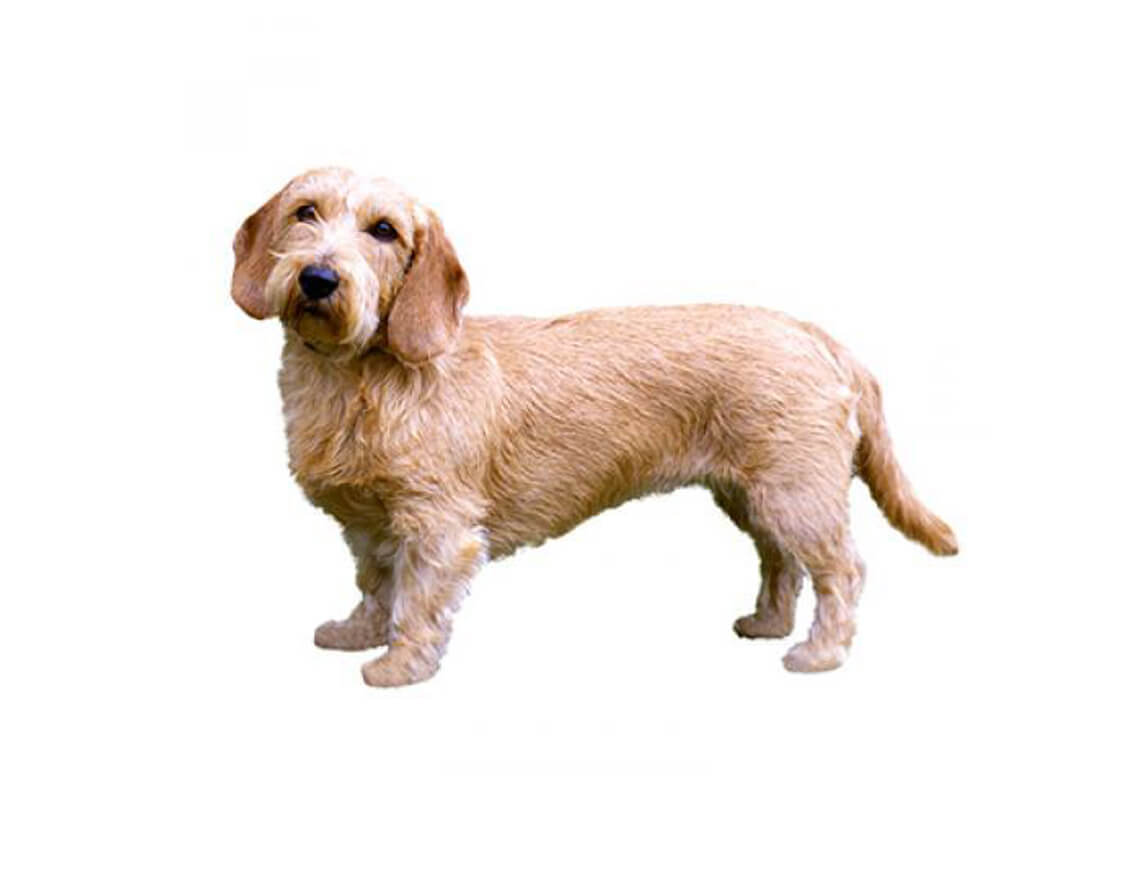
Basset Fauve de Bretagne

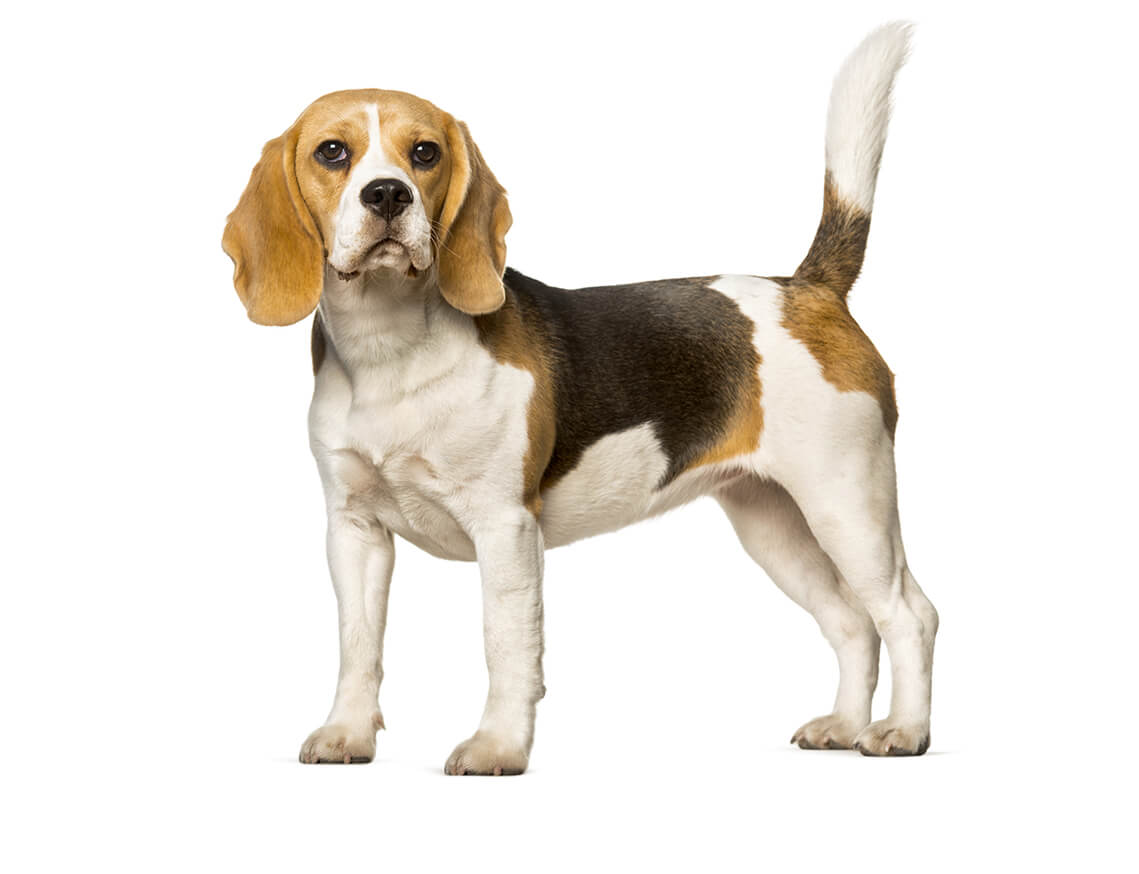
This medium-sized, rough-coated dog is a typical basset shape, though not as low to the ground as the Basset Hound, standing at 32-38cm when fully grown. He weighs about 16-18kg as an adult. The coat comes in fawn, gold-wheaten or red-wheaten. Some may have a little white on the chest.
 

The need-to-know


  • Dog suitable for owners with some experience
  • Extra training required
  • Enjoys active walks
  • Enjoys walking one to two hours a day
  • Medium dog
  • Minimum drool
  • Requires grooming once a week
  • Non hypoallergenic breed
  • Chatty and vocal dog
  • Not a guard dog
  • May require training to live with other pets
  • Great family dog
Personality

These are cheerful little dogs, intelligent, friendly, brave and very active. The Basset Fauve de Bretagne breed gets along well with children and other household pets. Not really guard dogs, they will however announce strangers at the door. They are unhappy if kept confined for too long and love to have busy, full lives and to be involved with all family matters.


History and Origins

The Basset Fauve de Bretagne dog breed is the smaller of the two hounds that come from the Brittany area of France in the 1800s. They were achieved by crossing the larger version, the Griffon Fauve de Bretagne, and Brittany Bassets and were originally used for hunting everything from rabbit to wild boar. The earlier versions of the breed probably looked more like the terriers than they do today. 

Nutrition and Feeding

Your dog's diet needs to have the right balance of all the main nutrient groups including a constant supply of fresh water. It's also important to conduct regular body condition scores to ensure you keep your dog in ideal shape, and remember to feed him at least twice daily in accordance with the feeding guidelines of his particular food.

Exercise

For their size, Basset Fauve de Bretagnes need a reasonable amount of exercise – about two hours a day or more. These nimble dogs love to play and have a passion for hunting, so care must be taken when they are off the lead and they must be trained to recall as puppies or they will turn a 'deaf ear' on you and come back when it suits them!

Other Information

Health and common issues


This is a hardy breed with no specific breed related problems reported to date.


Best family dog breeds


While many dogs are traditionally thought of as being good with children , all dogs and children need to be taught to get on with and respect each other, and be safe together. Even so, dogs and young children should never be left alone together and adults should supervise all interactions between them.


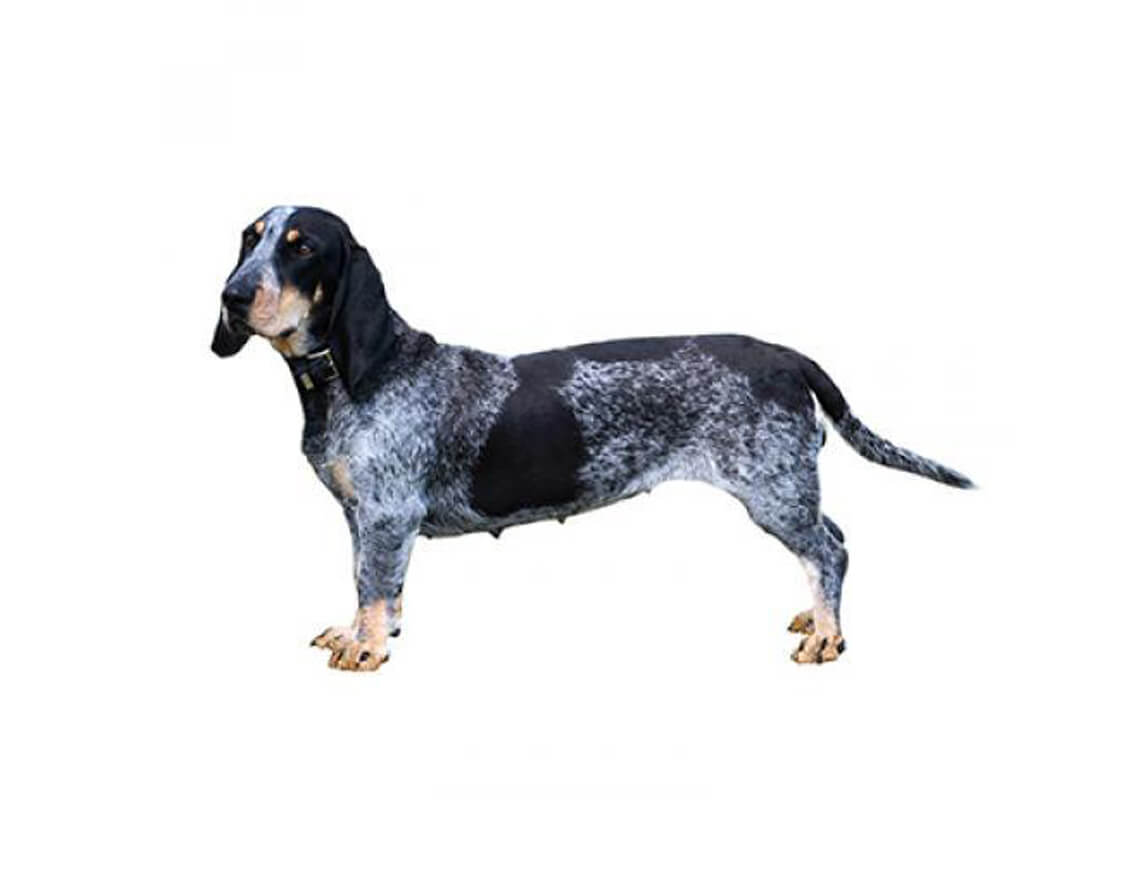
Basset Bleu de Gascogne

Athletic and aristocratic, the Basset Bleu de Gascogne is a powerful hound without the heaviness of some basset types. The body is long and low, but also lean and dry, without excess skin or exaggerated ears.


The need-to-know
 

  • Dog suitable for owners with some experience
  • Extra training required
  • Enjoys active walks
  • Enjoys walking more than two hours a day
  • Medium dog
  • Some drool
  • Requires grooming once a week
  • Non hypoallergenic breed
  • Chatty and vocal dog
  • Not a guard dog
  • May require training to live with other pets
  • Great family dog
Lifespan:
10 years
Weight:
16 – 18kg
Height:
30 – 38cm
Colours:
A mottled black and white that appears slightly blue. Tan markings may also be seen
Size:
Medium
Kennel Club Groups:
Hound
Personality

Described as sagacious and audacious, the Basset Bleu de Gascogne a working hound. Never happier than when their noses are to the ground, tail up in the air following a scent. Reserved with strangers but affectionate to the point of comical with loved ones, this is a hound-lovers hound, suited to those who expect a dog to check all available options and consult a higher power before complying with a request! Provided the opportunity to follow scent, run and find hidden toys or treats, this is a happy, highly amusing dog to live with.


History and Origins

Country of Origin: France


France can lay claim to many hounds, and over the centuries have, it seems, provided a hound for every occasion! The Basset Bleu de Gascogne comes from the Gascogny region in the south-west of France. Mentioned in records as far back as the 12th Century, the ‘bleu’ hounds were used for hunting boar, wolf and deer. In 1911, it was realised that the Basset version of the breed had all but died out. Dedicated breed supporter Alain Bourbon set about recreating the breed, using the longer legged Bleu de Gascogne and any suitable Basset type bitches he could find, until he arrived at a true-breeding replica of the original Basset Bleu de Gascogne.


Nutrition and Feeding

Your dog's diet needs to have the right balance of all the main nutrient groups including a constant supply of fresh water. It's important to conduct regular body condition scores to ensure you keep your dog in ideal shape, and remember to feed him at least twice daily in accordance with the feeding guidelines of his particular food.

Exercise

This is still at heart a working hound, so will thrive on two hours or more of walking per day. Be sure to include time to follow a scent trail, games that involve scenting out hidden food or toys, and the opportunity to run freely in secure locations. This is a dog who will want to spend much of their waking time outdoors doing something, but if this need is met, will happily spend the rest of the time upside down on the sofa!

Other Information

Health and common concerns


The Basset Bleu is not known to suffer widely from many inherited conditions. Like other dogs with this body shape, they can be expected to be more prone to spinal disorders and abnormal joint development.


Space requirements


The Basset Bleu de Gascogne does not require a vast home, however a large secure garden is vital. Better suited to country or at least rural suburban living, as this dog wants long walks and access to a variety of routes to follow scent trails, plus somewhere secure to run off lead. They are likely to find a very busy urban area overwhelming and stressful.


Training basset bleu gascogne dogs


Although very responsive to food and positive training methods, this is still an independent-minded scent hound. Ears are functional only in a mutually exclusive relationship to the nose – if the nose is down, the ears are firmly switched off! Once you understand that the ears on a scent hound are merely decorative and serve little purpose for listening, it becomes easier to understand how to engage with your hound. The nose is the route to all compliance! Work hard on early training, instilling check-ins and recall as a matter of habit rather than involving any active thought process, socialise well it livestock, pets and children! For those who enjoy competitive activity, any of the scent-based competitions such as Tracking and Man-trailing will prove fun with a Basset Bleu de Gascogne.


Best family dog breeds


This is a great family dog, as long as you have the time to spend exercising and reinforcing training, and understand that hounds are rarely if ever traditionally obedient! They are better with slightly older children as a young hound is quite a boisterous bouncy creature, and not well suited to homes where they will be left alone for more than brief occasions. While many dogs are traditionally thought of as being good with children, all dogs and children need to be taught to get on with and respect each other, and be safe together. Even so, dogs and young children should never be left alone together and adults should supervise all interactions between them.


Did you know?


  • France takes its scent-hounds very seriously. There is almost a type for each region, available in a variety of sizes, coat types and colours. The names are usefully descriptive, unlike many of the UK hounds who are named for some obscure gentleman or historic mansion.
  • The Basset Bleu de Gascogne translates to ‘low, blue, from Gascogny’; the Grand Bleu de Gascogne translates to ‘large, blue, from Gascogny’. When it comes to French hounds, a grasp of the language gives you all the physical descriptions you need. Petit means small, Briquet means middle sized, Grand means large, Basset means low, Griffon means hairy, Bleu means blue coloured, Fauve means tawny or fawn. If you like hounds, there is sure to be a French hound for you!


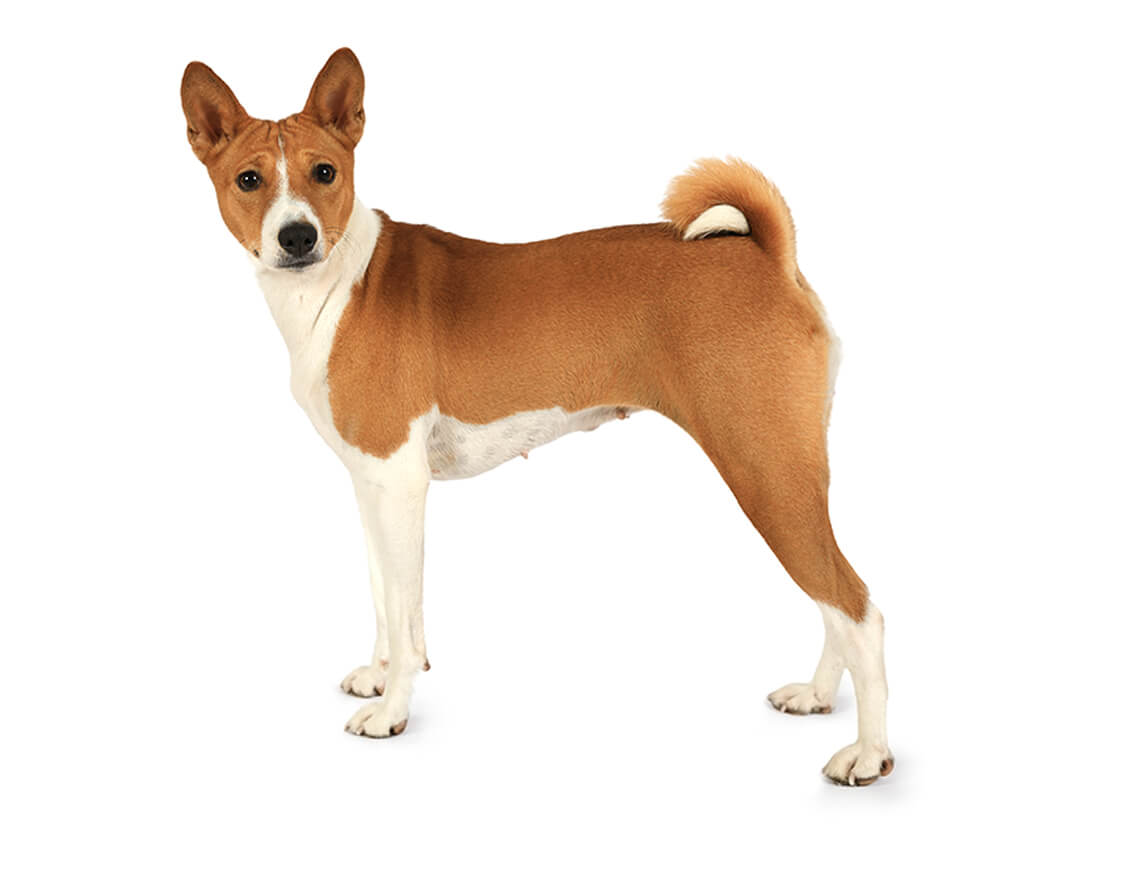
Basenji

This small to medium-sized dog has a distinctive tightly curled tail and wrinkled forehead. The smooth, short, glossy coat of the Basenji comes in different colour combinations. If you can keep up with their high energy levels, Basenji dogs are smart, fun and make lovely companions.


The need-to-know


  • Dog suitable for owners with some experience
  • Some training required
  • Enjoys active walks
  • Enjoys walking an hour a day
  • Medium dog
  • Minimum drool
  • Requires grooming once a week
  • Non hypoallergenic breed
  • Quiet dog
  • Not a guard dog
  • May require training to live with other pets
  • May require training to live with kids
Life Span:
12-16 years
Weight:
11kg for males and 9.5kg for females
Height:
43cm at the withers (from the foot to the highest point of the shoulder) for males and 40cm for females
Colours:
Red and white; black and white; black tan and white; brindle; brindle and white; tricolour
Size:
Medium
Kennel Club group:
Hound
Personality

The Basenji is without doubt unique and has several characteristics that totally distinguish it from other breeds. First of all, the Basenji doesn’t bark. It will however yodel, chortle or even crow when excited. Like wild canids such as the wolf, the Basenji only has one season a year and in its fastidiousness is almost cat-like, cleaning themselves in a similar way. Like cats, they are excellent climbers and some will even climb trees. They are also extremely watchful and can sit for hours looking out of windows.


History and Origins

Country of Origin: Africa


The Basenji is said to be as old as the Pyramids and indeed it appears in art from ancient Egypt from 4500 years ago. The same type of dog appears throughout hundreds of years - mostly in funeral art which indicates they were favourite dogs of the Pharaohs.While the civilisation of ancient Egypt vanished, the Basenji survived, and soon became prized possessions of local tribesmen and hunters. The Basenji has been an all-purpose hunting dog across Africa for thousands of years and unlike most hounds, it is both a sighthound and a scenthound - and can be trained to point and retrieve.The breed is virtually unchanged since the days of the Pharaohs making it one of the oldest ‘true to type’ breeds.


Nutrition and Feeding

Small dogs have a fast metabolism, meaning they burn energy at a high rate. Their small stomachs also mean that they must eat little and often. Small-breed foods are specifically designed with appropriate levels of key nutrients and smaller kibble sizes to suit smaller mouths. This also encourages chewing and improves digestion.

Exercise

Bred to hunt in rough terrain and with high energy levels, the Basenji needs at least an hour's exercise daily, and has the stamina for more if you can offer it. Most of this exercise will need to be on lead as they have a very strong drive to chase and explore - and have a totally dismissive attitude to recall! Owners need to be as active as their dogs. Basenjis have exceptional problem-solving skills and so interactive feeding toys, enrichment games, and scent-work can all help keep their busy minds and bodies occupied.

Other Information

Health and common issues


The most widely recognised inherited conditions in the Basenji are a type of dog kidney disease (Fanconi Syndrome) and a form of anaemia. Genetic tests are available for both of these. Like many breeds, hereditary eye disorders can also occur. Eye testing and genetic testing of dogs prior to breeding is therefore important.


Space requirements


Basenji are small dogs who do not need much houseroom and as long as they have a warm home with a window to look out of, they will be happy. But they do need access to plenty of exercise space. Gardens need to be exceptionally well fenced but even then, they are expert escapologists who can climb fences and trees. Basenji needs supervision when outside.


Training basenji dogs


Basenjis are clever, intelligent dogs. Dog training is mostly something that is looked on as being beneath them! With skill, patience and an ability to motivate a Basenji, they can be trained to do virtually anything. They can even make great agility dogs. But their obedience and, certainly their recall, can never be relied upon. Keep in mind that, they can be extreme chewers and so need appropriate chewing opportunities.


Best family dog breeds


The Basenji is a specialist dog that has such specific needs that they do better in households without children or where children are older and sensible. While many dogs are traditionally thought of as being good with children, all dogs and children need to be taught to get on with each other and be safe together. Even so, dogs and young children should never be left alone together and adults should supervise all interactions between them.


Did you know?


The Basenji is probably the world’s oldest dog breed and they got their name from the people of the Ituri rainforests who called them Basenchi - meaning “little bush thing”.


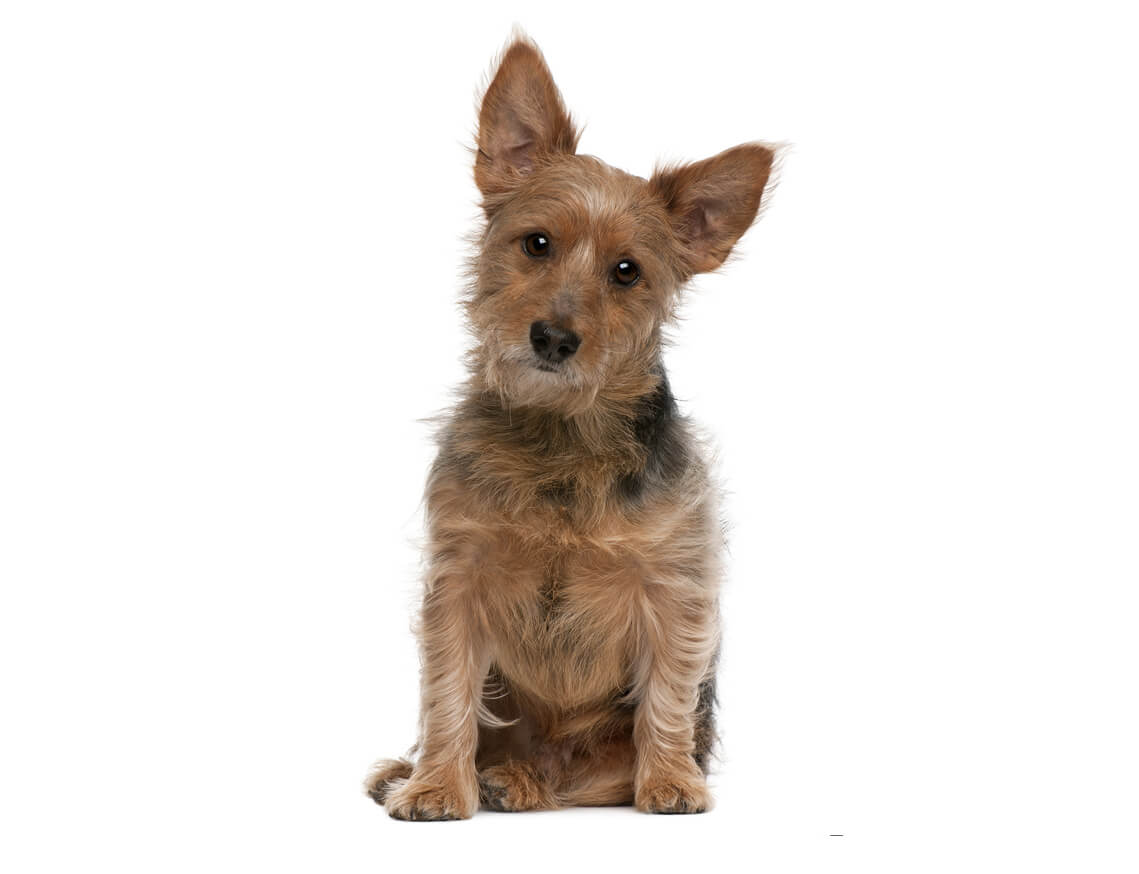
Australian Terrier

Australian Terrier dogs differ from some other terriers in that they have a long neck and back, in proportion to their height. Their coats are harsh and straight on top and shorter and softer underneath, and can be red, or various shades of blue with tan. The Aussie stands at approximately 25.5cm at the withers when adult and weighs approximately 6.5kg.


The need-to-know
 

  • Dog suitable for owners with some experience
  • Some training required
  • Enjoys active walks
  • Enjoys walking an hour a day
  • Small dog
  • Minimum drool
  • Requires grooming every other day
  • Non hypoallergenic breed
  • Very vocal dog
  • Guard dog. Barks and alerts
  • May require training to live with other pets
  • May require training to live with kids
Personality

Friendly and outgoing, the Aussie is keen to please and revels in human contact and praise, and so is generally easy to train – unlike some terriers! He is not aggressive, but will stand his ground if challenged by another dog. This is not a yappy breed, but he will bark if he considers circumstances warrant it.


History and Origins

The Australian Terrier dog breed was created in the early 19th century to work in rugged conditions, hunting snakes and rodents on ranches and down gold mines, and being an all-purpose farm dog. The breed was created from terriers imported from northern England and Scotland – including the forebears of the Dandie Dinmont Terrier, Skye and Yorkshire, and the old Black and Tan Terrier and Scotch Terrier. The result was the Australian Terrier dog, which had its first breed club established in Australia in 1887. Official recognition was granted by the Kennel Club of Great Britain in 1936, and in 1958 the American Kennel Club accepted them.

Nutrition and Feeding

Small dogs have a fast metabolism, meaning they burn energy at a high rate, although their small stomachs mean that they must eat little and often. Small-breed foods are specifically designed with appropriate levels of key nutrients and smaller kibble sizes to suit smaller mouths. This also encourages chewing and improves digestion.

Exercise

About an hour's exercise is needed a day, though he will happily accept more – after all, this dog was a working terrier as well as a companion! They enjoy agility, obedience, walks, games and other canine sports.

Other Information

Health and common issues


The Australian Terrier dog breed is generally a healthy breed with few specific breed related problems.


Best family dog breeds


While many dogs are traditionally thought of as being good with children , all dogs and children need to be taught to get on with and respect each other, and be safe together. Even so, dogs and young children should never be left alone together and adults should supervise all interactions between them.


Australian Silky Terrier

Alert, glamorous yet robustly built, the Australian Silky Terrier has sharply pricked ears and a long straight coat parted down the back.


The need-to-know


  • Dog suitable for owners with some experience
  • Some training required
  • Enjoys gentle walks
  • Enjoys walking an hour a day
  • Little toy dog
  • Minimum drool
  • Requires grooming every other day
  • Hypoallergenic breed
  • Very vocal dog
  • Guard dog. Barks and alerts
  • May require training to live with other pets
  • May require training to live with kids
Lifespan:
12 – 15 years
Weight:
3.5 – 4.5kg
Height:
Around 23cm tall
Colours:
Coat colours come in blue and tan, grey-blue and tan, silver and tan or silver-blue and tan
Size:
Small
Kennel Club Groups:
Toy
Personality

Keen, alert and active, the Australian Silky Terrier or ‘Silky’ for short is, beneath the coat, all terrier. With all the spice and fire of the larger terriers, they are still well equipped for their original purpose in watchdog and vermin control roles, as well as making lively companion animals.  Enjoying training, games and any activity where they can join in with their owner, this is a fun and remarkably robust little dog. Comparisons will be drawn with their relative the Yorkshire Terrier, but although they are similar in appearance and height, the Silky is the more solidly built, with a longer muzzle and less rounded head.


History and Origins

Country of Origin: Australia


Previously known as the Sydney Silky, the Australian Silky Terrier is related to both the Yorkshire Terrier and the Australian Terrier. It is thought that in the late 19th century when breeders were seeking to refine the robust, rough-coated Australian Terrier, they used the Yorkie to bring in the blue and tan colouring of the coat and probably to bring down the size.Some litters will have produced silky coated puppies which were undoubtedly attractive to breeders despite not being the desired outcome. These became the foundation of the Australian Silky Terrier that we have today. They were officially recognised as a breed in Australia in the mid-1950s and by the FCI in 1962.


Nutrition and Feeding

Your dog's diet needs to have the right balance of all the main nutrient groups including a constant supply of fresh water. It's important to conduct regular body condition scores to ensure you keep your dog in ideal shape, and remember to feed them at least twice daily in accordance with the feeding guidelines of their particular food.

Exercise

An hour a day of exercise, ideally split into two 30-minute walks will keep a Silky Terrier amused, particularly if you add in extra training and games on top. This is an active little dog however and a fit adult will take much more exercise than this if you are willing to give it. Whilst they can be considered a companion or lapdog, they will only fulfil this role easily if given plenty of exercise and mental stimulation.

Other Information

Health and common concerns


Like many small breeds, the Australian Silky dog breed can suffer from kneecaps that may temporarily slip out of place (luxating patellas), a hip disorder and a windpipe problem.


Space requirements


Compact and neat, the Australian Silky Terrier will fit into any size home, but is better managed in a home with a decent sized and securely fenced garden. Suitable for town, country or city living, but be aware that in busier, more densely populated areas the Silkies propensity towards barking furiously at anything untoward can be problematic!


Training australian silky terriers


Clever and quick, brave and bold, the Australian Silky Terrier will be a fun companion to train and take part in a variety of sports including mini agility, mantrailing, trick training and more. Be sure to socialise these little dogs well with other pets, children and livestock and work hard on teaching a reliable recall. Silkies are inclined to be vocal so early socialisation and working on a ‘hush’ cue is sensible. Responding well to positive reinforcement, the Silky Terrier is willing and able to work hard at any task you offer, if you have the right relationship!


Best family dog breeds


As with all toy dogs, it is best not to have them while you have very young children as it is all too easy for a small child to mistake a toy dog for a toy and terriers are generally less tolerant of childish mistakes. With older children, dog-savvy children and teenagers, the Silky Terrier may prove a fun and entertaining companion, particularly if they can help with training and exercise. While many dogs are traditionally thought of as being good with children, all dogs and children need to be taught to get on with and respect each other, and be safe together. Even so, dogs and young children should never be left alone together and adults should supervise all interactions between them.


Did you know?


  • The Australian Silky Terrier was originally named the Sydney Terrier, however due to breeders developing the breed in several locations across Australia and Tasmania at the same time, it was felt the name ‘Australian Silky Terrier’ fitted better.
  • Until the late 1920’s, whilst the breed was still in development, some litters of Australian Terrier x Yorkshire Terrier could produce Australian Terrier, Yorkshire Terrier or Australian Silky Terrier puppies, with breeders determining which was which by coat type and head shape. It wasn’t until 1932 that crossbreeding was discouraged and the breeds properly separated.


Australian Shepherd Dog

These dogs are often compared to the Border Collie dog breed. Solid and muscular, they are slightly longer than they are tall, standing at 51-58cm (males) and 46-53cm (females). They generally weigh 19-29kg depending on their sex and build. The coat comes in black, blue merle, red merle, and red, with or without tan points. See the breed standard for full details.


The need-to-know


  • Dog suitable for owners with some experience
  • Some training required
  • Enjoys vigorous walks
  • Enjoys walking more than two hours a day
  • Medium dog
  • Some drool
  • Requires grooming every other day
  • Non hypoallergenic breed
  • Very vocal dog
  • Guard dog. Barks and alerts
  • May require training to live with other pets
  • May require training to live with kids
Personality

This dog has strong herding instincts and loves to be part of family life, thriving on the companionship of his owners. They can be initially reserved with new people, so early socialisation is essential. Ongoing training and a combination of physical and mental stimulation is also important to satisfy his considerable intelligence and energy.


History and Origins

Surprisingly, the Australian Shepherd dog breed is actually American! Shepherds from the Basque region of the Pyrenees took small 'blue' dogs to work in the U.S. in the late 1800s and early 1900s to work with sheep. The Australian part of the name comes from the sheep that they worked with that were imported from Australia. Another theory suggests that the dogs immigrated first to Australia and then to the U.S. When they first arrived in the south-western United States in the late 1800s, the dogs were initially allowed to interbreed with other shepherd dogs, to enhance working ability. A breed club was established in the U.S. in 1957.

Nutrition and Feeding

Your dog's diet needs to have the right balance of all the main nutrient groups including a constant supply of fresh water. It's also important to conduct regular body condition scores to ensure you keep your dog in ideal shape, and remember to feed him at least twice daily in accordance with the feeding guidelines of his particular food.

Exercise

This dog needs at least two hours a day. Many Australian Shepherd dogs perform to a high standard in the dog sports (agility, heelwork to music, obedience and flyball), where they can use their physical and mental energy.

Other Information

Health and common issues


The Australian Shepherd dog is generally a very healthy breed. However as with many breeds, they can suffer from various hereditary eye disorders, and hip dysplasia (a condition that can lead to mobility problems). Eye testing and hip scoring of dogs prior to breeding is therefore important.


Best family dog breeds


While many dogs are traditionally thought of as being good with children , all dogs and children need to be taught to get on with and respect each other, and be safe together. Even so, dogs and young children should never be left alone together and adults should supervise all interactions between them.