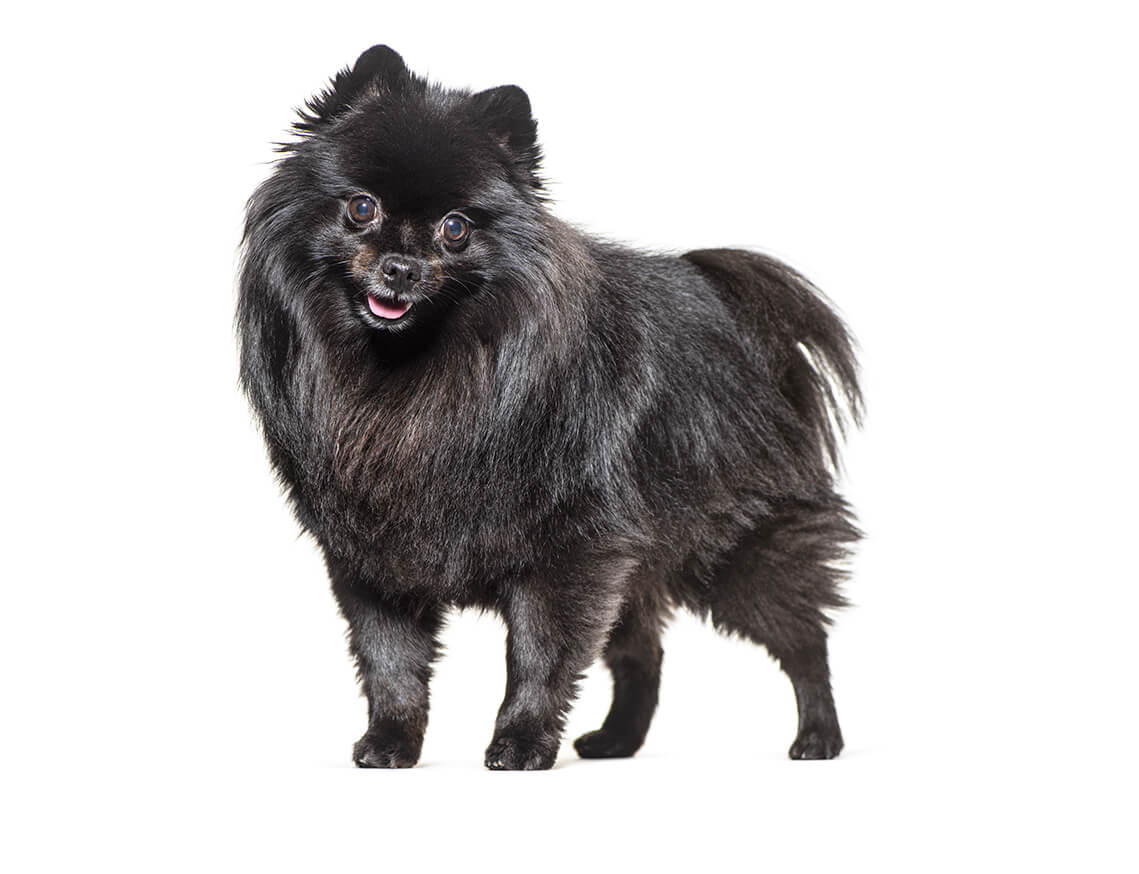
Griffon Bruxellois (Short/rough coat)

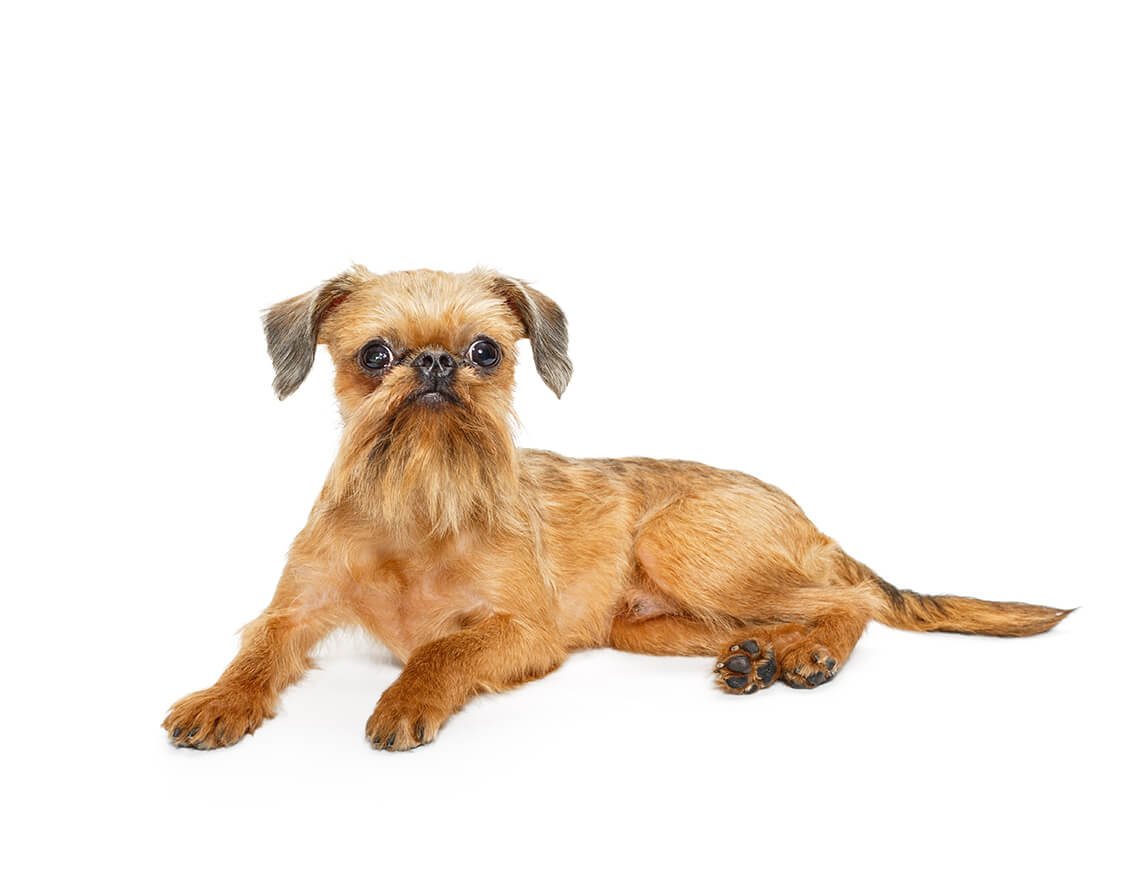
The Griffon Bruxellois dog breed comes in two types: rough or smooth-coated. The distinctive feature of a Griffon is its Pug-like face. The nose is quite short and turned up. Large, prominent eyes are another Pug-like feature as is the undershot jaw. This has led some people to liken the Griffon dog face to a monkey. This dog comes in red, black, or black and tan. Adults measure 18-20cm and weigh 2-5kg.


The need-to-know
 

  • Dog suitable for non-experienced owners
  • Basic training required
  • Enjoys gentle walks
  • Enjoys walking half an hour a day
  • Little toy dog
  • Minimum drool
  • Requires grooming every other day
  • Non hypoallergenic breed
  • Chatty and vocal dog
  • Guard dog. Barks and alerts
  • May require training to live with other pets
  • May require training to live with kids


Personality

The Griffon dog is not suggested as a companion for children, as their sometimes rough play can be misconstrued and make the dog fearful and unpredictable around children. Griffons can be stubborn but they are quick to learn and have been trained to do very well in various dog sports. They like to be close to their owner and can be destructive if left alone for a long period.


History and Origins

The Griffon Bruxellois is a Belgian breed that was created in the 19th century by crossing Affenpinschers, Pugs and Belgian stable dogs. Hansom cab drivers needed a small, intelligent dog to guard their cabs and dispense with vermin in the stables. The toughness of the street dogs, mixed with the cleverness of the Affenpinschers, proved useful to the cab drivers. Later, English Toy Spaniels were bred in to create an almost human-like face for the Griffon dog and possibly some Yorkshire Terrier was added into the mix.

Nutrition and Feeding

Toy dogs have a fast metabolism, meaning they burn energy at a high rate, although their small stomachs mean that they must eat little and often. Small-breed foods are specifically designed with appropriate levels of key nutrients and smaller kibble sizes to suit smaller mouths. This also encourages chewing and improves digestion.

Exercise

Active and with a terrier streak, the Griffon dog breed does like a good run but will adapt happily to life in a flat. As a minimum, he needs about half an hour's daily exercise.

Other Information

Health and common issues


The breed does not have many specific health problems, but as with other breeds of dogs with a relatively flat face, they can be prone to breathing difficulties and eye problems. Like many small breeds, they can suffer from kneecaps that may temporarily slip out of place (luxating patellas). An inherited spinal disorder is recognised in the breed and breeding dogs should therefore be screened for this.


Best family dog breeds


While many dogs are traditionally thought of as being good with children , all dogs and children need to be taught to get on with and respect each other, and be safe together. Even so, dogs and young children should never be left alone together and adults should supervise all interactions between them.


Greyhound

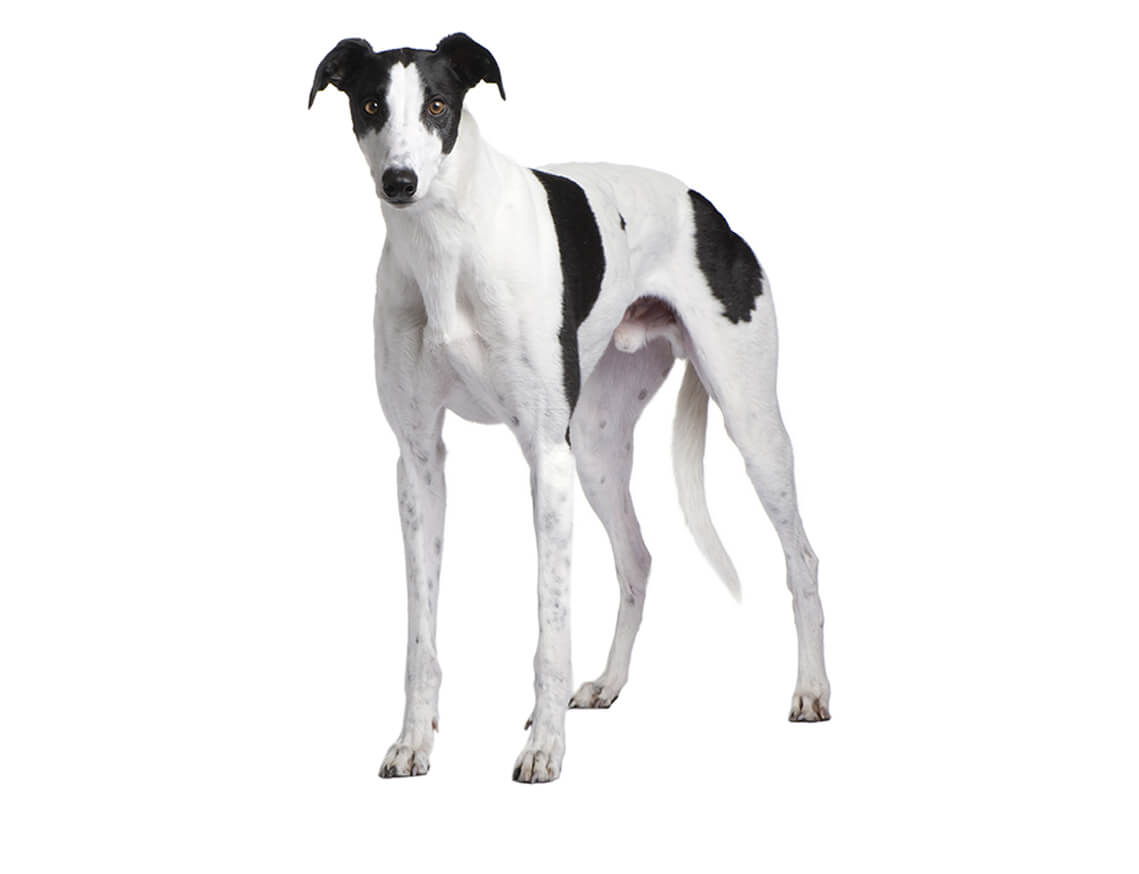
Greyhounds are the racehorses of the canine world, incredibly fast, graceful and elegant. These dogs are muscular and strongly-built. The short, fine coat comes in black, white, red, blue, fawn, fallow, brindle or any of these colours with white. Adult dogs are 71-76 in height and weigh about 30-32kg; adult females are 69-71cm and 27-30kg.


The need-to-know
 

  • Dog suitable for owners with some experience
  • Some training required
  • Enjoys active walks
  • Enjoys walking an hour a day
  • Large dog
  • Minimum drool
  • Requires grooming once a week
  • Non hypoallergenic breed
  • Quiet dog
  • Not a guard dog
  • May require training to live with other pets
  • Great family dog
Personality

These dogs are calm and social indoors and can even be rather lazy. They are sensitive dogs who can make ideal family pets if given the right owners! While they are gentle by nature, their natural hunting instinct is always present and owners must be willing to take on the necessary responsibilities that go with the breed. Greyhounds are affectionate with their families, though usually aloof with strangers. They normally get on well with other dogs in the household but cat owners should exercise extreme caution.


History and Origins

Greyhounds were among the most favoured of all dogs; Pharoahs and other Asian and African leaders had images of their dogs engraved into their tombs, dating back to 4,000BC. They were used for coursing antelopes, wolves and deer, and became extremely popular, spreading through the Near East and Europe, eventually arriving in Britain where they became a status symbol, so much so that in 1016 only the elite were allowed to own a Greyhound dog breed. They were used in coursing hares, and later track racing took over, which again proved them to be the fastest dogs on earth: only the cheetah can beat them for speed in the animal world!


Nutrition and Feeding

Large breed dogs, as well as having large appetites, benefit from a different balance of nutrients including minerals and vitamins compared to smaller-breed dogs. Greyhounds are prone to bloating and stomach problems; smaller, more frequent meals can help minimise this risk.

Exercise

Although Greyhounds are the most athletic of all domestic dogs, they do not need copious amounts of exercise. Two 20-minute runs a day will usually suffice. They are known as the 40mph couch potatoes – needing a good, fast sprint, not miles of walking. A reliable recall is essential before they are let off the lead in public areas because of their chase instinct and they may need to be muzzled to protect the small animal population. Note: a warm coat may be needed in cold weather.

Other Information

Health and common issues


The Greyhound is generally a relatively healthy breed with few widely recognised health problems.


Best family dog breeds


While many dogs are traditionally thought of as being good with children , all dogs and children need to be taught to get on with and respect each other, and be safe together. Even so, dogs and young children should never be left alone together and adults should supervise all interactions between them.


Great Dane Dog Breeds

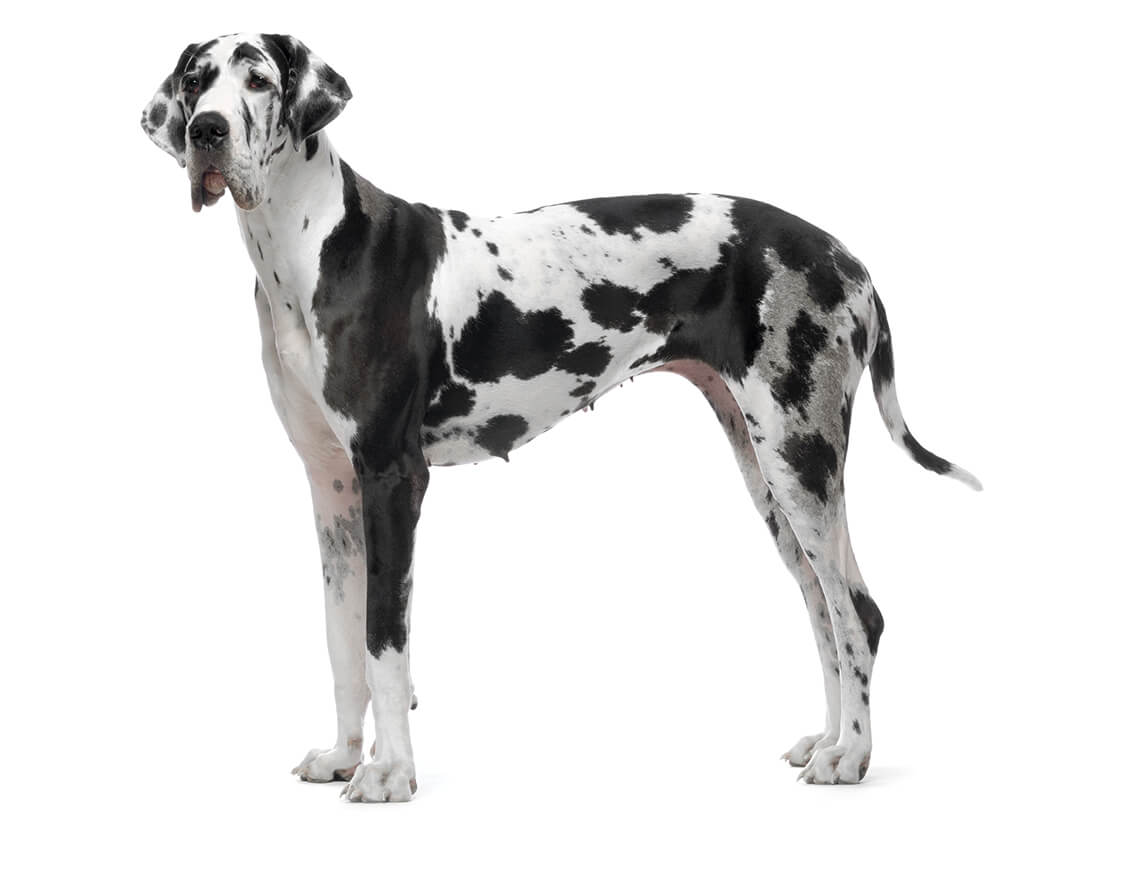
The Great Dane truly deserves the nickname “gentle giant”. These dogs are indeed giant, muscular and strong, but they have a friendly expression and a genuine desire to please everyone around them, humans or pets. They can be easily recognised due to their large stature as well as their long, rectangular head. Their short, sleek coat comes in a range of colours.


The need-to-know
 

  • Dog suitable for experienced owners
  • Extra training required
  • Enjoys active walks
  • Enjoys walking one to two hours a day
  • Giant dog
  • Minimum drool
  • Requires grooming once a week
  • Non hypoallergenic breed
  • Chatty and vocal dog
  • Guard dog. Barks, alerts and it's physically protective
  • May require training to live with other pets
  • May require training to live with kids


Lifespan:
8–10 years
Weight:
Ideal weight should be 54kg. Females should be 46kg
Height:
Over 18 months of age, the minimum height of dogs should ideally be 76cm. Females of the same age should be a minimum of 71cm
Colours:
Fawn, black, blue, brindle and harlequin
Size:
Giant
Kennel Club group:
Working
Personality

The Great Dane is an affectionate dog, ideally suited to the active family. They can become very close and loyal to their family and even to frequent visitors. They are quick to alert the family of any strangers approaching their territory, as they are excellent guard dogs and can sometimes be territorial and not welcoming of canine intruders. Puppy socialisation and puppy training is of particular importance in such a canine giant.


History and Origins

Country of Origin: Germany


Despite their name, the Great Dane is a German breed and has been known as the German Mastiff or the Deutsche Dogge. The ancestors of this breed have been known since ancient times but they were far heavier and more mastiff in appearance. In the Middle Ages they became popular as high-status hunting dogs of royalty often working in a pack to hunt wild boar. The Great Dane as we know it today however didn’t come into being until the 19th century when it had become both taller and more lightweight - possibly with the inclusion of Greyhound or other large hounds. While they have worked as guard dogs, the modern Great Dane was bred for docility and so his impressive bark is far worse than his bite!


Nutrition and Feeding

Giant-breed dogs, as well as having giant appetites, benefit from a different balance of minerals and vitamins, supporting different joint and cartilage needs. Great Danes are prone to bloating and stomach problems. Try feeding smaller, more frequent meals to help minimise the risk.

Exercise

A fit Great Dane adult will need in the region of a couple of hours of exercise daily. They enjoy walks and will happily go along will the family on their outdoor activities. But they are also keen on spending time in front of the fire, enjoying any creature comforts that are available. Dog exercise must be given in limited amounts during the growth period, as too much can cause serious bone, joint and muscle problems.

Ideal Owner

The Great Dane would suit an owner who is at home a lot (as they are not easily portable), has lots of space and is able to cope with a friendly dog whose head is on the level of every worktop but thinks he is a lapdog!

Other Information

Health and common issues


The Great Dane is predisposed to a number of problems that are common in large breeds of dog, including a specific stomach condition (gastric dilation volvulus), heart disease, a variety of bone disorders, and a particular type of aggressive bone tumour (osteosarcoma).


Space requirements


The Great Dane is a dog who needs a lot of space - both in the house and in the garden - and is best suited to a large rural property.


Training great danes


Such a giant breed needs training to make sure they are safe and social members of canine society. It is especially important that they learn to walk well on a lead and that they have a good recall - especially as their size can intimidate other dogs and people. Great Danes can enjoy reward-based training and some have been seen competing in obedience. Dog socialisation activities should be prioritised and ongoing.


Best family dog breeds


Great Danes can make great family dogs but they are often just too big to live easily with smaller children. While many dogs are traditionally thought of as being good with children, all dogs and children need to be taught to get on with and respect each other, and be safe together. Even so, dogs and young children should never be left alone together and adults should supervise all interactions between them.


Did you know?


The Great Dane holds the record for being the tallest dog breed in the world, and while in its present form it has only worked as a guard dog, the ancestors of this canine colossus have been war dogs, fighting dogs, and high-status hunting dogs. They are now gentle giants, bred for their docility. Their deep powerful bark being far worse than their pretty much non-existent bite.


Grand Bleu de Gascogne

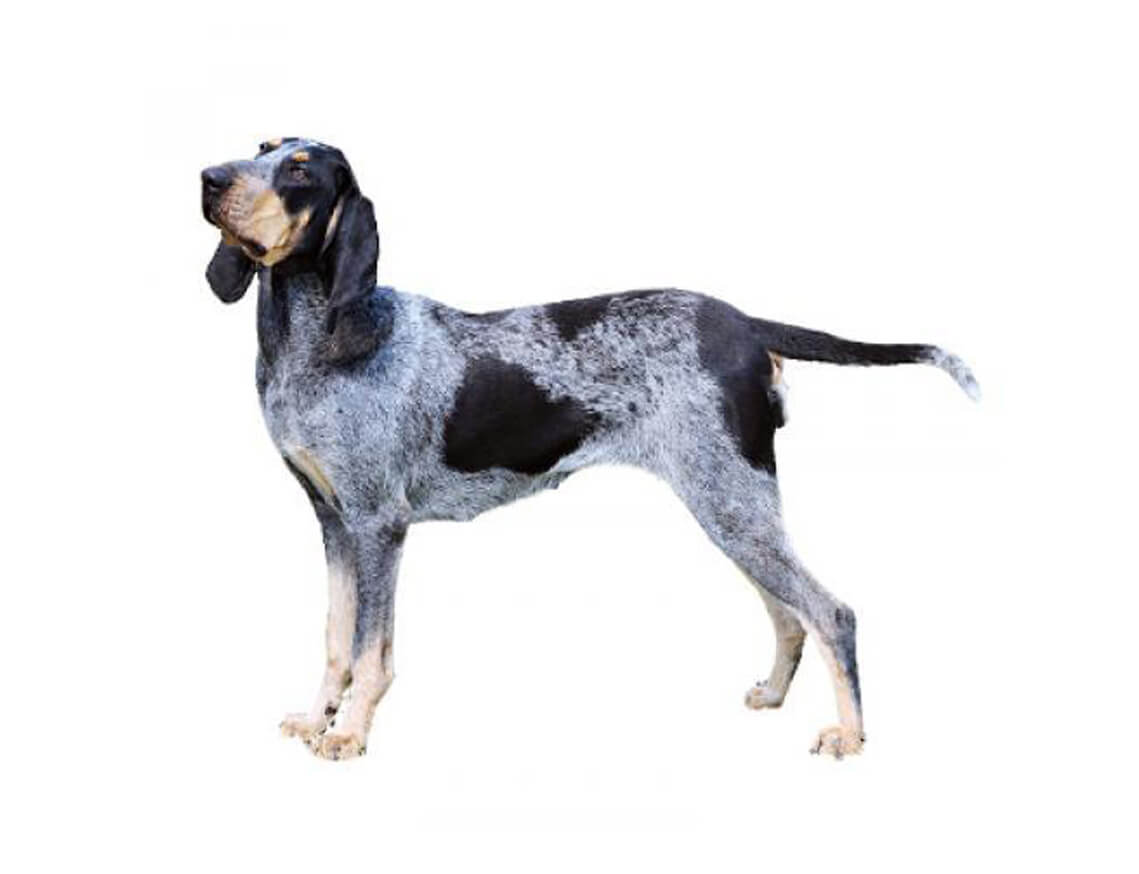
Large and impressive, the Grand Bleu de Gascogne has a long, noble head with pendulous ears, a muscular neck and powerful body. Somewhat like a bloodhound but lacking the excessive skin, this is an athletic scent hound built to go all day. Named for their size and distinctive blue colour, created by mottled black hair on a white background.


The need-to-know
 

  • Dog suitable for experienced owners
  • Extra training required
  • Enjoys active walks
  • Enjoys walking one to two hours a day
  • Large dog
  • Some drool
  • Requires grooming once a week
  • Non hypoallergenic breed
  • Very vocal dog
  • Not a guard dog
  • May require training to live with other pets
  • May require training to live with kids
Lifespan:
10-12 years
Weight:
32-35kg
Height:
64-70cm for males, and 60-65cm for females
Colours:
Distinctive blue colour created by mottled black hair on a white background.Tan markings should be found on the face, ears, legs and under the tail
Size:
Medium
Kennel Club Groups:
Hound
Personality

Although large and athletic, the Grand Bleu is often described as lethargic. Their skill is in their persistence and ability in picking up a cold scent, rather than in speed. Described as aristocratic and noble, this is really a ‘hound person’s hound’, happier in a group of hounds and preferring to spend a lot of time outdoors, they are not likely to suit the average pet home. Determination and perseverance are strong traits and you will have to work very hard to get a Grand Bleu to work for you.


Nutrition and Feeding

This is a rural, countryside dog who will fare best with others of their own kind or at least, other gregarious scent hounds. So, while one Grand Bleu may not require a vast home, several will! Ensure a large and extremely well fenced garden is provided and that you have access to a variety of safe, interesting walking routes.

Exercise

Two hours or more of walking, some free running in a secure space and above all else the opportunity to follow scent and find whatever lies at the end of the trail. The Grand Bleu will excel in any of the scent-based sports and competitions and should really only be considered by owners who wish to dedicate a lot of time to such activities.

Other Information

History and origins


  • Country of Origin:France   Descended from the St Hubert Hound, a now extinct Bloodhound type, the Grand Bleu dates back to Medieval times. Used to hunt boar, wolf and bear in their native France, and later helped to recreate the Basset Bleu de Gascogne, a long, low version of the breed, this is still a working hound in France today.
  • Early French settlers took the Grand Bleu with them to the Americas, and it is thought to be the breed behind many of the American bloodhound types, particularly the American Coonhound.

Health and common concerns


The Grand Bleu de Gascogne is generally a healthy, robust breed with no widely recognised breed specific health problems.


Space requirements 


This is a rural, countryside dog who will fare best with others of their own kind or at least, other gregarious scent hounds. So, while one Grand Bleu may not require a vast home, several will! Ensure a large and extremely well fenced garden is provided and that you have access to a variety of safe, interesting walking routes.


Training grand bleu de gascogne’s


Independent and built to work in a pack, the Grand Bleu will be responsive to training that involves food and the opportunity to follow a scent. This is not a dog who will enjoy training for its own sake, nor will they entertain obedience training or performing amusing tricks. Learning will be mainly achieved by instilling good habits from the outset and of course management to prevent the learning of bad habits. Early and thorough socialisation with pets and livestock is essential.


Best family dog breeds


While generally good natured and amiable, this hound requires a lot of exercise and a lot of management. As they are a large hound, they will mature slowly and may be too boisterous or bouncy for homes with very small children. Suited to owners who enjoy scent-based sports and spending many hours outdoors walking in all weathers, they are not really suited to the majority of family homes. While many dogs are traditionally thought of as being good with children, all dogs and children need to be taught to get on with and respect each other, and be safe together. Even so, dogs and young children should never be left alone together and adults should supervise all interactions between them.


Did you know?


  • George Washington owned a pack of seven Grand Bleu de Gascogne, one of which gave birth to a litter of 15.
  • It is claimed that there are now more Grand Bleu in America than there are in France.  


Gordon Setter

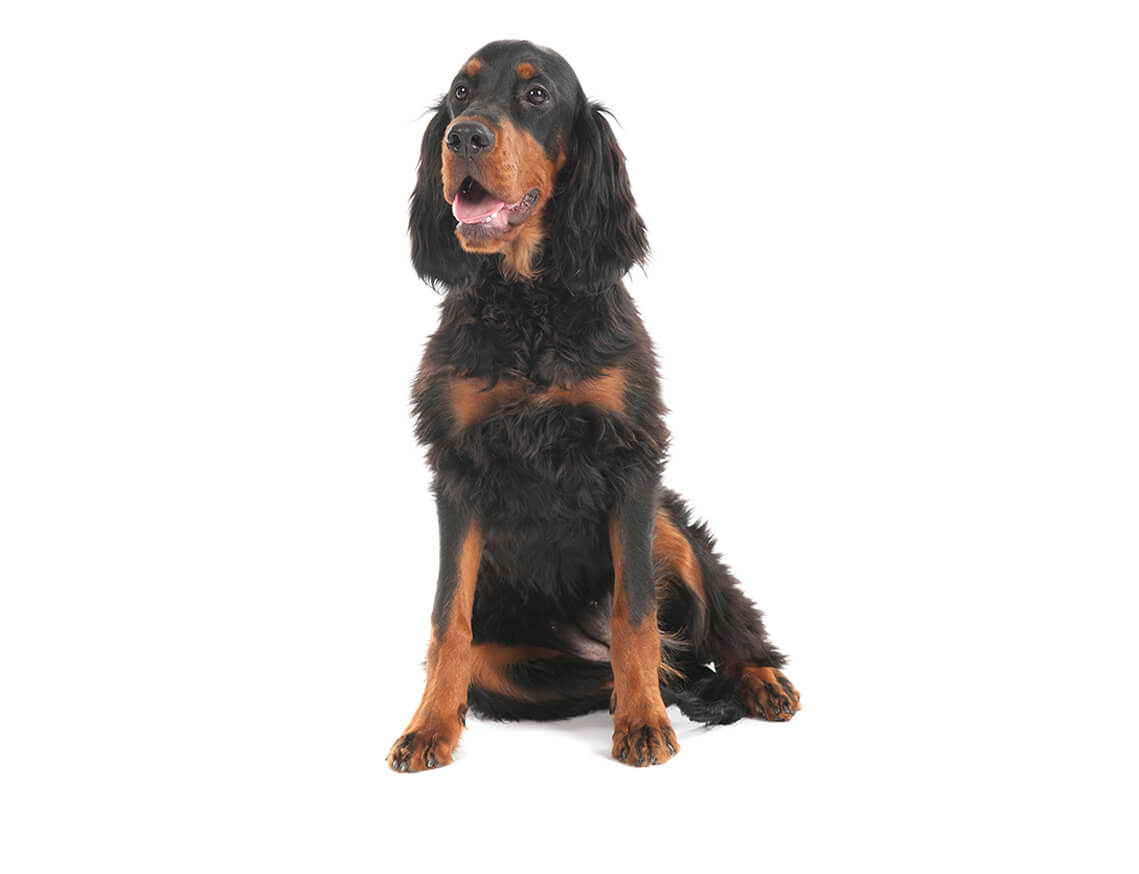
A tall and majestic dog, the Gordon Setter combines powerful size and elegance with a sturdy, athletic frame. Wearing a glossy black and tan coat, heavily feathered on legs, chest, stomach, ears and with a magnificently flagged tail, this is a strong dog able to hunt for long hours.


The need-to-know
 

  • Dog suitable for non-experienced owners
  • Some training required
  • Enjoys vigorous walks
  • Enjoys walking one to two hours a day
  • Large dog
  • Some drool
  • Requires grooming every other day
  • Non hypoallergenic breed
  • Quiet dog
  • Not a guard dog
  • May require training to live with other pets
  • Great family dog
Lifespan:
10-12 years
Weight:
Adult males 29.5kg, adult females 25.5kg
Height:
Adult males are 66cm tall and females 62cm tall
Colours:
Black and tan
Size:
Large
UK Kennel Club Groups:
Gundog
Personality

Slow to mature and with a sensitive nature as adults, juvenile Gordon Setters can be quite a handful and will require patient training to instil good behaviour and manners without squashing their affectionate, dignified nature.  Sociable and friendly with family and well-known friends, the Gordon Setter needs a little time to warm up to strangers, but makes an excellent companion with sufficient exercise and patience.


History and Origins

Country of Origin: Scotland


Setters have existed in Scotland since the 1600’s, and towards the end of that century the 4th Duke of Gordon set about establishing his own recognised type. For a long time however, the Duke was primarily focused on how well his dogs worked rather than what they looked like, and so his kennels housed and worked setters of many colours, including black and white, red and white and tri-colour – all called the Duke of Gordon’s Setters. It was later in the breed’s history that the black and tan form we know today became fixed, most likely as a result of the breeds success in the show ring. Larger and slightly slower than smaller setters, the Gordon Setter had more stamina on the Scottish grouse moors and were reputed to bring home more birds than other gundogs.


Nutrition and Feeding

Large breed dogs, as well as having large appetites, benefit from a different balance of nutrients including minerals and vitamins compared to smaller-breed dogs. The Gordon Setter is also prone to bloating and stomach problems. Smaller, more frequent meals can help minimise this risk. Discover more about how to offer your dog a balanced diet with our easy-to-follow guide.

Exercise

The Gordon Setter is a dog with strength, stamina and enormous endurance, so expect several hours of dog exercise, including walking and some free running daily, regardless of the weather. Taking part in appropriate dog sports or activities is advisable, particularly those that utilise the Gordon Setters endurance, and scenting and retrieving ability. This is an intelligent dog however so any activity you have the patience to train will be beneficial to their mental and physical wellbeing.

Other Information

Health and common issues


As with many breeds, the Gordon Setter can suffer from hereditary eye disorders and hip dysplasia (a condition that can lead to mobility problems). The Gordon Setter is a deep chested breed which can be prone to bloating. Eye testing and hip scoring of dogs prior to breeding is therefore important.


Space requirements


The Gordon Setter is large dog with a coat that collects a considerable quantity of mud and muck, better suited to country living and a large home and garden. Given the exercise requirements, easy access to a variety of country walks is essential as this is not a dog to be kept happy with a trot around the streets.


Training gordon setter


While intelligent and capable of learning, this is a large, slow maturing breed. Rushing or over-facing a Gordon Setter will result in a confused dog who fools around rather than learns, and can be mis-understood as stubborn or wilful. Bred to work away from people and make their own decisions, the Gordon Setters have an independent mind and will form their own opinions easily, so careful management is key! Take dog training at the pet’s pace rather than yours, and enjoy the journey.


Best family dog breeds


The Gordon Setter is better suited to homes with older children, as when young they can be boisterous and clumsy, and adore picking up and carrying ‘treasure’, which can lead them into trouble if this causes confrontation, something smaller children aren’t able to understand. With older children or a more mature family, the Gordon can be an excellent companion, provided plenty of training and long country walks are offered daily. While many dogs are traditionally thought of as being good with children, all dogs and children need to be taught to get on with each other and be safe together. Even so, dogs and young children should never be left alone together and adults should supervise all interactions between them.


Did you know?


  • Though it is often assumed that the Duke of Gordon who created the breed, favoured the black and tan coat, in fact his interests lay only in his dogs working ability. Colour was not an issue and in fact the dark coated examples were harder to see in the hunting field. It was the popularity of the breed in the show ring that set the preference for colour, until eventually Gordon Setters were recognised only as a black and tan breed.
  • It is thought that at some point in the breed’s development a little Collie blood was added as for a while in their history, the Gordon Setter would try and herd their quarry.


Giant Schnauzer

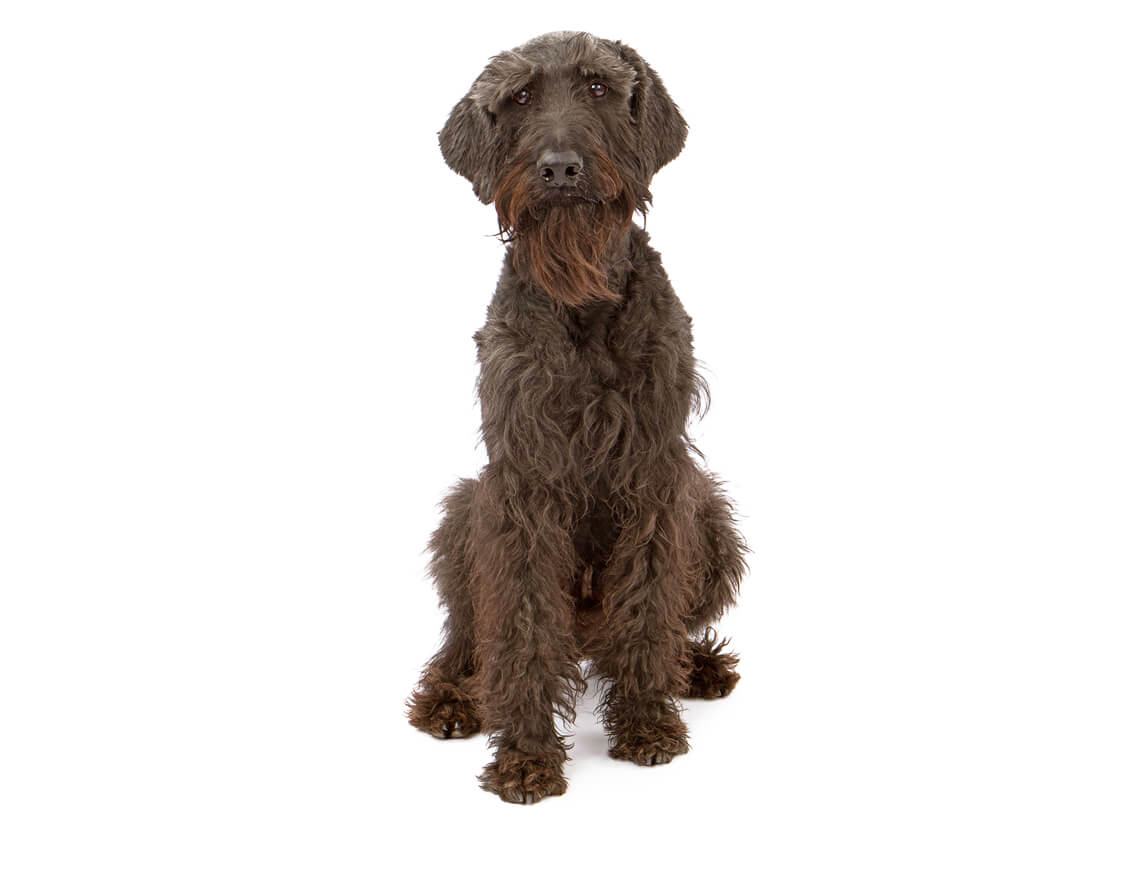
Strong, imposing, and business-like, the Giant Schnauzer is a powerfully built, square framed dog with a coat that is harsh and protective in texture. This working dog is an affectionate and loyal companion, but they’re also full of energy and stamina. If you don’t mind play sessions several times a day, this is the dog for you.


The need-to-know
 

  • Dog suitable for experienced owners
  • Extra training required
  • Enjoys vigorous walks
  • Enjoys walking one to two hours a day
  • Large dog
  • Minimum drool
  • Requires grooming every other day
  • Hypoallergenic breed
  • Chatty and vocal dog
  • Guard dog. Barks, alerts and it's physically protective
  • May require training to live with other pets
  • May require training to live with kids
Lifespan:
12-15 years
Weight:
Adult males 27-48kg, adult females 25-34kg
Height:
Adult males stand at 65-70cm, females are around 60-65cm
Colours:
Black or pepper and salt (dark iron grey to light grey with hair banded dark/light/dark)
Size:
Large
UK Kennel Club Groups:
Working
Personality

The Giant Schnauzer should look strong, alert and imposing, but be good-natured in temperament. A natural watchdog, they will be vocal to get your attention if necessary, and will need polite introduction to new people rather than assuming friendship on sight! If well socialised, the Giant Schnauzer can get on well with other animals, but are generally better with dogs of the opposite sex. 


History and Origins

Country of Origin: Germany


The original ancestor of the Giant Schnauzer is unsurprisingly, the Standard Schnauzer. Cattlemen from Bavaria found they needed a larger dog for working their cattle over long distances and created the breed using other pastoral types including Great Danes, Rottweilers and possibly the Bouvier des Flandres. Since then this tough, working breed has found popularity as a very effective police and security dog. 


Nutrition and Feeding

Large breed dogs, as well as having large appetites, benefit from a different balance of nutrients including minerals and vitamins compared to smaller-breed dogs. The Giant Schnauzer is also prone to bloating and stomach problems. Smaller, more frequent meals can help minimise this risk. Discover more about how to offer your dog a balanced diet with our easy-to-follow guide.

Exercise

Two hours a day or more, of dog exercise with walking, training and games included will be needed to keep the Giant Schnauzer content. This is an athletic outdoors dog, not put off by wind and rain due to his protective, weather resistant coat. Although smart in appearance, the Giant Schnauzer’s trousers and beard will pick up water, mud and debris and so need drying and checking after each walk to clean up.

Other Information

Health and common issues


As with many breeds, the Giant Schnauzer can suffer from various hereditary eye disorders, and hip dysplasia (a condition that can lead to mobility problems). Eye testing and hip scoring of dogs prior to breeding is therefore important. Epilepsy and a particular type of cancer of the toe are also encountered relatively frequently.


Space requirements


The Giant Schnauzer is a large dog with a coat that collects muck, water and debris, so may not be suitable for the smaller home. A large garden offering space to train and play in, and access to a variety of walking routes will help keep them mentally satisfied. Given their vocal, guarding nature, this is a dog who needs space and will be potentially over stimulated and stressed by constant noise from neighbours or traffic. Quiet suburbs or rural living will suit the Giant Schnauzer better than busy town or city.


Training giant schnauzers


The Giant Schnauzer is suited to those who enjoy dog training and working with their pet. Early dog socialisation is vital to ensure they are relaxed and happy in the presence of other dogs and animals, as this breed has guarding tendencies and will react to unfamiliar sights and sounds. Well capable of competing in a variety of dog sports including tracking, Cani-X and obedience, this is a dog who needs a job to do.


Best family dog breeds


The Giant Schnauzer is a working, guarding breed and therefore better suited for those with older children or teenagers. As puppies and juveniles, they are big, boisterous and bitey, not an ideal combination with children. This is also a dog that requires several hours of exercise and training per day which will take up a reasonable amount of time and energy making them less suitable for the young, busy family. While many dogs are traditionally thought of as being good with children, all dogs and children need to be taught to get on with each other and be safe together. Even so, dogs and young children should never be left alone together and adults should supervise all interactions between them.


Did you know?


The Giant Schnauzers moustache and beard are so important to the breed it is actually where their name originates. The term comes from the German word for ‘snout’ and colloquially means ‘moustache’ or ‘whiskered snout’.


German Wire-Haired Pointer

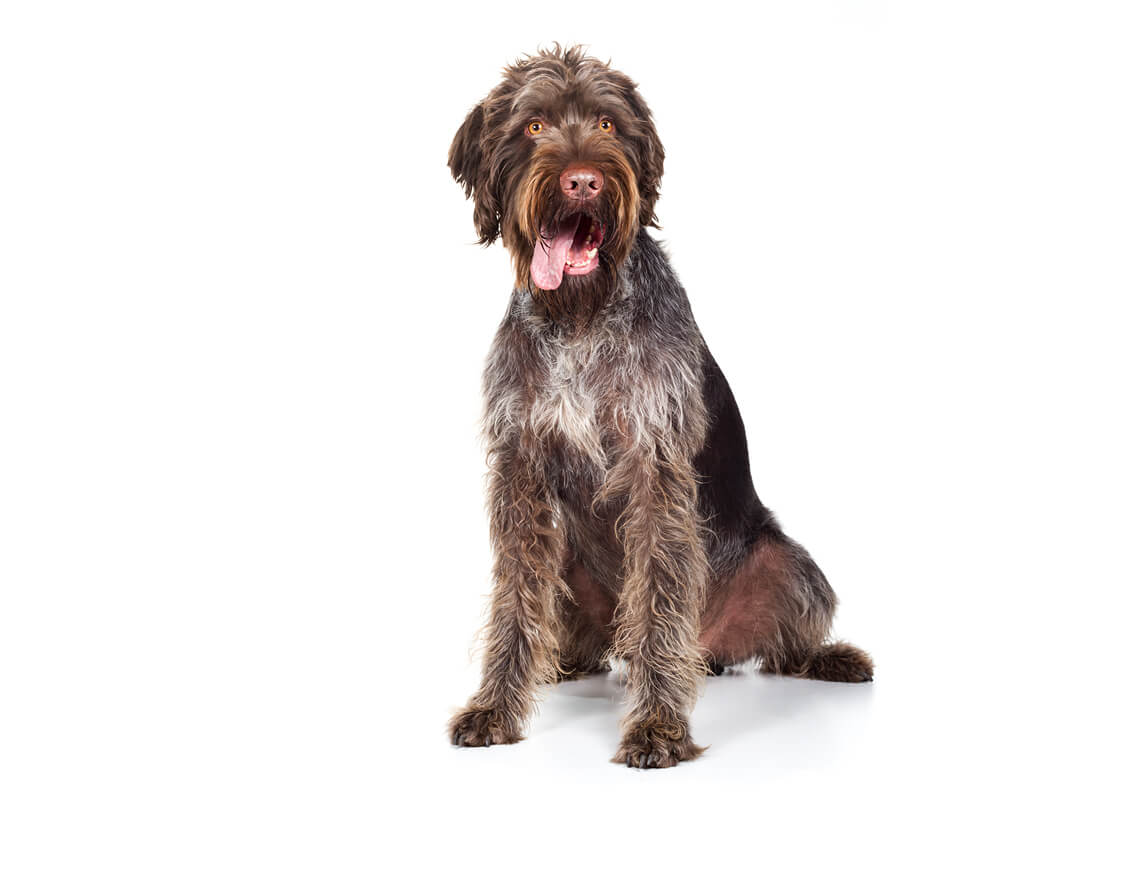
The German Wirehaired Pointer is a medium-large hunting dog, slightly longer than they are tall and with a harsh wire coat that protects the body. They come with distinctive eyebrows and a distinguished-looking beard. These dogs are full of stamina, so they like to be kept active with lots of walks and games.


The need-to-know
 

  • Dog suitable for owners with some experience
  • Some training required
  • Enjoys vigorous walks
  • Enjoys walking more than two hours a day
  • Large dog
  • Some drool
  • Requires grooming every other day
  • Non hypoallergenic breed
  • Chatty and vocal dog
  • Not a guard dog
  • May require training to live with other pets
  • Great family dog
Lifespan:
12 – 14 years
Weight:
25-34kg for males and 20.5-29kg for females
Height:
60-67cm for males and 56-62cm for females
Colours:
Liver and white, solid liver, and black and white
Size:
Large
UK Kennel Club Groups:
Hound
Personality

Gentle and even tempered, the German Wire-Haired Pointer is a friendly, hard-working companion, and while they lack a little of the speed of their smooth coated cousins, they are the stronger, more rugged of the German Pointers, and really can go all day. Keen to learn and affectionate to their loved ones, the GWP needs to be well exercised mentally and physically, and to spend quality time with their family to remain happy and well-balanced.


History and Origins

Country of Origin:  Germany


Germany has a long history of hunting with dogs and particularly with wire-coated multi-function dogs that are hardy, resilient and can point, flush, and retrieve in all weathers. It is hard to pin-point the GWP’s exact ancestry, as breeders were more interested in function than appearance and so bred from dogs with good working records that suited their needs rather than dogs that looked the same! As the GWP was one of the less speedy gundogs, they nearly died out as a type, until a local breeder who recognised their value set out to save them in 1865. It wasn’t until 1970 however that the breed was officially recognised.  It is possible the German Wirehaired Pointer has links to Airedale Terriers, Foxhounds, possibly even French Griffons as well as other German pointing breeds. 


Nutrition and Feeding

Large breed dogs, such as the German Wirehaired Pointer, as well as having large appetites, benefit from a different balance of nutrients including minerals and vitamins compared to smaller-breed dogs. Discover more about how to offer your dog a balanced diet with our easy-to-follow guide.

Exercise

This is the ultimate in all-terrain, all-weather outdoor dogs. The German Wirehaired Pointer needs at least two hours of daily dog exercise, ideally involving some scent work, free running and training across a variety of routes. If you enjoy running, gundog sports, working and field trials, agility, even falconry, this may be the ideal breed for you. They will enjoy sharing the sofa with you as well, but only after a full day out and about, working their nose, legs and brain! A bored GWP however will find their own entertainment and can become destructive.

Other Information

Health and common issues


The German Wire-Haired Pointer is generally a healthy breed. However, as with many breeds, they can suffer from various hereditary eye disorders, and hip dysplasia (a condition that can lead to mobility problems). Eye testing and hip scoring of dogs prior to breeding is therefore important. Epilepsy is also seen more commonly in this breed. Check with the Kennel Club and breed clubs for the most up to date health information.


Space requirements


This is a medium to large active dog that wants to be out and about in all weathers. Not ideally suited to small homes or town/city homes, but excellent in the rural or rural-suburban home with a large secure garden and access to a variety of interesting walking routes.


Training german wire-haired pointers


The German Wire-Haired Pointer is easy to train if you understand their motivation (hunting, retrieving, carrying things in the mouth, food) and are willing to work hard to have them believe that working with you will lead to all the good things in life. Dog training for this breed will be an on-going daily thing for life rather than something you do in one-hour sessions at the local village hall. Pay particular attention to recall, and retrieve as GWP’s are independent thinkers and can cover a lot of ground and adore carrying things in their mouths which can lead to conflict if not understood.


Best family dog breeds


A great companion for the active family with older children who enjoy long walks and dog training as a hobby. Not ideal for those with very young families or those who do not have the time to commit to the GWP’s exercise and training needs. While many dogs are traditionally thought of as being good with children, all dogs and children need to be taught to get on with each other and be safe together. Even so, dogs and young children should never be left alone together and adults should supervise all interactions between them.


Did you know?


In Britain in the 1800’s the trend was to develop specific dogs for each hunting task, hence the wide variety of spaniels, setters and pointers we have today! In mainland Europe however breeders focused on producing all-rounders, the ‘Hunt/Point/Retrieve’ or HPR breeds. These dogs, of which the German Wire-Haired Pointer is one example, were excellent at hunting, pointing, flushing, springing and retrieving, meaning all those jobs could be done by one dog. European efficiency at its best!


German Spitz (Mittel)

Medium-sized and compact, the German Spitz (Mittel) has the attractive foxy face and curled tail typical of spitz breeds. They have an abundant long coat, particularly around the neck where it forms a frill of profuse hair. Hair on the face is short and smooth, pricked ears are covered with soft short hair and the limbs are well feathered. Tail should be profusely covered in long, spreading hair.


The need-to-know
 

  • Dog suitable for non-experienced owners
  • Basic training required
  • Enjoys gentle walks
  • Enjoys walking an hour a day
  • Medium dog
  • Minimum drool
  • Requires grooming daily
  • Non hypoallergenic breed
  • Very vocal dog
  • Not a guard dog
  • May require training to live with other pets
  • May require training to live with kids
Lifespan:
13 – 15 years
Weight:
7 – 11kg
Height:
30 – 38cm
Colours:
Comes in a variety of colours and variations
Size:
Medium
Kennel Club Group:
Utility
Personality

Active and alert, the German Spitz Mittel is a happy, confident dog with an even temper and should show no signs of aggression or nervousness. They adore human company and love to be included in any family activity. They do not enjoy being left alone and do not make a good companion for people who will regularly leave them. Whilst small, they are intelligent and should be kept entertained and content with training and exercise. A bored German Spitz is liable to be a very noisy and irritable house-mate!


History and Origins

Country of Origin:  Germany


Descending from larger Nordic herding dogs such as the Samoyed, which were taken to Germany and Holland by the Vikings during the Middle Ages, the German Spitz Mittel is, not surprisingly, the middle sized of the five recognised German Spitz types.By the 1700’s the German Spitz became a fashionable pet of British society, and were used to produce the smaller Pomeranian (and then later to improve the increasingly tiny Pomeranian then struggling due to its very small size).


Nutrition and Feeding

Your dog's diet needs to have the right balance of all the main nutrient groups including a constant supply of fresh water. It's important to conduct regular?body condition?scores to ensure you keep your dog in ideal shape, and remember to feed him at least twice daily in accordance with the feeding guidelines of his particular food.

Exercise

An hour and a half per day, split into two walks will suffice for the German Spitz, as long as there is company, training, games and other entertainment on hand for the majority of the day. This is a multi-purpose companion breed happy to sit on their owner’s knee while still alert to danger and be fun company always up for a game or an outing. Due to the thick coat, exercise should be in the coolest parts of the day in summer.

Other Information

Health and common concerns


The German Spitz is generally a relatively healthy breed. Like many breeds they can suffer from hereditary eye disorders and therefore eye testing prior to breeding is advised. Epilepsy and kneecaps that may temporarily slip out of place also occur in the breed.


Space requirements


The German Spitz Mittel will fit into most homes, but a secure garden is important. Space to groom, and to dry off a wet dog should be considered, as their coat does require some care and can hold a surprising amount of water and mud (although they will often avoid the latter). Because of their tendency to alert to suspicious activity, a quiet home will do better than a busy one, and whilst they can fit into an inner-city environment, this may be stressful and overwhelming for them if busy and noisy.


Training a german spitz mittel


Early socialisation and habituation is necessary to build confidence. Using positive reinforcement and motivation, the enthusiastic German Spitz can be taught a range of fun tricks and useful behaviours, and this should definitely be done to keep their active and clever minds occupied. Capable of achieving respectable results in competition at agility and obedience if you want to put in the work, they will enjoy time spent with their owners, no matter what the occupation.


Best family dog breeds


A fun family dog if all the family can be involved in training and exercise. Very small children find it hard to differentiate between ‘small dog’ and ‘stuffed toy’ and as the German Spitz as a puppy is very small and incredibly cute, it may be better to wait until children are older. The German Spitz is very much a companion dog and not well equipped to spend long periods alone, which may well rule out full time working families. While many dogs are traditionally thought of as being good with children, all dogs and children need to be taught to get on with and respect each other, and be safe together. Even so, dogs and young children should never be left alone together and adults should supervise all interactions between them.


Did you know?


Spitz type dogs have been around a long time. Skeletal remains of spitz types have been found associated with human settlements from five to six thousand years ago, throughout Central Europe. Whilst now their behavioural traits can differ from the companion type tiny fluffy spitz’s to the hunting spitz’s willing to take on boar and bear, to the sled pulling spitz’s of the frozen tundra, in form they are all recognisably “spitzy”, with their foxy faces, pricked ears, plush coats and curled tails. 
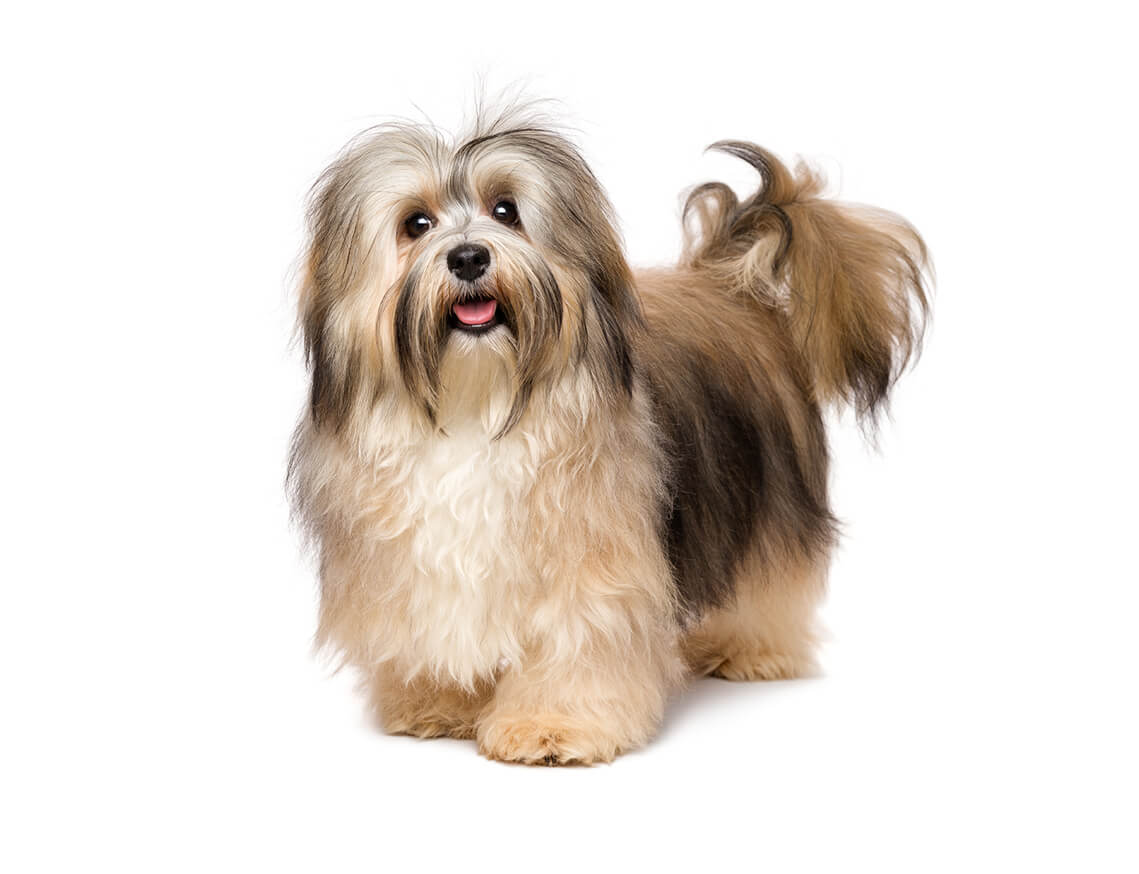
 

German Spitz Klein

The German Spitz Klein is a small, compact, long-coated dog with a typical spitzy head and tail curled over the back. They can be seen in all colours and variations. It should be obvious of the dog's sex – with males being masculine in appearance and females feminine. Adult German Spitz Klein stand at 23-29cm and weigh 8-10kg.


The need-to-know
 

  • Dog suitable for non-experienced owners
  • Basic training required
  • Enjoys gentle walks
  • Enjoys walking an hour a day
  • Small dog
  • Some drool
  • Requires grooming daily
  • Non hypoallergenic breed
  • Very vocal dog
  • Guard dog. Barks and alerts
  • May require training to live with other pets
  • May require training to live with kids
Personality

The German Spitz Klein is a happy, friendly dog. A confident, even-tempered companion, there should be no signs of nervousness or aggression. They are very active and alert and love human company, liking nothing better than to be included in any family activities.


History and Origins

The German Spitz breed descends directly from the Nordic herding dogs, like the Samoyed, which were taken to Germany and Holland by the Vikings during the Middle Ages. These dogs then spread throughout Europe and were crossed with other herding/shepherd breeds, making the foundation of the Spitz type. By the 1700s, the Spitz became the fashion of British society and were bred smaller in Victorian times to produce the toy Pomeranian. 

Nutrition and Feeding

Small dogs have a fast metabolism, meaning they burn energy at a high rate, although their small stomachs mean that they must eat little and often. Small-breed foods are specifically designed with appropriate levels of key nutrients and smaller kibble sizes to suit smaller mouths. This also encourages chewing and improves digestion.

Exercise

The German Spitz Klein needs little exercise when compared with other larger breeds. About half an hour a day should suffice for an adult though he will happily accept more if it is offered. They do enjoy a run or a walk and will quite happily occupy themselves in the garden all day with their owners.

Other Information

Health and common issues


The German Spitz Klein is generally a relatively healthy breed. Like many breeds they can suffer from hereditary eye disorders and therefore eye testing prior to breeding is advised. Epilepsy and kneecaps that may temporarily slip out of place also occur in the breed.


Best family dog breeds


While many dogs are traditionally thought of as being good with children , all dogs and children need to be taught to get on with and respect each other, and be safe together. Even so, dogs and young children should never be left alone together and adults should supervise all interactions between them.


German Short-Haired Pointer

The short-haired German Pointer is a large, muscular, noble-looking dog. Energetic and affectionate, these dogs might be difficult to handle for first-time owners, but they’re a joy to be around and will make a lovely companion.


The need-to-know
 

  • Dog suitable for owners with some experience
  • Some training required
  • Enjoys vigorous walks
  • Enjoys walking more than two hours a day
  • Large dog
  • Some drool
  • Requires grooming once a week
  • Non hypoallergenic breed
  • Quiet dog
  • Not a guard dog
  • May require training to live with other pets
  • Great family dog
Life Span:
12–14 years
Weight:
25–32kg
Height:
Males measure between 58–64cm and females 53–59cm
Colours:
Liver, white and black
Size:
Large
Kennel Club group:
Gundog
Personality

The German Shorthaired Pointer is a gentle, loving, people-oriented dog who makes a good companion for an active family or individual who can give them the exercise, training and attention they need. They are highly attached to their owners and do not like to be left alone. They may not be reliable with small fluffy animals or unfamiliar cats although can learn to get on with their own.


History and Origins

Country of Origin: Germany


The German Shorthaired Pointer was created in Germany in the 17th century by crossing the Spanish Pointer with some of the early German bird dog breeds and, some historians suggest, Bloodhound. This was successful, but the new breed was heavy and slow and so in the 19th century steps were taken to improve the breed by crossing them with the English Pointer which produced a lighter, faster dog.However, the emphasis has always been on the breed’s searching ability rather than their speed. The GSP is one of the versatile Hunt, Point and Retrieve (HPR) breeds and is happy to work on land and water. To their supporters, the German Shorthaired Pointer is the perfect, all-round gundog.


Nutrition and Feeding

Large breed dogs, as well as having large appetites, benefit from a different balance of nutrients including minerals and vitamins compared to smaller-breed dogs. German Shorthaired Pointers need a balanced diet that includes the main nutrients groups and a constant supply of fresh water.

Exercise

The German Shorthaired Pointer is very active and needs at least two hours of daily dog exercise. In addition to this they need plenty of enrichment, brain-games, training and stimulation to prevent them getting bored and making up their own entertainment - which can include digging, chewing, hyper-activity and generally getting up to mischief!

Other Information

Health and common concerns


The short-haired German Pointer is generally a healthy breed. However, as with many breeds, they can suffer from various hereditary eye disorders and hip dysplasia (a condition that can lead to mobility problems). Eye testing and hip scoring of dogs prior to breeding is therefore important. Epilepsy is also seen more commonly in this breed.


Space requirements


This is a large country dog who needs space both indoors and out - and plenty of open countryside for exercise.


Training german shorthaired pointer


The German Shorthaired Pointer is an intelligent, clever dog who loves working with their owners and so can be trained to a high standard. They will excel with owners who can find pet gun dog classes where they can be taught to give these active working dogs an appropriate outlet for their natural hardwired hunting behaviours.


Best family dog breeds


Being affectionate and friendly, the German Shorthaired Pointer makes are a great dog for active, sporty families. Their activity levels and playfulness may make them too boisterous around small children. While many dogs are traditionally thought of as being good with children, all dogs and children need to be taught to get on with each other and be safe together. Even so, dogs and young children should never be left alone together and adults should supervise all interactions between them.


Did you know?


The German Shorthaired Pointer was originally known as the Deutscher Kurzhariger Vorstehhund.