Irish Setter

This large, muscular, elegant gundog's outstanding attribute is the rich, chestnut to mahogany coloured coat. Irish Setters come with a silky, flat coat with feathering at the legs, ears and on the tail. Balanced and elegant, the breed strides out with their head held high.


The need-to-know
 

  • Dog suitable for non-experienced owners
  • Some training required
  • Enjoys vigorous walks
  • Enjoys walking more than two hours a day
  • Large dog
  • Some drool
  • Requires grooming every other day
  • Non hypoallergenic breed
  • Quiet dog
  • Not a guard dog
  • May require training to live with other pets
  • Great family dog
Life Span:
12-15 years
Weight:
30.5kg for males and 26kg for females
Height:
Adult males measure 65cm and females measure 61cm
Colours:
Chestnut and mahogany
Size:
Large
Kennel Club group:
Gundog
Personality

The well-bred, well-socialised and well-trained Irish Setter is extraordinarily sweet and makes an affectionate, loyal family pet. Early exposure to cats and careful supervision is essential if they are to share a home with them - and they may not be safe with strange cats or any small furry animals.


Being terribly friendly, this is not a good guard dog, though he will announce the presence of a visitor. The Irish Setter remains playful throughout his life - one of his more endearing traits. They are often thought of as being a bit ditzy and brainless - or even highly strung - but this is generally because people buy them for their glamour and underestimate how much exercise and input this working dog needs to stay healthy and happy.


History and Origins

Country of Origin: Ireland


The setter group are dogs who hunt game birds silently and largely by scent, then when they locate them, ‘set’ (crouch or lie down) rather than flush or chase.The Irish Setter is the oldest of the setter group, preceding both the Gordon and English Setters. It is believed the breed developed from old spaniels and indeed the breed was originally called the Red Spaniel. While the breed was developed as a setter for netting birds, it later became a more general gundog and could be trained as a pointer as well. Their eye-catching colour led them effortlessly into the show ring where the breed was further glamourised by adding influences from breeds such as the Borzoi. Despite that, they remained an efficient and energetic hunting dog - a perfect mix of beauty and brains.


Nutrition and Feeding

Large breed dogs, as well as having large appetites, benefit from a different balance of nutrients including minerals and vitamins compared to smaller-breed dogs. Irish Setters need to have a balanced diet including the main nutrient groups and a constant supply of fresh water. They are prone to bloating and stomach problems; smaller, more frequent meals can help minimise this risk.

Exercise

The Irish Setter was bred to work all day every day and is very active so needs a lot of dog exercise – two-plus hours daily for an adult. This needs to include free-running and the opportunity to sniff and explore. Not a dog for couch potatoes.

Other Information

Health and common concerns


As with many breeds, the Irish Setter dog can suffer from various hereditary eye disorders, and hip dysplasia (a condition that can lead to mobility problems). Eye testing and hip scoring of dogs prior to breeding is therefore important. They can also be prone to gastrointestinal disorders. In the 1940s the breed was nearly decimated by the eye disease progressive retinal atrophy, better known as PRA. Due to the development of a DNA test to identify carriers, the breed has recovered and the incidence of PRA has dropped dramatically.


Space requirements


This is a large, country dog and so really needs both indoor and outdoor space - as well as access to the countryside.


Training irish setters


This is a dog who loves working with their owner and with positive reward-based training can be extremely obedient. Irish Setters are however still hunters at heart and are easily distracted so recall can be an issue if they get distracted by scents, sights - or something to chase. Pet gun dog classes or scentwork classes can be invaluable to help give them an outlet for their hardwired behaviours.


Best family dog breeds


The Irish Setter can make the perfect family dog as they love everyone of all ages. They may be too bouncy for very small children but for an active family, they are hard to beat. While many dogs are traditionally thought of as being good with children, all dogs and children need to be taught to get on with each other and be safe together. Even so, dogs and young children should never be left alone together and adults should supervise all interactions between them.


Did you know?


  • The Irish Setter is also often called the Red Setter (or Madra rua – which means red dog in Gaelic) because of his stunning coat. It is said that the same gene that makes the Irish Setter red is the same one that is found in Irish and Scottish people to give so many of them ginger hair and freckles!
  • Two Irish Setters have found their way into the White House – one called Mike owned by Harry Truman, and the other called King Timahoe owned by Richard Nixon. Despite having such a royal name, King Timahoe disgraced himself by shredding a carpet in the Oval Office!


Irish Red and White Setter

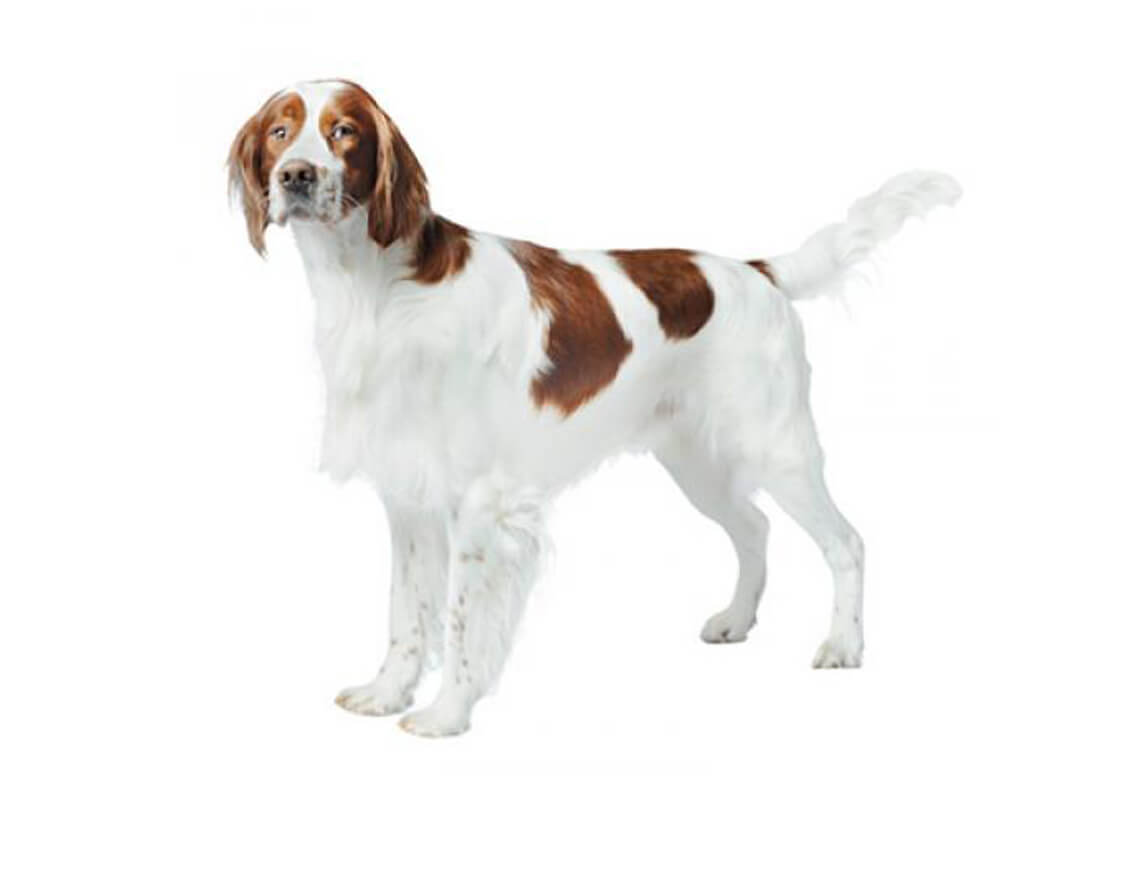
The Irish Red and White Setter is a strong, athletic dog with a well-feathered, medium-length coat that is pearl white with red patches. Adult dogs are approximately 58.5-68.5cm in height and weigh around 27-32kg.


The need-to-know
 

  • Dog suitable for non-experienced owners
  • Some training required
  • Enjoys vigorous walks
  • Enjoys walking more than two hours a day
  • Large dog
  • Some drool
  • Requires grooming every other day
  • Non hypoallergenic breed
  • Chatty and vocal dog
  • Not a guard dog
  • Great with other pets
  • Great family dog
Personality

A gentle, biddable, good-natured dog, the Irish Red and White Setter makes a happy, affectionate companion and is an enthusiastic worker too. As he is energetic, he does need an active owner to attend to his exercise needs.


History and Origins

Closely related to the Irish (Red) Setter, the Irish Red and White Setter dog breed can be traced back to the 18th century, though it could well have existed before that time, as red and white hunting dogs are described in texts dating back to the 1500s. Setters were popular sporting dogs with the landed gentry in the 17th and 18th centuries, and most were red with white, but towards the end of the 19th century, an entirely red coat was favoured and the Red and White was in danger of dying out. Fortunately enough survived for dedicated breeders to revive the breed after the First World War.

Nutrition and Feeding

Large breed dogs, as well as having large appetites, benefit from a different balance of nutrients including minerals and vitamins compared to smaller-breed dogs.

Exercise

An energetic, active dog, the Irish Red and White Setter needs two hours or more of daily exercise, to include free-running.

Other Information

Health and common issues


As with many breeds, the Irish Red and White Setter can suffer from various hereditary eye disorders, and hip dysplasia (a condition that can lead to mobility problems). Eye testing and hip scoring of dogs prior to breeding is therefore important. They can also be prone to gastrointestinal disorders.


Best family dog breeds


While many dogs are traditionally thought of as being good with children , all dogs and children need to be taught to get on with and respect each other, and be safe together. Even so, dogs and young children should never be left alone together and adults should supervise all interactions between them.


Ibizan Hound (Short/smooth coat)

The Ibizan Hound is a medium-sized, tall, short-coated or wirehaired dog with erect ears. They come in white, chestnut or 'lion' solid colours, or any combination of these. An adult Ibizan stands at 56-74cm approximately and weighs 19-25kg.


The need-to-know
 

  • Dog suitable for owners with some experience
  • Some training required
  • Enjoys active walks
  • Enjoys walking an hour a day
  • Large dog
  • Minimum drool
  • Requires grooming once a week
  • Non hypoallergenic breed
  • Quiet dog
  • Not a guard dog
  • May require training to live with other pets
  • May require training to live with kids


Personality

This is a very affectionate, sensitive breed. They are wonderfully loyal and make a good pet in the right home. However, this is not a breed for the fainthearted. They can be fairly vocal and adore company. This is not a breed that can be left for long hours.


History and Origins

This breed is truly a living piece of history. The Ibizan Hound dog breed can trace its roots back to 4,000BC and beyond. Mostly associated with the time of the Great Pharaohs, the breed is depicted on many friezes, with the most notable icon being the Anubis. It would be true to say that the breed has not really changed in many thousands of years. Phoenician traders took the Ibizan Hound to the Balearic Islands, and to this day they can be found still working in Spain and its surrounding islands.

Nutrition and Feeding

Your dog's diet needs to have the right balance of all the main nutrient groups including a constant supply of fresh water. It's important to conduct regular body condition scores to ensure you keep your dog in ideal shape, and remember to feed him at least twice daily in accordance with the feeding guidelines of his particular food.

Exercise

These dogs require lots of exercise – a couple of hours daily for adults. Once on the scent of game, they will run and run, so a reliable recall is essential and they should be exercised in safe areas with no traffic risks or other dangers.

Other Information

Health and common issues


The Ibizan Hound dog breed is generally hardy with few widely recognised health problems. Some neurological conditions are reported but do not appear to be common.


Best family dog breeds


While many dogs are traditionally thought of as being good with children , all dogs and children need to be taught to get on with and respect each other, and be safe together. Even so, dogs and young children should never be left alone together and adults should supervise all interactions between them.


Hungarian Wire Haired Vizsla

The Wire Haired Vizsla a medium-sized, active dog with a harsh, wiry coat that is a golden sand to russet colour. They have a distinctive moustache and hairy eyebrows. They have a noble and graceful appearance and give the impression of great stamina. Adult dogs stand at approximately 58-62cm and adult females 54-58cm. They weigh 20-30kg.


The need-to-know
 

  • Dog suitable for owners with some experience
  • Some training required
  • Enjoys vigorous walks
  • Enjoys walking more than two hours a day
  • Large dog
  • Some drool
  • Requires grooming once a week
  • Non hypoallergenic breed
  • Quiet dog
  • Not a guard dog
  • May require training to live with other pets
  • Great family dog
Personality

The Hunagarian Wire Haired Vizsla enjoys being outdoor and is ideally suited to a country-dwelling family. They are very affectionate and loyal and naturally protective of thier loved ones. They will happily be both family and working dogs in one. They are quick to learn and eager to please, but are very sensitive, so it's especially important that training is fun and gentle


History and Origins

Prints dating back 1,000 years show Magyar hunters (early settlers in Hungary) with dogs and falcons. These dogs were very similar to the Wire Haired Vizsla dog breed of today. When the Magyars went to other countries they took their dogs with them, which led to crosses with other breeds, but it was almost wiped out by the two World Wars. The breed only exists today because some were smuggled out during this time. Recent selective breeding developed the Vizsla dog breed as an all-round hunter, pointer and retriever. The wire-haired variety was developed in the 1930s and is becoming more popular with hunters, as it can withstand the colder climates and cold water better than the short-haired variety.

Nutrition and Feeding

Your dog's diet needs to have the right balance of all the main nutrient groups including a constant supply of fresh water. It's important to conduct regular body condition scores to ensure you keep your dog in ideal shape, and remember to feed him at least twice daily in accordance with the feeding guidelines of his particular food.

Exercise

The Wire Haired Vizsla requires plenty of exercise and needs to be kept active; an adult dog needs two-plus hours of exercise daily. As you'd expect, given his HPR background, retrieve games (on land and in water) are popular with him, though he will take to most canine pursuits – such as agility – with enthusiasm.

Other Information

Health and common issues


The Hungarian Wire Haired Vizsla is a relatively healthy breed, with few widely recognised health problems.


Best family dog breeds


While many dogs are traditionally thought of as being good with children , all dogs and children need to be taught to get on with and respect each other, and be safe together. Even so, dogs and young children should never be left alone together and adults should supervise all interactions between them.


Hungarian Vizsla

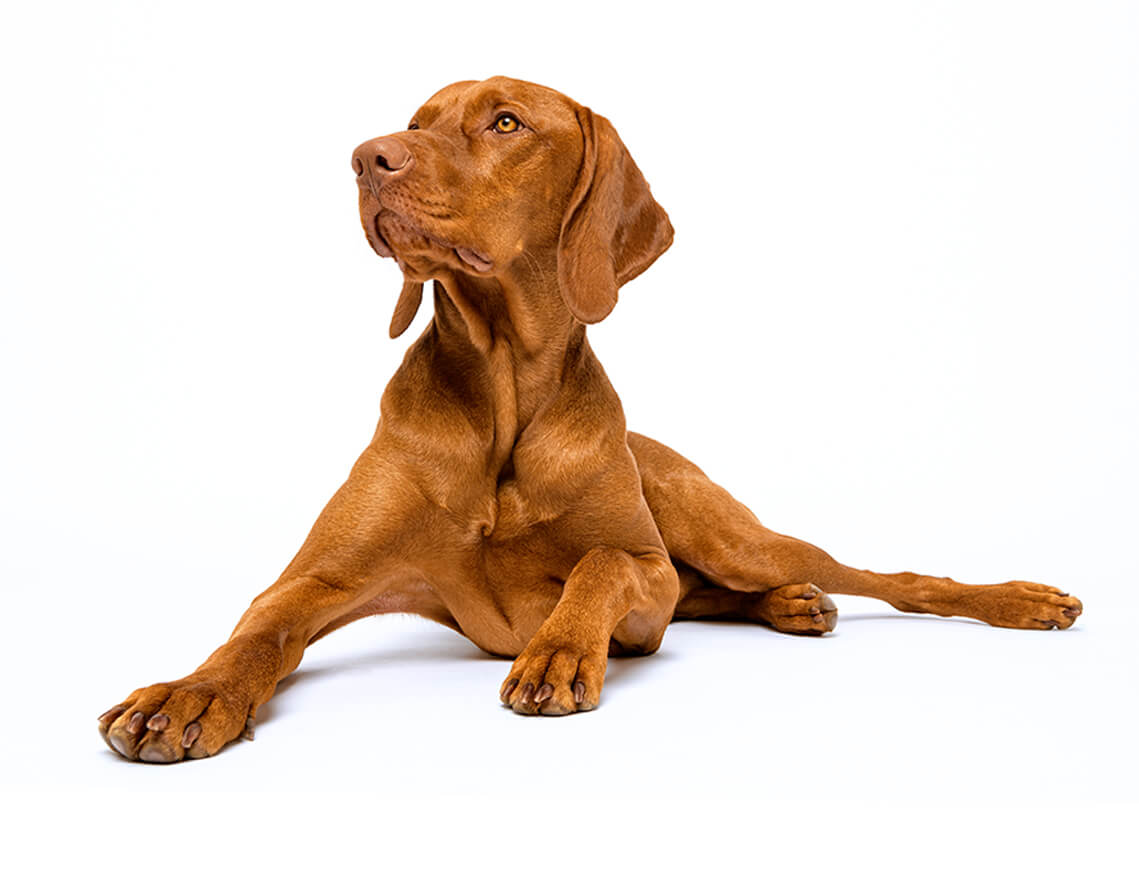
A robust, noble-looking, medium-sized dog, the adult male Hungarian Vizsla comes with a wiry, dense coat. They are extremely affectionate and full of energy, making them perfect for an active household.


The need-to-know
 

  • Dog suitable for owners with some experience
  • Some training required
  • Enjoys vigorous walks
  • Enjoys walking more than two hours a day
  • Large dog
  • Minimum drool
  • Requires grooming once a week
  • Non hypoallergenic breed
  • Quiet dog
  • Not a guard dog
  • May require training to live with other pets
  • May require training to live with kids
Lifespan:
12-15 years
Weight:
Between 20kg-30kg
Height:
57-64cm for males and 53-60cm for females
Colours:
An eye-catching reddish-gold colouring
Size:
Medium
Kennel Club group:
Gundog
Personality

A larger-than-life character, the Hungarian Vizsla makes a fun, lively, loving companion for those who can give him the time and attention he needs. A sensitive dog, they enjoy being active and learning new things and revel in training, provided it is fun and rewarding. They can be naturally protective of their family and as they bond so closely to their beloved owner, they hate to be left alone.


History and Origins

Country of Origin: Hungary


There is no doubt this is an old breed - but just how old has been the subject of many arguments. They are in size and shape very similar to the Weimaraner but with different colouring - and some say that the Vizsla was a cross between the Weimaraner and various pointers as recently as the 20th century. Hungarian breeders however maintain that it is the other way round and that there are records of Vizslas dating from the 11th and 12th century when they would hunt with Magyars and their falcons.


Nutrition and Feeding

The Hungarian Vizsla needs to have a balanced dog diet including all the main nutrient groups and a constant supply of fresh water. It's also important to conduct regular?body condition?scores to ensure you keep your dog in ideal shape, and remember to feed them at least twice daily in accordance with the feeding guidelines of their particular food.

Exercise

The Hungarian Vizsla needs at least two hours of active daily exercise a day. As you'd expect, given their hunt, point and retrieve background, retrieve games (on land and in water) are popular with them, and they do need plenty of off-lead free running and exploring.

Other Information

Health and common concerns 


The Hungarian Vizsla is generally a healthy breed. The most common breed specific problems are a swallowing disorder and epilepsy.


Space requirements


Like most gundogs, Hungarian Vizslas cannot do well in urban environments. They are large, active, country dogs that need space both inside and out.


Training hungarian vizslas


Vizslas enjoy working with their owners and will enjoy training as long as it is fun and rewarding. They can reach a high standard of obedience and can happily compete in dog sports such as agility - but will sometimes have unexpected moments of apparent deafness when something exciting like a squirrel catches their eye! As such, training a good recall is important.


Best family dog breeds


Hungarian Vizslas can make great dogs for active families with older children who love the great outdoors and plenty of walking. While many dogs are traditionally thought of as being good with children, all dogs and children need to be taught to get on with and respect each other, and be safe together. Even so, dogs and young children should never be left alone together and adults should supervise all interactions between them.


Did you know?


Known as dogs who originally hunted alongside falcons, it is said that they still have a natural affinity for birds of prey.


Hungarian Puli

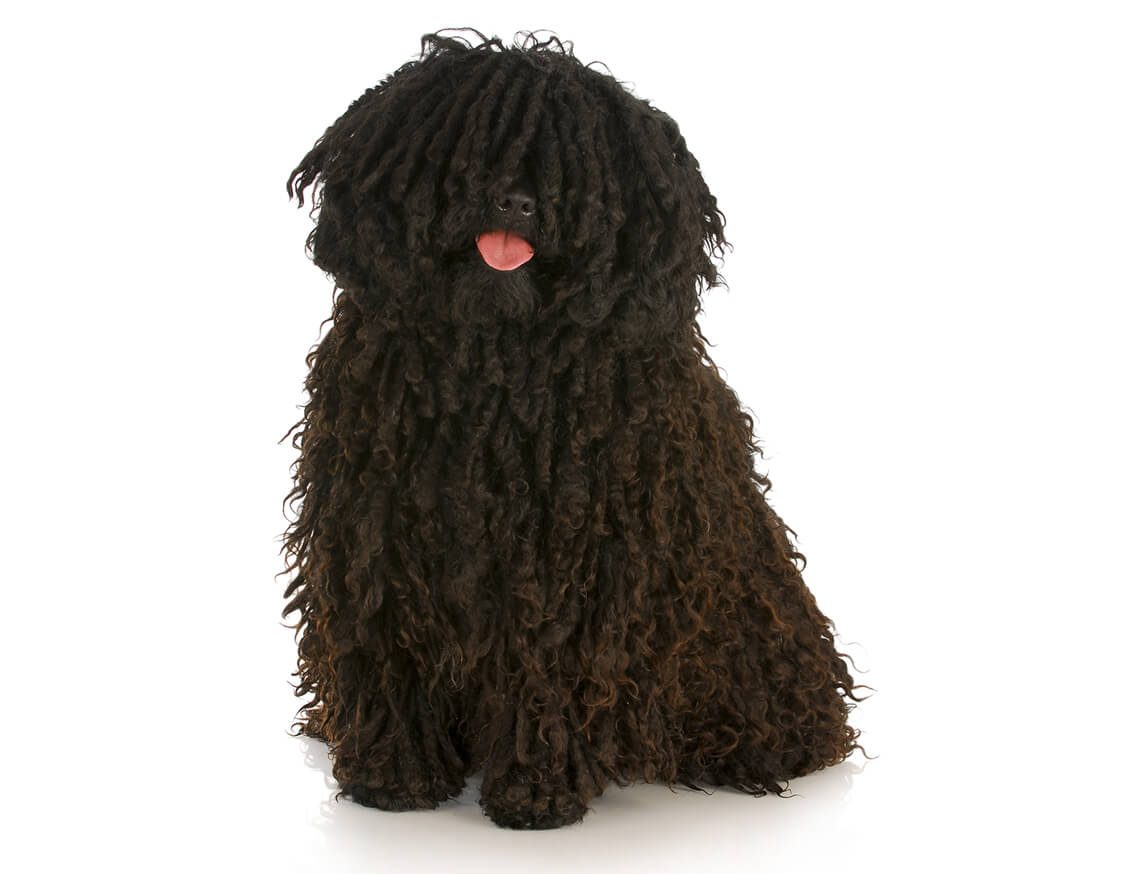
The Puli dog is easily recognised by his trademark coat - long cords, sometimes reaching the ground in length. They can be black, rusty black, white or various shades of apricot and grey in colour. Beneath the coat, this is a sturdy and muscular breed. Adult stand at 40-44cm and weigh 13-15kg; adult females are 37-41cm and weigh 10-13kg.


The need-to-know
 

  • Dog suitable for experienced owners
  • Some training required
  • Enjoys active walks
  • Enjoys walking an hour a day
  • Medium dog
  • Minimum drool
  • Requires grooming every other day
  • Hypoallergenic breed
  • Chatty and vocal dog
  • Guard dog. Barks and alerts
  • May require training to live with other pets
  • May require training to live with kids


Personality

Lively and animated, Pulis have a tendency to bond with one member of the family. They are friendly, although they will announce visitors at the door and be somewhat reserved with them. They can be stubborn but are quick to learn in training.


History and Origins

The Magyars , one of the many tribes of nomadic Huns that migrated to Eastern Europe, brought Pulis to their native land in the 9th century. These dogs were used to herd and protect their flocks. Over the years they were bred for their ability to work and soon became established in other countries. Today the puli dog breed has adapted to town living as well as working and living in the countryside.

Nutrition and Feeding

Your dog's diet needs to have the right balance of all the main nutrient groups including a constant supply of fresh water. It's important to conduct regular body condition scores to ensure you keep your dog in ideal shape, and remember to feed him at least twice daily in accordance with the feeding guidelines of his particular food.

Exercise

Energetic by nature, the Puli breed needs a reasonable amount of exercise – at least an hour a day for an adult, preferably more - and they are in their element if given free-running time to romp and play.

Other Information

Health and common issues


The Hungarian Puli is a relatively healthy, hardy breed. However as with many breeds they can suffer from hereditary eye disorders and hip dysplasia (a condition that can lead to mobility problems). Eye testing and hip scoring of dogs prior to breeding is therefore important.


Best family dog breeds


While many dogs are traditionally thought of as being good with children, all dogs and children need to be taught to get on with and respect each other, and be safe together. Even so, dogs and young children should never be left alone together and adults should supervise all interactions between them.


Hungarian Kuvasz

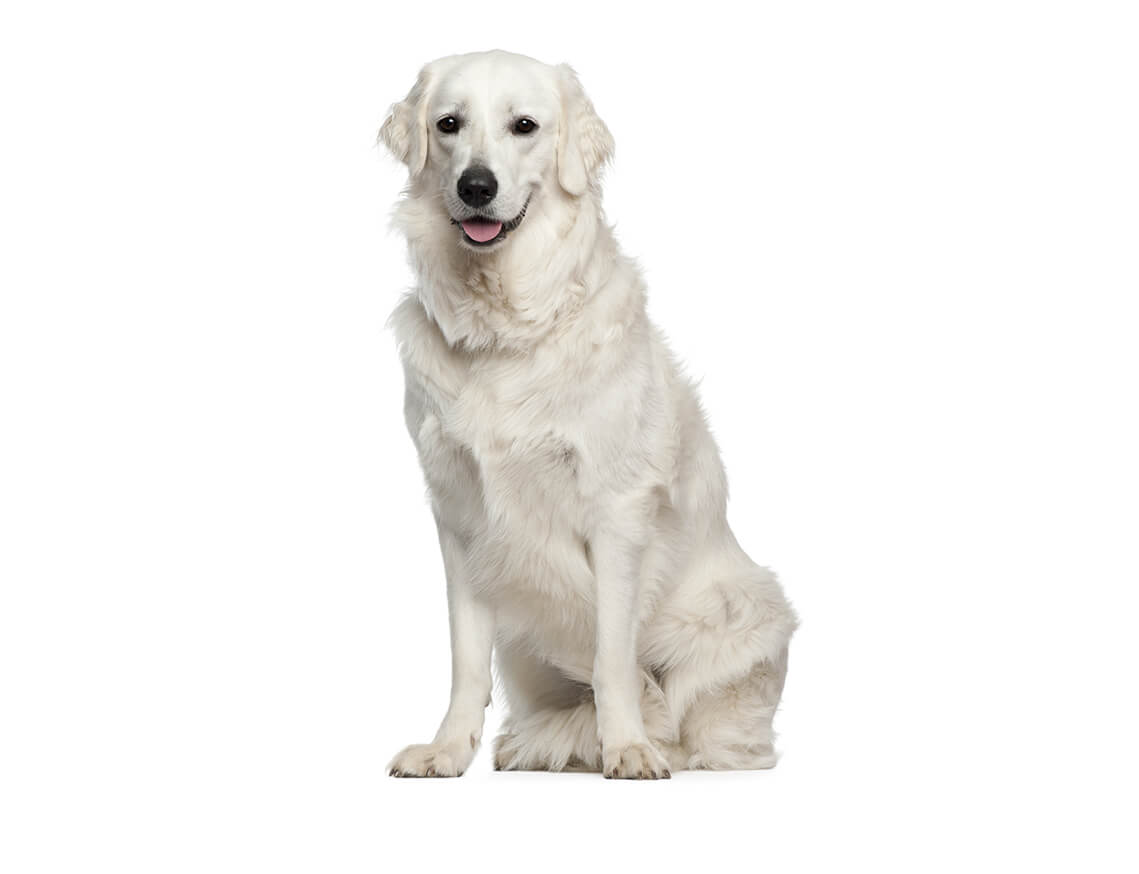
This is a large, powerful, noble-looking breed. Adult males are 71-75cm in height and weigh 40-52kg and adult females are 66-70cm tall and weigh 30-42kg. The thick double coat is pure white and the skin has patches of grey.


The need-to-know
 

  • Dog suitable for experienced owners
  • Extra training required
  • Enjoys active walks
  • Enjoys walking one to two hours a dayLarge dog
  • Heavy drool
  • Requires grooming every other day
  • Non hypoallergenic breed
  • Chatty and vocal dog
  • Guard dog. Barks, alerts and it's physically protective
  • May require training to live with other pets
  • May require training to live with kids
Personality

Bred as a guarding breed for centuries, the Kuvasz is naturally protective of his home and loved ones and is suspicious of strangers. He is gentle and loyal to his family but needs a home where the owners are experienced with guarding breeds and where his specialist needs can be met.


History and Origins

The Hungarian Kuvasz dog breed is an ancient breed. Indeed, archaeologists have found the skeleton of a similar type of dog in Hungary dating back to the 9th century. Used by the nomadic Magyar to protect their flocks, the Kuvasz worked in sometimes harsh conditions, in the mountain regions of the country. In the 15th century, the breed became fashionable among the nobility, due to its popularity with King Matthias Corvinus, who gave Kuvasz pups as royal gifts, but the breed's chief role, throughout its history, has been as a hardworking flock guard.

Nutrition and Feeding

Large breed dogs, as well as having large appetites, benefit from a different balance of nutrients including minerals and vitamins compared to smaller-breed dogs. The Kuvasz is prone to bloating and stomach problems; smaller, more frequent meals can help minimise this risk.

Exercise

The Kuvasz enjoys nothing better than patrolling his property's boundaries and being alert to any 'threats'. He needs a very large, well-fenced garden, and will also need to be taken out for an hour's daily exercise, too.

Other Information

Health and common issues


The Kuvasz dog breed is generally a healthy and robust breed, but as with many breeds, they can suffer from various hereditary eye disorders, and hip dysplasia (a condition that can lead to mobility problems). Eye testing and hip scoring of dogs prior to breeding is therefore important.


Best family dog breeds


While many dogs are traditionally thought of as being good with children , all dogs and children need to be taught to get on with and respect each other, and be safe together. Even so, dogs and young children should never be left alone together and adults should supervise all interactions between them.


Hovawart

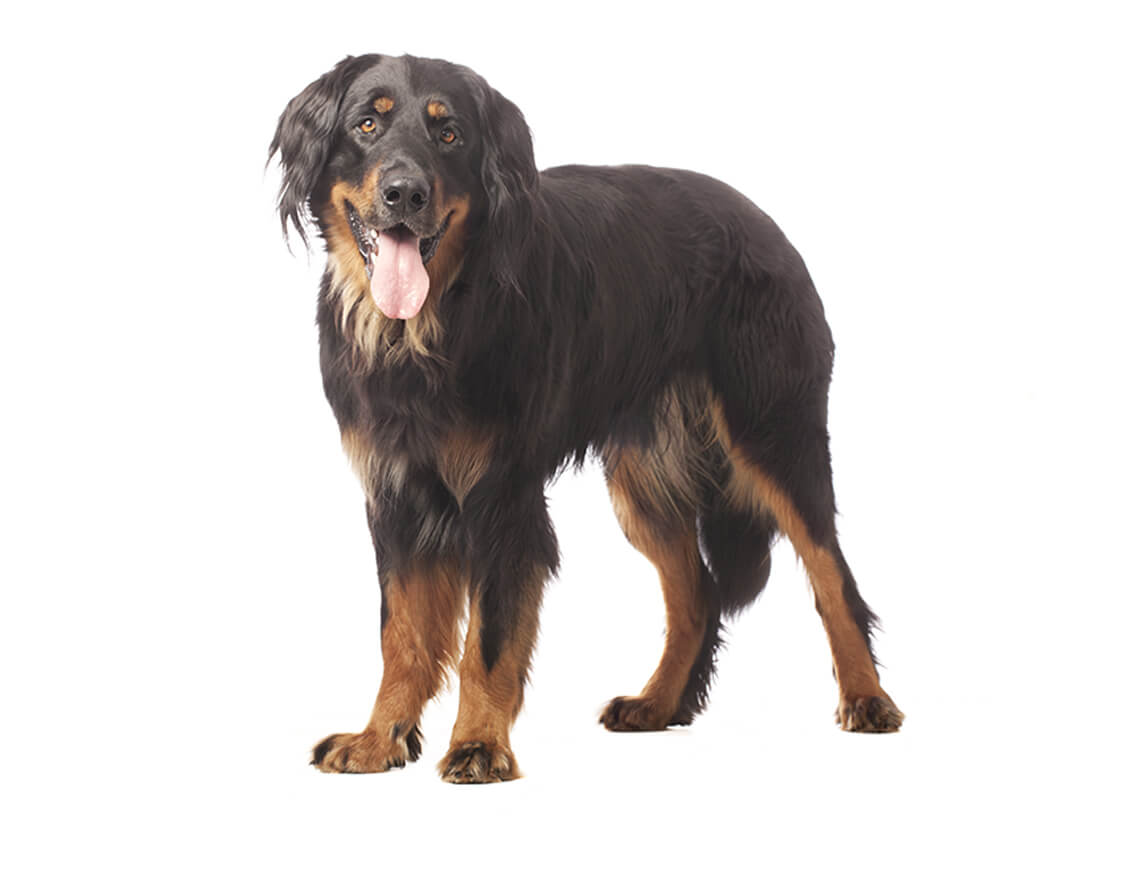
A large, powerful dog with a medium/long coat, the Hovawart is a little longer that he is tall. Dogs are noticeably masculine and females feminine. Adult males stand at 63-70cm and weigh 30-40kg and females are 58-65cm tall and weigh 25-35kg. The weather-resistant coat comes in black, blonde or black and gold.


The need-to-know
 

  • Dog suitable for experienced owners
  • Some training required
  • Enjoys active walks
  • Enjoys walking one to two hours a day
  • Large dog
  • Some drool
  • Requires grooming every other day
  • Non hypoallergenic breed
  • Chatty and vocal dog
  • Guard dog. Barks, alerts and it's physically protective
  • May require training to live with other pets
  • May require training to live with kids


Personality

A confident, brave and versatile dog, the Hovawart is a loyal, devoted companion dog. He has strong guarding tendencies and is protective of his home and family, so early socialisation is essential, but he is generally a tolerant, even-tempered character


History and Origins

This German breed was bred to guard livestock, farms and even castles in the Middle Ages. Sadly, the Hovawart dog breed died out but was recreated by a zoologist called Dr Konig after World War One. He found Hovawart-like dogs in the Harz and Black Forest areas where the breed was originally found and bred them to the German Shepherd, the Hungarian Kuvasz, Newfoundland, Leonberger and other similar breeds, until the breed matched that found in old drawings.

Nutrition and Feeding

Large breed dogs, as well as having large appetites, benefit from a different balance of nutrients including minerals and vitamins compared to smaller-breed dogs.

Exercise

A large, energetic dog, the Hovawart needs two hours or more of daily exercise. He enjoys long walks and tracking, and can also be trained to high levels in obedience and working trials.

Other Information

Health and common issues


As with many breeds, the Hovawart can suffer from hip dysplasia (a condition that can lead to mobility problems). Hip scoring of dogs prior to breeding is therefore important. An underactive thyroid gland (hypothyroidism) occurs more commonly in the breed.


Best family dog breeds


While many dogs are traditionally thought of as being good with children , all dogs and children need to be taught to get on with and respect each other, and be safe together. Even so, dogs and young children should never be left alone together and adults should supervise all interactions between them.


Havanese

The Havanese is a lively, affectionate and friendly toy breed. With a sturdy structure and slightly longer than tall, they have a long, soft, silky coat, waved or slightly curled. Their plumed tail carried over the back is part of the signature look for this fun-loving and loyal dog.


The need-to-know
 

  • Dog suitable for non-experienced owners
  • Basic training required
  • Enjoys gentle walks
  • Enjoys walking half an hour a day
  • Little toy dog
  • Minimum drool
  • Requires grooming daily
  • Hypoallergenic breed
  • Chatty and vocal dog
  • Guard dog. Barks and alerts
  • Great with other pets
  • Great family dog
Lifespan:
13-15 years
Weight:
3-6kg
Height:
23-28cm tall
Colours:
Any colour or combination of colours is accepted, except merles
Size:
Small
UK Kennel Club Groups:
Toy
Personality

The Havanese is an affectionate, intelligent little dog, ideally suited to the role of family companion. They are described as friendly and outgoing, with a cheerful nature and attractive appearance.


History and Origins

Country of Origin: Cuba


The Havanese is a member of the Bichon family, which includes the Bichon Frise, Bolognese, Coton De Tulear, Lowchen and Maltese. Their ancestors from the Mediterranean area accompanied traders across the globe and were sold and gifted to those who valued small, luxuriously coated, companion dogs as a symbol of wealth and status. Such was true of the Havanese who was very popular in Cuba with high-status families, right up until Castro’s Communist regime in 1959 when such trappings of wealth of any kind fell out of favour. Saved by the efforts of Cuban refugees living in the US, American breeders founded the Havanese Club of America to protect the future of the breed.


Nutrition and Feeding

Toy dogs have a fast metabolism, meaning they burn energy at a high rate, although their small stomachs mean that they must eat little and often. Small-breed foods are specifically designed with appropriate levels of key nutrients and smaller kibble sizes to suit smaller mouths. This also encourages chewing and improves digestion. Discover more about how to offer your dog a balanced diet with our easy-to-follow guide.

Exercise

The Havanese will need about half an hour of dog exercise daily, and whilst that can be provided on occasion with games and training indoors and in the garden, a variety of interesting daily walks will satisfy the mind as well as the body. A companion breed, the Havanese will enjoy spending time with their owner no matter what they are doing, or where they are going.

Other Information

Health and common issues


Like many small breeds, the Havenese can suffer from kneecaps that may temporarily slip out of place (luxating patellas). As with many breeds there are some hereditary eye problems that can arise and so breeding dogs should be regularly eye tested.


Space requirements


As long as you have space to groom a Havanese, and a garden to play and train in safely, they do not need a huge or expansive home. Access to a variety of interesting walks will make keeping a Havanese happy and fulfilled relatively easy. Suitable for all locations.


Training havanese


The Havanese is small, but mighty – perfectly capable of high levels of dog training and taking part in a variety of dog sports and competitions! Exercise their minds as well as their brains for a happy, satisfied Havanese. They will do well in mini agility, trick training competitions, heelwork to music, anything you can think of really. This is a lapdog with ambition and ability to do much much more. This, however, is breed that does not like to be left alone.


Best family dog breeds


The Havanese is an excellent family dog – as long as their appealing looks do not lead to them being thought of as a ‘toy’ or plaything. Also ensure that you have the time to attend to their exercise, training and grooming needs alongside family commitments. Older children and teenagers may enjoy taking part in walking and training the Havanese and their cheerful nature makes them an excellent friend. While many dogs are traditionally thought of as being good with children, all dogs and children need to be taught to get on with each other and be safe together. Even so, dogs and young children should never be left alone together and adults should supervise all interactions between them.


Did you know?


Havanese have long been popular with the rich and famous, from Queen Victoria and Charles Dickens, to Venus Williams, Susan Sarandon, Jane Fonda and Jennifer Love Hewitt. The popularity of this still relatively rare breed cannot be called a modern trend!


Hamiltonstovare

Smart, and strong with a glossy, richly marked coat, the Hamiltonstovare is a medium/large sized hound. Slightly longer than they are tall, the Hamiltonstovare has a close-lying, short, tricolour coat (black, tan and white), neat hard feet and a proud head and upstanding carriage.


The need-to-know
 

  • Dog suitable for owners with some experience
  • Some training required
  • Enjoys active walks
  • Enjoys walking one to two hours a day
  • Medium dog
  • Minimum drool
  • Requires grooming once a week
  • Non hypoallergenic breed
  • Chatty and vocal dog
  • Not a guard dog
  • May require training to live with other pets
  • Great family dog
Lifespan:
14-17 years
Weight:
Between 23-27kg
Height:
53-61cm for males and 49-57cm for females
Colours:
Tricolour coat of black, tan and white
Size:
Medium/large
Kennel Club Groups:
Hound
Personality

Alert, determined and independent, although perhaps a little more inclined to listen to a human than some of their ancestors, the Hamiltonstovare is not a dog for the inexperienced or faint-hearted! If left bored, unsupervised or lonely, they will become vocal and destructive. The Hamiltonstovare will enjoy a home where someone is home all the time, and with people who enjoy fell-running, Cani-X or scent-based sports/games. They are good with children on the whole but this is a fairly large hound and when young, can be quite boisterous and bouncy!


History and Origins

Country of Origin: Sweden


One of Sweden’s most popular hound breeds, the Hamiltonstovare was developed in the late 19th century by one of the founders of the Swedish Kennel Club, Count Adolf Hamilton. Count Hamilton used a mixture of popular hounds to create his perfect breed - particularly the Foxhound, Harrier, Holsteiner and Heidebracke. Unlike most of their ancestors however, the Hamiltonstovare is not bred to work in a large pack. Instead, they were developed to be used singly or in pairs, to flush fox and hare to waiting guns. First recognised in 1921, the Hamiltonstovare has remained a relatively rare breed, with a core of breed supporters who endeavour to keep the breed going.


Nutrition and Feeding

Your dog's diet needs to have the right balance of all the main nutrient groups including a constant supply of fresh water to keep your pet hydrated. It's important to conduct regular body condition scores to ensure you keep your dog in ideal shape, and remember to feed him at least twice daily in accordance with the feeding guidelines of his particular food.

Exercise

This is a dog who needs a minimum of two hours of exercise per day, including training, games, and scent work to keep its mind active and fulfilled. When mature, activities such as Cani-X, fell-running and jogging are likely to help keep the Hamiltonstovare occupied as this is not a dog who will be happy and content with a couple of walks around the block!

Other Information

Health and common concerns


The Hamiltonstovare is generally a healthy, robust breed with no widely recognised breed specific health problems. Check with the Kennel Club and breed club for up-to-date health information.


Space requirements


Large, frequently muddy, and boisterous when young, the Hamiltonstovare requires a fairly large home and a big, very securely fenced garden. Not a dog for the urban dweller, this hound needs access to lots of countryside walks and secure places to run. Inclined to be vocal when worried, bored or left alone, they are better living in less densely populated areas.


Training hamiltonstovare dogs 


Independent minded, and unlikely to be amused by repetitive dog training, the Hamiltonstovare requires a patient and clever trainer who will work with their excellent scenting ability and incredible stamina. Training a solid recall is a must, but careful management with a long-line is likely to be necessary, particularly in new or insecure locations. By using positive reinforcement and sensitive, consistent methods the Hamiltonstovare can become a well-behaved member of the family – although without it, they are inclined to be something of a boisterous hooligan!


Best family dog breeds


While many dogs are traditionally thought of as being good with children , all dogs and children need to be taught to get on with and respect each other, and be safe together. Even so, dogs and young children should never be left alone together and adults should supervise all interactions between them.


Did you know?


  • Although the Hamiltonstovare is considered a Swedish breed, much of their ancestry comes from German and English hounds.
  • In the past, in both Germany and England, owning hunting hounds was illegal for anyone not a member of royalty or nobility. This was because all the game and of course the land itself, belonged to the noble and royal families and so ownership of such a hunting dog, including the type that became the Hamiltonstovare, was illegal, and could result in heavy penalties as just owning one implied the owner was poaching!