Zoomed product photo

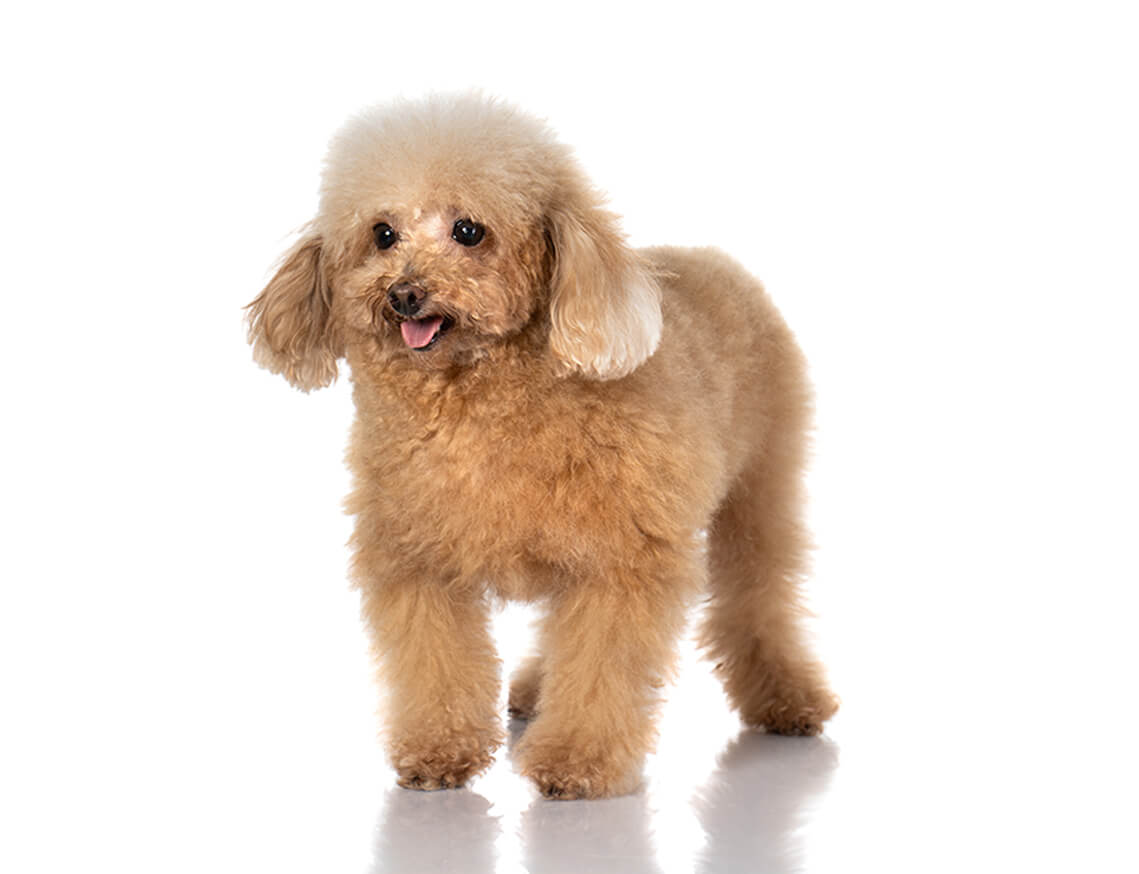
Toy Poodle

The Toy Poodle is an elegant-looking tiny dog with a slender muzzle and long neck. The coat is profuse and curly and is often styled. The Poodle is a clever, loyal companion with an amazing history considering these gorgeous dogs are one of the oldest breeds.

The need-to-know

  • Dog suitable for non-experienced owners
  • Basic training required
  • Enjoys gentle walks
  • Enjoys walking half an hour a day
  • Small dog
  • Minimum drool
  • Requires grooming every other day
  • Hypoallergenic breed
  • Chatty and vocal dog
  • Not a guard dog
  • Great with other pets
  • Great family dog
Lifespan:
12 – 15 years
Height:
Under 28cm
Colours:
Blue, grey, silver, brown, apricot and cream
Size:
Small
Kennel Club Groups:
Utility
Personality

The Poodle is a lively, sociable and affectionate dog who is both intelligent and amusing, and makes a wonderful and fun companion. They love to be included in all family pursuits and can be good watch dogs, announcing visitors without being aggressive. They bond closely to their owners and so do not like to be left home alone.

History and Origins

Country of Origin: Germany

The original Poodle is the Standard Poodle, a water retrieving dog, So, this is a breed who was always very much a worker. The smaller Poodles (the Toy and the Miniature) were created as smaller versions of the original Poodle for owners who didn’t want such a large dog but were enchanted by their personalities and enthusiasm for all kinds of work. The major influencers in this desire for a smaller Poodle were circuses - who were using this highly intelligent, easy to train, friendly and even comical dog in their shows with great success but found the Standard Poodles just a bit too big.Up until 1907, the Toy Poodle and the Miniature Poodle was both called the Toy Poodle, but as even smaller versions of the breed became popular due to selective breeding, these smaller dogs (under 28cms) became known as Toys while Miniature was used to describe dogs over 28cms but under 38cms.

Nutrition and Feeding

Small dog breeds, such as the Toy Poodle, have a fast metabolism, meaning they burn energy at a high rate, although their small stomachs mean that they must eat little and often. Small-breed foods are specifically designed with appropriate levels of key nutrients and smaller kibble sizes to suit smaller mouths. This also encourages chewing and improves digestion. Discover more about how to offer your dog a balanced diet with our easy-to-follow guide.

Exercise

The Toy Poodle is an active fun dog who enjoys canine exercise and will be happy with an hour every day split into two walks - but will still enjoy dog games, training, interactive toys and being involved in all family activities at the rest of the time too. If under-exercised or bored, they can become overactive and noisy.

Other Information

Health and common concerns

Like many small dog breeds, the miniature Poodle can suffer from kneecaps that may temporarily slip out of place (luxating patellas). They are also prone to a hip condition and an inherited eye disorder that should be tested for.

Space requirements

The Toy Poodle can be a country dog or a city dog - and can live in smaller urban spaces as long as they have access to outside for daily exercise and toileting.

Training toy poodles

Poodles are a joy to train as they are clever, quick to learn and love working with their owner. It’s not just dog training they excel at. They can also turn their paw to dog sports such as mini agility, heelwork to music and even obedience with no problems whatsoever - and in fact training and working with their owner will keep this often-busy little dog happy and relaxed.

Best family dog breeds

The Toy Poodle can make a fabulous family dog but are better for older children and quiet households as, especially as puppies, they are very small and easily injured by rough or boisterous play. While many dogs are traditionally thought of as being good with children, all dogs and children need to be taught to get on with each other and be safe together. Even so, dogs and young children should never be left alone together and adults should supervise all interactions between them.

Did you know?

Poodles - especially the ones you see in the show ring - seem to have all kinds of crazy hairdos but these often flamboyant-looking styles all started off with a purpose. Poodles were originally water-retrieving dogs but their coats could easily get water-logged and pull them down. The answer was to clip off all their hair but leave some around their vital organs to keep them warm, and around any vulnerable joints to protect from injury.

Zoomed product photo

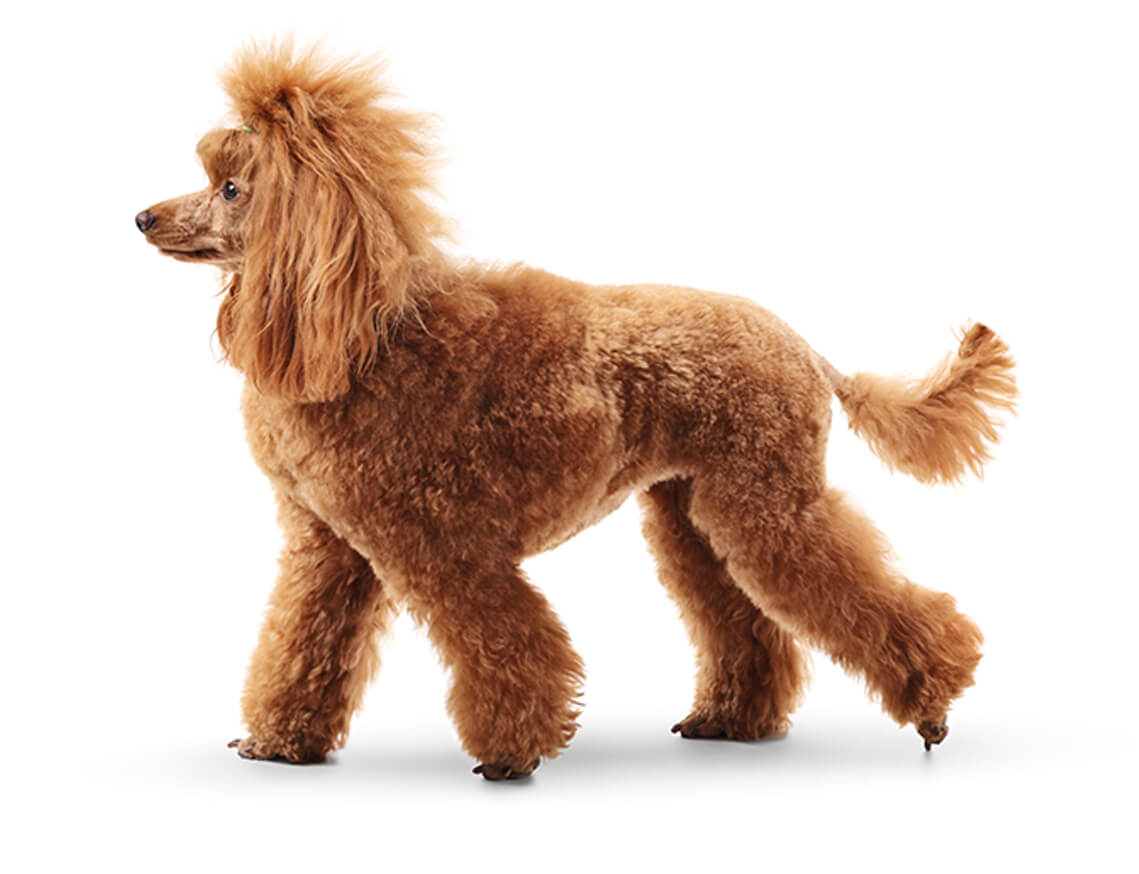
Poodle Standard

The Standard Poodle is a noble, elegant and well-balanced dog, with a slender muzzle and long neck. The famous coat is dense and curly and often styled, but beneath that is a lean, athletic and sporting dog.

The need-to-know

  • Dog suitable for owners with some experience
  • Some training required
  • Enjoys vigorous walks
  • Enjoys walking one to two hours a day
  • Large dog
  • Minimum drool
  • Requires grooming daily
  • Hypoallergenic breed
  • Chatty and vocal dog
  • Not a guard dog
  • Great with other pets
  • Great family dog
Lifespan:
12 – 15 years
Weight:
20 – 32kg
Height:
38cm and over
Colours:
The coat comes in many colours including black, white, blue, grey, silver, brown, apricot and cream
Size:
Large
UK Kennel Club Groups:
Utility
Personality

Do not underestimate the Standard Poodle, despite gaining a foppish and silly reputation due to the exaggerated hair-cuts of the show dogs, the Standard Poodle is a clever, quick-witted, and athletic dog. They are high-spirited and fun-loving, make great watchdogs and will adore taking part in any activity their owners choose to indulge in!

History and Origins

Country of Origin:  Germany

The Standard Poodle is the oldest of the three Poodle sizes and the original, but their exact origins are unknown. Some say they originated in France but it is far more likely that they come from Germany. Their ancestors were the old water dogs of Europe who were famous for their intelligence and skill, and we do know that despite their glamourous appearance, the Poodles original function was as a hard-working water retrieving gundog, and they are still more than capable of doing a day’s work, with some retaining more hunting instinct than others.

Nutrition and Feeding

Large breed dogs, as well as having large appetites, benefit from a different balance of nutrients including minerals and vitamins compared to smaller-breed dogs. Standard Poodles are also prone to bloating and stomach problems; smaller, more frequent meals can help minimise this risk.

Exercise

Standard Poodles take a great deal of exercise and want room to run. Expect an hour to two hours per day of walking and running, plus extra time to train or take part in dog sports and competition. The Standard Poodle may well enjoy swimming, so choose walking routes carefully if you don’t want to deal with a very soggy Poodle!

Other Information

Health and common issues

As with many breeds, The Standard Poodle can suffer from various hereditary eye disorders, and hip dysplasia (a condition that can lead to mobility problems). Eye testing and hip scoring of dogs prior to breeding is therefore important. There is also a high incidence in the breed of a particular hormonal disease (Addison's disease) and a stomach condition (gastric dilation volvulus). The breed club monitor the health of the breed carefully and should be contacted for the most up-to-date information and details of any DNA or additional testing they recommend. Breed Clubs can be found on the Kennel Club website.

Space requirements

Although the breed standard specifies a minimum height, in reality the Standard Poodle is now a fairly tall dog and takes up a reasonable amount of space. You will need dedicated space to bath and groom if you intend on keeping them in a full coat and grooming yourself. A secure garden with good, tall fencing is a must, ideally a flagged or paved yard as a wet lawn will be rapidly turned into a muddy racetrack! Town or country living will be fine as long as there are plenty of places to provide an interesting variety of walks and secure space to run off lead.

Training poodle standard

The Standard Poodle is very intelligent and quick to learn. They love to learn and perform, in fact they are a bit of a show-off, one reason they do so well in the show-ring. They also can excel at all the dog sports – and have a lot of fun doing them too (although owners need a sense of humour as they can also be clownish!). A bored Poodle means trouble, so aim to keep their minds occupied with a variety of training exercises, games and puzzle solving. The Standard Poodle is not hard to train, but you will need to be quick, engaging and fun to work with!

Best family dog breeds

The Standard Poodle can make an excellent family pet, however the space, time and exercise requirements may mean this is not a suitable pet for a busy family with young children. With older children or teens who can help with training, walking and grooming however, they are a fun and active companion. While many dogs are traditionally thought of as being good with children, all dogs and children need to be taught to get on with and respect each other, and be safe together. Even so, dogs and young children should never be left alone together and adults should supervise all interactions between them.

Did you know?

  • Standard Poodles or ‘Spoo’ to their owners, have long been popular with the rich, famous and nobility, from Zsa
  • Zsa Gabor to Louis XXII, the glamorous poodle has a host of notable owners.
  • The coat is traditionally clipped into what may seem frivolous or silly shapes, but this was originally done to provide protection and buoyancy to some areas of the body whilst keeping other areas clear to free up movement and avoid matting.
  • Poodle coats can also be twisted and rubbed into long skinny cords, giving the Poodle a very different look. At home the Poodle can have whatever clip you prefer and their coat constantly grows meaning if you don’t like a particular look, you can have another ‘do’ next time round!
  • Standard Poodle’s rank number 2 on the list of most intelligent dog breeds!
  • A team of Poodle’s once competed in the Iditarod Dog Sled Race, a gruelling 1,150-mile journey through Alaska’s Arctic tundra. Unfortunately, they had to pull out of the race before the first checkpoint as they weren’t cut out for the extreme weather.
Zoomed product photo

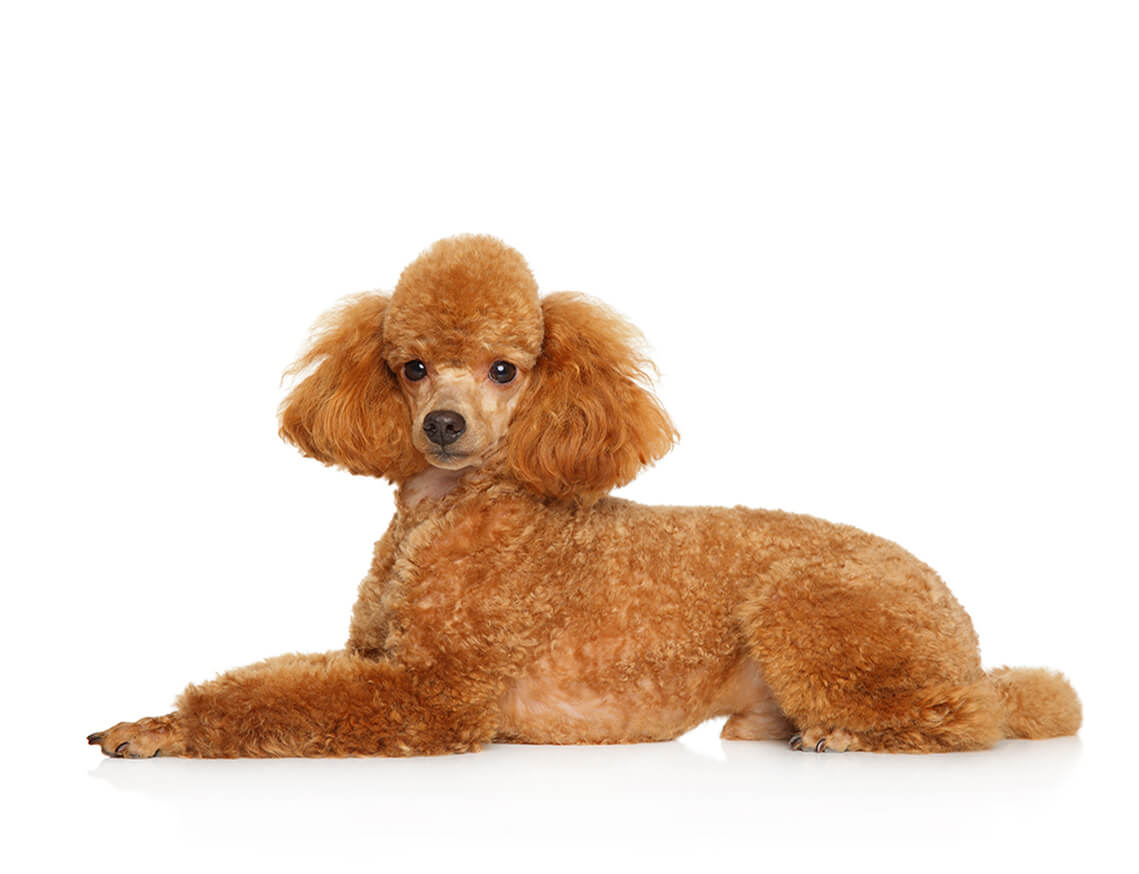
Miniature Poodle

The Miniature Poodle is a noble-looking dog with a slender muzzle and long neck. The coat is profuse and curly and is often styled. They can be seen in many colours.

The need-to-know

  • Dog suitable for non-experienced owners
  • Basic training required
  • Enjoys gentle walks
  • Enjoys walking half an hour a day
  • Small dog
  • Minimum drool
  • Requires grooming daily
  • Hypoallergenic breed
  • Chatty and vocal dog
  • Guard dog. Barks and alerts
  • Great with other pets
  • Great family dog
Lifespan:
13–15 years
Weight:
12–14kg
Height:
28–38cm
Colours:
Black, white, blue, grey, silver, brown, apricot, red, silver beige and cream
Size:
Small
Kennel Club Group:
Utility
Personality

The Poodle is a lively, sociable and affectionate dog who is both intelligent and amusing, and makes a wonderful and fun companion. They love to be included in all family pursuits and can be good watchdogs, announcing visitors without being aggressive. They bond closely to their owners and so do not like to be left home alone.

History and Origins

Country of Origin: Germany

The original Poodle is the Standard Poodle - who was a water retrieving dog so this is a breed who was always very much a worker. The Miniature Poodle was created as a smaller version of the original Poodle for owners who didn’t want such a large dog but were enchanted by their personalities and enthusiasm for all kinds of work. The major influencers in this desire for a smaller Poodle were circuses - who were using this highly intelligent, easy to train, friendly and even comical dog in their shows with great success but found the Standard Poodles just a bit too big.

Nutrition and Feeding

Small dogs have a fast metabolism, meaning they burn energy at a high rate, although their small stomachs mean that they must eat little and often. Small-breed foods are specifically designed with appropriate levels of key nutrients and smaller kibble sizes to suit smaller mouths. This also encourages chewing and improves digestion.

Exercise

The Miniature Poodle is an active dog who enjoys exercise and will be happy with between an hour to two hours every day - but will still enjoy games, training, interactive toys and being involved in all family activities at the rest of the time too. If under-exercised or bored, they can become overactive and noisy.

Other Information

Health and common issues

Like many small breeds, the Miniature Poodle can suffer from kneecaps that may temporarily slip out of place (luxating patellas). They are also prone to a hip condition and an inherited eye disorder that should be tested for. The breed club monitor the health of the breed carefully and should be contacted for the most up-to-date information and details of any DNA or additional testing they recommend. Breed Clubs can be found on the Kennel Club website.

Space requirements

The Miniature Poodle can be a country dog or a city dog - and can live in smaller urban spaces as long as they have access to outside for daily exercise and toileting.

Training miniature poodles

Poodles are a joy to train as they are clever, quick to learn and love working with their owner. They can turn their paw to dog sports such as mini agility, heelwork to music and even obedience with no problems whatsoever - and in fact training and working with their owner will keep this often busy dog happy and relaxed.

Best family dog breeds

Being a little more robust than the smaller Toys - and not as big and bouncy as the Standards, the Miniature Poodle can make a fantastic family dog. While many dogs are traditionally thought of as being good with children, all dogs and children need to be taught to get on with and respect each other, and be safe together. Even so, dogs and young children should never be left alone together and adults should supervise all interactions between them.

Did you know?

  • Poodles - especially the ones you see in the show ring - seem to have all kinds of crazy hairdos but these often flamboyant-looking styles all started off with a purpose. Poodles were originally water-retrieving dogs but their coats could easily get water-logged and pull them down. The answer was to clip off all their hair but leave some around their vital organs to keep them warm, and around any vulnerable joints to protect from injury.
  • Miniature Poodle’s were incredibly popular in circuses because of their small size, cute looks and high intelligence.
  • The breed is currently one of the most popular dogs in the show ring.
  • A Poodle’s coat never stops growing, which is one of the many reasons they need regular grooming.
  • Poodles were one of Elvis Presley’s favourite dog breeds!
Zoomed product photo

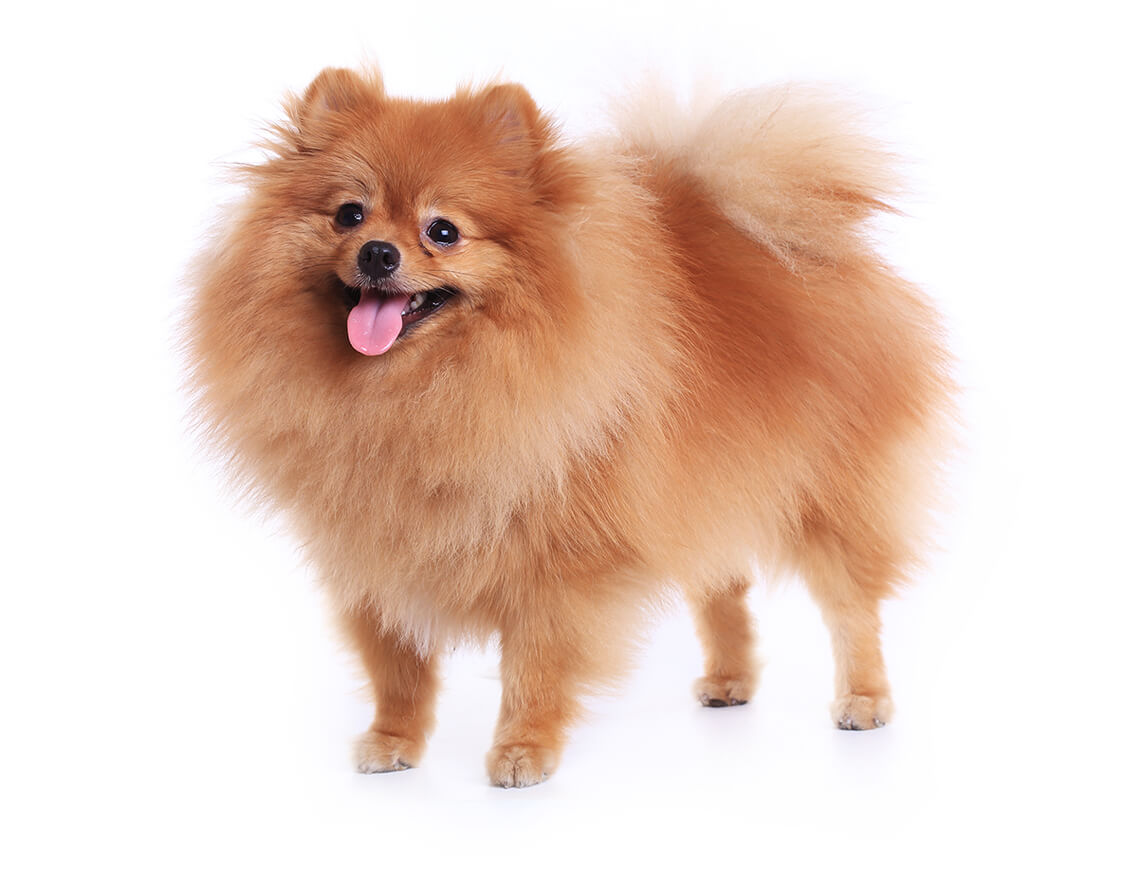
Pomeranian

The dainty little Pomeranian sparkles with character and friendliness. The smallest of the spitz breeds, they look almost like miniature foxes, with an outercoat that has long, erect hairs and a thick undercoat, giving them the appearance of a ball of fluff.

The need-to-know

  • Dog suitable for non-experienced owners
  • Basic training required
  • Enjoys gentle walks
  • Enjoys walking half an hour a day
  • Little toy dog
  • Some drool
  • Requires grooming daily
  • Non hypoallergenic breed
  • Very vocal dog
  • Guard dog. Barks and alerts
  • Great with other pets
  • Great family dog
Lifespan:
12–16 years
Weight:
1.8–3kg
Height:
18–30cm
Colours:
White, black, brown, blue, red, orange, beaver, cream, white, merle, parti-coloured, sable
Size:
Small
Kennel Club group:
Toy
Personality

They are lively and energetic little dogs who are very loyal to their families, although generally bond to one person. Pomeranians enjoy being handled and spending time with their beloved owner but it’s important that they have the opportunity to be ‘real dogs’. They make excellent watch dogs, as they are quite vocal and will alert to anything unusual - or indeed to just about anything! Despite their gentle and affectionate natures and surprisingly enthusiastic attitude to life, care must be taken, as under all that hair they are tiny and quite fragile.

History and Origins

Country of Origin: Germany

Unlikely as it may seem, Pomeranians (or 'Poms') are almost certainly descended from the sledge-pulling dogs of the Arctic and are probably related to the Keeshond, Norwegian Elkhound and the Samoyed. This small pet dog was intentionally bred through progressive size reduction although when they arrived in the UK with German-born Queen Charlotte they were very different from the Poms we know today - being white and much larger (9-14kgs). They soon became popular, especially with royalty, so when Queen Victoria visited Florence and saw much smaller various of the breed there, she brought them home with her. The Queen went on to breed them and showed them at Crufts in 1891 where (not surprisingly!) she won best of breed. In the years that followed her death in 1901, selective breeding for a smaller size continued until the tiny dog we know today was developed and the larger sizes vanished entirely from the UK.

Nutrition and Feeding

Toy dogs have a fast metabolism, meaning they burn energy at a high rate, although their small stomachs mean that they must eat little and often. Small-breed foods are specifically designed with appropriate levels of key nutrients and smaller kibble sizes to suit smaller mouths. This also encourages chewing and improves digestion.

Exercise

Pomeranians are very undemanding in their exercise requirements and are quite happy with short daily walks or a run in the garden with their owners. If kept fit and active however they can enjoy much longer walks. Their primary focus is social contact with their owner but as a descendant of working breeds, they do enjoy interactive enrichment games to keep their busy mind occupied and to stop them getting bored and overly noisy.

Other Information

Health and common issues

Like many small breeds, the Pomeranian can suffer from kneecaps that may temporarily slip out of place (luxating patellas). Other common problems in Poms are eye conditions, a disorder causing hair loss and a windpipe problem that causes coughing.

Space requirements

Pomeranians can live in just about any home as they do not need much space. They do need access to outdoor spaces for daily walks and toileting (especially as to successfully toilet train them, you do need to be able to get them out very frequently).

Training pomeranians

It’s easy to underestimate these tiny dogs but they are surprisingly trainable and enjoy working with their owner. Poms have been known to compete successfully in mini agility as well as learn all kinds of tricks. At the least they should be taught to walk on a harness and have a good recall (not that they generally go far from their owner). Like many toy breeds, expect toilet training to take far longer than in larger breeds.

Best family dog breeds

Although the Pom is friendly and gets on with everyone, they are too delicate for active or boisterous young families. They will do well in a family of older sensible children however. While many dogs are traditionally thought of as being good with children, all dogs and children need to be taught to get on with and respect each other, and be safe together. Even so, dogs and young children should never be left alone together and adults should supervise all interactions between them.

Did you know?

  • When Poms first came to the UK, they were very much the canine supermodels of the time. Artist Gainsborough was particularly taken with the breed and painted them several times. This was possibly what led to their popularity - especially among the aristocracy.
  • Their connection to the arts doesn’t stop there either, Mozart had a Pomeranian named Pimperl, to which he dedicated an aria to and Michelangelo had a Pom by his side whilst he painted the ceiling of the Sistine Chapel.
  • Two Pomeranian’s survived the sinking of the Titanic in 1912.
  • One of the most internet famous dogs ever, was a Pomeranian called Boo. He had 16 million Facebook fans when he passed away in January 2019.
  • Pomeranian’s have one of the smallest litter sizes with the average being around 2 – 3 puppies per litter.
Zoomed product photo

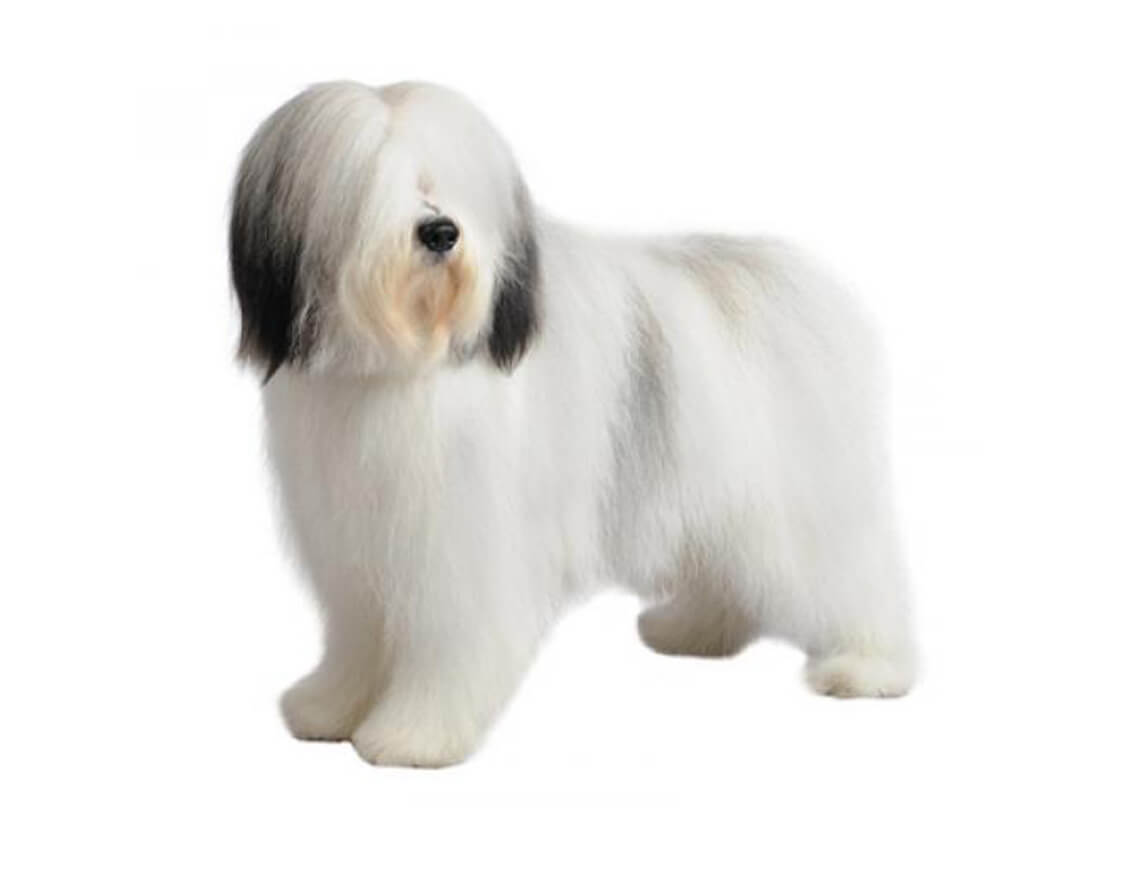
Polish Lowland Sheepdog

A slightly rectangular, medium-size, shaggy-coated dog, the Polish Lowland Sheepdog is cobby, strong and muscular. The fairly long, thick coat is harsh in texture and there is a soft undercoat. The hair falls over the eyes and comes in all coat colours. Adult dogs stand at 45-50cm and females at 42-47cm, and they weigh approximately 18-20kg.

The need-to-know

  • Dog suitable for experienced owners
  • Some training required
  • Enjoys vigorous walks
  • Enjoys walking one to two hours a day
  • Medium dog
  • Minimum drool
  • Requires grooming daily
  • Non hypoallergenic breed
  • Chatty and vocal dog
  • Guard dog. Barks and alerts
  • May require training to live with other pets
  • Great family dog
Personality

The Polish Lowland Sheepdog is lively, quick to learn and enjoys training. He's a natural herding dog and watchdog. He is good-tempered and makes an alert companion in the home. Affectionate to his loved ones, he enjoys being at his owner's side, but he can be aloof initially with those he doesn't know.

History and Origins

The Polish Lowland Sheepdog, or Polski Owczarek Nizinny (PON) as he is known in his native country, probably descends from a dog originally from Tibet/Mongolia. Moving with nomadic groups and working as a flock dog, he developed into the dog we know today in northern Europe. The breed is said to have influenced the Bearded Collie, with whom he shares many characteristics, with a Polish trader giving three dogs to Scottish shepherds in 1514.

Nutrition and Feeding

Your dog's diet needs to have the right balance of all the main nutrient groups including a constant supply of fresh water. It's important to conduct regular body condition scores to ensure you keep your dog in ideal shape, and remember to feed him at least twice daily in accordance with the feeding guidelines of his particular food.

Exercise

Bred to work in harsh conditions, this active dog needs around two hours of exercise a day and a chance to use his brain – and won't be put off by any inclement weather! Naturally, the long coat should be checked for debris and dried thoroughly after a walk.

Other Information

Health and common issues

The Polish Lowland Sheepdog is generally a healthy breed, but as with many breeds can suffer from hereditary eye disorders, and hip dysplasia (a condition that can lead to mobility problems). Eye testing and hip scoring of dogs prior to breeding is therefore important.

Best family dog breeds

While many dogs are traditionally thought of as being good with children , all dogs and children need to be taught to get on with and respect each other, and be safe together. Even so, dogs and young children should never be left alone together and adults should supervise all interactions between them.

Zoomed product photo

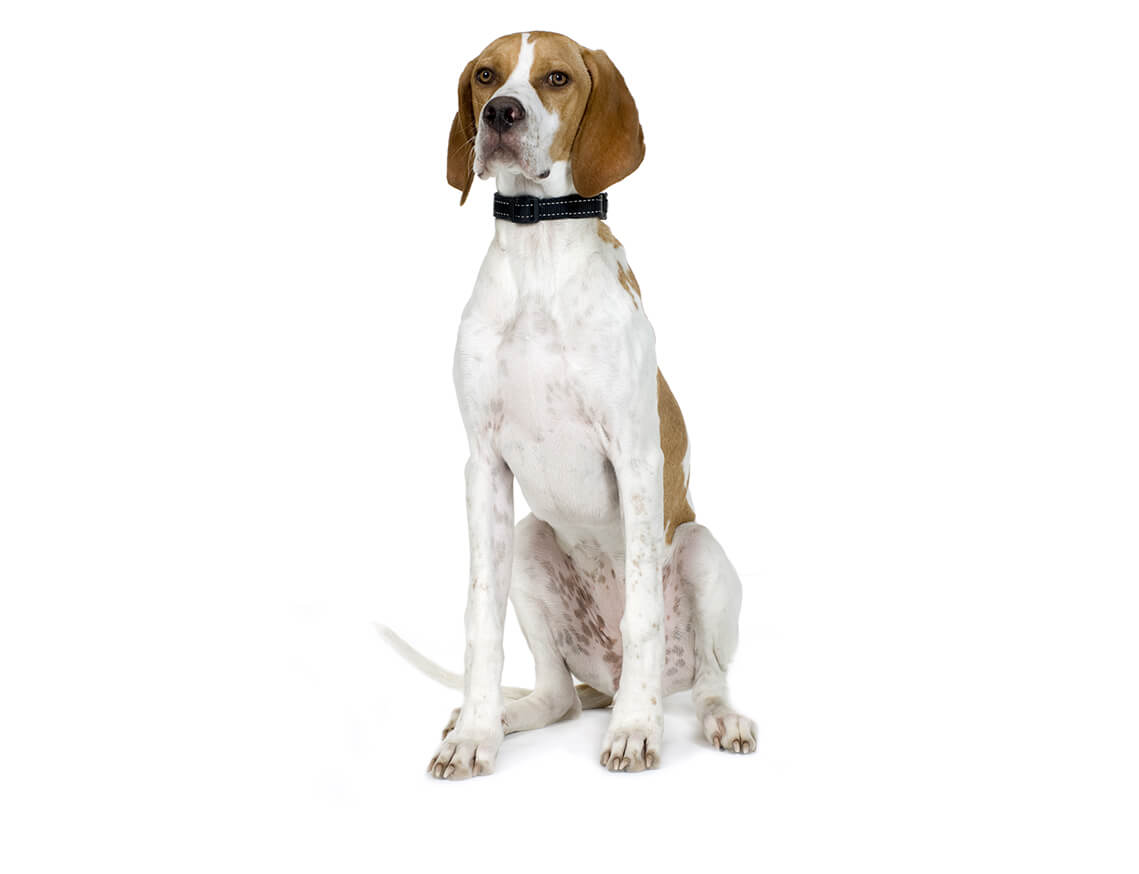
Pointer

The Pointer is a muscular and graceful dog. Their most distinguishing feature is the typical Pointer stance with tail and foreleg raised and head extended towards the quarry. They carry their heads proudly. Their coats are smooth, straight and short with a tremendous sheen and come in several colours.

The need-to-know

  • Dog suitable for owners with some experience
  • Some training required
  • Enjoys vigorous walks
  • Enjoys walking more than two hours a day
  • Large dog
  • Minimum drool
  • Requires grooming once a week
  • Non hypoallergenic breed
  • Quiet dog
  • Not a guard dog
  • May require training to live with other pets
  • Great family dog
Lifespan:
12–17 years
Weight:
26–30kg
Height:
61–69cm
Colours:
Black, black and white, lemon, lemon and white, liver, liver and white, orange, orange and white. Pointer’s can also have black, liver and self-coloured points and ticked markings
Size:
Medium
Kennel Club Group:
Gundog
Personality

As companion dogs, Pointers are friendly and affectionate, and get on well with other dogs and even cats if introduced when young. They are closely bonded to their families and love to be included in everything that is going on. They are sensitive, intelligent and friendly and are welcoming of just about everybody. They are not ideal guard dogs but they will generally bark when someone comes to the door. As long as they are getting the exercise they need, they are quiet dogs in the house.

History and Origins

Country of Origin: England

The exact origin of the Pointer dog breed is not entirely clear: whether they originate from Spanish Pointers or Continental Pointers is uncertain. Other breed historians say that their ancestors have always been English. What is certain however is that the English Pointer, a smaller, quicker dog than the continental Pointers, dates back to the 1600s and was used to 'point' game out to hunters. This is done by finding the game and then halting and indicating its presence rather than flushing it out. These are true canine specialists - and this coupled with their gentle disposition and obedient friendly natures have made sure they have always remained popular.

Nutrition and Feeding

Large breed dogs, as well as having large appetites, benefit from a different balance of nutrients including minerals and vitamins compared to smaller-breed dogs. This breed can be prone to bloating and stomach problems; smaller, more frequent meals can help minimise this risk.

Exercise

At heart the Pointer is still a working gundog and so needs plenty of exercise every day to include free-running. A fit adult needs two-plus hours of daily exercise but will always be up for more.

Other Information

Health and common issues

Pointer dogs are relatively hardy dogs. As with many breeds, hip dysplasia (a condition that can lead to mobility problems) may occur and hip scoring of dogs prior to breeding is therefore important. The breed club monitor the health of the breed carefully and should be contacted for the most up-to-date information and details of any DNA or additional testing they recommend. Breed Clubs can be found on the Kennel Club website.

Space requirements

This is a country dog who needs a good size home and plenty of countryside to exercise in.

Training pointers

The Pointer is an intelligent, biddable dog who will try their best to please their owners but if they are to be the star of the class, they need opportunities to show off what makes them such fabulous gundogs! Pet gundog classes or even scent work classes will be ideal for a Pointer. They should however be taught a reliable recall as outside they can easily be distracted by the thrill of the chase or just the joy of running. Some may only be safe off-lead in enclosed, totally safe areas.

Best family dog breeds

Pointers make excellent family dogs for active outdoorsy families who can give them the exercise they need. While many dogs are traditionally thought of as being good with children, all dogs and children need to be taught to get on with and respect each other, and be safe together. Even so, dogs and young children should never be left alone together and adults should supervise all interactions between them.

Did you know?

  • You can trace the history of Pointers through art. Early pointers have been found depicted on the walls of 3,000-year-old Egyptian tombs, as well as French and English painting from the 17th to 19th centuries.
  • Despite still being used as a working breed today, they love their creature comforts and enjoy nothing more than cuddling up on the sofa.
  • Even before guns, Pointers were excellent bird catching dogs. They’d capture the bird and either break their neck or take it back to their handlers for them to finish the job.
  • The name ‘Pointer’ is because when they spot prey, they literally point their entire body to the thing in question.
Zoomed product photo

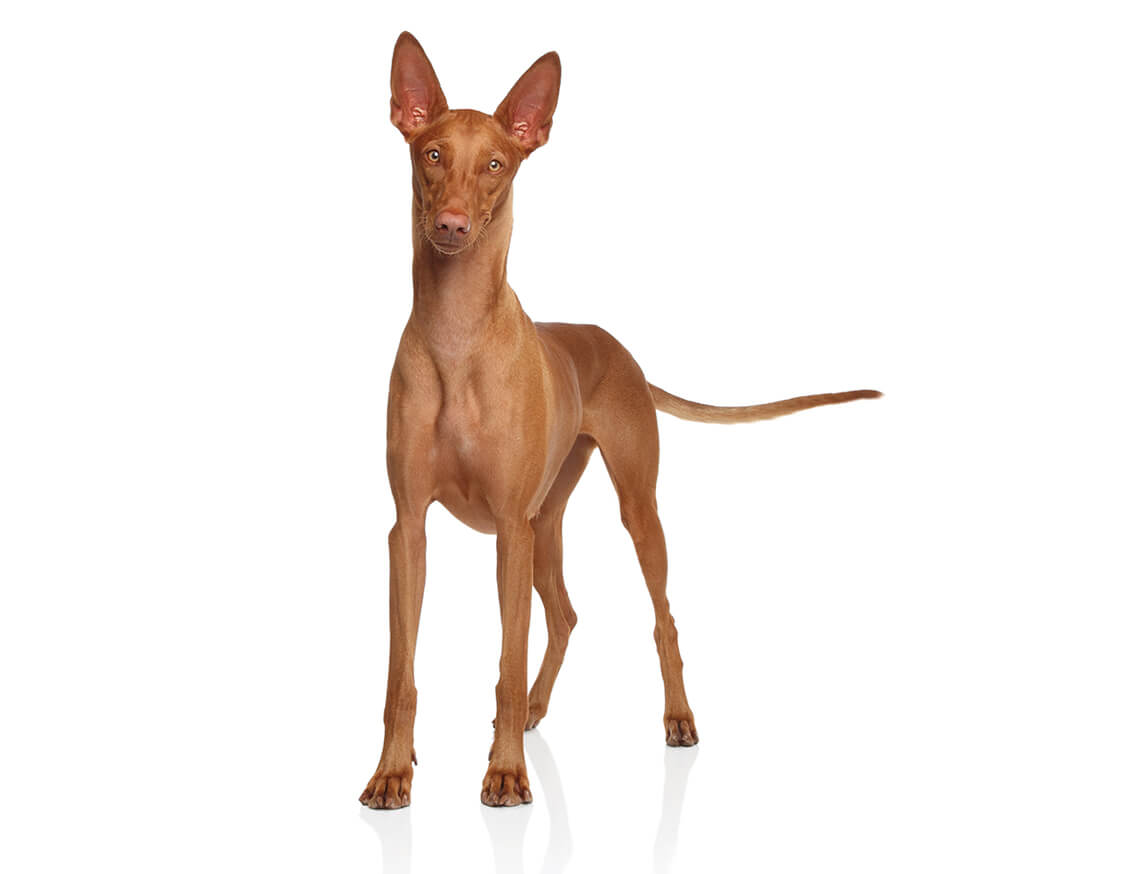
Pharaoh Hound

The Pharaoh Hound is a graceful and athletic, medium-sized, short-coated dog with an elegant, chiselled head and alert, erect ears.

The need-to-know

  • Dog suitable for experienced owners
  • Some training required
  • Enjoys active walks
  • Enjoys walking an hour a day
  • Large dog
  • Minimum drool
  • Requires grooming once a week
  • Non hypoallergenic breed
  • Chatty and vocal dog
  • Not a guard dog
  • May require training to live with other pets
  • May require training to live with kids
Lifespan:
11 – 14 years
Weight:
20 – 25kg
Height:
53 – 63cm
Colours:
The Pharaoh Hound comes in shades of tan, sometimes with white markings to the tail, chest, toes and face
Size:
Medium
UK Kennel Club Groups:
Hound
Personality

This is a sighthound, which means a degree of independent thought is to be expected, but also strong loyalty to family and close friends. The desire to hunt is strong, and the Pharaoh Hound has the staying power and stamina of the long-distance runner as well as the short-term speed of the sprinter. Care must be taken around cats, other small furry animals and livestock.

Unlike many sighthounds, the Pharaoh Hound is quite vocal at times and is also very sociable, enjoying the company of other humans and dogs.

History and Origins

Country of Origin: Malta

Well known in Malta and Gozo for centuries as a farmer’s dog, the Pharaoh Hound was originally known as the Maltese Rabbit Dog. In an attempt to give this dog a more noble title, the enthusiasts of the breed in the 1960s renamed the dog, noting that the Pharaoh Hound closely resembled depictions of houndlike dogs in the wall paintings and carvings of ancient Egypt.Whilst there is no hard evidence that there is a genetic link, it is likely that Phoenician traders visited the Maltese Islands in ancient times, and there are a number of similar, true breeding types known in the Mediterranean region. Unusual and beautiful dogs have often been traded and gifted between nations and those that perform a useful function such as hunting would be highly prized, making this link quite possible.

Nutrition and Feeding

Your dog's diet needs to have the right balance of all the main nutrient groups including a constant supply of fresh water. It's important to conduct regular body condition scores to ensure you keep your dog in ideal shape, and remember to feed them at least twice daily in accordance with the feeding guidelines of their particular food.

Exercise

The Pharaoh Hound is an excellent athlete, enjoying sprinting, long distance running and very capable of jumping reasonable heights. Two or more hours a day of exercise is required, and varied exercise types and a variety of routes will be needed to meet their mental exercise needs. Pharaoh Hounds can hunt by scent as well as sight, and once on the trail of a quarry they will not stop! This is a dog not well equipped to cope with cold or wet, so a coat is necessary for slower walks or to put on before and after faster exercise.

Other Information

Health and common issues

The most common problem suffered by the Pharaoh Hound is slipping kneecaps (luxating patellas). The breed club monitor the health of the breed carefully and should be contacted for the most up-to-date information and details of any DNA or additional testing they recommend. Breed Clubs can be found on the Kennel Club website.

Space requirements

Easily accommodated in any size of the home, the Pharaoh Hound requires a decently sized garden with secure 6ft plus fencing. Access to a variety of walks is a must, including a secure space to run. Given their vocal nature and desire to be alert to any interesting sound, plus incredible hearing, they may not be suited to a busy town or city home with close neighbours.

Training pharaoh hound

The Pharaoh Hound will really enjoy training, and early training to ignore livestock, behave well around cats and other small furries, and of course building a solid recall is vital, although shouldn’t be relied upon! Pharaohs can do well in a variety of canine sports and competition including Cani-X, agility, obedience, heelwork to music and more. This is a great breed for the active owner who wishes to take up a dog related sport or hobby and enjoys training. The Pharaoh Hound is no couch potato, and if left bored will invent their own fun!

Best family dog breeds

The Pharaoh Hound does require quite a bit of time for training and exercise and are slow to mature into sensible adult dogs. This may not fit well in a home with very young children and a lack of time. With older children or teenagers who can be involved in training and dog sports, or who enjoy long walks or running, they should do very well. While many dogs are traditionally thought of as being good with children, all dogs and children need to be taught to get on with and respect each other, and be safe together. Even so, dogs and young children should never be left alone together and adults should supervise all interactions between them.

Did you know?

  • When excited, the Pharaoh Hound blushes, their nose and ears will glow redder due to their lack of black pigment!
  • Pharaoh Hound’s are known for their happy smiling faces and can be trained to smile too.
  • Their large pointy ears are completely natural and stand up when they’re around 4 weeks old.
  • The first Pharaoh Hound to be shown at Crufts was Birling Zahara in 1970.
  • They’re incredible jumpers and you’ll need at least a 6-foot fence in your garden to keep them contained!
Zoomed product photo

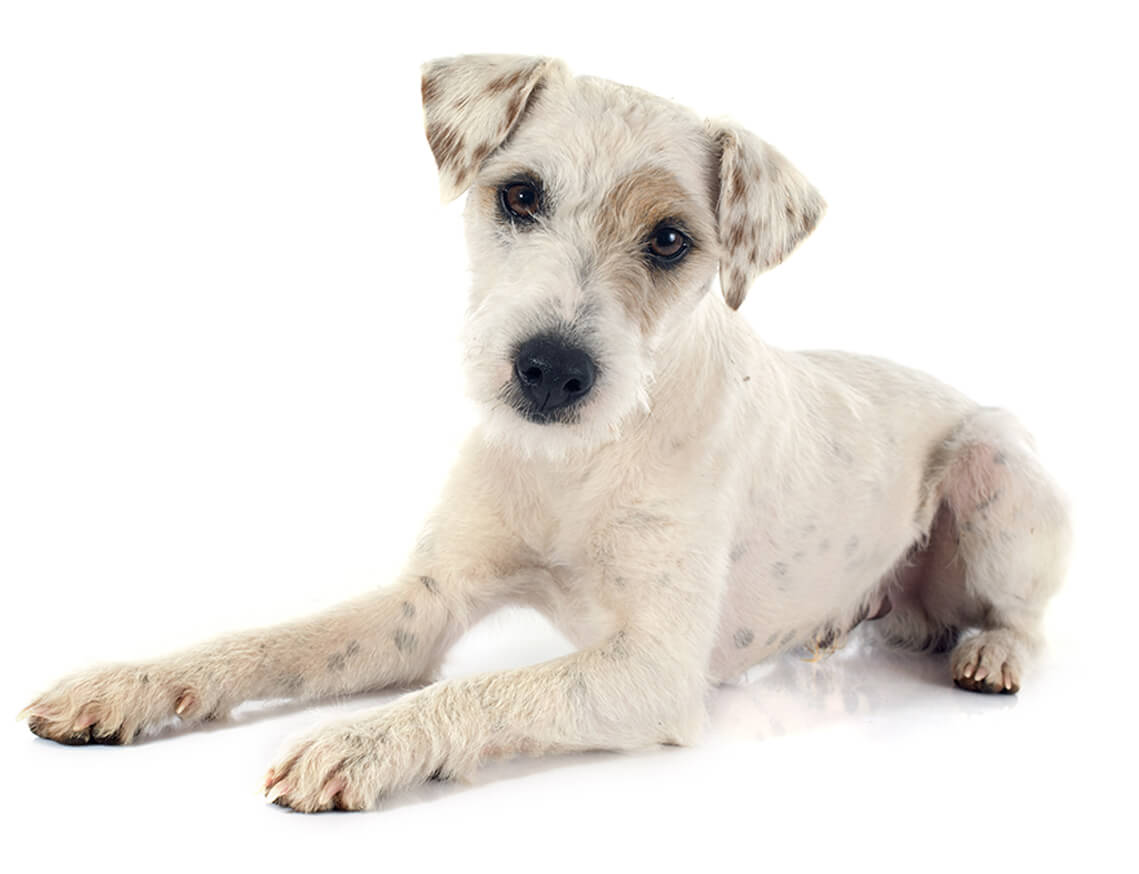
Parson Russell Terrier

The Parson Russell Terrier is relatively small, active, and lively terrier. They have fairly long legs, which were ideal for keeping up with the horses; but their body is shaped to allow them to be able to get into small spaces. They are white or mainly white with tan, lemon, or black markings (normally seen on the head or tail). Adult males measure about 36cm and adult females 33cm. They weigh approximately 5-8kg.

The need-to-know

  • Dog suitable for non-experienced owners
  • Some training required
  • Enjoys active walks
  • Enjoys walking an hour a day
  • Small dog
  • Minimum drool
  • Requires grooming once a week
  • Non hypoallergenic breed
  • Chatty and vocal dog
  • Guard dog. Barks and alerts
  • May require training to live with other pets
  • May require training to live with kids
Personality

In general the Parson Jack Russell Terrier is a friendly, devoted and affectionate dog with lots of personality. They can make good pets for the active family and must be socialised from an early age especially with cats and other dogs. Gardeners will soon discover that digging is one of this dog's favourite pastimes!

History and Origins

The Parson Russell Terrier dog breed was developed and established in the 18th century in Devon by the Reverend John Russell. John Russell was born into a fox hunting family in 1795. He wanted a dog that could keep up with the horses, run with the hounds and was small enough to flush the foxes from their dens. While studying at Oxford he saw, and bought, the perfect dog for his purposes, belonging to the milkman. It is thought that this was the first dog to be known as a Jack Russell. During his time as a clergyman, John Russell devoted himself to both the church and breeding terriers suitable for fox hunting.

Nutrition and Feeding

Small dogs have a fast metabolism, meaning they burn energy at a high rate, although their small stomachs mean that they must eat little and often. Small-breed foods are specifically designed with appropriate levels of key nutrients and smaller kibble sizes to suit smaller mouths. This also encourages chewing and improves digestion.

Exercise

This dog, being an active little terrier, should have lots of exercise. They like nothing better than a long walk where they can get off the lead and can pick up a scent. Do work hard on a reliable recall before letting him off-lead, as the Parson Russell Terrier is prone to 'selective deafness'!

Other Information

Health and common issues

The Parson Russell Terrier is generally a hardy breed, like most terriers. As with many breeds, they can suffer from hereditary eye disorders, and so eye testing is recommended.

Best family dog breeds

While many dogs are traditionally thought of as being good with children , all dogs and children need to be taught to get on with and respect each other, and be safe together. Even so, dogs and young children should never be left alone together and adults should supervise all interactions between them.

Zoomed product photo

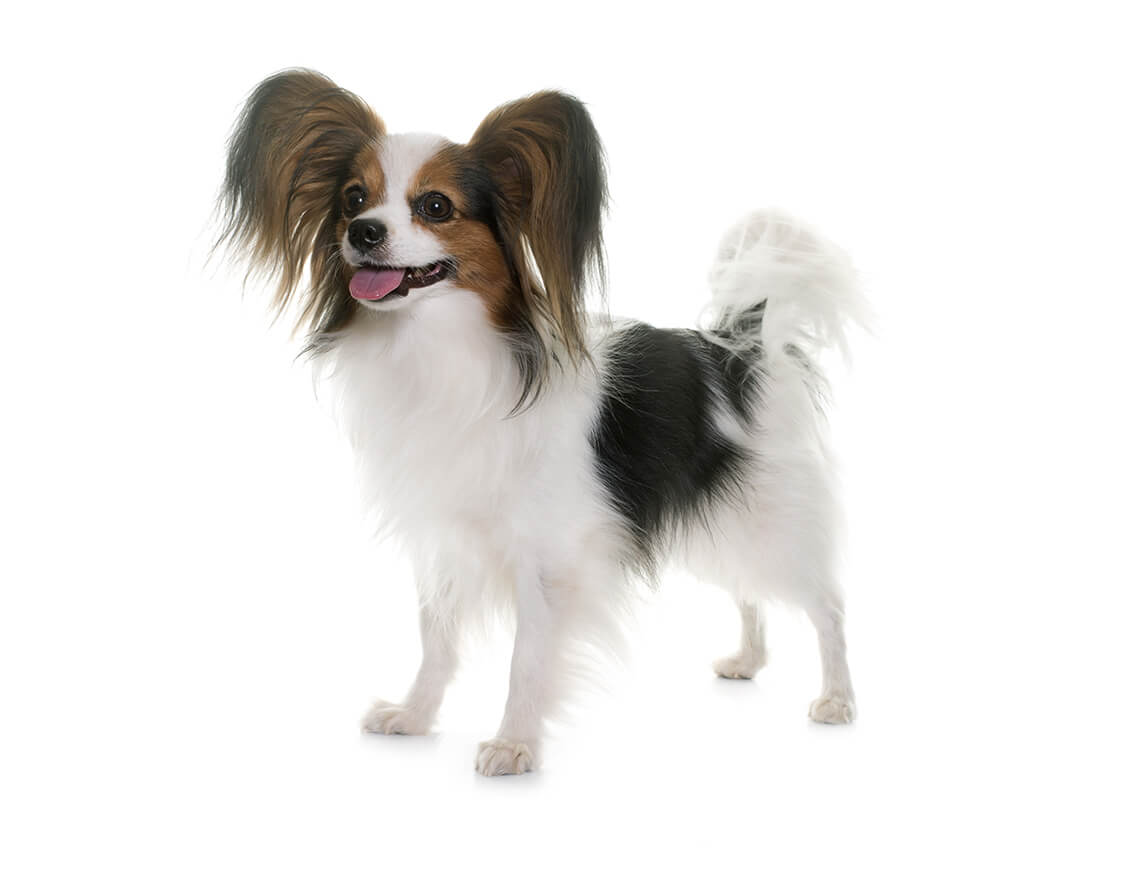
Papillon

A glamorous, delicate-looking dog, with ears that resemble a butterfly or a moth, the Papillon dog's coat is long and silky, and essentially white with patches of colour (see the breed standard for full details). The tricolour coat is white and black with specific tan markings. Adult dogs stand at 20-28cm and weigh 3-5kg.

The need-to-know

  • Dog suitable for non-experienced owners
  • Basic training required
  • Enjoys gentle walks
  • Enjoys walking half an hour a day
  • Small dog
  • Minimum drool
  • Requires grooming every other day
  • Non hypoallergenic breed
  • Very vocal dog
  • Guard dog. Barks and alerts
  • Great with other pets
  • Great family dog
Personality

An alert, friendly, energetic little dog, the Papillon dog is a rewarding, loving companion that enjoys taking part in family activities, as well as spending time on laps!

History and Origins

Toy Spaniels that feature in many Renaissance paintings bear a strong similarity to the Papillon dog, and the breed is thought to have developed in France or Belgium. The Papillon dog was a favoured companion of royalty and the nobility on the Continent, and one is even said to have been carried by Marie Antoinette when she walked to the guillotine. The breed's name – which translates as 'butterfly' – comes from its large ears, which look like a butterfly with outstretched wings. If a dog has drop ears, it is called a Phalene (which translates as 'moth').

Nutrition and Feeding

Toy dogs have a fast metabolism, meaning they burn energy at a high rate, although their small stomachs mean that they must eat little and often. Small-breed foods are specifically designed with appropriate levels of key nutrients and smaller kibble sizes to suit smaller mouths. This also encourages chewing and improves digestion.

Exercise

About half an hour a day will be needed for the Papillon dog, though he is capable of more if you can offer it. For his size, he is surprisingly energetic and has competed with success in agility.

Other Information

Health and common issues

Like many small breeds, the Papillon dog can suffer from kneecaps that may temporarily slip out of place (luxating patellas). As with many breeds, hereditary eye disorders can also occur, and so eye testing is recommended.

Best family dog breeds

While many dogs are traditionally thought of as being good with children , all dogs and children need to be taught to get on with and respect each other, and be safe together. Even so, dogs and young children should never be left alone together and adults should supervise all interactions between them.

Zoomed product photo

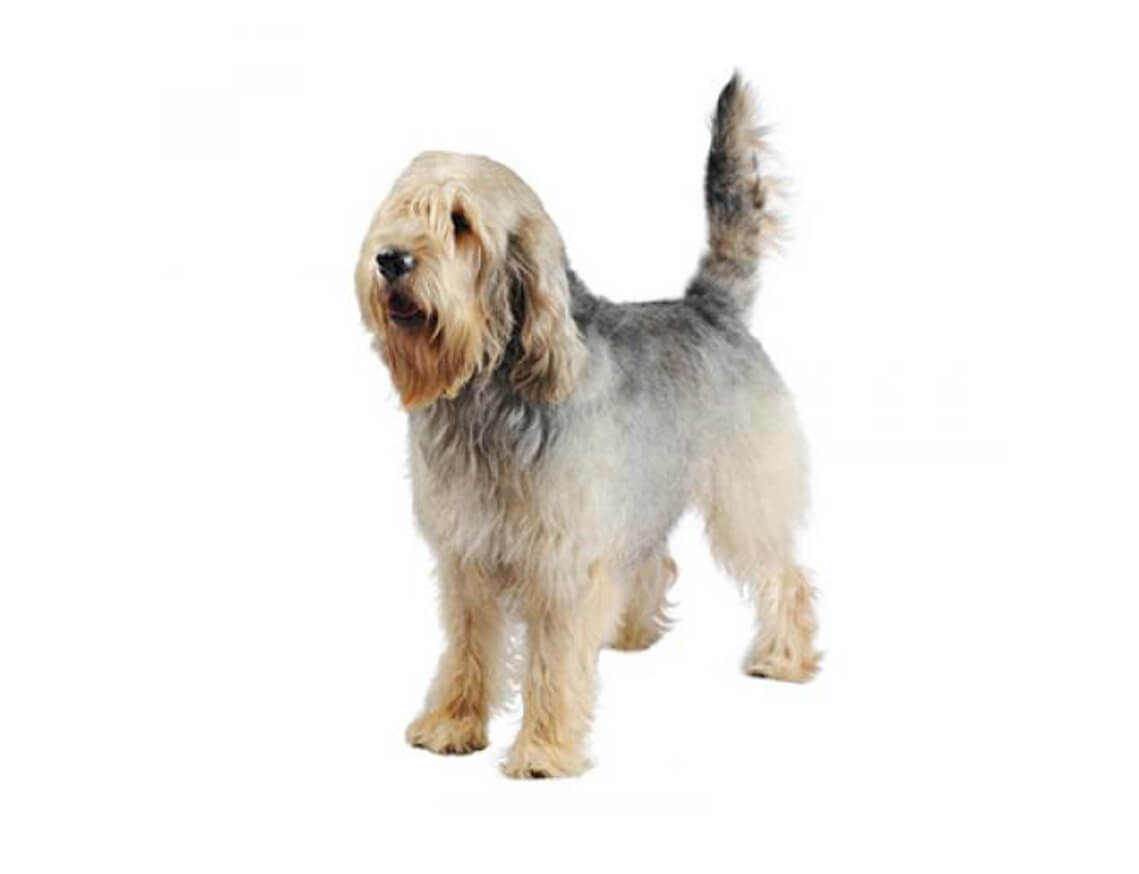
Otterhound

The Otterhound is a large, rough-coated scent hound with drop ears and an attractive bearded face. They come in all the usual hound colours, and their rough, shaggy coat has an oily, water resistant quality to it to allow them to work in water and all weather. The long, strong tail is carried high when the hound is working and droops lower when relaxed or at rest.

The need-to-know

  • Dog suitable for experienced owners
  • Some training required
  • Enjoys active walks
  • Enjoys walking one to two hours a day
  • Large dog
  • Minimum drool
  • Requires grooming every other day
  • Non hypoallergenic breed
  • Chatty and vocal dog
  • Not a guard dog
  • May require training to live with other pets
  • Great family dog
Lifespan:
10 – 13 years
Weight:
36 – 54kg
Height:
61-69cm
Colours:
All recognised hound colours including: whole coloured, grizzle, sandy, red, wheaten, blue, white, black and tan, blue and tan, black and cream, liver, tan and liver, tan and white
Size:
Large
UK Kennel Club Groups:
Hound
Personality

The Otterhound is a friendly, good natured dog with a sense of humour and fun. They are also a large dog in every sense of the term, tall, long, well built and shaggy coated. They can be exuberant and boisterous, and as with all scent hounds, are inclined to switch their ears off once their nose is engaged.

History and Origins

Country of Origin: England

Originally bred to hunt otters in order to protect fish stocks in ponds, this strong bodied large hound is ideally built to work in water for hours on end. This is an ancient breed and the earliest records of otter hunting with hounds’ date back to the reign of Henry II in the 12th century. In those days the breed was much more like a terrier than a hound and it was several centuries until the terrier influence was bred out in favour of the large hound we know today.

Nutrition and Feeding

Large breed dogs, as well as having large appetites, benefit from a different balance of nutrients including minerals and vitamins compared to smaller-breed dogs. The Otterhound can be prone to bloating and stomach problems; smaller, more frequent meals can help minimise this risk.

Exercise

When young, the Otterhound’s exercise should be carefully limited so that they do not over-exert themselves or damage growing joints. All Otterhounds adore water and will follow a scent to the ends of the earth. Otterhounds enjoy exercise, but it is the variety of scents and scenery that is more important to them than the speed or distance covered. A mixture of walking, paddling, swimming, and sniffing will meet their needs better than a couple of hours running alongside a bike or jogging partner. Allow two hours per day of exercise for the adult Otterhound.

Other Information

Health and common issues

As with many breeds, the Otterhound can suffer from hip and elbow dysplasia (joint conditions that can be painful and lead to mobility problems). Hip scoring of dogs prior to breeding is therefore important. The breed club monitor the health of the breed carefully and should be contacted for the most up-to-date information and details of any DNA or additional testing they recommend. Breed Clubs can be found on the Kennel Club website.

Space requirements

This is a big dog, and while there are taller dogs and heavier dogs, the Otterhound combines significant height, length and weight with a rough, debris collecting coat, water and drool dropping flews, and ears that dangle into food and water bowls. You will need a spacious home, with room to let a wet hound dry off, space to groom them and a secure garden with at least 6ft fencing that cannot be jumped over, squeezed through or dug under. Access to countryside walks and suitable paddling and swimming locations would be ideal. Not suited to city living.

Training otterhound

Early and consistent training on recall and in the use of a longline and harness are vital, as like most scent hounds, the Otterhound goes deaf when following a trail. Due to their size and a coat that picks up water and mud, it’s sensible to train your Otterhound to stand to be dried off and brushed through, and to lie down quietly wherever they are asked. Although not a dog who enjoys training for trainings sake, Otterhounds are ideal for those interested in tracking, man-trailing and other scent related sports and competition.

Best family dog breeds

Otterhounds can make a fun and active pet for the right family, however they are large and boisterous which may cause problems with smaller children or older family members. Their preferred exercise involves being outside in the water or in horrid weather so take this into consideration, not all family members may enjoy such walks! While many dogs are traditionally thought of as being good with children, all dogs and children need to be taught to get on with and respect each other, and be safe together. Even so, dogs and young children should never be left alone together and adults should supervise all interactions between them.

Did you know?

  • Otterhounds stopped hunting otter in 1978, as otters were rare and gained protected species status.
  • The Otterhound is now endangered and are thought to be rarer than the giant panda. They are on the UK’s vulnerable breeds list with less than 50 puppies registered per year for the last 5 years.
  • Otterhounds have an odd way of drinking, submerging their whole nose under water at times, blowing bubbles and spreading the water quite some distance!
  • They have large, webbed feet to help them swim.
  • They’re known to be quite vocal and have a deep ‘bay’ which carries over long distances.