Golden Retriever

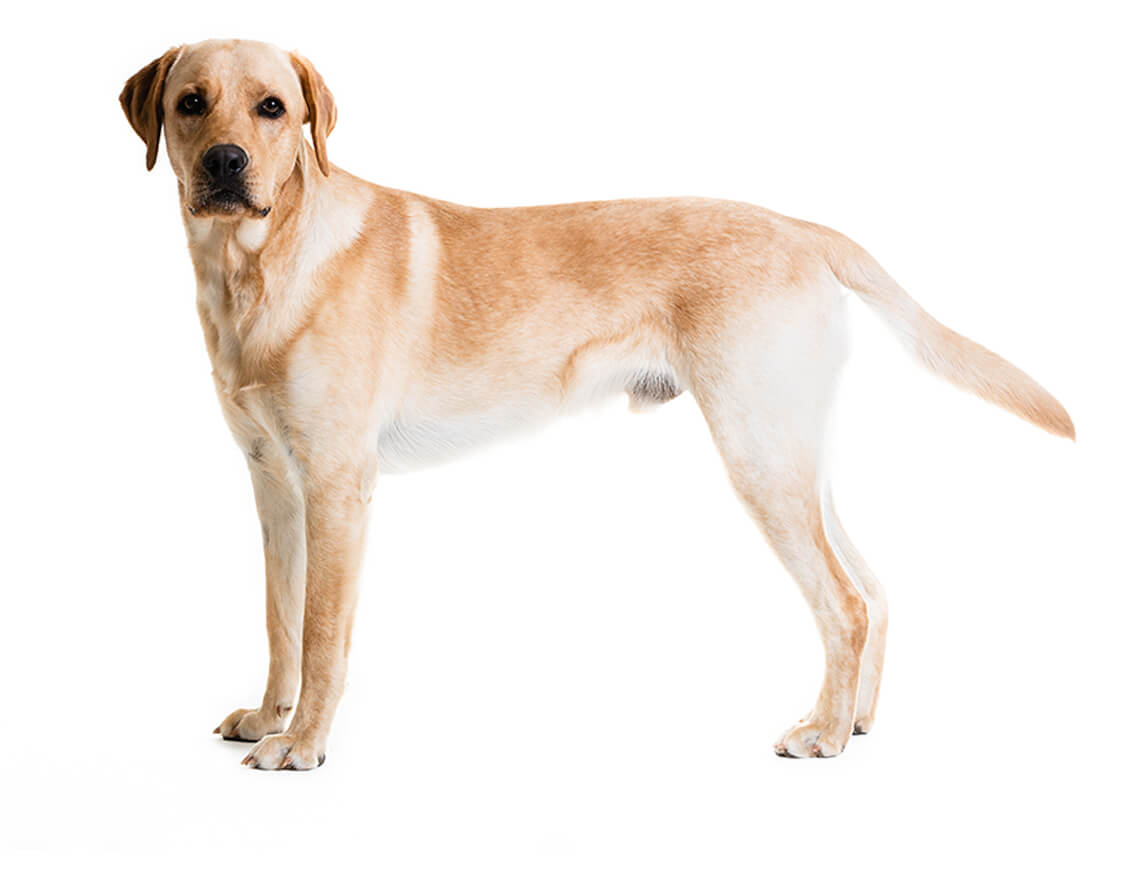
Probably one of the most recognizable and best loved dogs, the Golden Retriever is known for their lustrous, medium-length golden coat and ever-wagging tail. This large retriever has a friendly expression with perfect symmetry and superb, flowing movement covering the ground with long, powerful strides.


The need-to-know


  • Dog suitable for non-experienced owners
  • Basic training required
  • Enjoys vigorous walks
  • Enjoys walking more than two hours a day
  • Large dog
  • Some drool
  • Requires grooming every other day
  • Non hypoallergenic breed
  • Quiet dog
  • Not a guard dog
  • Great with other pets
  • Great family dog
Lifespan:
10–12 years
Weight:
27–34kg
Height:
51–61cm
Colours:
The Golden Retriever comes in various shades of gold from light to dark
Size:
Large
Kennel Club group:
Gundog
Personality

The Golden Retriever is a gentle dog with a level disposition and usually adapts well to family life. They love to be involved in all matters, whether indoors or outdoors. They are foremost a retriever and will attempt to drag, pull, or carry anything they can fit into their mouths. They also love water and care should be taken to ensure their safety when any form of water is nearby. Golden Retrievers are, however, worriers, and great care should be taken during training, ensuring sensitivity is always maintained.


History and Origins

Sir Dudley Marjoribanks (Lord Tweedmouth) took a liking to the yellow colour of the retriever and acquired a dog called 'Nous' from Brighton, England, in 1865 and used him on a Tweed Water Spaniel bitch, which was a liver-coloured retrieving dog. In 20 years of further breeding, and bringing in Labrador Retrievers, Red Setters and possibly a Bloodhound or two to improve scenting and add bone, the Golden Retriever dog breed was developed. In 1908 it was registered and shown as Golden Flatcoats until 1913, when the listing was changed to Golden or Yellow Retrievers until finally, in 1920, they took the name they bear today.

Nutrition and Feeding

Large breed dogs, as well as having large appetites, benefit from a different balance of nutrients including minerals and vitamins compared to smaller-breed dogs. The Golden Retriever is prone to bloating and stomach problems; smaller, more frequent meals can help minimise this risk.

Exercise

Adult Golden Retrievers require a reasonable amount of exercise to keep them in peak condition. As puppies, do ensure they are not over-exercised or bone/joint problems may develop. A couple of hours of daily exercise should be sufficient for a fit adult, though this dog will happily accept more if you can offer it! Like many gundogs, they can easily become overweight if not given enough exercise - especially as they love their food!

Other Information

Health and common issues


As with many breeds, The Golden Retriever can suffer from various hereditary eye disorders, and hip and elbow dysplasia (joint conditions that can be painful and lead to mobility problems). Eye testing and hip scoring of dogs prior to breeding is therefore important.


Space requirements


At heart this is a country dog that loves the great outdoors and long walks in the countryside. They can adapt to smaller spaces as long as they have a garden and plenty of daily exercise.


Training golden retrievers


Golden Retrievers are great dogs to train - whether in obedience or more traditional gundog work - as they are smart and enjoy pleasing their owners. They need sensitive reward-based training to help them gain confidence and excel. As well as walking exercise, they excel in any games that use their natural retrieving abilities and love working with their owners.


Best family dog breeds


The Golden Retriever is an ideal dog for families as they love everyone, are gentle and enjoys being involved in all activities. They’ll happily come along for car rides and go visiting as they’re highly social. While many dogs are traditionally thought of as being good with children, all dogs and children need to be taught to get on with and respect each other, and be safe together. Even so, dogs and young children should never be left alone together and adults should supervise all interactions between them.


Did you know?


  • The Golden Retriever is one of the most versatile breeds and they can be found doing all kinds of jobs including, disability assistance, guiding, search and rescue, working trials, obedience and agility.
  • One Golden Retriever worth mentioning is Bear – the first dog on the scene after the World Trade Centre disaster. He and his handler John Gilkey worked at the site for three months trying to locate people buried in the rubble.
  • Golden Retrievers are said to have extremely soft mouths, so soft in fact that they can carry a raw egg in their mouth without cracking the shell.
  • Due to their high intelligence and willingness to please, Golden Retriever’s are often used in films and TV shows, some famous ones include Buddy from Air Bud and Shadow from Homeward Bound.
  • They are thought to be the 4th smartest dog breed in the world.


Flatcoated Retriever

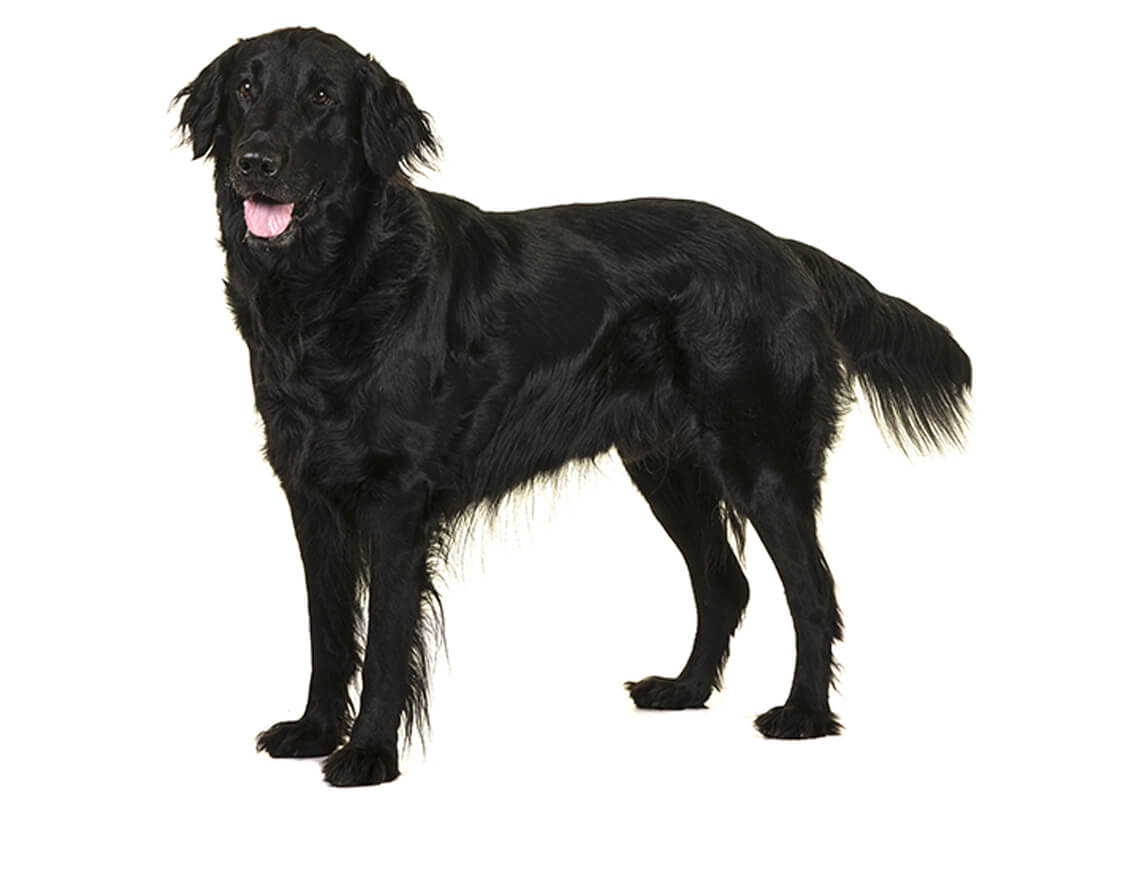
The Flat Coated Retriever is a long and lean, and is the most racy-looking of the retrievers. They are bright and active with an intelligent expression. The dense, flat coat has a high shine, legs and tails are well feathered, giving an impression of a smart, attractive and athletic animal.


The need-to-know


  • Dog suitable for non-experienced owners
  • Basic training required
  • Enjoys vigorous walks
  • Enjoys walking more than two hours a day
  • Large dog
  • Some drool
  • Requires grooming every other day
  • Non hypoallergenic breed
  • Chatty and vocal dog
  • Not a guard dog
  • Great with other pets
  • Great family dog
Lifespan:
8 – 14 years
Weight:
27-36kg for males and 25-32kg for females
Height:
58-61cm for males and 56-58cm for females
Colours:
Black or liver
Size:
Large
UK Kennel Club Groups:
Gundog
Personality

Kindly, lively yet gentle, the Flat Coated Retriever is less prone to the rather over-enthusiastic and potentially boisterous nature that some other retrievers are known for! Slow to mature and rather sensitive in nature, the Flat Coat Retriever is even-tempered and highly adaptable. A good family dog with the right training and an understanding home, the Flattie will enjoy accompanying family on long walks and taking part in training, and competitive dog sports. Snuggling up on the sofa is also a popular activity for the well-exercised Flat Coated Retriever! 


History and Origins

Country of Origin: England


In the 1800s landowners and the sporting nobility of Great Britain were heavily focused on producing recognisable types of working dogs with a specific job. In the Flat Coated Retriever’s case, their only purpose was to pick up and retrieve shot game, accurately and without damaging the flesh. Developed from the Lesser Newfoundland as a land retriever, they were further refined into an excellent water and land retriever and became much favoured by gamekeepers. The ‘Flattie’ is also well able to flush game from cover and hunt where necessary. First established by Mr. J Hull in 1864, the breed was extremely popular until the creation of the Golden Retriever, and two World Wars also took their toll on numbers. Now rising in popularity again as a pet and competition dog, the Flattie is an intelligent yet gentle breed and makes a delightful companion in the right home. 


Nutrition and Feeding

Large breed dogs, as well as having large appetites, benefit from a different balance of nutrients including minerals and vitamins compared to smaller-breed dogs. The Flat Coated Retrievers are prone to bloating and stomach problems; smaller, more frequent meals can help minimise this risk. Discover more about how to offer your dog a balanced diet with our easy-to-follow guide.

Exercise

Two hours of dog exercise a day is the bare minimum for the Flat Coated Retriever. This tireless worker is easily capable of long-distance walks, running, swimming and following scents. Keen to join in any activity, the Flattie is happiest when working with their person, at whatever activity is offered. A variety of walking routes and opportunities to swim would be ideal. Taking part in canine sports or pet gun dog training are all good outlets for a Flat Coat’s energy!

Other Information

Health and common issues


For the Flat Coated Retriever, the most concerning breed-related problem is a high predisposition to some certain types of aggressive dog cancers. As with many breeds, they can also suffer from various hereditary eye disorders, and hip dysplasia (a condition that can lead to mobility problems). Eye testing and hip scoring of dogs prior to breeding is therefore important.


Space requirements


A secure garden is important, but the Flat Coat Retriever does not require a vast amount of space. Room to sprawl out and relax after a hard days walking or swimming, space to dry off after exercise and a comfy sofa to snuggle on will be all that’s necessary. As long as you can meet their need for countryside exercise, the Flat Coat Retriever will be happy housed almost anywhere, however keep in mind that noisy, bustling and busy locations will likely cause stress in any breed and this is very much the case for the sensitive Flat Coat Retriever.


Training flat coated retrievers


The Flat Coated Retriever will enjoy dog training with a patient, highly motivating trainer. Plenty of food and toys as rewards, plus the opportunity to tug, retrieve and follow scent will get the Flattie on-side. Beware however, the Flattie is easily bored and surprisingly sensitive, so keep training rewarding, fun and engaging, and provide variety as the Flat Coat can switch off easily and decide ‘not today thanks’ if things become too repetitive.


Best family dog breeds


The Flat Coated Retriever is a sensitive breed and slow to mature, meaning puppies need careful raising in a quiet, steady environment. This plus the time and exercise requirements for adults means that they are better suited to a home with older children or teenagers, rather than a young family with very small children. Older children and teens who enjoy long walks and dog training will find the Flat Coat a loyal, gentle and loving companion. While many dogs are traditionally thought of as being good with children, all dogs and children need to be taught to get on with each other and be safe together. Even so, dogs and young children should never be left alone together and adults should supervise all interactions between them.


Did you know?


  • The Flat Coated Retriever was originally named the ‘Wavy Coated Retriever’ however as breeders bred primarily for function rather than appearance, the wavy coat was slowly lost and eventually the name was changed to Flat Coated Retriever to reflect their appearance.
  • They are known amongst fans as the ‘Peter Pan’ breed due to their slow maturing, puppy-like behaviour that extends well into adulthood and even old age.
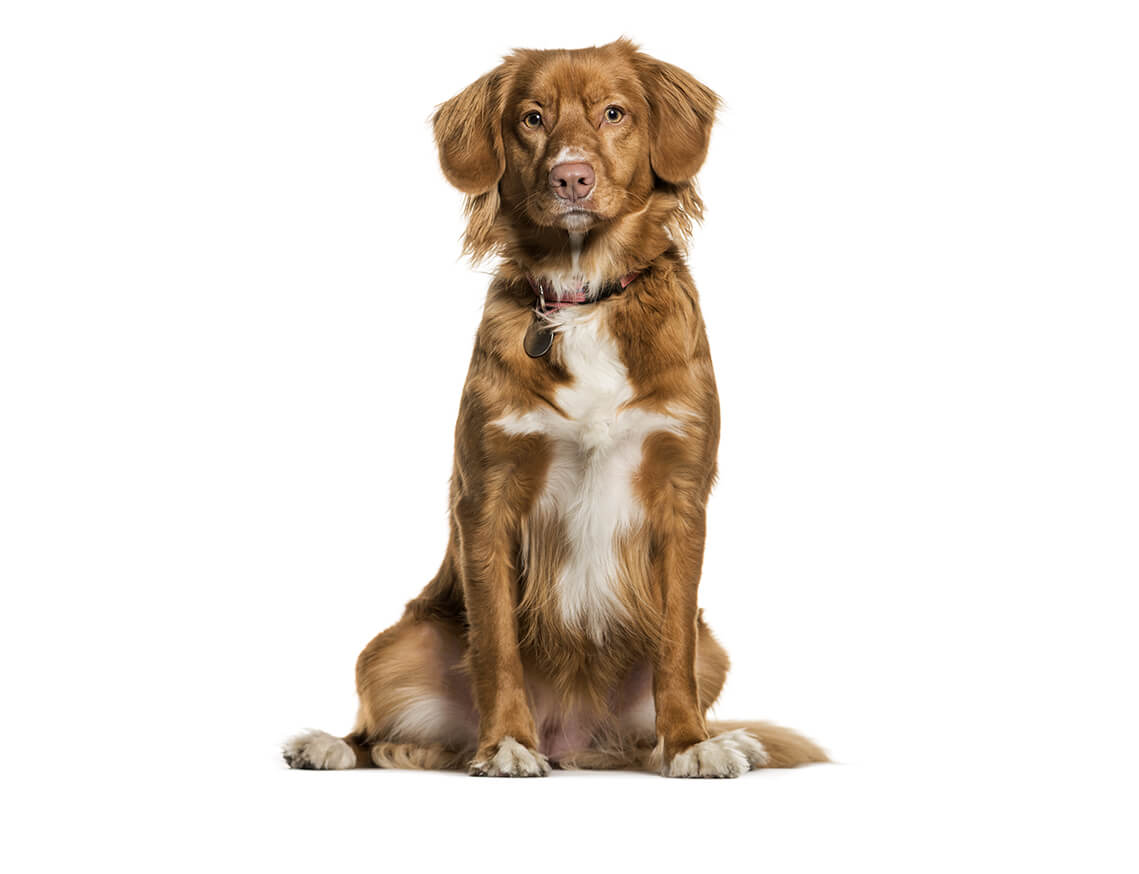
 

Curly-Coated Retriever

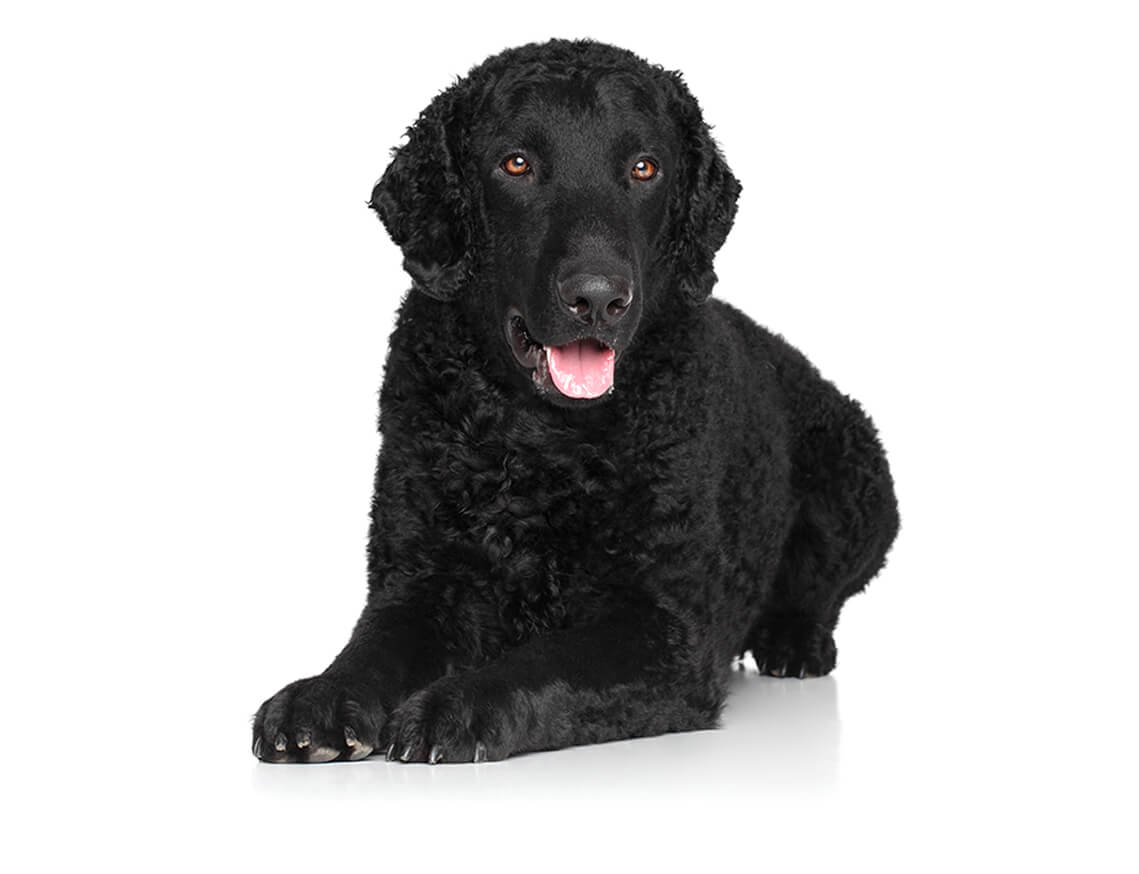
A large, strong, elegant breed, the Curly Coated Retriever has a distinctive liver or black coat of thick, tight curls on the body, with smooth hair on the rest of the dog. Adult males stand at 69cm, females at 64cm, and they weigh 36-45kg when fully grown.


The need-to-know


  • Dog suitable for non-experienced owners
  • Some training required
  • Enjoys vigorous walks
  • Enjoys walking more than two hours a day
  • Large dog
  • Some drool
  • Requires grooming every other day
  • Non hypoallergenic breed
  • Quiet dog
  • Not a guard dog
  • May require training to live with other pets
  • Great family dog
Personality

A steady, confident, bold dog, the Curly Coated Retriever is quite independent and can seem aloof to those he doesn't know well. With his loved ones, however, he is affectionate and makes a calm, loyal companion. He is very much an 'outdoor' dog and loves exploring his surroundings and retrieving – in and out of the water.


History and Origins

The exact history of the Curly Coated Retriever dog breed is unclear, with many breeds going into its development as a gundog, including various retrievers, the Tweed Water Spaniel and the Irish Water Spaniel among others. The Poodle was also used, to improve the curliness of the coat. The breed was first shown in 1860 and excelled as a shooting dog, but its popularity as a pet and working dog waned with the emergence of the Labrador Retriever.

Nutrition and Feeding

Large breed dogs, as well as having large appetites, benefit from a different balance of nutrients including minerals and vitamins compared to smaller-breed dogs. The Curly Coat, in common with many large breeds, is prone to bloating and stomach problems; smaller, more frequent meals can help minimise this risk.

Exercise

An active dog, the Curly Coated Retriever needs two hours of exercise and more every day. He loves retrieving be it on land or in water and his waterproof coat serves him well. This is a dog that enjoys 'working', so take a toy for fetch games, to spice up walks.

Other Information

Health and common issues


As with many breeds, the Curly Coated Retriever can suffer from various hereditary eye disorders, and hip dysplasia (a condition that can lead to mobility problems). Eye testing and hip scoring of dogs prior to breeding is therefore important.


Best family dog breeds


While many dogs are traditionally thought of as being good with children , all dogs and children need to be taught to get on with and respect each other, and be safe together. Even so, dogs and young children should never be left alone together and adults should supervise all interactions between them.


Retriever (Chesapeake Bay)

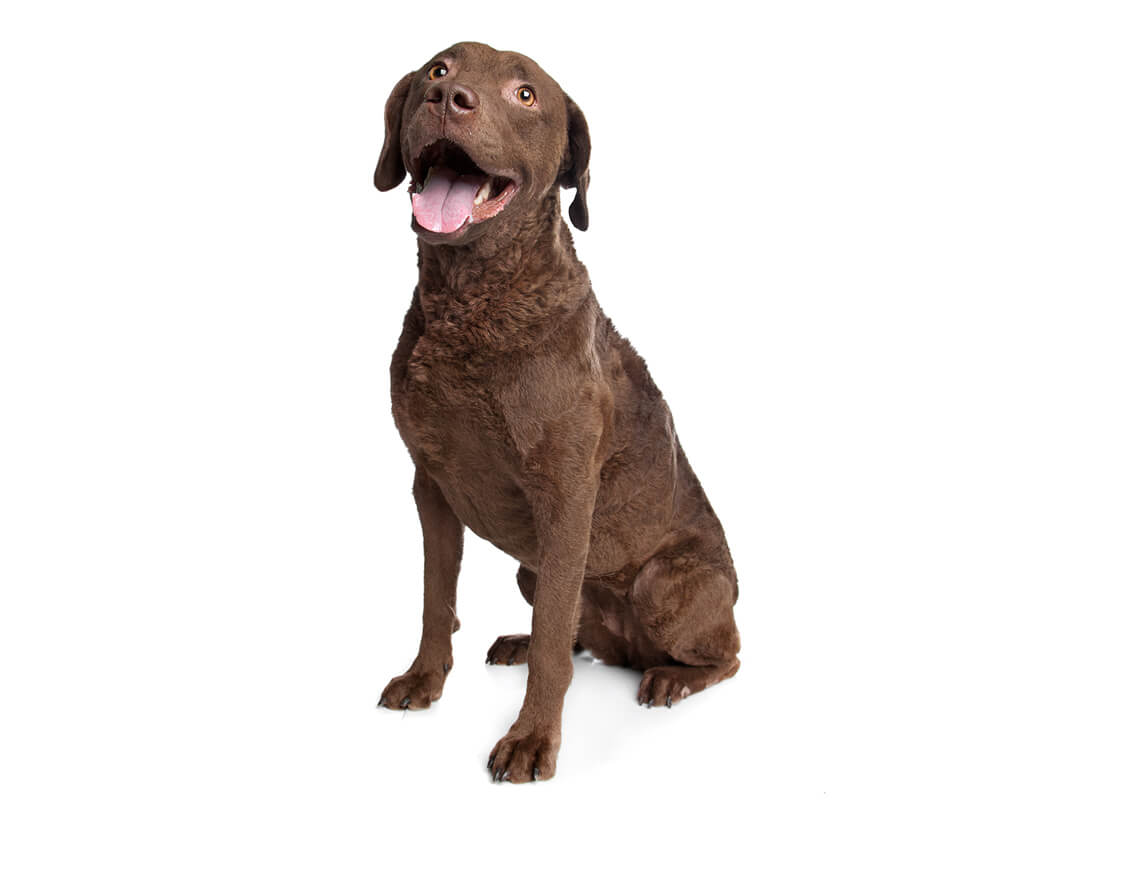
The Chesapeake Bay Retriever is a large, powerful and muscular dog. Slightly larger and longer in the leg than the Labrador, the Chesapeake has a very dense, thick coat. This should be short and hard, with an oily feel to it, smooth on the face and legs but wavy over the shoulders. Along with the water-resistant coat which protects the Chesapeake from the harshest of weather conditions, they have strong webbed feet, making them excellent swimmers.


The need-to-know


  • Dog suitable for non-experienced owners
  • Some training required
  • Enjoys vigorous walks
  • Enjoys walking more than two hours a day
  • Large dog
  • Minimum drool
  • Requires grooming once a week
  • Non hypoallergenic breed
  • Quiet dog
  • Not a guard dog
  • Great with other pets
  • Great family dog
Lifespan:
10 – 12 years
Weight:
25 – 36.4kg
Height:
53 – 66cm
Colours:
The coat is described as ‘dead grass’ in colour, which ranges from straw to bracken, other colours are ‘sedge’ which is a red gold shade, and any shade of brown or ash is also accepted. They may have small spots of white on the chest and feet.
Size:
Large
UK Kennel Club Groups:
Gundog
Personality

Bright and cheerful, playful and independent, the Chesapeake Bay Retriever is a big and powerful dog, and not ideally suited to the novice owner. With the right approach, and an owner who understands what makes these dogs tick and has the ability to provide for that, they can make an excellent companion, but this is a hard-working breed who really wants to work. They won’t be happy lazing around and need kind, consistent training to behave as respectable members of canine society.


History and Origins

Country of Origin: United States


The Chesapeake Bay Retriever is an American breed, named for the Chesapeake Bay which stretches from Havre de Grace, Maryland, to Virginia Beach, Virginia. It is the third largest estuary in the world, and this huge area of wetland meant water-fowl hunters needed a very robust, powerful and water-resistant dog to find and retrieve shot game.The Chesapeake was developed from British dogs brought over by settlers, and Chesapeake’s ancestors can be traced back to two Newfoundland’s, rescued as puppies from a ship wrecked off the Maryland coast in the early 19th century. These puppies, a brown dog named Sailor and black bitch called Canton were later mated with the local retrieving dogs and their offspring inherited the retrieving ability from their retriever parents and the oily, water-resistant coat, powerful build and webbed feet of their Newfoundland parents, giving them the perfect build and ability to work the icy waters of the Bay.


Nutrition and Feeding

Large breed dogs, as well as having large appetites, benefit from a different balance of nutrients including minerals and vitamins compared to smaller-breed dogs. The Chesapeake Bay Retriever is prone to bloating and stomach problems; smaller, more frequent meals can help minimise this risk.

Exercise

The Chesapeake Bay Retriever needs two or more hours exercise per day, walking over a variety of terrain, ideally including swims and retrieval from water. They live to work and won’t thank you for a day off if its raining or cold - they will want to go whatever the weather. The ideal owner will love spending hours in the countryside, and not mind getting muddy or wet. Games that involve swimming, scenting out hidden toys and retrieving will keep the Chesapeake happy and fulfilled.

Other Information

Health and common issues


As with many breeds, the Chesapeake Bay Retriever can suffer from various hereditary eye disorders, and hip dysplasia (a condition that can lead to mobility problems). Eye testing and hip scoring of dogs prior to breeding is therefore important. The breed club monitor the health of the breed carefully and should be contacted for the most up-to-date information and details of any DNA or additional testing they recommend. Breed Clubs can be found on the Kennel Club website.


Space requirements


This is a large dog, who needs to spend a lot of time outside getting wet and muddy, therefore they are not ideally suited to small homes in urban areas. A home large enough to have a dedicated dog room for them to dry off, and a secure garden, with access to a variety of rural walks will suit them well, as they are better off in the countryside than the town. As bathing can damage their coat, they can smell rather doggy and so non-houseproud owners might well suit them best.


Training chesapeake bay retrievers


Consistency is required with the Chesapeake as they have a very independent mind and if they think you don’t know what you are doing, they will decide what to do for themselves. Positive reinforcement works well and these dogs adore food and retrieving game or dummies so are not hard to motivate if you are asking them to perform tasks they enjoy. Work hard on teaching a Chesapeake to be polite in the company of other dogs and people, particularly children, as they can be very enthusiastic in their play, leaning towards rather rude if not well trained and socialised!


Best family dog breeds


Big, bold and requiring a lot of exercise, the Chesapeake is better suited to homes with older children, teens or those without children. Ideal owners would enjoy long walks whatever the weather and want to spend some time training and working their dog either as a gundog proper, or in one of the many sports that recreate elements of water work, scent work or retrieval work. While many dogs are traditionally thought of as being good with children, all dogs and children need to be taught to get on with and respect each other, and be safe together. Even so, dogs and young children should never be left alone together and adults should supervise all interactions between them.


Did you know?


  • Chesapeake Bay Retrievers have been the official State Dog of Maryland since 1967.
  • The American actor Paul Walker, famous for the Fast &; Furious films, owned a Chesapeake Bay Retriever named Boone, who appeared alongside him in the film Into The Blue (2005).
  • It is claimed that a Chesapeake once retrieved over 300 ducks in one day from the near freezing waters, and that “even heavy seas did not deter them from their work”!
  • Chesapeake Bay Retrievers have webbed feet which is one of the many reasons they make such great swimmers.
  • These dogs are known to be extremely playful with a very goofy sense of humour.


Pyrenean Sheepdog

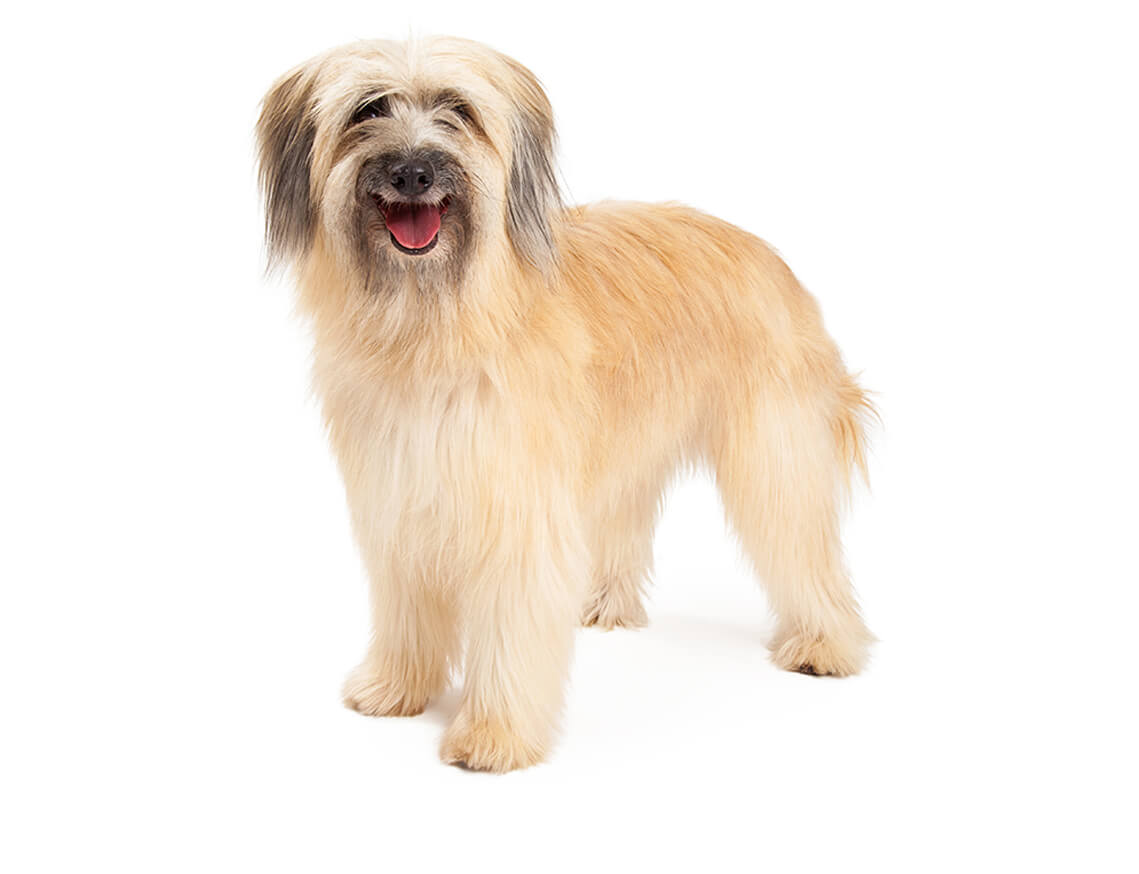
Lean and athletic with a somewhat windswept long or semi-long coat, the Pyrenean Sheepdog is one of the smallest sheepdog breeds. Under the coat, which comes in fawn, grey, blue merle, slate blue or brindle, black or black and white, is a medium-sized dog with a strong, racy frame, sharp eyes and intelligent expression.


The need-to-know


  • Dog suitable for experienced owners
  • Some training required
  • Enjoys vigorous walks
  • Enjoys walking one to two hours a day
  • Medium dog
  • Minimum drool
  • Requires grooming every other day
  • Non hypoallergenic breed
  • Very vocal dog
  • Guard dog. Barks and alerts
  • May require training to live with other pets
  • May require training to live with kids
Lifespan:
15-17 years
Weight:
Between 7-15kg
Height:
40-48cm for males, and 38-46 for females
Colours:
Fawn, grey, blue merle, slate blue or brindle, black, or black and white
Size:
Medium
Kennel Club Groups:
Pastoral
Personality

The Pyrenean Sheepdog is an extremely quick-witted, sharp-minded and intelligent little dog. Built to endure harsh weather and steep, rough terrain, they also have the brains to control large numbers of potentially panicky and argumentative sheep who outweigh them by as much as 50kg. As such, while physically small, this is both physically and mentally a tough dog. Loyal and responsive to their owners, they are suspicious of strangers and strongly motivated to watch for movement, herd and bark to alert to danger.


History and Origins

Country of Origin: France


This is one of France’s oldest breeds as the Pyrenean Sheepdog or Berger des Pyrenees dates back to the 19th Century. Used for herding and moving large flocks of sheep around the mountainous French Pyrenees, they came to the attention of rest of the world during the First World War, when they were used as nimble and swift messenger dogs by the French army. They can still be found working as a sheepdog in rural France today, though more often they have found a home as companion dogs. The first breed standard was published in 1926 in France, but the breed is still relatively new to the UK with the breed club not being formed until 1992.


Nutrition and Feeding

The Pyrenean Shepherd needs to have a balanced dog diet including all the main nutrient groups and a constant supply of fresh water. It's also important to conduct regular?body condition?scores to ensure you keep your dog in ideal shape, and remember to feed them at least twice daily in accordance with the feeding guidelines of their particular food.

Exercise

Two hours per day of physical dog exercise, ideally with plenty of free running, the Pyrenean Sheepdog really benefits from having a job. There are a number of canine sports that will help fulfil that need, including agility, Treiball, flyball and even heelwork to music. This is not a breed for the fair-weather walker or couch-potato owner as ;an under-exercised Pyrenean Sheepdog is liable to be very vocal, destructive and difficult to live with.

Other Information

Health and common concerns 


Pyrenean Sheepdog is generally a healthy breed, but as with many breeds, can suffer from various hereditary eye disorders, and hip dysplasia (a condition that can lead to mobility problems). Eye testing and hip scoring of dogs prior to breeding is therefore important.


Space requirements


Economical to house and feed, the Pyrenean is not demanding on indoor space but will require a large and secure garden. Best suited to countryside living, with access to a variety of secure spaces to play, free run and train, this is a breed who will find inner city or busy town living over-stimulating and stressful.


Training


Clever and quick, the Pyrenean is an extremely trainable dog and can achieve high levels of performance in a variety of competitive activities, however you’ll need to enjoy training as a hobby, and have plenty of time to dedicate to it. Positive reinforcement and clever motivation using treats, toys and the opportunity to work will see good results. As with all dogs, heavy handed or dominance-based methods will not work and will likely produce a dog who distrusts the handler.


Best family dog breeds


For families familiar with hard working pastoral breeds, the Pyrenean may make a good pet, however they are not suited for homes busy with small children. For older children or teenagers with a special interest in training this may make a fun companion to work with. Despite their modest size, they are not at all suited for first time owners, or those without a great deal of time to dedicate to training and exercise. While many dogs are traditionally thought of as being good with children, all dogs and children need to be taught to get on with each other and be safe together. Even so, dogs and young children should never be left alone together and adults should supervise all interactions between them.


Did you know?


  • There is another variety of Pyrenean Sheepdog, the Pyrenean Sheepdog (Smooth-faced) which has been known and recognised in France for the same length of time the Pyrenean Sheepdog has – these are due to be recognised by the UK Kennel Club in 2021.
  • In rural France this breed was traditionally subjected to ear-cropping. This has been illegal in the UK since around the 1820’s but was only out-lawed in France in 2010.


Pyrenean Mountain Dog

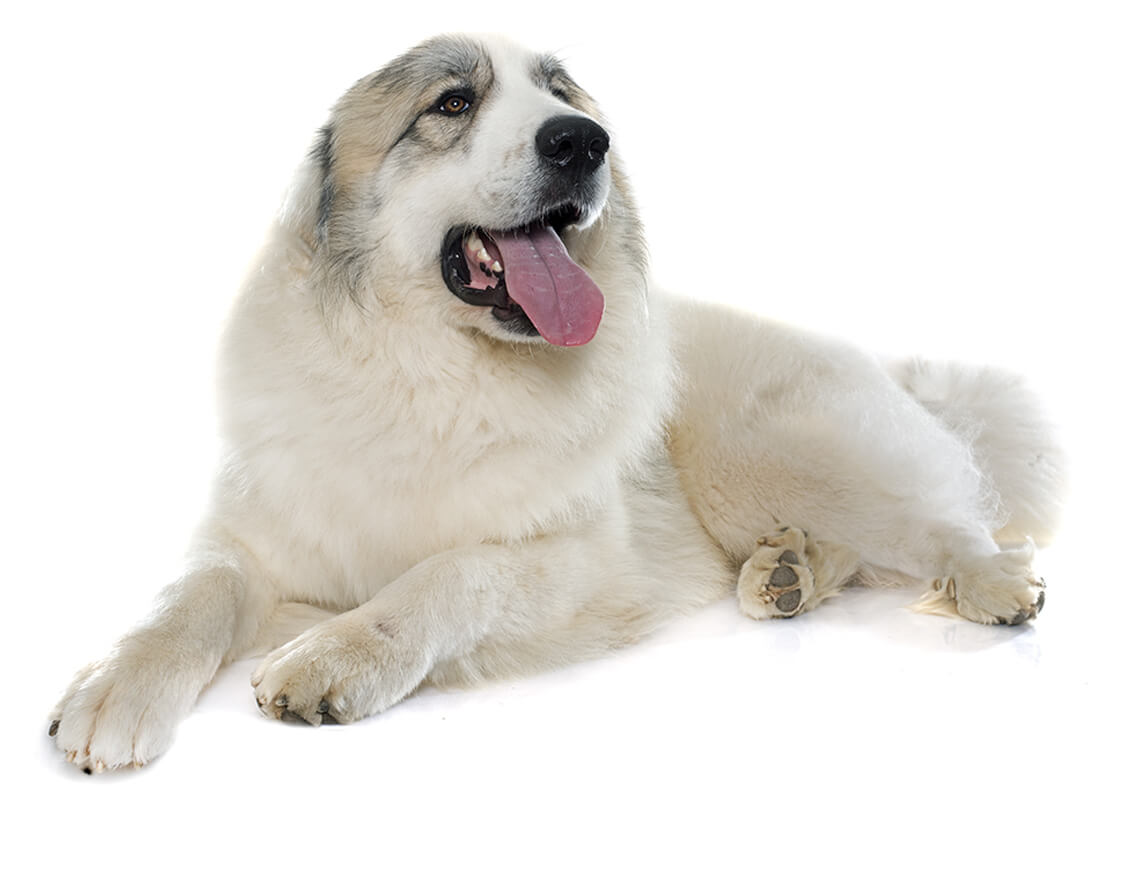
Possibly the best known of the livestock guardian breeds, the Pyrenean Mountain Dog is an immensely strong, huge, heavy bodied dog with a thick coat. Despite their size they should be elegant and well balanced with a smooth movement driven by powerful hindquarters.


The need-to-know


  • Dog suitable for experienced owners
  • Extra training required
  • Enjoys active walks
  • Enjoys walking one to two hours a day
  • Giant dog
  • Heavy drool
  • Requires grooming daily
  • Non hypoallergenic breed
  • Very vocal dog
  • Guard dog. Barks, alerts and it's physically protective
  • May require training to live with other pets
  • May require training to live with kids
Lifespan:
10 – 12 years
Weight:
36 – 54kg
Height:
66 – 81cm
Colours:
They are typically white or white with patches of badger, wolf-grey, lemon, orange or tan on their heads, ears and root of the tail
Size:
Large
UK Kennel Club Groups:
Pastoral
Personality

Whilst Pyreneans can make affectionate and loving companions to their families, they are inclined toward aggression to strange dogs, particularly those of a similar size. Strangers will be at best mistrusted and at worst, a Pyrenean may react aggressively to those they deem unwelcome and threatening, so careful socialisation and training is advised.


Often described as headstrong and stubborn, the reality is that this is a bred long bred for a willingness to use aggression if they think necessary and an independent nature, ready to make decisions for themselves without the input of their owners. This means they really are not suitable for first-time owners as they are hard to motivate in training and must be managed very carefully.


History and Origins

Country of Origin: France


From the French side of the Pyrenean Mountains, the exact history of the breed is unknown, but we do know they have been used as a livestock guardian breed to protect sheep and cattle grazing the mountains for millennia. Fossils suggestive of this breed type predating the Bronze Age (1800-1000BC) have been found.These dogs were generally taken as very young puppies (sometimes as young and four or five weeks old) and placed with the sheep so that they will think of them as family and bond very closely to them - and then will protect them. They were often helped in this job by being given a fearsome looking spiked iron collar to help protect their throat from wolf attacks.


Nutrition and Feeding

Giant-breed dogs, as well as having giant appetites, benefit from a different balance of minerals and vitamins, supporting different joint and cartilage needs. The Pyrenean is prone to bloating and stomach problems; try feeding smaller, more frequent meals to help minimise the risk.

Exercise

Exercising puppies must be done very gradually to avoid putting excess strain on their growing bones and tender tissues and, even with the adult dog, care must taken to build up exercise gradually. Having said that, for their size they really do not need copious amounts of exercise, but, in time, should be given free running off the lead as well as regular controlled walks.

Other Information

Health and common issues


The Pyrenean Mountain Dog is generally a hardy breed. However, in common with many large breeds they may suffer hip dysplasia (a condition that can lead to mobility problems). Hip scoring of dogs prior to breeding is therefore important. The breed club monitor the health of the breed carefully and should be contacted for the most up-to-date information and details of any DNA or additional testing they recommend. Breed Clubs can be found on the Kennel Club website.


Space requirements


The Pyrenean is big, tall and long and with a heavy coat that picks up water and dirt. You’ll need a large house with a large garden and extremely secure, ideally double, fencing. You cannot stop a Pyrenean from guarding; therefore, you must ensure they feel no need to do so by using solid fencing. 50kg of guarding Pyrenean hitting a fence can do some real damage and should they escape they can cause serious accidents. Livestock guardian breeds do not fare well when loose surrounded by strangers. Suitable for remote rural living, with plenty of secure space to run and play. Pyreneans living in highly populated built-up areas are likely to feel very stressed and unhappy and will take serious management to keep safe.


Training pyrenean mountain dog


The Pyrenean is not inclined to enjoy training for training sake, so whilst they can and should be trained it will always be a work in progress and owners must take great care to keep up that effort. It is vital that puppies are well socialised and habituated to the life they will lead with their owners and life skills such as handling, walking on a harness and lead and recall should be worked on early and be ongoing as they will grow into a 10 stone giant, and so if training isn’t started from a very early age, you will often find yourself arguing with a dog who may well weigh more than you do! It must be understood that this dog is a lifestyle dog, requiring you to live a lifestyle that suits the dog, rather than attempting to change their nature to suit your life!


Best family dog breeds


Whilst the Pyrenean can be affectionate and friendly with their own family, they are not advised for homes with children, as children tend to mean other visiting children. Better suited to child-free homes or those with adult children only. While many dogs are traditionally thought of as being good with children, all dogs and children need to be taught to get on with and respect each other, and be safe together. Even so, dogs and young children should never be left alone together and adults should supervise all interactions between them.


Did you know?


  • The Pyrenean Mountain Dog is strangely popular within the Japanese manga and anime culture, with characters featuring in several manga series’ including Fullmetal Alchemist and Naruto amongst others.
  • In 2014 a Pyrenean Mountain dog, ‘Duke’ became Mayor of Comorant, a small town in Minnesota where he held the (ceremonial) role for four consecutive terms!
  • This breed is naturally nocturnal as they were bred to guard flocks of sheep and herds of cattle at night.
  • Queen Victoria of England owned a Pyrenean Mountain Dog in the mid-19th century.
  • In 1870, blood from Pyrenean Mountain Dogs was used at a hospice in Switzerland to help revive the St. Bernard after so many had suffered injuries from avalanches and distemper.


Pug

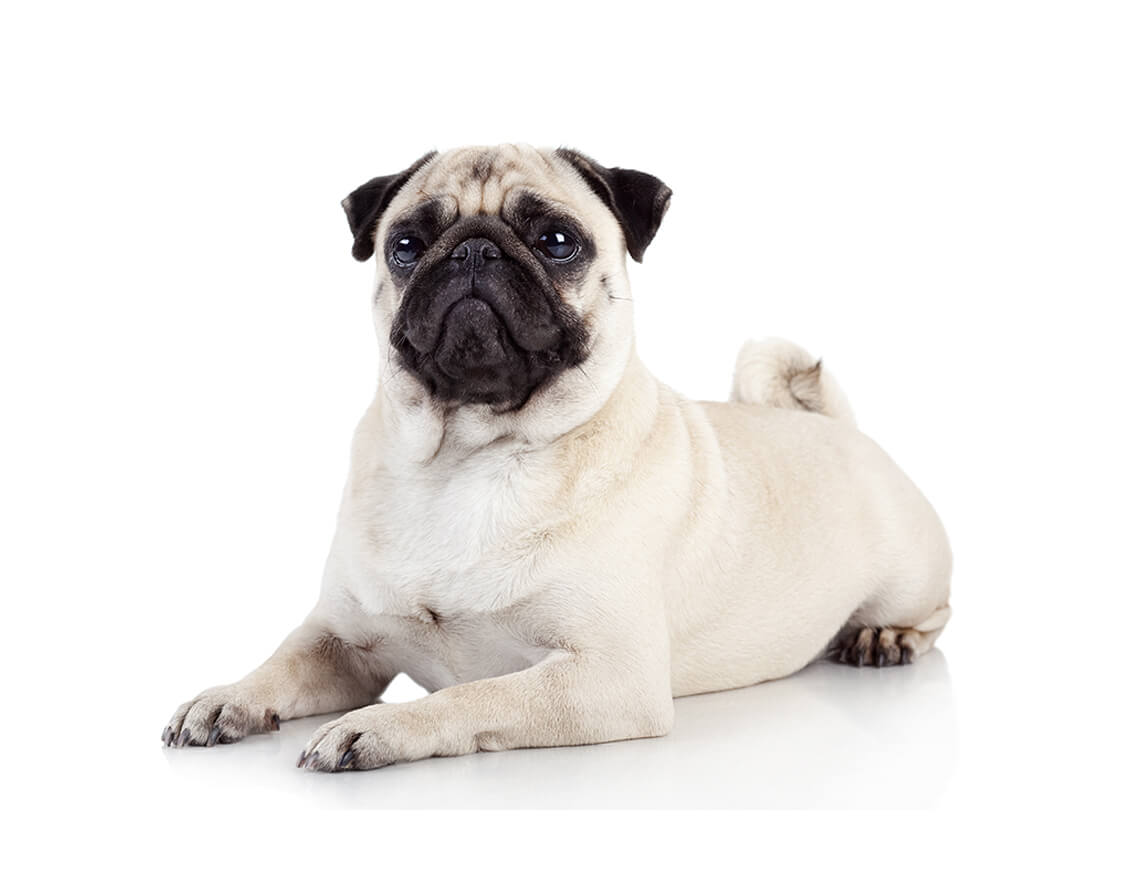
The Pug is a popular toy dog, known for displaying puppy-like antics well into their adulthood. Square, cobby, muscular and surprisingly heavy, pugs wear their coat short, soft and glossy. The flat face, bulging eyes and facial wrinkles divide opinions, but they are enchanting, fun-loving companions.


The need-to-know


  • Dog suitable for non-experienced owners
  • Basic training required
  • Enjoys gentle walks
  • Enjoys walking half an hour a day
  • Small dog
  • Minimum drool
  • Requires grooming once a week
  • Non hypoallergenic breed
  • Quiet dog
  • Guard dog. Barks and alerts
  • Great with other pets
  • Great family dog
Lifespan:
12–15 years
Weight:
6.3–8.1kg
Height:
25–33cm when fully grown
Colours:
Silver, apricot, fawn or black
Size:
Small
Kennel Club group:
Toy
Personality

This charming, good-tempered toy dog is a happy, sociable companion. Pugs are friendly with both owners and strangers, playful, funny and good with other dogs or animals. While pocket-sized, the Pug is still robust enough to cope with family life.


These little dogs have big personalities and are beloved by old and young alike. He can be calm and quiet but he can also have his mischievous, clownish moments. A super companion if you can offer him the time he needs, he does not like to be separated from his loved ones for too long.


History and Origins

Country of Origin: China


This is an ancient breed whose origins have been lost in the mists of time - and indeed there are many theories as to where and how the breed developed.It is however thought that the Pug came from China where it had been known for some time (and may be one of the ancestors of the Pekinese), before accompanying traders to Europe, where they developed largely in the Netherlands - then travelled to England with William III and Mary II when they came to the English throne in 1688.


Nutrition and Feeding

Toy dogs have a fast metabolism, meaning they burn energy at a high rate. They must eat little and often. Small-breed foods are specifically designed with appropriate levels of key nutrients and smaller kibble sizes to suit smaller mouths. This also encourages chewing and improves digestion. Check out our dog feeding guidelines for more information.

Exercise

The Pug needs only about half an hour of dog exercise a day, but he will happily potter around with you all day, and accompany you on errands. Never exercise him in hot weather or keep him in the car when it is even slightly warm, as he can suffer breathing difficulties.

Ideal Owner

The Pug will suit an owner with a sense of humour who wants an affectionate, trainable small dog, willing to go everywhere with them. The Pug doesn’t need much exercise, but be aware that they do like to snore.

Other Information

Health and common issues


The most common health problems are related to the Pug's flat face, which results in obstruction of their airways and a difficulty in breathing. Over-exercising and over-heating are therefore to be avoided. They are also prone to eye problems and like many small breeds, they can suffer from kneecaps that may temporarily slip out of place (luxating patellas).


Space requirements


A Pug is the perfect dog for a small urban space. They don’t need a garden as long as they have access to an outdoor area for exercise and toilet requirements - but they can also enjoy life in the countryside.


Training pugs


It’s easy to underestimate these little dogs, but Pugs can be surprisingly trainable and they will enjoy learning both basic obedience exercises and fun tricks. They should be taught to walk on a lead and harness - as well as learn a reliable recall - not that they generally wander far from their beloved owners!


Best family dog breeds


Pugs make great family dogs and are ideal for those with children. Although they should avoid boisterous games as their eyes can be prone to injury and their breathing restrictions prohibit too much running around especially in the heat. While many dogs are traditionally thought of as being good with children, all dogs and children need to be taught to get on with and respect each other, and be safe together. Even so, dogs and young children should never be left alone together and adults should supervise all interactions between them.


Did you know?


  • Now one of the most popular companion dog breeds, the Pug was made world famous in the film Men in Black (1997), when Mashu, a rescue Pug, played the part of a wise-cracking alien called Frank. He proved so popular that the character was expanded in the sequel made in 2002, by which time Mashu was seven years old and needed make up to cover his grey hairs! In the film he was even required to wear a $9,000 Italian suit. This popularity hasn’t done the breed any favours however as unscrupulous breeders have capitalised in on this sudden public interest. They are one of the most irresponsibly bred and puppy-farmed breeds, leading to a huge increase in health problems.
  • Not everyone loves Pugs however. While Josephine, wife of Napoleon, adored her Pug called Fortune and insisted her slept in her bed, her husband was not so enamoured. His opinion was confirmed when Fortune bit him on their wedding night, and left scars that he would carry for life (history doesn’t tell us exactly where!). He hated all dogs from then on and was convinced they brought him bad luck.


Portuguese Water Dog

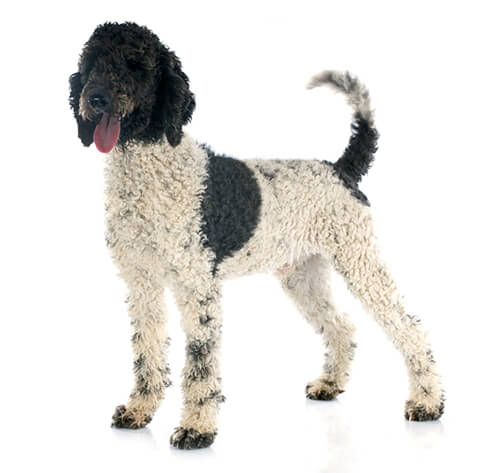
A rectangular, medium-sized, muscular dog, the Portuguese Water Dog comes in two coat types: one with quite long, wavy hair, and the other with shorter, harsh hair with tighter curls. Show dogs are clipped (on the muzzle, hindquarters and part of the tail).


The need-to-know


  • Dog suitable for experienced owners
  • Some training required
  • Enjoys vigorous walks
  • Enjoys walking more than two hours a day
  • Medium dog
  • Minimum drool
  • Requires grooming every other day
  • Hypoallergenic breed
  • Chatty and vocal dog
  • Guard dog. Barks and alerts
  • May require training to live with other pets
  • Great family dog
Lifespan:
12 – 15 years
Weight:
16 – 25kg
Height:
43 – 57cm
Colours:
Black, white, brown, black and white, and brown and white
Size:
Medium
Kennel Club Group:
Working
Personality

Possibly as a by-product of a history of sitting quietly in boats before leaping into action, the Portuguese Water Dog, while extremely active, is surprisingly self-controlled and very trainable. They are friendly, happy dogs who bond closely to their families and who enjoy being a part of everything - but without training and enough exercise and stimulation they can become bored and unruly. Water is, unsurprisingly, a magnet for them!


History and Origins

Country of Origin: Portugal


An ancient breed, the Portuguese Water Dog is closely related to the other waterfowl retrieving dogs of Europe but it is not classed as a gundog as its skills were put to very different uses. Instead of being a retriever, the Portuguese Water Dog was very much a fisherman’s friend working alongside their owners on the southern coast of Portugal - and would herd fish, move nets, retrieve escaped fish and would even take messages from boat to boat. With their keen eyesight, they would alert fishermen to shoals of fish in the water and on foggy nights, they would even act as a canine foghorn, barking to alert other boats to their presence.


Nutrition and Feeding

Your dog's diet needs to have the right balance of all the main nutrient groups including a constant supply of fresh water. It's also important to conduct regular?body condition?scores to ensure you keep your dog in ideal shape, and remember to feed them at least twice daily in accordance with the feeding guidelines of their particular food.

Exercise

The Portuguese Water Dog needs at least an hour and a half’s daily exercise - to include free-running, exploration and sniffing - but preferably much more. They also need plenty of owner interactions in terms of games, interactive toys and training to keep their busy brains occupied. They are real water babies and so if owners can find a hydrotherapy pool or safe swimming opportunities, they will be in heaven!

Other Information

Health and common issues


As with many breeds, the Portuguese Water Dog can suffer from hereditary eye disorders and hip dysplasia (a condition that can lead to mobility problems). Eye testing and hip scoring of dogs prior to breeding is therefore important. They should also be DNA tested for a rare but serious inherited heart condition that can occur in the breed. The breed club monitor the health of the breed carefully and should be contacted for the most up-to-date information and details of any DNA or additional testing they recommend. Breed Clubs can be found on the Kennel Club website.


Space requirements


While not large dogs, the Portuguese Water Dog does need a lot of exercise, and so need a more rural home or daily access to a variety of open spaces. They appreciate a large garden which will need to be well fenced.


Training portuguese water dogs


The Portuguese Water Dog is a smart, intelligent breed who is quick to learn and can easily become the star of any training class - however like many clever dogs, owners need to find ways to motivate them using reward-based methods and by keeping training enjoyable as they have an independent streak and a low boredom threshold that can lead them to going ‘self-employed’ (especially near water!).


Best family dog breeds


With their friendly, self-controlled, gentle nature, the Portuguese Water Dog makes an ideal companion for an active family - and will happily get on with other animals if introduced to them at an early age. While many dogs are traditionally thought of as being good with children, all dogs and children need to be taught to get on with and respect each other, and be safe together. Even so, dogs and young children should never be left alone together and adults should supervise all interactions between them.


Did you know?


  • The last canine residents of the White House were Portuguese Water Dogs. Bo was given to President Obama as a gift from Senator Ted Kennedy, and during his time in Washington he was known as the ‘first dog’. The Obamas were so enchanted by Bo that they got Sunny, another Portuguese Water Dog, as a playmate for him.
  • Portuguese Water Dogs have webbed feet which makes them amazing swimmers.
  • Despite being very fluffy, they have no undercoat which means they don’t really shed.
  • The first account of a Portuguese Water Dog was in 1297 when a monk reported a dying sailor who had been rescued from the sea with a dog with a ‘black coat of rough hair, cut to the first rib and with a tuft on the tip of his tail’.
  • It’s thought that their bloodline influenced other breeds such as the Irish Water Spaniel and the Kerry Blue Terrier.


Toy Poodle

The Toy Poodle is an elegant-looking tiny dog with a slender muzzle and long neck. The coat is profuse and curly and is often styled. The Poodle is a clever, loyal companion with an amazing history considering these gorgeous dogs are one of the oldest breeds.


The need-to-know


  • Dog suitable for non-experienced owners
  • Basic training required
  • Enjoys gentle walks
  • Enjoys walking half an hour a day
  • Small dog
  • Minimum drool
  • Requires grooming every other day
  • Hypoallergenic breed
  • Chatty and vocal dog
  • Not a guard dog
  • Great with other pets
  • Great family dog
Lifespan:
12 – 15 years
Height:
Under 28cm
Colours:
Blue, grey, silver, brown, apricot and cream
Size:
Small
Kennel Club Groups:
Utility
Personality

The Poodle is a lively, sociable and affectionate dog who is both intelligent and amusing, and makes a wonderful and fun companion. They love to be included in all family pursuits and can be good watch dogs, announcing visitors without being aggressive. They bond closely to their owners and so do not like to be left home alone.


History and Origins

Country of Origin: Germany


The original Poodle is the Standard Poodle, a water retrieving dog, So, this is a breed who was always very much a worker. The smaller Poodles (the Toy and the Miniature) were created as smaller versions of the original Poodle for owners who didn’t want such a large dog but were enchanted by their personalities and enthusiasm for all kinds of work. The major influencers in this desire for a smaller Poodle were circuses - who were using this highly intelligent, easy to train, friendly and even comical dog in their shows with great success but found the Standard Poodles just a bit too big.Up until 1907, the Toy Poodle and the Miniature Poodle was both called the Toy Poodle, but as even smaller versions of the breed became popular due to selective breeding, these smaller dogs (under 28cms) became known as Toys while Miniature was used to describe dogs over 28cms but under 38cms.


Nutrition and Feeding

Small dog breeds, such as the Toy Poodle, have a fast metabolism, meaning they burn energy at a high rate, although their small stomachs mean that they must eat little and often. Small-breed foods are specifically designed with appropriate levels of key nutrients and smaller kibble sizes to suit smaller mouths. This also encourages chewing and improves digestion. Discover more about how to offer your dog a balanced diet with our easy-to-follow guide.

Exercise

The Toy Poodle is an active fun dog who enjoys canine exercise and will be happy with an hour every day split into two walks - but will still enjoy dog games, training, interactive toys and being involved in all family activities at the rest of the time too. If under-exercised or bored, they can become overactive and noisy.

Other Information

Health and common concerns


Like many small dog breeds, the miniature Poodle can suffer from kneecaps that may temporarily slip out of place (luxating patellas). They are also prone to a hip condition and an inherited eye disorder that should be tested for.


Space requirements


The Toy Poodle can be a country dog or a city dog - and can live in smaller urban spaces as long as they have access to outside for daily exercise and toileting.


Training toy poodles


Poodles are a joy to train as they are clever, quick to learn and love working with their owner. It’s not just dog training they excel at. They can also turn their paw to dog sports such as mini agility, heelwork to music and even obedience with no problems whatsoever - and in fact training and working with their owner will keep this often-busy little dog happy and relaxed.


Best family dog breeds


The Toy Poodle can make a fabulous family dog but are better for older children and quiet households as, especially as puppies, they are very small and easily injured by rough or boisterous play. While many dogs are traditionally thought of as being good with children, all dogs and children need to be taught to get on with each other and be safe together. Even so, dogs and young children should never be left alone together and adults should supervise all interactions between them.


Did you know?


Poodles - especially the ones you see in the show ring - seem to have all kinds of crazy hairdos but these often flamboyant-looking styles all started off with a purpose. Poodles were originally water-retrieving dogs but their coats could easily get water-logged and pull them down. The answer was to clip off all their hair but leave some around their vital organs to keep them warm, and around any vulnerable joints to protect from injury.


Poodle Standard

The Standard Poodle is a noble, elegant and well-balanced dog, with a slender muzzle and long neck. The famous coat is dense and curly and often styled, but beneath that is a lean, athletic and sporting dog.


The need-to-know


  • Dog suitable for owners with some experience
  • Some training required
  • Enjoys vigorous walks
  • Enjoys walking one to two hours a day
  • Large dog
  • Minimum drool
  • Requires grooming daily
  • Hypoallergenic breed
  • Chatty and vocal dog
  • Not a guard dog
  • Great with other pets
  • Great family dog
Lifespan:
12 – 15 years
Weight:
20 – 32kg
Height:
38cm and over
Colours:
The coat comes in many colours including black, white, blue, grey, silver, brown, apricot and cream
Size:
Large
UK Kennel Club Groups:
Utility
Personality

Do not underestimate the Standard Poodle, despite gaining a foppish and silly reputation due to the exaggerated hair-cuts of the show dogs, the Standard Poodle is a clever, quick-witted, and athletic dog. They are high-spirited and fun-loving, make great watchdogs and will adore taking part in any activity their owners choose to indulge in!


History and Origins

Country of Origin:  Germany


The Standard Poodle is the oldest of the three Poodle sizes and the original, but their exact origins are unknown. Some say they originated in France but it is far more likely that they come from Germany. Their ancestors were the old water dogs of Europe who were famous for their intelligence and skill, and we do know that despite their glamourous appearance, the Poodles original function was as a hard-working water retrieving gundog, and they are still more than capable of doing a day’s work, with some retaining more hunting instinct than others.


Nutrition and Feeding

Large breed dogs, as well as having large appetites, benefit from a different balance of nutrients including minerals and vitamins compared to smaller-breed dogs. Standard Poodles are also prone to bloating and stomach problems; smaller, more frequent meals can help minimise this risk.

Exercise

Standard Poodles take a great deal of exercise and want room to run. Expect an hour to two hours per day of walking and running, plus extra time to train or take part in dog sports and competition. The Standard Poodle may well enjoy swimming, so choose walking routes carefully if you don’t want to deal with a very soggy Poodle!

Other Information

Health and common issues


As with many breeds, The Standard Poodle can suffer from various hereditary eye disorders, and hip dysplasia (a condition that can lead to mobility problems). Eye testing and hip scoring of dogs prior to breeding is therefore important. There is also a high incidence in the breed of a particular hormonal disease (Addison's disease) and a stomach condition (gastric dilation volvulus). The breed club monitor the health of the breed carefully and should be contacted for the most up-to-date information and details of any DNA or additional testing they recommend. Breed Clubs can be found on the Kennel Club website.


Space requirements


Although the breed standard specifies a minimum height, in reality the Standard Poodle is now a fairly tall dog and takes up a reasonable amount of space. You will need dedicated space to bath and groom if you intend on keeping them in a full coat and grooming yourself. A secure garden with good, tall fencing is a must, ideally a flagged or paved yard as a wet lawn will be rapidly turned into a muddy racetrack! Town or country living will be fine as long as there are plenty of places to provide an interesting variety of walks and secure space to run off lead.


Training poodle standard


The Standard Poodle is very intelligent and quick to learn. They love to learn and perform, in fact they are a bit of a show-off, one reason they do so well in the show-ring. They also can excel at all the dog sports – and have a lot of fun doing them too (although owners need a sense of humour as they can also be clownish!). A bored Poodle means trouble, so aim to keep their minds occupied with a variety of training exercises, games and puzzle solving. The Standard Poodle is not hard to train, but you will need to be quick, engaging and fun to work with!


Best family dog breeds


The Standard Poodle can make an excellent family pet, however the space, time and exercise requirements may mean this is not a suitable pet for a busy family with young children. With older children or teens who can help with training, walking and grooming however, they are a fun and active companion. While many dogs are traditionally thought of as being good with children, all dogs and children need to be taught to get on with and respect each other, and be safe together. Even so, dogs and young children should never be left alone together and adults should supervise all interactions between them.


Did you know?


  • Standard Poodles or ‘Spoo’ to their owners, have long been popular with the rich, famous and nobility, from Zsa
  • Zsa Gabor to Louis XXII, the glamorous poodle has a host of notable owners.
  • The coat is traditionally clipped into what may seem frivolous or silly shapes, but this was originally done to provide protection and buoyancy to some areas of the body whilst keeping other areas clear to free up movement and avoid matting.
  • Poodle coats can also be twisted and rubbed into long skinny cords, giving the Poodle a very different look. At home the Poodle can have whatever clip you prefer and their coat constantly grows meaning if you don’t like a particular look, you can have another ‘do’ next time round!
  • Standard Poodle’s rank number 2 on the list of most intelligent dog breeds!
  • A team of Poodle’s once competed in the Iditarod Dog Sled Race, a gruelling 1,150-mile journey through Alaska’s Arctic tundra. Unfortunately, they had to pull out of the race before the first checkpoint as they weren’t cut out for the extreme weather.