Sorry, you need to enable JavaScript to visit this website.
Skip to main content
Most breeders will ask that you wait until your new puppy is eight weeks old before they’ll let you pick them up – which migh
Dog Proof Your Home with a Dog Friendly Garden
1 min read
Most breeders will ask that you wait until your new puppy is eight weeks old before they’ll let you pick them up – which might feel like an eternity! This is a great opportunity to start dog-proofing your home and preparing for your new arrival, so that when you bring your puppy or new dog home, your house will be a safe and welcoming environment.
Puppy Care
Dog Hot Spots and How to Treat Them
1 min read
Hot spots in dogs are a common skin condition. Find out what they are and how to treat them once they show up, so you can get your dog back to their usual happy self. If you’ve noticed your dog itching more than usual and discovered a moist red spot on their skin under their fur, your beloved canine friend might be dealing with a skin condition known as dog hot spots. In this article we will look at what they are and how they can be treated effectively so your dog can get back to their normal happy self. What are dog hot spots? Dog hot spots are areas of infected skin that look red, wet and sometimes raised. Officially known as Moist Dermatitis, hot spots can be found anywhere on the body and can increase in size very quickly. Your dog will experience them as itchy and sometimes painful patches and will often try to soothe hot spots with scratching, licking or biting.
Dog Feeding and Loss of Appetite in Your Dog
1 min read
Although dogs have a reputation for eating anything and everything, some are quite fussy and others can suddenly go off their food. Discover what you can do about your picky dog below. Does your dog shuffle up to their food bowl and sniff disapprovingly, yet the minute you sit down to eat they stare at you with big, begging eyes? If so, it’s probably down to one of two things: your dog may have lost their appetite because they’re feeling unwell, or they’re simply a fussy eater. What causes dogs to lose their appetites? The first thing you need to do is consult your vet to rule out illness, dental problems or a reaction to a vaccination or allergen. If they get the all clear from the vet, it’s time to address the pickiness – for both of your sakes!
Dog Ear Problems: Symptoms, Causes & Treatment
1 min read
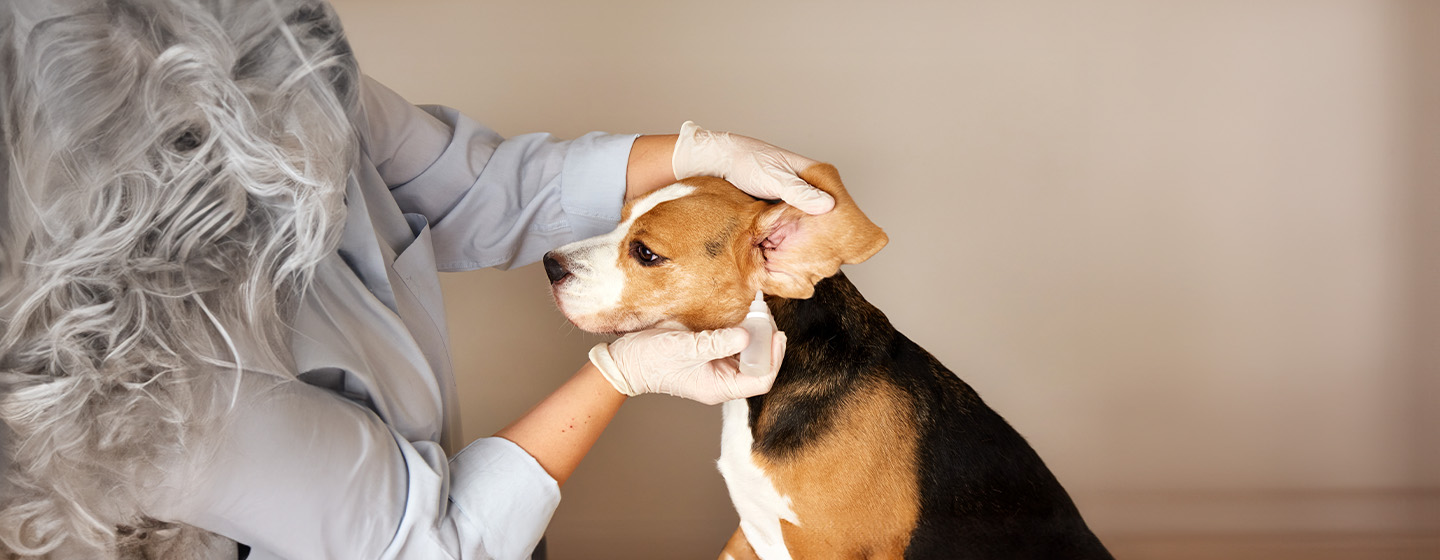
Ear infections in dogs aren’t uncommon, but with the right care and treatment you can keep your dog’s ears nice and clean, and prevent further earache for both of you! Symptoms of dog ear problems Your dog’s ears really benefit from a regular check-up, which is something you can share with them as part of an enjoyable grooming routine. Look out for any changes in your dog’s ear health; you know them best. Your dog's ears should always be clean and without any thick brown or green waxy discharge. There should also be no redness, itchiness or unusual smells coming from them. Unusual behaviour in your canine companion might also indicate a problem. If they start to scratch their ears frequently, shake their head more than normal, hold their head to one side, or rub one side of their face along the carpet or grass, it’s best to take them to your vet for a thorough ear examination. Severe ear problems and ear infections in dogs can have a more serious effect, such as loss of balance, which can be distressing for you both. (Bear in mind that balance loss may also be due to other causes, so always visit your vet for advice in such instances – that way you’ll know if something else is wrong.)
Dog Brain Games
1 min read
Classic games like ‘fetch’ are lots of fun for you and your dog, but exercise isn’t just about running around. Mental exercise is important too, as it can help fight boredom and teach your dog great new skills. Dog brain games can help keep your pet on their toes when it’s too rainy to play outside. They’re also great for dogs of any age – brain games for puppies challenge their developing brains and keep them learning new skills. They can also help keep adult dogs stimulated and may even help senior dogs stay alert and active. We’ve put together five of our favourite brain games for dogs. 1. Treasure hunt This is a great brain game to test your dog’s thinking skills! Hide pieces of your dog’s favourite treat around the house (or if it’s nice outside, the garden) and let them hunt for a tasty reward. Your dog will have to use their nose to scent out the prize. Every time you play this dog brain game, hide the treats in increasingly difficult places to keep things interesting. If your dog loves to follow scents (for example, if you have a scent hound) try leaving a ‘trail’ around the house or garden for them to follow. Just take a delicious-smelling treat, touch it on surfaces around the house in a continuous trail, and hide it at the end. 2. Brain training toys A really simple brain game for dogs involves hiding treats inside a special toy. There are many toys you can buy for this purpose – just put some of your dog’s favourite treat inside, and watch them try to release it. This may involve rolling their toy a certain way, squeezing it, or using sheer determination. Whichever toy you choose, it will help spread their treats or food out over a longer period of time, as well as keeping them occupied.
Dog Allergies: Symptoms, Triggers and Treatment
1 min read
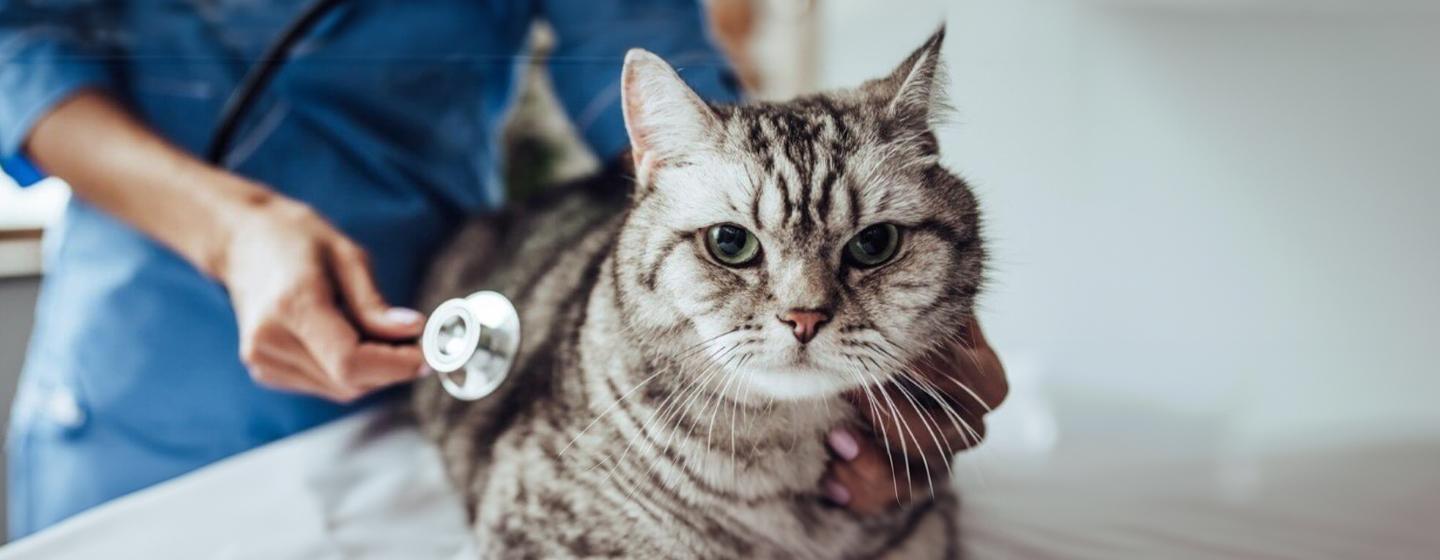
Just like us, our dogs can suffer from certain allergies. Discover what the most common dog allergies are and how they’re diagnosed with Purina. Dog allergies are a reaction to foreign substances in your dog’s immune system – which is the same cause of allergic reactions in humans! Unfortunately, where it’s relatively simple to diagnose allergies in humans, it’s usually quite difficult for dogs as there are many different types of allergies and the symptoms often overlap. This makes it hard to understand which allergies they’re actually suffering from. If you suspect that your dog may be suffering from allergies, you may be wondering about the potential dog allergy symptoms and when to seek help from your vet. Keep reading to find out everything you need to know. Dog skin allergies Skin allergies, also known as allergic dermatitis is one of the most common types of dog allergies. These are usually caused by reactions to flea bites or their surrounding environment such as pollen, dust or mould.
Dog Acne Information and Treatment
1 min read
It may surprise you to learn that dogs can get acne just like humans! Find out all about the causes and symptoms of acne in dogs and what you can do about it here. Much like with humans, dogs can get acne when they start to go through puberty. In dogs, puberty occurs between five to eight months old which is when dog acne will be likely to appear, and in most cases it will disappear on its own by the time they reach one year old. Dog acne is more common than you might think and generally affects the facial area including lips, chins and muzzles. Cases can range from mild to severe and it’s important for dog owners to recognise the signs and know when to seek help from a vet. Keep reading to find out the possible causes and symptoms of dog acne and the currently available treatment options for your dog. Causes of dog acne Acne in dogs is caused by the same things that cause human acne, a combination of excess oily sebum and dead skin cells mixing together which causes the hair follicles to get clogged, resulting in raised and red lumps, blackheads or whiteheads. There can be numerous reasons why this may occur including genetic factors, hormonal changes, food and environmental allergies and in some cases, trauma. Additionally, sometimes dog acne can just be a normal part of adolescence which will occur no matter what preventative measures you may take.
Health
Do Dogs Dream?
Do Dogs Dream?
1 min read
We've all seen the adorable twitch of paws and heard the odd woof whilst our dogs are sleeping, but do dogs really dream? Find out more and learn about what dogs dream about with Purina. All dog owners have seen and heard their pet’s adorable dreamy antics. Maybe you’ve heard a sleepy woof or seen them paddle their paws; perhaps you’ve even noticed a subtle growl. But do dogs really dream? And if they can, then what do dogs dream about? Do dogs dream? Let’s look at this scientifically: we know that human beings have dreams because research has shown that the electrical impulses in the brain can become active during sleep. Researchers have used similar techniques to monitor our canine companions, in order to determine whether those cute night time shuffles are evidence of dreams, or something different. Using an electroencephalogram to test for brain wave activity during sleep in dogs, scientists discovered that we have even more in common with our furry friends than we thought! It seems very likely that dogs do dream, just as we do. Dog sleep patterns and dreams You might already know that human beings have different stages of sleep during the night, and that dreaming is most likely to occur at a specific point in the sleep cycle. Incredibly, this seems to be true for dogs as well! Your pet will enter a stage of sleep known as ‘REM’, which stands for rapid eye movement. At this point, your dog’s breathing will begin to sound more irregular and their eyes will start to move around more rapidly. You may notice their eyelids flickering. It is during this stage of sleep that dog dreams are most likely to happen.
Behaviour & Training
Do cats like music?
Do cats like music?
1 min read
As humans we love music, but do our cats feel the same? Find out how your furry friend feels about music and the research behind it with Purina. We all like to make our pets happy, and we’ve all seen those adorable You Tube videos of our favourite superstar kitties rocking out on the piano! Listening to music can provide mental stimulation, a sense of contentment, or even just a relaxing background vibe—for humans! So it makes sense that we would want to share one of our favourite pastimes with our pets—but do cats like music? And are they getting anything out of listening to it? Do cats like music? Have you ever tried to play your favourite song for your cat? You might have noticed that, no matter how hard the beat drops, your cat shows little to no interest in the music that you are playing to them. In rare circumstances, some cats have found specific music to be calming. Occasionally, cat shelters will choose to play classic music to their residents, believing that it creates a soothing atmosphere. Although cats don’t run away from music (unless you turn it up very loud!), there isn’t a lot of evidence to show that this is the case. If the cats listening to classical music are lying around having a snooze, it’s probably more likely that they were ready for a catnap, rather than lulled to sleep by the likes of Mozart!
Do Cats Always Land on Their Feet?
1 min read
Everyone's heard the saying 'cats always land on their feet', but is there any truth in it? Keep reading to find out how they manage to do it and the amazing science behind it. Everyone has heard the saying ‘cats always land on their feet’ and that this ability means they can survive falls from incredible heights. Some people think it’s due to cats’ incredible balance, and others secretly think it’s magic. It’s a phenomenon that has certainly puzzled scientists for centuries! But is it true, or simply an urban myth? Keep reading to find out if cats always land on their feet and how they do it. Do cats always land on their feet? Cats have an inbuilt balancing system called the “righting reflex” that allows them to orient themselves and land on their feet. But while cats are often able to land the right way up, it’s not the case that they always land on their feet. The height of the fall can affect their ability to land safely. For a long time, cats’ ability to seemingly always land on their feet has had scientists baffled since the early 19th century. Initially, it was thought that when cats were dropped they somehow managed to ‘push off’ the person’s hand. However, a French scientist called Etienne-Jules Marey in 1894 discovered this was not the case. Using a chronophotographic camera, he managed to capture 60 frames a second of a cat’s fall, then he was able to watch in slow-motion and see how cats land on their feet. How do cats always land on their feet? The way cats manage to land on their feet is called the righting reflex.
Behaviour & Training

Pagination

  • First page
  • Previous page
  • …
  • Page 13
  • Page 14
  • Page 15
  • Page 16
  • Page 17
  • Page 18
  • Page 19
  • Page 20
  • Page 21
  • …
  • Next page
  • Last page
Purina Pet Club logo

Join Purina Pet Club for expert tips, helpful advice, exclusive offers and rewards.

Join the Club
Nourishing pets Purina pets grid card
Purina Pet Club logo

Join Purina Pet Club for expert tips, helpful advice, exclusive offers and rewards.

Join the Club
Nourishing pets Purina pets grid card
  • Cat
    • Care & Advice
    • Find a Pet
    • Food
    • Our Brands
  • Dog
    • Care & Advice
    • Find a Pet
    • Food
    • Our Brands
  • About Us
    • Our Mission
    • Our History
    • Our Purina Promise
    • Purina In The Community
  • Other
    • Join Purina Pet Club
    • Breed Selector
    • Contact Us
  • Cat
    • Care & Advice
    • Find a Pet
    • Food
    • Our Brands
  • Dog
    • Care & Advice
    • Find a Pet
    • Food
    • Our Brands
  • About Us
    • Our Mission
    • Our History
    • Our Purina Promise
    • Purina In The Community
  • Other
    • Join Purina Pet Club
    • Breed Selector
    • Contact Us
  • Cat
    • Care & Advice
    • Find a Pet
    • Food
    • Our Brands
  • Dog
    • Care & Advice
    • Find a Pet
    • Food
    • Our Brands
  • About Us
    • Our Mission
    • Our History
    • Our Purina Promise
    • Purina In The Community
  • Other
    • Join Purina Pet Club
    • Breed Selector
    • Contact Us
  • Cat
    • Care & Advice
    • Find a Pet
    • Food
    • Our Brands
  • Dog
    • Care & Advice
    • Find a Pet
    • Food
    • Our Brands
  • About Us
    • Our Mission
    • Our History
    • Our Purina Promise
    • Purina In The Community
  • Other
    • Join Purina Pet Club
    • Breed Selector
    • Contact Us
© 2026 Purina. All Rights Reserved.

©Reg. Trademark of Nestlé S.A.

Terms & Conditions
Privacy Policy
Cookies
© 2026 Purina. All Rights Reserved.

©Reg. Trademark of Nestlé S.A.

Terms & Conditions
Privacy Policy
Cookies
© 2026 Purina. All Rights Reserved.