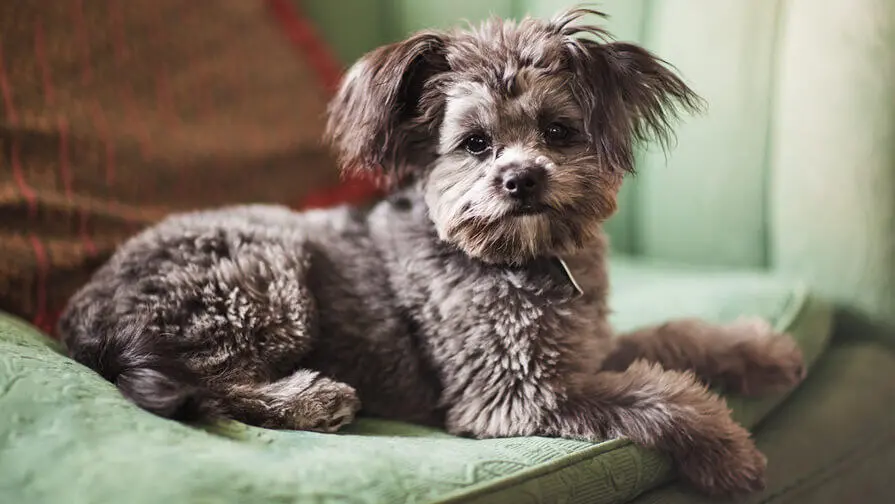
Yorkie Poo (Yorkipoo)
Affectionate, intelligent and with a lot of things to bark about, the Yorkipoo is one of the smaller designer crossbreeds that will feel at home even in the smallest apartment. While still not common in the UK, this crossbreed is growing in popularity due to their fun-loving personality and cute looks. The breeds that make up the Yorkipoo are the Yorkshire Terrier and the Poodle (Toy or sometimes Miniature).
The Yorkipoo can be a first cross (with one Yorkshire Terrier and one Poodle parent), they can be bred back to one of the original breeds - either size of Poodle - or be two Yorkipoos bred together. This means there are varieties in size, shape, colours and coat types, but in all cases this is a small companion dog.
The need-to-know
- Dog suitable for non-experienced owners
- Basic training required
- Enjoys gentle walks
- Enjoys walking an hour a day
- Little toy dog
- Minimum drool
- Requires grooming daily
- Non hypoallergenic breed
- Chatty and vocal dog
- Not a guard dog
- May require training to live with other pets
- May require training to live with kids
Personality

Like most crossbreeds, the personality of a Yorkipoo depends on the parents and how they have been bred and reared.
The Yorkshire Terrier is an intelligent, lively terrier who can sometimes forget they are a small dog! They are fearless, tenacious and protective, but they won’t say “no” to a good game of fetch or an afternoon full of brain puzzles. Constantly on the go, they will want to be a part of everything their owner does.
History and Origins
Like many of the designer crossbreeds, the Yorkipoo originated in the United States in a quest to find a small companion dog that didn’t shed and that would fit into any family’s lifestyle no matter how small their home and garden.To understand more about the origin of the breed requires an understanding of the two breeds that go into the formation of the Yorkipoo.
Nutrition and Feeding
One of the characteristics of toy dog breeds is their fast metabolism. Because they burn energy at a high rate, they must eat little and often. Small-breed foods are specifically designed with appropriate levels of key nutrients and smaller kibble sizes to suit smaller mouths. This also encourages chewing and improves digestion. Your dog's diet needs to have the right balance of all the main nutrient groups including a constant supply of fresh water. It's important to conduct regular body condition scores to ensure you keep your dog in ideal shape and remember to feed him at least twice daily and in accordance with the dog feeding guidelines of his particular food.
Exercise
While this is a surprisingly active small dog, the Yorkipoo will be happy with half an hour to an hour’s walking each day and plenty of games and owner interaction. Without this exercise they can get bored, noisy and possibly destructive.
Ideal Owner
The Yorkipoo would suit an owner or a family with older sensible children. They will feel right at home in smaller properties with an owner looking for a fun companion who doesn’t need great deal of exercise. They can be noisy dogs as both Poodles and Yorkies have a lot to say for themselves. They do not like to be left alone and so would need an owner who is either at home most of the time or can take their dog with them wherever they go.
Other Information
Health and common issues
Crossbreeds aim to dilute or eliminate any inherited health issues that may exist within one or other of the breeds. This dilution or elimination is likely in two cases: if only one parent is the carrier of any particular condition and where this is a first cross (F1). As this can’t always be guaranteed, all parents should be health tested prior to breeding: Yorkshire Terriers - this is a fairly healthy long-lived breeds but like many small dogs can have issues with luxating patella and there are other health issues that require owners to ensure they get puppies form a reputable source Poodle - eye tests and hip scoring should be done Information on health tests for both breeds can be found on the Kennel Club’s website. Separation related behaviour problems are common in the Yorkipoo, but thankfully they are small enough to pretty much go anywhere with their owner. The Yorkipoo can be a bit of a barker - especially if bored or if left alone. Toilet training can be slow in this breed, so make sure you approach this task with patience and consistency and you’ll soon see results.
Space requirements
This is a small dog who can live in a flat or a smaller property as long as they have access to the outdoors for toileting and walks.
Training the yorkipoo
The Yorkipoo is far cleverer than many people think as both breeds that make up this cross have a working ancestry. Make sure you include plenty of dog tricks and games to their daily routine and you’ll have a happy dog. They should also be trained to walk on a lead and harness, as well as come back when called. While this may look like a cute fluffy dog, don’t forget the Yorkshire Terrier’s past as they can and will chase (and given half a chance, catch) rodents, squirrels and even pursue the neighbour’s cat! Early and ongoing dog socialisation is recommended so they can gain confidence with people, dogs and cats if necessary. Teaching the Yorkipoo to enjoy gentle handling is important as this is a small dog who can easily feel overwhelmed and resort to using their teeth.
Family friendly dog breeds
The Yorkipoo makes a fun family companion who can be surprisingly game and feisty but as they are small and rather delicate, they suit families with older sensible children.