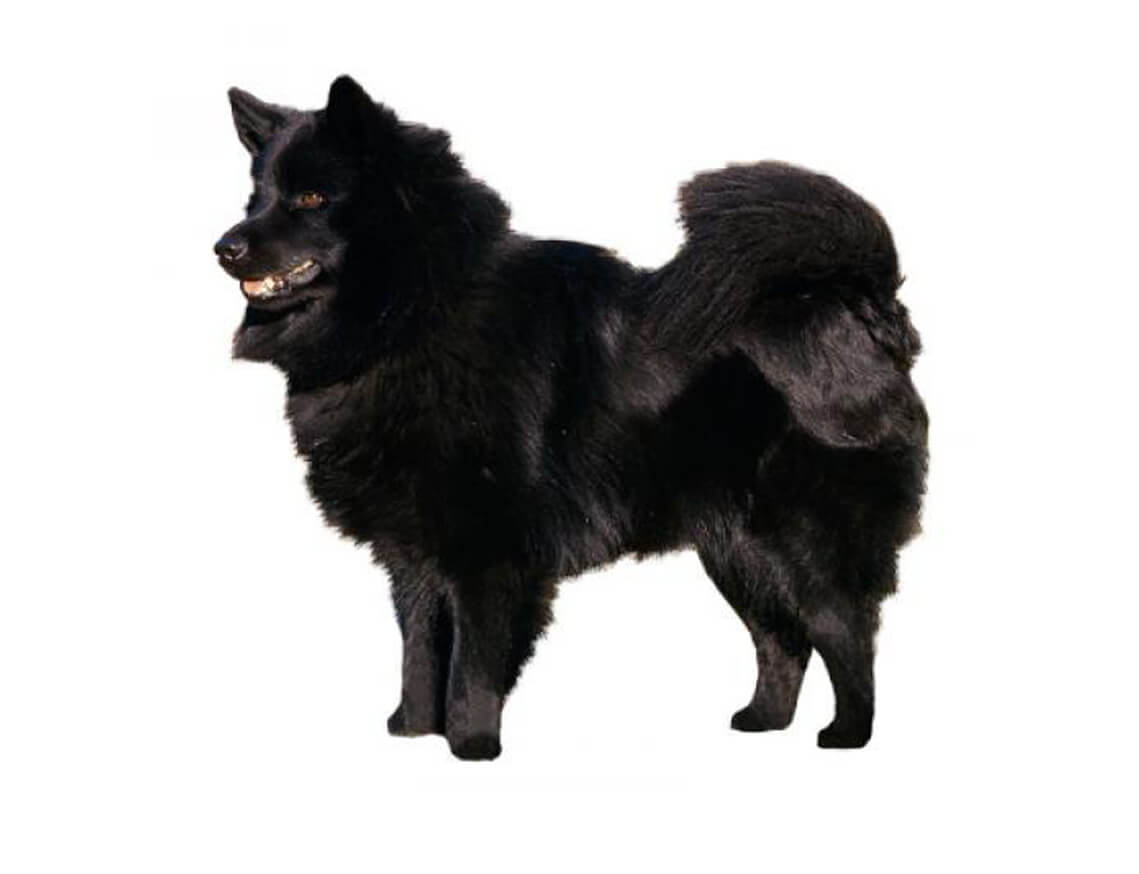
Swedish Lapphund
Medium-sized and with the typical spitz characteristics of thick plush coat, curly tail and prick ears, the Swedish Lapphund is an intelligent and attractive dog. Coats come in bear-brown, black, brown or black and brown. Slightly longer than they are tall, the Swedish Lapphund is rectangular in outline.
The need-to-know
- Dog suitable for owners with some experience
- Some training required
- Enjoys active walks
- Enjoys walking an hour a day
- Medium dog
- Minimum drool
- Requires grooming every other day
- Non hypoallergenic breed
- Very vocal dog
- Guard dog. Barks and alerts
- May require training to live with other pets
- May require training to live with kids
Personality

Hardy, faithful, alert and intelligent, the Swedish Lapphund makes a fun companion for those who like spitz breed traits. They are vocal and this is a function the breed has been selected for, so they will alert to any suspicious movement or activity. This breed also retains a desire to hunt and to herd and so careful management and ownership is necessary to ensure they don't get themselves into trouble!
History and Origins
Country of Origin: Sweden Bred initially as a hunting dog, the Swedish Lapphund lived with the nomadic Sami people in Lapland, where they also herded reindeer and acted as companions and watchdogs. Archaeological remains of dogs of this medium-sized spitz type have been found dating back to 7000 years ago, making this type of dog very old indeed and possibly one of the oldest European breeds. Despite their history, the Swedish Lapphund has only been officially recognised as a breed since 1944, when the FCI adopted the first breed standard. Today the Swedish Lapphund is typically a companion dog and show dog.
Nutrition and Feeding
The Sweddish Lapphund needs to have a balanced dog diet including all the main nutrient groups and a constant supply of fresh water. It's also important to conduct regular body condition scores to ensure you keep your dog in ideal shape, and remember to feed them at least twice daily in accordance with the feeding guidelines of their particular food.
Exercise
The Swedish Lapphund is a dog who will need an hour a day of dog physical exercise, ideally more. They will also need time dedicated to training and puzzle solving to keep their clever minds active and fulfilled. A bored, under-exercised Lapphund will not be a pleasant or quiet companion. Thriving in cold weather and not put off by a bit of rain, the Lapphund does need exercise even in the worst weather. In the summer heat, exercise early in the morning and later at night to avoid your dog experiencing heat-stroke.
Other Information
Health and common concerns
The Swedish Lapphund is generally a healthy breed, but as with many breeds, hereditary eye disorders and hip dysplasia (a condition that can lead to mobility problems) can arise. Eye testing and hip scoring of dogs prior to breeding is therefore recommended.
Space requirements
The Swedish Lapphund does not require a huge home, however with their vocal nature and agile physical skills, a rural or rural suburbs home would be best. In the busier suburbs or city and more densely packed housing, the Lapphunds vocal nature may prove problematic. With their dense coats, this is a dog that doesn’t enjoy central heating or overly warm homes.
Training swedish lapphund dogs
This is an independent minded dog with a quick brain so you’ll need to be on top of your canine training game to get the best out of the Swedish Lapphund! Using positive reinforcement, food and toys to motivate, it is possible to train the Lapphund to a high level and they will enjoy activities such as mantrailing, Rally, and scent-work-based games. Pay attention to early dog socialisation and training a solid and reliable recall, as this is a breed who will want to chase and hunt.
Best family dog breeds
Better suited to the outdoor family who enjoy a lot of walking and training. Possibly not suited to families with very small children as their hunting and herding nature may not be suited to busy family life. While many dogs are traditionally thought of as being good with children, all dogs and children need to be taught to get on with each other and be safe together. Even so, dogs and young children should never be left alone together and adults should supervise all interactions between them.
Did you know?
The Swedish Lapphund is a very versatile dog, originally bred to hunt reindeer, when the Sami peoples began herding the breed was easily retrained to herd instead of hunt. They were also used to hunt elk, foxes and birds, which all require different skills from the dog! They are the oldest of Sweden’s nine native breeds, and are the National Dog of Sweden.