Puggle

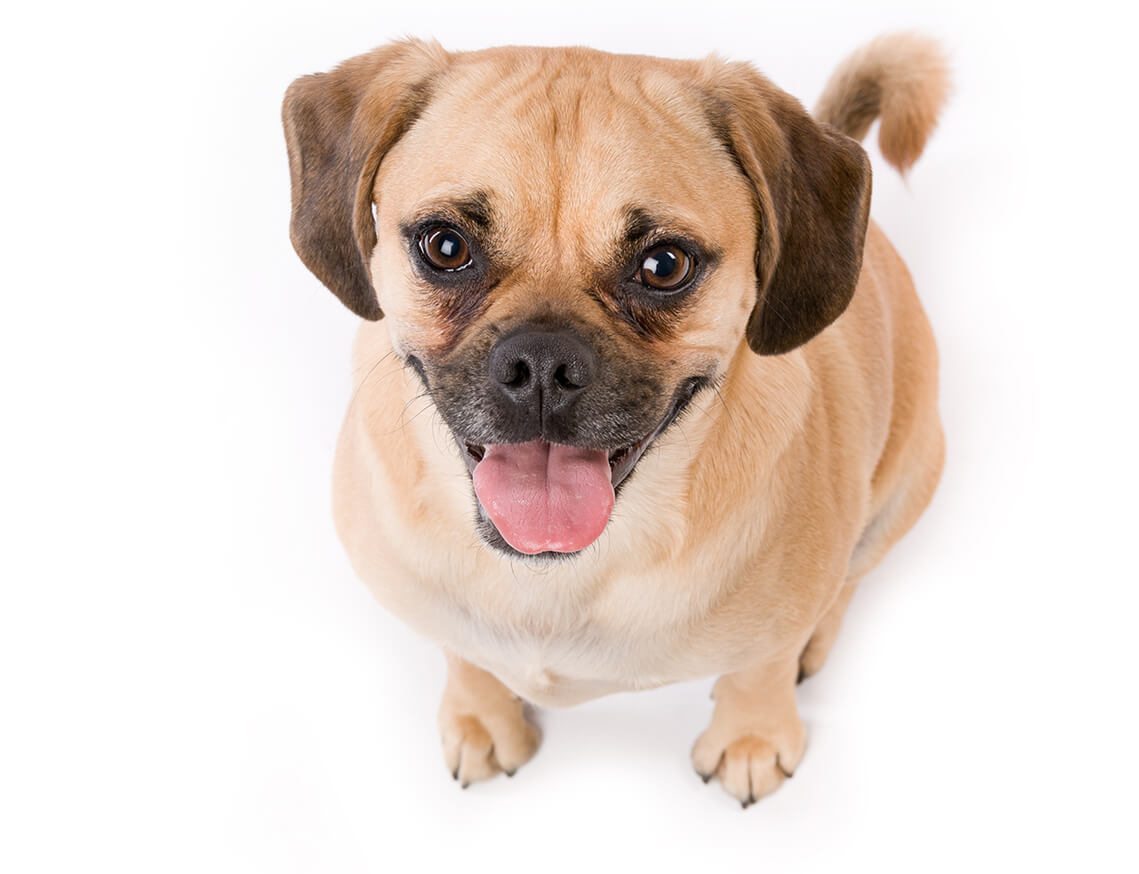
The Puggle is one of the many designer crossbreeds that has become popular in the US and is slowly growing in popularity around the world. The breeds that make up the Puggle are two fun-loving canines, the Pug and the Beagle. With such adorable parents, the Puggle is bound to inherit some of their good looks and traits.

However, when it comes to Puggle dogs, there are plenty of varieties in size, shape and colours, depending on how they’ve been bred. The Puggle can be a first cross (with one Beagle and one Pug parent), they can be bred back to one of the original breeds or be two Puggles bred together.


The need-to-know


  • Dog suitable for non-experienced owners
  • Basic training required
  • Enjoys gentle walks
  • Enjoys walking an hour a day
  • Medium dog
  • Some drool
  • Requires grooming once a week
  • Hypoallergenic breed
  • Chatty and vocal dog
  • Not a guard dog
  • May require training to live with other pets
  • Great family dog
Height:
The usual height of a Puggle varies widely depending on the parents, but it can be up to 40cm. Beagle - 33-40cm. Pug - another breed classified by weight and not height 6.3-8kgs.
Colours:
The colours of a Puggle vary as well as they’re a mixture of the two parents and their extremely diverse coat colours. Beagle: Tricolour; blue, white and tan; white and tan; badger pied; hare pied; lemon pied; lemon and white; red and white; tan and white
UK Kennel Club Groups:
Toy (Pug) and Hound (Beagle)
Personality

Like most crossbreeds, the personality of a Puggle depends on the parents and how they have been bred and reared. But both parents are affectionate, cheerful, friendly dogs, traits that the Puggle puppy will no doubt choose from.


The Beagle is a happy, easy-going dog who is full of life and fun to be around. Beagles are good-natured and, as they were bred to be pack animals, will get along with most other dogs. They love children but need to be exposed to cats at an early age in order to develop good relationships with them. However, they may never be safe with strange cats or small furries. The Beagle is a good watchdog, barking at anything unusual, although once the burglar is indoors, the Beagle may prefer a game with him!


History and Origins

To understand more about the origin of the breed we need to look at the two breeds that go into the formation of the Puggle.Country of origin: China


The Pug is an ancient breed whose origins have been lost in the mists of time.It is however thought that the Pug came from China where it had been known for some time (and may be one of the ancestors of the Pekinese), before accompanying traders to Europe, where they developed largely in the Netherlands. They then travelled to England with William III and Mary II when they came to the English throne in 1688.


Nutrition and Feeding

Your dog's diet needs to have the right balance of all the main nutrient groups including a constant supply of fresh water. It's important to conduct regular body condition scores to ensure you keep your dog in ideal shape, and remember to feed him at least twice daily in accordance with the dog feeding guidelines of his particular food.

Exercise

With such different parents, the exercising needs of a Puggle are difficult to predict. It depends whether this breed turns out to be more Pug or more Beagle! A Pug doesn’t need much exercise and with their flattened face and breathing problems can’t walk very far. A Beagle however will happily walk all day.

Other Information

Beagle


  • The Beagle is the smallest of the British pack-hounds and was developed many centuries ago to hunt hare and rabbits. They were developed as ‘foot hounds’, for hunters to follow on foot rather than horse-back, hence their diminutive size when compared to larger pack hounds such as the Foxhound.
  • Most hounds were owned by nobility and the Beagle was no different. For a while it was known as the ‘Royal Beagle’ but the ability to be able to follow them without a horse, made them become more popular with less regal sportsmen as well. Their cheerful disposition won them many devotees from outside of the sporting field and they moved from the hunting field to the show ring with ease at the end of the 19th century. It is now one of the most popular of the hounds and a much-loved companion dog.
  • The Puggle can have any combination of the two breeds in their appearance, behaviour, temperament and nose length.


Health and common issues


One of the aims of crossbreeds is to dilute or eliminate any inherited health issues that may exist within one or other of the breeds. This dilution or elimination is only likely if only one parent is the carrier of any particular condition, and where this is a first cross (F1). As this can’t always be guaranteed, all parents should be health tested prior to breeding: The Beagle is a largely healthy dog but there are DNA tests that should be done in this breed. The Pug might have several health issues. With their flattened face and short nose, they can have breathing problems, as well as issues with their skin, eyes, and teeth. There are several health tests that should be done including Hemivertebrae testing, patella testing, and Pug Dog Encephalitis DNA test. Information on health tests for both breeds can be found on the Kennel Club’s website or find out more about brachycephalic breeds here.


Space requirements


The Puggle is a small to medium-sized dog who can live in a flat or a smaller property as long as they have access to the outdoors for toileting and walks. But they will also be happy as a country dog.


Training puggle dogs


The Pug is surprisingly trainable (within their physical limitations) whereas the Beagle is very much a hound and often listens to his nose more than his owner! The Puggle puppy can be anywhere between the two parents when it comes to training preferences. They should however be taught to walk on a lead and harness. Attempts to teach a reliable recall should definitely be made!


Family friendly dog breeds


The Puggle can make a great family dog as they love everyone.


Did you know?


Puggles are known to be skilled escape artists. This is why owners are advised to make sure their surroundings, especially gardens, are secure before welcoming a Puggle in the home.


Yorkie Poo (Yorkipoo)

Affectionate, intelligent and with a lot of things to bark about, the Yorkipoo is one of the smaller designer crossbreeds that will feel at home even in the smallest apartment. While still not common in the UK, this crossbreed is growing in popularity due to their fun-loving personality and cute looks. The breeds that make up the Yorkipoo are the Yorkshire Terrier and the Poodle (Toy or sometimes Miniature).

The Yorkipoo can be a first cross (with one Yorkshire Terrier and one Poodle parent), they can be bred back to one of the original breeds - either size of Poodle - or be two Yorkipoos bred together. This means there are varieties in size, shape, colours and coat types, but in all cases this is a small companion dog.


The need-to-know


  • Dog suitable for non-experienced owners
  • Basic training required
  • Enjoys gentle walks
  • Enjoys walking an hour a day
  • Little toy dog
  • Minimum drool
  • Requires grooming daily
  • Non hypoallergenic breed
  • Chatty and vocal dog
  • Not a guard dog
  • May require training to live with other pets
  • May require training to live with kids
Height:
The height of a Yorkipoo depends on the size of the Poodle used so it can vary widely from 20cm to 38cm; Yorkshire Terrier - 18-20cm; Poodle - Toy under 28cm; Miniature between 28-38cm
Colours:
The colours of a Yorkipoo can be any of the solid colours of their parents, with or without white markings. Yorkshire Terrier: Steel blue and tan; Poodle: All solid colours
UK Kennel Club Groups:
Toy (Yorkshire Terrier) and Utility (Poodle)
Personality

Like most crossbreeds, the personality of a Yorkipoo depends on the parents and how they have been bred and reared.


The Yorkshire Terrier is an intelligent, lively terrier who can sometimes forget they are a small dog! They are fearless, tenacious and protective, but they won’t say “no” to a good game of fetch or an afternoon full of brain puzzles. Constantly on the go, they will want to be a part of everything their owner does.


History and Origins

Like many of the designer crossbreeds, the Yorkipoo originated in the United States in a quest to find a small companion dog that didn’t shed and that would fit into any family’s lifestyle no matter how small their home and garden.To understand more about the origin of the breed requires an understanding of the two breeds that go into the formation of the Yorkipoo.

Nutrition and Feeding

One of the characteristics of toy dog breeds is their fast metabolism. Because they burn energy at a high rate, they must eat little and often. Small-breed foods are specifically designed with appropriate levels of key nutrients and smaller kibble sizes to suit smaller mouths. This also encourages chewing and improves digestion. Your dog's diet needs to have the right balance of all the main nutrient groups including a constant supply of fresh water. It's important to conduct regular body condition scores to ensure you keep your dog in ideal shape and remember to feed him at least twice daily and in accordance with the dog feeding guidelines of his particular food.

Exercise

While this is a surprisingly active small dog, the Yorkipoo will be happy with half an hour to an hour’s walking each day and plenty of games and owner interaction. Without this exercise they can get bored, noisy and possibly destructive.

Ideal Owner

The Yorkipoo would suit an owner or a family with older sensible children. They will feel right at home in smaller properties with an owner looking for a fun companion who doesn’t need great deal of exercise. They can be noisy dogs as both Poodles and Yorkies have a lot to say for themselves. They do not like to be left alone and so would need an owner who is either at home most of the time or can take their dog with them wherever they go.

Other Information

Health and common issues


Crossbreeds aim to dilute or eliminate any inherited health issues that may exist within one or other of the breeds. This dilution or elimination is likely in two cases: if only one parent is the carrier of any particular condition and where this is a first cross (F1). As this can’t always be guaranteed, all parents should be health tested prior to breeding: Yorkshire Terriers - this is a fairly healthy long-lived breeds but like many small dogs can have issues with luxating patella and there are other health issues that require owners to ensure they get puppies form a reputable source Poodle - eye tests and hip scoring should be done Information on health tests for both breeds can be found on the Kennel Club’s website. Separation related behaviour problems are common in the Yorkipoo, but thankfully they are small enough to pretty much go anywhere with their owner. The Yorkipoo can be a bit of a barker - especially if bored or if left alone. Toilet training can be slow in this breed, so make sure you approach this task with patience and consistency and you’ll soon see results.


Space requirements


This is a small dog who can live in a flat or a smaller property as long as they have access to the outdoors for toileting and walks.


Training the yorkipoo


The Yorkipoo is far cleverer than many people think as both breeds that make up this cross have a working ancestry. Make sure you include plenty of dog tricks and games to their daily routine and you’ll have a happy dog. They should also be trained to walk on a lead and harness, as well as come back when called. While this may look like a cute fluffy dog, don’t forget the Yorkshire Terrier’s past as they can and will chase (and given half a chance, catch) rodents, squirrels and even pursue the neighbour’s cat! Early and ongoing dog socialisation is recommended so they can gain confidence with people, dogs and cats if necessary. Teaching the Yorkipoo to enjoy gentle handling is important as this is a small dog who can easily feel overwhelmed and resort to using their teeth.


Family friendly dog breeds


The Yorkipoo makes a fun family companion who can be surprisingly game and feisty but as they are small and rather delicate, they suit families with older sensible children.


Cavachon

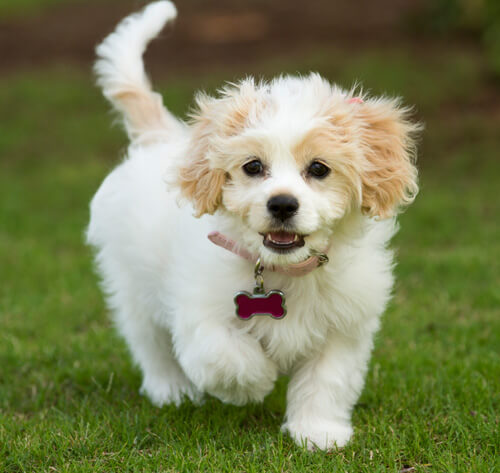
The Cavachon is one of the smaller designer crossbreeds and while more common in the US, is slowly growing in popularity around the world. The breeds that make up the Cavachon are the Cavalier King Charles Spaniel and the Bichon Frise.

The Cavachon can be a first cross (with one Cavalier and one Bichon parent) or they can be bred back to one of the original breeds or be two Cavachons bred together - so there are varieties in size, shape, colours and coat types but in all cases, this is a small companion dog.


The need-to-know


  • Dog suitable for non-experienced owners
  • Basic training required
  • Enjoys gentle walks
  • Enjoys walking an hour a day
  • Little toy dog
  • Minimum drool
  • Requires grooming daily
  • Non hypoallergenic breed
  • Quiet dog
  • Not a guard dog
  • Great with other pets
  • May require training to live with kids
Lifespan:
10–15 years
Weight:
4.5–9kg
Height:
24–34cm
Colours:
The colours of the Cavachon can be any colouring that’s common to the Cavalier King Charles Spaniel or the Bichon Frise, including: Black and tan; ruby; Blenheim; tricolour or white
Size:
Small
Personality

Like most crossbreeds, the personality of a Cavachon depends on the parents and how they have been bred and reared, but both the Cavalier King Charles Spaniel and Bichon Frise are affectionate dogs who bond closely to their owners.


The Cavachon is a toy companion dog who will enjoy training, games and being part of everything their owner does – and will want to go everywhere with them.


History and Origins

The Cavachon originated in North America in 1996 in a bid to create a small, fun, and trainable companion dog that had fewer health issues and would fit into any family’s lifestyle, no matter how small their home and garden.Where the intentional breeding of the Cavachon is fairly recent, the two breeds that brought the breed into being have a much deeper history. The Cavalier King Charles spaniel for one is the latest of the English Toy Spaniels, originally bred in the 1920s in an attempt to recreate the famous dogs of King Charles. Up until the 19th century, the King Charles Spaniel had a pointed muzzle but in the Victorian era it became fashionable to breed dogs with shorter faces and before long the King Charles became a flat-faced breed. However, in 1926 an American called Roswell Eldridge visited England and was saddened that he couldn’t see the dogs so often depicted in art, so he set to reinstating the longer snouted variant. This started a movement leading to the formation of the Cavalier King Charles Club in 1928 and finally in 1945, they were recognised as two separate breeds.

Nutrition and Feeding

Toy dogs have a fast metabolism, meaning they burn energy at a high rate, although their small stomachs mean that they must eat little and often. Small-breed foods are specifically designed with appropriate levels of key nutrients and smaller kibble sizes to suit smaller mouths. This also encourages chewing and improves digestion.

Exercise

The Cavachon will be happy with an hour’s walking each day, as long as they have plenty of games, training and owner interaction.

Other Information

Health and common issues


One aim with crossbreeds is to dilute or eliminate any inherited health issues that may exist within the breeds. This dilution or elimination is only likely if only one parent is the carrier of any particular condition, and where this is a first cross (F1). As this can’t always be guaranteed, all parents should be health tested prior to breeding: Cavalier King Charles Spaniel – sadly this is a breed that is prone to several serious health problems including eye problems, mitral valve disease and syringomyelia. It’s very important to get puppies from only the most reputable breeders. Bichon Frise – is a generally healthy dog but eye testing should be carried out.


Space requirements


This is a small dog who can live in a flat or a smaller property as long as they have access to the outdoors for toileting and walks.


Training cavachons


The Cavachon is a clever dog who will enjoy training as well as learning tricks and games. They should be trained to walk on a lead and harness and come back when called. They can excel in dog sports such as mini agility and heelwork to music.


Best family dog breeds


The Cavachon makes a fun companion and they suit families with older sensible children or children who would like to get into training or dog sports. They can happily live with cats and other small dogs.


Did you know?


  • As the Cavachon is a mixed breed, it currently isn’t recognised by the UK Kennel Club.
  • If socialised at an early age, the Cavachon can get along well with cats due to their smaller size.
  • Cavachon’s are intelligent and curious, so they excel at learning tricks.


Goldador

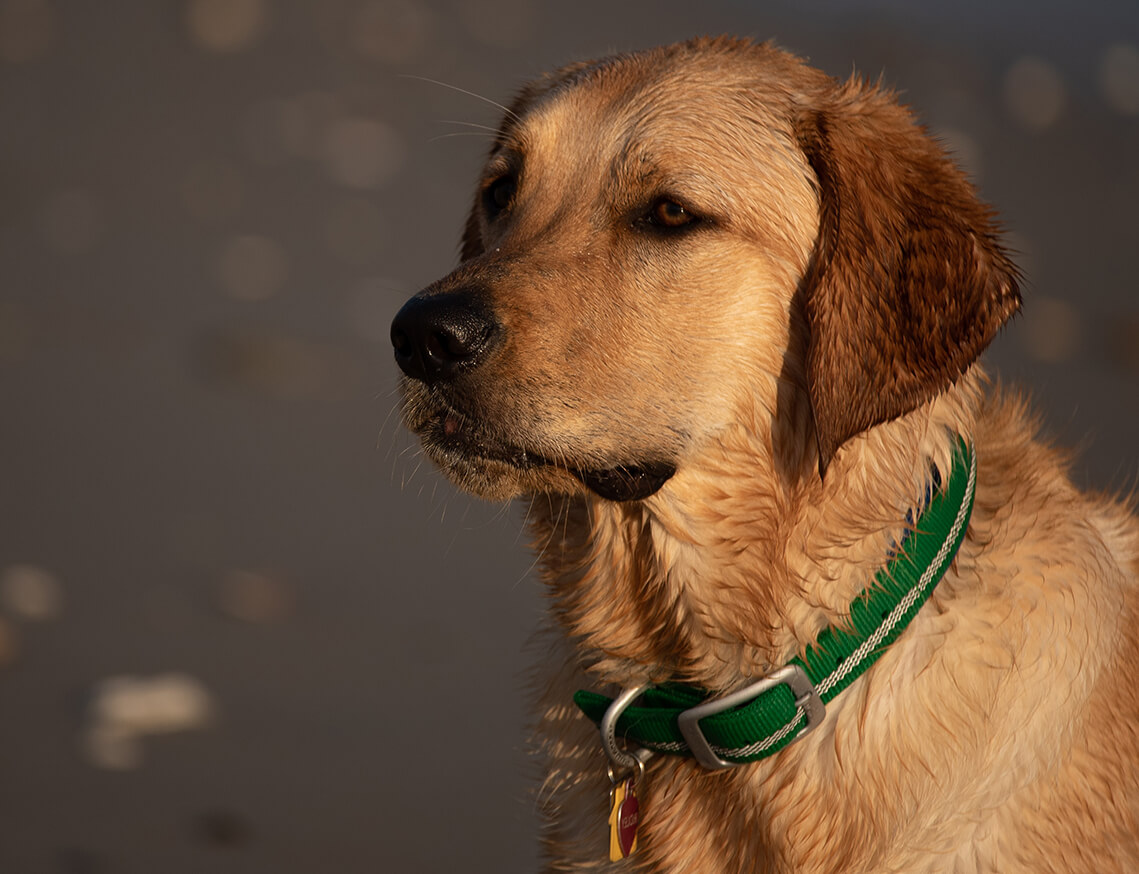
The Goldador is a fairly common crossbreed of the Labrador Retriever and the Golden Retriever. Usually already successful working dogs will be mixed to produce puppies who will be further suited to work as guide dogs, assistance dogs, search and rescue dogs or working gundogs.

The Goldador can be a first cross (with one Labrador Retriever and one Golden Retriever parent), can be bred back to one of the original breeds, or be two Goldadors bred together.


The need-to-know


  • Dog suitable for non-experienced owners
  • Some training required
  • Enjoys vigorous walks
  • Enjoys walking one to two hours a day
  • Large dog
  • Minimum drool
  • Requires grooming every other day
  • Non hypoallergenic breed
  • Quiet dog
  • Not a guard dog
  • Great with other pets
  • Great family dog
Height:
33 – 61cm
Colours:
The Goldador can be any of the colours common to the Labrador or Golden Retriever including: black; yellow; liver; cream or chocolate
Size:
Large
Personality

Like most crossbreeds, the personality of a Goldador depends on the parents and how they have been bred and reared, but the breeds are very similar in their personalities.


History and Origins

The Goldador was first created over a decade ago in a bid to create a sensitive and tolerant working dog. The mixing of the Golden Retriever and Labrador Retriever was so successful that organisations that train guide and assistance dogs frequently use these crosses today.As the Goldador is a relatively recent breed, it requires more of an understanding of the two breeds that go into the formation of the Goldador.

Nutrition and Feeding

Large breed dogs, as well as having large appetites, benefit from a different balance of nutrients including minerals and vitamins compared to smaller-breed dogs. Goldadors like most large breed dogs can be prone to bloating and stomach problems; smaller, more frequent meals can help minimise this risk. Your dog's diet needs to have the right balance of all the main nutrient groups including a constant supply of fresh water. It's important to conduct regular body condition?scores to ensure you keep your dog in ideal shape, and remember to feed them at least twice daily in accordance with the feeding guidelines of their particular food.

Exercise

Both the breeds that make up the Goldador are highly active and enjoy exercise and will be happy with two hours plus every day. They will also enjoy games, training, interactive toys and being involved in all family activities too.

Other Information

Health and common issues


One aim with crossbreeds is to dilute or eliminate any inherited health issues that may exist within one or other of the breeds. This dilution or elimination is only likely if only one parent is the carrier of any particular condition, and where this is a first cross (F1). As this can’t always be guaranteed, all parents should be health tested prior to breeding: Labrador Retriever - eye tests and hip and elbow scoring should be done, and there are several DNA tests that may be required too Golden Retriever - eye tests and hip and elbow scoring should be done, and there are several DNA tests that may be required too


Space requirements


The Goldador is a large, country dog and so needs a good-sized living space. Plus, they are very active and will appreciate a large garden and access to the great outdoors for the long walks they will need.


Training goldadors


This is a very active dog who enjoys work and is very social, wanting to be involved with everything. They are a joy to train as both the breeds are intelligent, love working with their owner and can learn pretty much anything you want to teach them (hence their success as working dogs and as assistance dogs). But like all clever dogs, they will learn bad habits as quickly as good ones, so reward-based training should start early and be ongoing. Giving Goldadors a job to do helps to keep their brains and bodies occupied. Also be sure to give them plenty of opportunities to work with their owner as they love to please. Spend time training them to give back the things that they find, as unsurprisingly, both breeds enjoy carrying things around and it’s good to be able to get things back that are either dangerous or expensive!


Best family dog breeds


If the Goldador is sourced from a reliable breeder and well-trained from puppyhood, they will make fabulous family dogs, be a total joy to own and will get on with everyone. In other words, almost the perfect dog! However, an untrained or bored Goldador can easily become unruly and overly boisterous, so always make sure they’re given enough exercise and are mentally stimulated.


Did you know?


  • Thanks to the Goldador’s kindly nature and intelligence, they’ve been used as guide dogs, service dogs, search and rescue dogs, bomb detection dogs and even therapy dogs!
  • The Guide Dogs for the Blind Association states that the Goldador is their most successful guide dog out of all the breeds in their programme.
  • Despite their popularity, they’re not currently recognised by the UK Kennel Club as they’re a mixed breed.


Zuchon

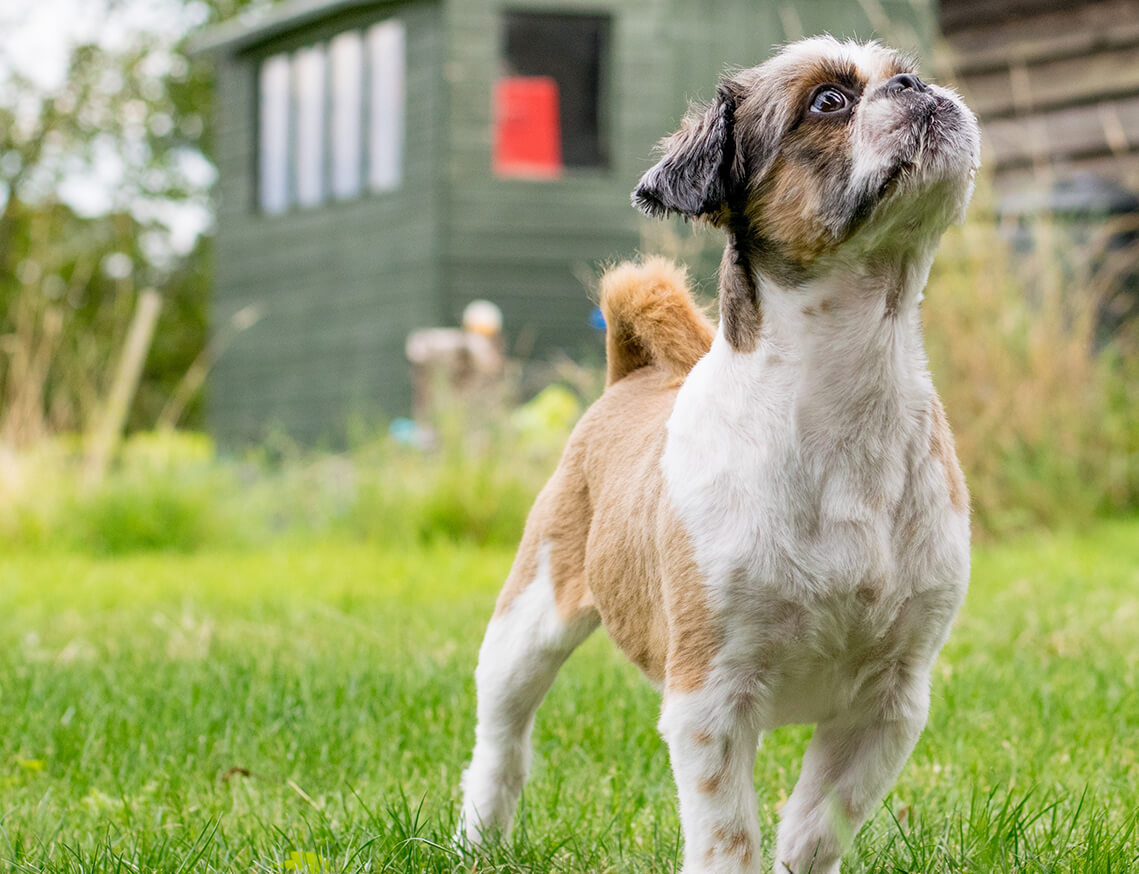
The Zuchon is one of the smaller designer crossbreeds, but despite their diminutive stature they are full of energy and personality. While more common in the US, it is slowly growing in popularity around the world due to their affectionate nature that makes them a great companion for both young and old. The breeds that make up the Zuchon are the Shih Tzu and the Bichon Frise.

The Zuchon can be a first cross (with one Shih Tzu and one Bichon parent), they can be bred back to one of the original breeds or be two Zuchons bred together. This means that there are varieties in size, shape, colours and coat types, but in all cases this is a small companion dog.


The need-to-know


  • Dog suitable for non-experienced owners
  • Basic training required
  • Enjoys gentle walks
  • Enjoys walking an hour a day
  • Little toy dog
  • Minimum drool
  • Requires grooming daily
  • Non hypoallergenic breed
  • Chatty and vocal dog
  • Not a guard dog
  • May require training to live with other pets
  • May require training to live with kids
Height:
The usual height of a Zuchon is between 24-29cms. Shih Tzu - not exceeding 27cms. Bichon Frise - 23-28cms.
Colours:
The colours of a Zuchon can be any mixtures of their parents’ colours with white markings. Shih Tzu: All colours permissible apart from merle. White blaze on forehead and white tip highly desirable in particolours. Bichon Frise: White
UK Kennel Club Groups:
Toy and Utility
Personality

Like most crossbreeds, the personality of a Zuchon depends on the parents and how they have been bred and reared.


The Shih Tzu is an extraverted, confident, affectionate dog who can be quite independent and aloof with strangers. They are, but will often think of training as a chore they would rather not participate in.


The Bichon Frise is an extroverted, lively, playful, friendly little dog. They bond very closely to their owners and will want to accompany them everywhere.


History and Origins

Like many of the designer crossbreeds, the Zuchon originated in the United States in a quest to find a small companion dog that didn’t shed and that would fit into any family’s lifestyle no matter how small their home and garden.To understand more about the origin of the breed requires an understanding of the two breeds that go into the formation of the Zuchon

Nutrition and Feeding

The fast metabolism of toy dogs is present in the Zuchon as well. This means they must eat little and often. Small-breed foods are specifically designed with appropriate levels of key nutrients and smaller kibble sizes to suit smaller mouths. This also encourages chewing and improves digestion. It’s important to make sure their diet includes the right balance of all the main nutrient groups. Make sure you conduct regular body condition scores to check that your dog is in shape, and remember to feed them at least twice daily in accordance with the feeding guidelines of his particular food.

Exercise

The Zuchon will be happy with half an hour to an hour walking each day, plus plenty of games and owner interaction.

Other Information

Health and common issues


Crossbreeds are used to dilute or eliminate any inherited health issues that may exist within one or other of the breeds. This dilution or elimination is likely if only one parent is the carrier of any particular condition, and where this is a first cross (F1). As this can’t always be guaranteed, all parents should be health tested prior to breeding: Shih Tzu - they can be prone to luxating patellas, and are prone to dental problems and eye conditions. They also are a brachycephalic breed and so can have the health problems and breathing difficulties associated with a shortened skull and flattened face. Bichon Frise - a generally healthy dog but eye testing should be carried out. Information on health tests for both breeds can be found on the Kennel Club’s website or find out more about brachycephalic breeds here.


Space requirements


This is a small dog who can happily live in a flat or a smaller property. As long as they have access to the outdoors for toileting and walks, they’ll be ready to call it home.


Training the zuchon


The Zuchon is a clever dog who will enjoy learning tricks and should be trained to walk on a lead and harness, as well as come back when called. If the Bichon trainability is inherited, this cross can be surprisingly trainable.


Family friendly dog breeds


The Zuchon makes a fun companion but as they are small and rather delicate, especially as puppies. They suit families with older sensible children. They can happily live with cats and other small dogs.


Shorkie

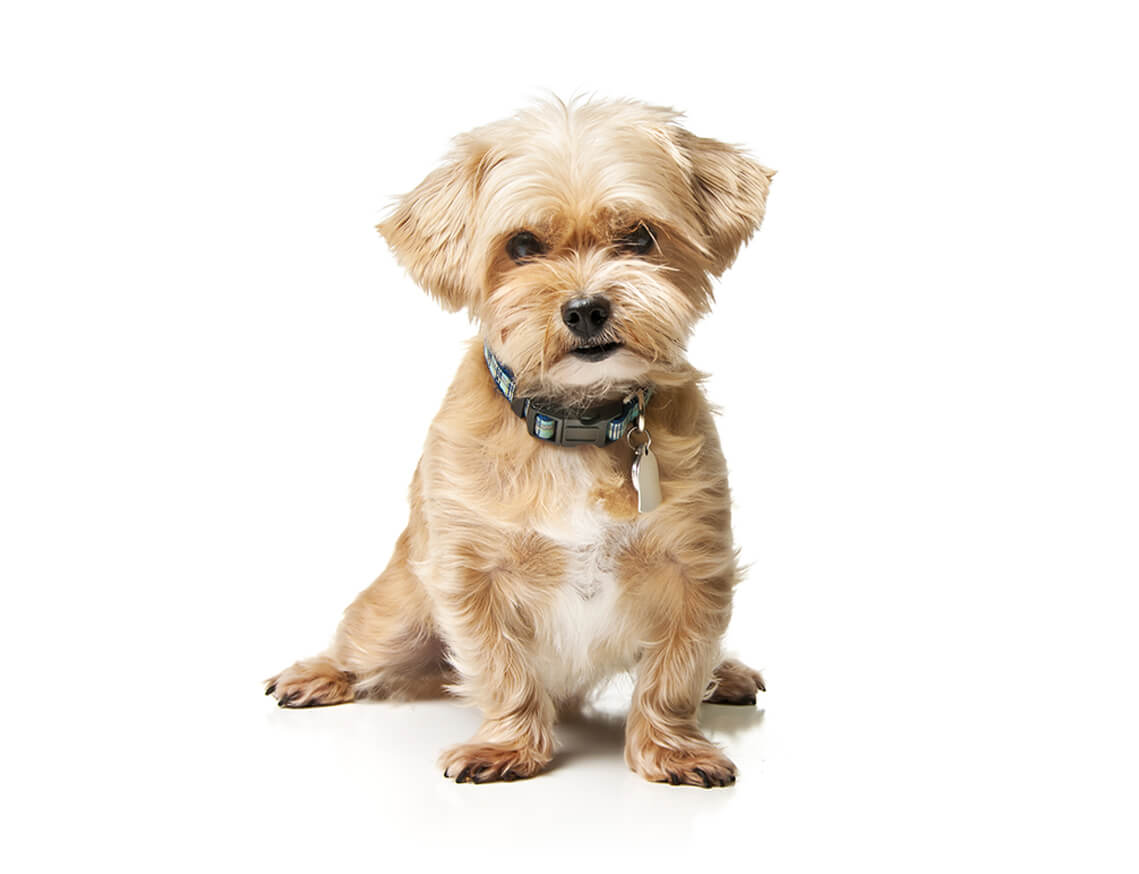
Shorkies might be one of the smaller designer crossbreeds, but their big personality offers the perfect counterbalance to their diminutive stature. While more common in the US, it is slowly growing in popularity around the world due to their ability to adapt to different households. The breeds that make up the Shorkie are the Shih Tzu and the Yorkshire Terrier.

The Shorkie can be a first cross (with one Shih Tzu and one Yorkshire Terrier parent), be bred back to one of the original breeds or be two Shorkies bred together. This means there are varieties in size, shape, colours and coat types, but in all cases, this is a very small companion dog.


The need-to-know


  • Dog suitable for non-experienced owners
  • Basic training required
  • Enjoys gentle walks
  • Enjoys walking an hour a day
  • Little toy dog
  • Minimum drool
  • Requires grooming daily
  • Non hypoallergenic breed
  • Chatty and vocal dog
  • Not a guard dog
  • May require training to live with other pets
  • May require training to live with kids
Height:
The usual height of a Shorkie is between 20-28cms and it depends on the size of the parents. Shih Tzu - not exceeding 27cms. Yorkshire Terrier - 18-20cms
Colours:
The usual colours of a Shorkie can be any mixtures of their parents’ colours, with or without white markings. Shih Tzu: All colours permissible apart from merle. White blaze on forehead and white tip highly desirable in particolours. Yorkshire Terrier: St
UK Kennel Club Groups:
Utility (Shih Tzu) and Toy (Yorkshire Terrier)
Personality

Like most crossbreeds, the personality of a Shorkie depends on the parents and how they have been bred and reared. But both parents are affectionate dogs who bond closely to their owners.


The Shih Tzu is an extraverted, confident, affectionate dog who can be quite independent and aloof with strangers. Although quite intelligent, sometimes they can give the impression that training is optional for Shih Tzu dogs!


History and Origins

Like many of the designer crossbreeds, the Shorkie originated in the United States in a quest to find a small companion dog that didn’t shed and that would fit into any family’s lifestyle, no matter how small their home and garden.To understand more about the origin of the breed we need to look at the two breeds that go into the formation of the Shorkie.

Nutrition and Feeding

Toy dogs have a fast metabolism which makes them burn energy at a high rate. This means that that they must eat little and often. Small-breed foods are specifically designed with appropriate levels of key nutrients and smaller kibble sizes to suit smaller mouths. This also encourages chewing and improves digestion. Your dog's diet needs to have the right balance of all the main nutrient groups including a constant supply of fresh water. It's important to conduct regular body condition scores to ensure you keep your dog in ideal shape, and remember to feed him at least twice daily in accordance with the dog feeding guidelines of his particular food.

Exercise

The Shorkie will be happy with half an hour to an hour of walking each day, as long as they have plenty of games and owner interaction.

Other Information

Health and common issues


One aim with crossbreeds is to dilute or eliminate any inherited health issues that may exist within one or other of the breeds. This dilution or elimination is only likely if only one parent is the carrier of any particular condition, and where this is a first cross (F1). As this can’t always be guaranteed, all parents should be health tested prior to breeding: Shih Tzu - they are also prone to luxating patellas, and are prone to dental problems and eye conditions. They also are a brachycephalic breed and so can have the health problems and breathing difficulties associated with a shortened skull and flattened face. Yorkshire Terriers - this is a fairly healthy long-lived breeds but like many small dogs can have issues with luxating patella and there are other health issues that require owners to ensure they get puppies from a reputable source. Information on health tests for both breeds can be found on the Kennel Club’s website or find out more about brachycephalic breeds here.


Space requirements


This is a small dog who can live in a flat or a smaller property as long as they have access to the outdoors for toileting and walks.


Training the shorkie


The Shorkie can be a clever dog, always up for learning tricks and games. They should be trained to walk on a lead and harness as well as come back when called. While this may look like a cute fluffy dog, the Shorkie can be surprisingly game when out and can chase squirrels and even the neighbour’s cat! This is a breed that needs early and ongoing socialisation so they gain confidence with people and other dogs.


Family friendly dog breeds


The Shorkie makes a fun companion but as they are small and rather delicate, especially as puppies, they suit families with older sensible children. As they bond strongly to their owner, they are often a one-person dog, even if they get on with other members of the family.


Cockalier

The Cockalier is a cross between two spaniel breeds, the Cocker Spaniel (show type or working) and the Cavalier King Charles Spaniel. In rarer cases the American Cocker Spaniel can also be used.

The Cockalier can be a first cross (with one Cocker and one Cavalier parent), can be bred back to one of the original breeds or be two Cockaliers bred together - so there are varieties in size, shape, coat types and temperaments.


The need-to-know


  • Dog suitable for non-experienced owners
  • Some training required
  • Enjoys vigorous walks
  • Enjoys walking one to two hours a day
  • Small dog
  • Minimum drool
  • Requires grooming daily
  • Non hypoallergenic breed
  • Chatty and vocal dog
  • Not a guard dog
  • May require training to live with other pets
  • May require training to live with kids
Lifespan:
12–5 years
Weight:
4.5–12kg
Height:
30–8cm
Colours:
The Cockalier can come in any colour that’s common to either the Cocker Spaniel or the Cavalier King Charles Spaniel including: black; red; orange; brown; combinations of black with white; liver with white; red and white; blue roan; orange roan; black roa
Size:
Small to Medium
Personality

Like most crossbreeds, the personality of a Cockalier depends on the parents and how they have been bred and reared. It’s clear from looking at the two breeds that make up the Cockalier that this is an active dog who needs quite a lot of exercise and needs to be a part of the family. The personality of a Cockalier seems to be more consistent when they are first crosses (F1). As a line successively bred, they can be either be bred back to one of the original breeds (and so strengthen either the Cocker or the Cavalier personalities) or else be bred to another Cockalier - in which case there is less predictability.


History and Origins

The Cockalier is a relatively new designer breed and as such, there’s not much in the way of history. Therefore, it’s important to look into the two breeds involved in their make-up to understand more about the Cockalier. The English Cocker Spaniel is one of the most popular spaniel breeds and also one of the oldest land spaniels. Prior to the early 1880s, the Cocker and Springer Spaniel were categorised as the same breed and referred to as the ‘Land Spaniel’, but they developed different jobs as the years went on due to their differing size. The Springer was used to ‘spring’ upon game, whereas the Cocker was used to flush out Woodcock, hence the names. The difference between the two breeds became greater defined due to selective breeding and in 1893, they were finally recognised as two different breeds. The Cavalier King Charles Spaniel is the latest of the English Toy Spaniels and was developed in the 1920s in order to try and recreate the famous dogs of King Charles. The breed began with a long snout, but in the Victorian era shorter noses became the fashion, resulting in a much flatter faced breed. However, in 1926 an American called Roswell Eldridge visited England and was disheartened by the fact he couldn’t see the dogs so often depicted in art, so he set to reinstating the longer nose of the breed. This started a movement and led to the formation of the Cavalier King Charles club in 1928 and finally in 1945, the Cavalier King Charles Spaniel was recognised as a separate breed to the flat-faced King Charles Spaniel. The Cockalier can have any combination of the two breeds in their appearance, behaviour and temperament.

Nutrition and Feeding

Your dog’s diet needs to have the right balance of all the main nutrient groups including a constant supply of fresh water. It's important to conduct regular body condition scores to ensure you keep your dog in ideal shape, and remember to feed them at least twice daily in accordance with the feeding guidelines of their particular food.

Exercise

Both the breeds that make up the Cockalier are active and enjoy exercise and will be happy with an hour plus every day. They will also enjoy games, training, interactive toys and being involved in all family activities too.

Other Information

Health and common issues


One aim with crossbreeds is to dilute or eliminate any inherited health issues that may exist within one or other of the breeds. This dilution or elimination is only likely if only one parent is the carrier of any particular condition, and where this is a first cross (F1). As this can’t always be guaranteed, all parents should be health tested prior to breeding: Cocker Spaniel - eye tests and hip scoring should be done, and there are several DNA tests that may need to be carried out too Cavalier King Charles Spaniel - sadly this is a breed that is prone to several serious health problems including eye problems, mitral valve disease and syringomyelia. It’s very important to get puppies from only the most reputable breeders in order to reduce the number of possible health risks.


Space requirements


The Cockalier isn’t a large dog and doesn’t need a huge amount of space, but they are very active (especially the Cocker side) and so will appreciate a large garden and access to the great outdoors for the walks they will need.


Training cockaliers


This is a smart, active and busy dog who needs and enjoys training. They’re a joy to train as both the breeds are intelligent and love working with their owner, but they will learn bad habits as quickly as good ones so reward-based training should start early and be ongoing. The Cockalier can excel in dog sports and can easily be the star of your dog training class.


Best family dog breeds


If the Cockalier is sourced from a reliable breeder and well-trained from puppyhood, they will make fabulous family dogs, be a total joy to own and will get on with everyone. In other words, almost the perfect dog! An untrained or bored Cockalier can however easily become unruly and overly boisterous, so be sure to undertake adequate training and make sure they get enough stimulation.


Did you know?


  • The Cockalier is a mixed breed dog so it’s not currently recognised by the UK Kennel Club
  • They naturally possess a very friendly nature and love spending time with their families
  • Due to their Cocker Spaniel roots, it’s likely they’ll retain their hunting instincts and may chase birds or small animals


Borador

The Borador is an outgoing mixed breed dog that’s a combination of the Labrador Retriever and the Border Collie. They’re becoming popular amongst active owners looking for an energetic and curious dog that combines the kindly natures of both breeds.

The Borador can be a first cross (with one Labrador and one Collie parent) or they can be bred back to one of the original breeds or be two Boradors bred together - so there are varieties in size, shape, coat types and temperaments.


The need-to-know


  • Dog suitable for experienced owners
  • Extra training required
  • Enjoys vigorous walks
  • Enjoys walking more than two hours a day
  • Medium dog
  • Some drool
  • Requires grooming once a week
  • Non hypoallergenic breed
  • Chatty and vocal dog
  • Guard dog. Barks and alerts
  • May require training to live with other pets
  • May require training to live with kids
Lifespan:
10– 5 years
Weight:
18kg–29.5kg
Height:
48–61cm
Colours:
The usual colours of a Borador can be any of the Labrador solid colours or any Collie colours, with or without white, including: black; yellow; liver; chocolate; black and white or red and white
Size:
Medium to Large
Personality

Like most crossbreeds, the personality of a Borador depends on the parents and how they have been bred and reared.


The Borador can have a personality that’s a cross between the two and so may inherit the retrieving instinct or may inherit the herding instinct, or indeed they could inherit both. It’s clear from looking at the two breeds that make up the Borador that this is an extremely active dog who needs a lot of exercise, training and input (often more than most owners will be able to provide).


History and Origins

The Borador is a combination of two of the best-loved, and more successful, working breeds. This is a high energy dog that will need a lot of training and a lot of exercises. Where it's likely that the breed has existed naturally for many a year, the intentional breeding of the Borador began in the early 2000s. The breeders aimed to create a breed that’s extremely smart and family-friendly and so, the Border Collie and Labrador Retriever were selected. To understand more about the origin of the breed requires an understanding of the two breeds that go into the formation of the Borador. The Labrador Retriever breed originated not in Labrador, but on the coast of Newfoundland in the 17th century. They were trained to bring in the fishing nets through the icy waters for the fishermen and, in the early 19th century, were brought to Poole Harbour in Great Britain. They were so attractive and with such appealing personalities that the fishermen had umpteen offers from Englishmen to buy them. The breed with their strong working abilities was instantly successful as a gundog. The Earl of Malmesbury became fascinated by these dogs, known at that time as Saint John’s Dogs, and he started breeding them, calling them Labrador Dogs. Today, Labradors are still used as working gundogs as well as being beloved family pets. The Border Collie dog breed dates back to the 1700s, although it was not given its present name until 1915 being previously known as the Scottish Collie or the Working Collie. There are several theories as to where the word ‘Collie’ comes from, but the most likely is that ‘collie’ means ‘useful’ in Gaelic, and these dogs are very certainly that. Border Collies worked with shepherds in the border area between Scotland and England for hundreds of years, being bred purely for their working ability and quite rightly earning themselves the reputation of being the finest herders of sheep in the world. The Border Collie works silently and has a unique way of moving sheep, working in harmony with their owner using a combination of crouching, creeping and sprinting that allows them to be very precise in how and where they move their woolly charges. These behaviours have translated well to many of the modern dog sports. The Borador can have any combination of the two breeds in their appearance, behaviour and temperament - but they will be hard-working dogs with plenty of energy and stamina.

Nutrition and Feeding

Large breed dogs, as well as having large appetites, benefit from a different balance of nutrients including minerals and vitamins compared to smaller-breed dogs. Boradors like most larger breed dogs can be prone to bloating and stomach problems; smaller, more frequent meals can help minimise this risk. Your dog's diet needs to have the right balance of all the main nutrient groups including a constant supply of fresh water. It's important to conduct regular body condition scores to ensure you keep your dog in ideal shape, and remember to feed them at least twice daily in accordance with the feeding guidelines of their particular food.

Exercise

Both the breeds that make up the Borador are highly active and enjoy exercise and will be happy with two hours plus every day - but will still enjoy games, training, interactive toys and being involved in all family activities at the rest of the time too.

Other Information

Health and common issues


One aim with crossbreeds is to dilute or eliminate any inherited health issues that may exist within one or other of the breeds. This dilution or elimination is only likely if only one parent is the carrier of any particular condition, and where this is a first cross (F1). As this can’t always be guaranteed, all parents should be health tested prior to breeding: Labrador Retriever - eye tests and hip and elbow scoring should be done, and there are several DNA tests that should also be done. Border Collie - eye testing and hip scoring should be done but there are many other tests that should be done and also considered in the breed.


Space requirements


The Borador is a very active dog that needs a good-sized living space - plus they are very active and will appreciate a large garden and access to the great outdoors for the long walks they will need.


Training boradors


Due to their intelligence, this is an easy dog to train – but potential owners definitely shouldn’t mistake ‘easy to train’ for naturally well behaved! By nature, the Border Collie is a relentless herder, and so will try and round up children, other pets and indeed anything and everything they can find, while the Labrador is a working retriever who will need an outlet for this working behaviour. A Borador who is not given a suitable outlet for their passion for work can resort to destructive behaviour, nuisance barking and hyperactivity. This is a very active dog who is smart and busy and who will need training if you want any hopes of a quiet life! They are a joy to train as both breeds are intelligent and love working with their owner, but they will learn bad habits as quickly as good ones, so reward-based training should start early and be ongoing. Boradors are a great breed for dog sports such as agility or even gundog work and will love having an active job to do. Given they have a working background, they should be well socialised with cats (who they can learn to live with happily), but they should be watched with caution around other small animals and birds.


Best family dog breeds


If the Borador is sourced from a reliable breeder, and is well-trained from puppyhood and well exercised, they will make fabulous family dogs. An untrained or bored Borador can however easily become unruly and overly boisterous.


Did you know?


  • Boradors are also referred to as ‘Border Collie Lab’ and ‘Border Lab’Despite their increasing designer status, you can find lots of Boradors in rescue centres, so if you’re considering one, be sure to check there first
  • Boradors are incredibly friendly and are known to greet strangers with a wagging tail, so they’re not best suited to watchdog life
  • If your Borador takes after their Border Collie heritage, they may try herding smaller family members such as children or other animals


Beaglier

The Beaglier is one of the ever-increasing designer crossbreeds that has its origins in Australia.

The breeds that make up the Beaglier are the Beagle and the Cavalier King Charles Spaniel. The Beaglier can be a first cross (with one Beagle and one Cavalier parent) or they can be bred back to one of the original breeds, or else be two Beagliers bred together - so there are varieties in size, shape, colours and coat types.


The need-to-know


  • Dog suitable for non-experienced owners
  • Basic training required
  • Enjoys active walks
  • Enjoys walking one to two hours a day
  • Medium dog
  • Some drool
  • Requires grooming once a week
  • Non hypoallergenic breed
  • Chatty and vocal dog
  • Not a guard dog
  • May require training to live with other pets
  • Great family dog
Lifespan:
10–15 years
Weight:
4.5–10kg
Height:
30–40cm
Colours:
The colours of the Beaglier can be any combination that’s common to the Beagle or Cavalier King Charles Spaniel, including: tricolour; blue, white and tan; white and tan; badger pied; hare pied; lemon pied; lemon and white; red and white; tan and white; b
Size:
Small to Medium
Personality

Like most crossbreeds, the personality of a Beaglier depends on the parents and how they have been bred and reared, but both breeds are happy, cheerful, friendly dogs who are almost permanently waggy. The Beaglier is a small to medium-sized, affectionate companion dog who will enjoy games, family life, and being part of everything their owner does.


The personality of a Beaglier seems to be more consistent when they are first crosses (F1). As a line is successively bred, they can be either bred back to one of the original breeds (and so strengthen either the Beagle or Cavalier personalities) or else be bred to another Beaglier - in which case there is less predictability in temperament (and in-breeding becomes more of a potential issue).


History and Origins

Where the natural occurrence of the breed may have happened centuries prior, the intentional breeding of the Beaglier began in the 1990s in Australia. Breeders wanted to create a small, healthy and energetic dog that didn’t have as much of a ‘hound’ instinct as the Beagle, so the Cavalier King Charles was selected as the perfect match due to its even-temper and good manners.

Nutrition and Feeding

Your dog's diet needs to have the right balance of all the main nutrient groups including a constant supply of fresh water. It's important to conduct regular body condition scores to ensure you keep your dog in ideal shape and remember to feed them at least twice daily and in accordance with the feeding guidelines of their particular food.

Exercise

The Beaglier will need between one to two hours walking each day - along with plenty of games and owner interaction.

Other Information

Health and common issues


One aim with crossbreeds is to dilute or eliminate any inherited health issues that may exist within one or other of the breeds. This dilution or elimination is only likely if only one parent is the carrier of any particular condition, and where this is a first cross (F1). As this can’t always be guaranteed, all parents should be health tested prior to breeding: Beagle - a largely healthy dog but there are DNA tests that should be done in this breed Cavalier King Charles Spaniel - sadly this is a breed that is prone to several serious health problems including eye problems, mitral valve disease and syringomyelia. It is very important to get puppies from only the most reputable breeders. Information on DNA health tests for both breeds can be found on the Kennel Club’s website.


Space requirements


This is a small to medium sized dog who can live in a smaller country property as long as they have access to the outdoors for toileting and walks.


Training beagliers


Unless they have a lot more of the Cavalier attitude to training, this may be a happy dog who will look on training with a lot of amusement and a wagging tail but not much else! They should be trained to walk nicely on a lead and harness, and a good recall should be taught (although possibly not relied on!).


Best family dog breeds


The Beaglier makes a fun companion and would suit families with sensible children who enjoy a dog that wants to be involved in everything they do.


Did you know?


  • As the Beaglier is a mixed breed, it currently isn’t recognised by the UK Kennel Club
  • It’s difficult to determine how Beagliers will turn out as they’re a combination of two breeds, even in the same litter some puppies may be more like Cavalier King Charles and others may be more like Beagles – both in personality and appearance
  • If your Beaglier takes after the Beagle in its breeding, they may be excellent escape artists, it’s a good idea to install good fencing just in case


Pomsky

Pomsky is one of the designer crossbreed dogs gaining popularity with dog lovers, particularly because of their cute looks. The breeds that make up the Pomsky are the Pomeranian, the smallest of the spitz breeds, and the Siberian Husky. The result is a cute ball of fur that looks like a mini wolf, but less demanding than its parent, the Siberian Husky.

The Pomsky can be a first cross (with one Pomeranian and one Husky parent), they can be bred back to one of the original breeds or be two Pomskies bred together (although in-breeding can be an issue in this case). This means there are varieties in the shape, colours, coat types and behaviour of a Pomsky companion.


The need-to-know


  • Dog suitable for experienced owners
  • Some training required
  • Enjoys active walks
  • Enjoys walking one to two hours a day
  • Medium dog
  • Minimum drool
  • Requires grooming daily
  • Non hypoallergenic breed
  • Chatty and vocal dog
  • Not a guard dog
  • May require training to live with other pets
  • May require training to live with kids
Height:
The usual height of a Pomsky is usually midway between the Pomeranian and Husky, but can vary given the very different sizes of these two breeds. Pomeranian – a breed categorised by weight and not height and should be between 1.8-2.5kgs. They are generall
Colours:
The colours of a Pomsky vary as well depending on their parents Pomeranian: All whole colours are permissible Siberian Husky: All colours and markings including white, except merle
UK Kennel Club Groups:
Toy and Working
Personality

Like most crossbreeds, the personality of a Pomsky depends on the parents and how they have been bred and reared.


The Pomeranian is a surprisingly active little dog who can excel at training. They are sociable, friendly, and outgoing. Sometimes they don’t realise they are tiny dogs at all!


The Siberian Husky is a working dog at heart. They are however friendly, gentle, and alert. They are not dogs who will ever shine in the obedience ring, as they are independent, scorn training and are selectively bred for one purpose. They are active and agile, and as such can be difficult to keep as a companion dogs. They are quiet most of the time as they don’t bark, but they do howl which is a joy for most huskies (but not for their neighbours).


History and Origins

Like many of the designer crossbreeds, the Pomsky originated in the United States. Since it is a relatively new dog breed, the looks and traits are not yet established. This is why it’s important to look at the individual breeds making up the Pomsky.The two breeds that go into the formation of the Pomsky are the Pomeranian and the Siberian Husky.

Nutrition and Feeding

Your dog's diet needs to have the right balance of all the main nutrient groups including a constant supply of fresh water. It's important to conduct regular body condition scores to ensure you keep your dog in ideal shape, and remember to feed him at least twice daily in accordance with the dog feeding guidelines of his particular food.

Exercise

A Pomeranian is happy with half an hour to an hour a day, while a Siberian Husky will run all day! No wonder the exercise needs of the resulting Pomsky can be difficult to predict. The secret is to be prepared for either.

Other Information

Health and common issues


The aim of crossbreeds is to dilute or eliminate any inherited health issues that may exist within one or other of the breeds. This dilution or elimination is only likely if only one parent is the carrier of any particular condition, and where this is a first cross (F1). As this can’t always be guaranteed, all parents should be health tested prior to breeding: Pomeranian - a fairly healthy breed although like many small breeds can be prone to luxating patellas Siberian Husky - eye tests and hip scoring should be done


Space requirements


As the size of this cross is a little unpredictable, so is their need for space. They can live in smaller properties but must have access to the outdoors for toileting and exercise.


Training the pomsky


The Pomsky is likely to be a highly intelligent breed but not necessarily an easy one to train. While the Pomeranian is a very trainable little dog, the Husky is a specialist, bred to run not to be obedient. Dog training will take patience, skill and a reward-based approach. They should however be trained to walk on a lead and harness, and a good recall should also be taught (although not necessarily relied on).


Family friendly dog breeds


The Pomsky can make a good family companion, but they can also be independent and aloof. To make sure your Pomsky will get on with all the family, find a good breeder who socialises their puppies well and continue this from the minute they come home.