Sorry, you need to enable JavaScript to visit this website.
Skip to main content
Dog Nutrition for a Balanced Diet
1 min read
To keep them healthy, happy and active for as long as possible, your dog's diet needs the right balance of six major nutrient groups: protein, fats/oils, vitamins, minerals, carbohydrates and water. Did you know that the nutritional requirements for dogs include 37 different essential nutrients through food alone?
Feeding & Nutrition
Can Cats Eat Chocolate?
1 min read
While they’re not quite as likely to gate crash the Easter egg stash and gobble the lot like a dog might, cats can sometimes get a taste for chocolate. Most owners know that chocolate is bad for dogs, but do you know if cats can eat chocolate? Can cats eat chocolate? No, cats should not eat chocolate. Even though they’re less likely to try and steal it away from under your nose, chocolate is still bad for cats, just as it is for dogs. While a chocolate bar may not appeal to them, any kind of milk-based chocolate drink can certainly be a risk around any feline! Why is chocolate bad for cats? If you're wondering why cats and chocolate don't mix, it's because chocolate and cocoa contain an ingredient called theobromine, which is naturally metabolised in the human body, but not in cats or dogs. This leads to a toxic build-up of the substance, which can lead to some very serious symptoms, particularly liver failure. Your cat doesn’t have to eat a great deal of chocolate to suffer problems as a result, so try to keep it out of reach, and out of sight, of all your pets. It’s impossible to calculate exactly how much chocolate it takes to make a cat ill, as every animal’s metabolism is different, but there are some factors that you can take into account. This includes your pet’s size and weight, and the kind of chocolate they have eaten. Dark, bitter, chocolate has a far higher theobromine content than milk or white chocolate. Symptoms of chocolate poisoning in cats If you suspect your cat has eaten chocolate, watch out for any of the following symptoms:
Wet or Dry Dog Food?
1 min read
Most dogs love nothing more thanmeal time! As soon as you open theirfavouritefood they’ll run in with their tails wagging, whether they’re eating dry kibble or wet food. Both wet and dry dog foods are nutritionally complete andbalanced, andwill provide your canine friend with everything they need for their health and happiness. But you might have wondered what the benefits are, and which your dog will prefer. • What is the difference between wet and dry dog food? • Which one is 'better'? • How can you choose between them? Read on to find out more, and help you decide whether your dog will prefer wet or dry dog food. Wetdogfood contains more water Wetdogfood, of course, contains more water than dry kibble. This means that each meal will appear slightly larger, meaning there’s ‘more’ for your dog to eat, and each meal will last longer too. This water is also a small source of hydration, which is helpful if your dog doesn’t drink as much as they should. Even so, if you serve wet food ensure they always have a bowl of clean fresh water on hand! Many types of wet food also come in portion sizes, such as individual cans or pouches, which makes serving your dog very easy.
Looking After Your Dog's Claws
1 min read
Whether your dog is an energetic puppy or a fully grown adult they will rarely, if ever, need their nails trimmed. But it’s still a good idea to keep an eye on your dog’s nails – and know how to clip them, just in case! When you go for walks together, hard surfaces such as the pavement will naturally wear your dog’s nails down, which leaves you with very little work to do. However, if your dog’s nails aren’t looking after themselves, their untrimmed nails can break, bleed or even grow into their feet, causing them a lot of discomfort. If your furry friend is a senior, walking on overgrown dog nails can cause pain if they have arthritic feet. But what should you look out for? Hearing a 'click-click-click' noise as they walk on hard floors is the most obvious sign that your dog’s nails need a clip. Dog nail clipping is relatively simple, but you need to know how to correctly clip your dog’s claws to avoid causing damage or pain, which is easily done by accident. To make things easier and less stressful for your dog and you, always consult your vet or veterinary nurse before attempting to clip your dog’s claws at home. How to clip your dog’s nails If your dog hasn’t had their nails clipped before, or if you haven’t clipped dogs’ nails yourself, it can be a strange experience for both of you! However, if you prepare well, keep your dog calm, and follow these simple steps you’ll be done in no time. And of course, if you’re still not sure, your vet will be happy to help. Before you start • If your dog is a bit nervous, stressed or upset about having his nails clipped, or at worst tries to nip you, do not try to clip his nails yourself – it’s fine to ask your vet to do it. • Most veterinary practices have clinics where dog nail clipping can be done easily and cheaply. This takes the stress away, and you’ll know your dog is being looked after by an expert. • This is especially true if his nails are very overgrown, have grown into the pad, or you have no one to help you. Trying to do it alone for the first time can be tricky for anyone! Clipping your dog’s nails • Had a tutorial from your vet/veterinary nurse? You’re ready to go! First of all, ensure you purchase the correct type of dog nail clippers from your veterinary practice or groomer. • Only use nail trimmers that have been specifically designed for pets, and ensure they are sharp and well-maintained to make the job as easy as possible. • Depending on the size of your dog, sit him on your lap, or sit on the floor next to him – he’ll find the closeness reassuring, as well as it being practical. • Ask a friend or family member to help by holding your dog’s head and providing reassurance. Even if he’s not a fan of having his nail clipped, he’ll probably enjoy the fuss! • Hold your dog's paws firmly and push lightly on the pads to make the dog nail stick out. • Starting at the very end of his nail, clip at a 45-degree angle with the cutting end of the nail clipper towards the nail. Dark dog nails If your dog has dark nails trim very thin cuttings off the end, as it’s easy to accidentally damage the ‘quick’ or soft part of the nail. If you see a black dot in the centre of his nail, you have reached the quick and should stop cutting right away. Again, your vet or veterinary nurse can help you work out how much nail to remove. White dog nails On white dog nails, the quick is in the pink section (which you cannot see in black nails) – again, try hard not to nick it! The quick contains nerves and blood vessels that when nicked will bleed easily. How often should you clip your dog’s nails? Dog nail clipping, if necessary at all, should preferably be carried out once a week, but at least twice a month depending on your dog’s needs and how often you walk on roads. It's better to take off small amounts more often than to remove large portions every once in a while. What to do if your dog’s nails bleed • Have silver nitrate sticks, which are available from your vet, and cotton wool balls nearby in case you do accidentally nick the dog nail quick. • If so, and it bleeds, don't panic – it can happen to all of us. Calmly apply the silver nitrate to the end of the claw and press it with a cotton wool ball for a moment. • If the bleeding doesn’t stop, consult your vet immediately for further help with your dog nail clipping technique. • Silver nitrate may sting, so ask your helper to hold your dog if the need arises.
All About Puppy Microchipping
1 min read
Your dog will always do their best to love and protect you, and you can do the same by having them microchipped. Microchipping dogs means that should they ever go missing, you are giving them the best chance of being found and safely returned to you as soon as possible – even if it is with a guilty look on their face and their tail between their legs! There are many reasons your dog or puppy may go missing. They might get scared by another dog, a loud firework or rumble of thunder, or they may even become disoriented or distracted by a new environment – such as if you’re going on a new walk or have just moved house. If the worst happens and your dog gets lost, a microchip can help to ensure that they’re returned to you safe and sound. Of course, you should still make sure that your dog’s wearing a collar with an ID tag with your contact details on, but sometimes these can get lost or removed. A dog or puppy microchip will always stay safely in place. If you’ve recently got a new puppy, you might be wondering about what to expect from puppy microchipping, keep reading to find out how much to microchip a dog and the current dog microchip laws. What is a microchip? A dog or puppy microchip is a tiny computer chip that’s about the size of a grain of rice that contains a unique code which corresponds with your pup’s details. The actual process of microchipping is relatively fast and simple and can help you reunite with your four-legged friend if they wander away from home. When your dog is found, a vet or animal shelter can scan the embedded microchip to find your details from the microchip database, then they’ll contact you to collect your pet. How do microchips work? When you make your appointment, your vet will talk you through the process of puppy microchipping. Then, once you’re happy to proceed, they will insert a tiny microchip – about the size of a large grain of rice – under your dog’s skin. The procedure only takes a matter of seconds and is relatively painless and the actual sensation is said to be similar to what we feel when we have our ears pierced. Once the dog microchip is in place, that’s it, your dog won’t even know it’s there! The way microchips actually work is because of the unique 15-digit code, which is logged in a national database along with your details including your name, address and emergency telephone number.
Health
Arthritis in Dogs – Symptoms and Treatment
1 min read
Arthritis in dogs is the biggest cause of chronic pain, particularly in older pets. With early diagnosis and appropriate management, your pet can continue to lead a happy life. Arthritis in dogs is an extremely common condition and the main cause of chronic pain in dogs. According to Canine Arthritis Management, Osteoarthritis affects an estimated four out of five older dogs, and sadly it’s progressive – meaning that it cannot be cured and gradually worsens. However, there are plenty of management options available to help slow the disease progression and alleviate the symptoms. Many dogs continue to live a happy and otherwise healthy life after diagnosis. If you suspect your senior dog has arthritis, you’ll probably be wondering about the symptoms and the current dog arthritis treatment and management options available. To help, we’ve created this guide to tell you everything you need to know about arthritis in dogs. What is arthritis in dogs? There are different types of arthritis in dogs, but usually we are referring to Osteoarthritis (OA). In a healthy joint, the bone surfaces are covered in a thin layer of smooth cartilage with a small amount of joint fluid to lubricate them – this allows them to glide over each other without friction so your dog can move freely. In a joint affected with OA, there is degeneration of the cartilage and underlying bone, leading to joint instability and pain. The process is a cycle, with these structural changes causing further inflammation and degeneration. This can also cause bone remodelling where there is new bone growth further affecting joint movement as well as weakening of the soft tissue structures around the joint – the muscles, tendons and ligaments.
Health
What to Do If Your Dog Goes Missing
1 min read
It’s every dog owner’s worst nightmare; one minute your dog’s there, the next they’re not. Of course it’s upsetting and stressful for you when your dog is missing, but there’s also the added worry that your pet may be scared or hurt. The good news is that there are plenty of things you can do to maximise your chance of finding your dog. Home is where the heart is If your dog has disappeared from your home, the chances are that they won’t have gone far. They may have been distracted by a passing cat, or have been tempted to wander off in search of food and simply got disorientated. Alternatively they may have been spooked by a loud noise or a rumble of thunder, and sought safety in the garden or garage of a neighbour.
Puppy Neutering - Your Questions Answered
1 min read
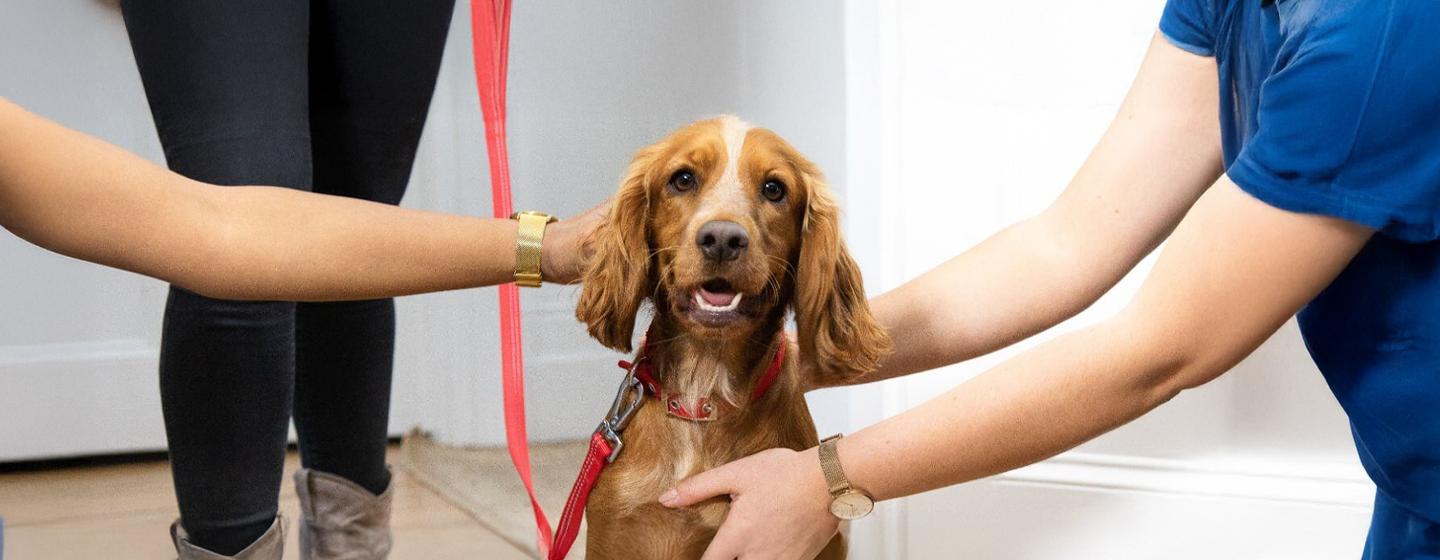
We answer some of the most common questions owners have about puppy neutering and spaying. Bringing a mischievous bundle of fur home is so much fun. When you’re teaching your puppy to sit and tickling their tummy, it’s unlikely that the thought of them having their own litter will even cross your mind. However, puppies can start to reach sexual maturity from around 6-7 months old up to 18 months, dependent on their breed size, and may therefore become pregnant earlier than you might otherwise have realise! As a new dog owner, you’ll have to think about whether you want your dog to breed or not from a relatively early age. Neutering your dog will help them avoid any unplanned pregnancies and may have a number of other health, behavioural and social benefits. However, there are also some disadvantages, and depending on your particular puppy these may outweigh the advantages of neutering, even if you do not want to breed from them. Your veterinary practice should be able to help you decide what is best for your puppy. What is neutering? Surgical neutering Neutering is a common operation which involves surgically preventing pets from reproducing by removing some or all of the reproductive organs. For male puppies this involves the removal of the testicles, and is called ‘castration’. For females the procedure means the removal of their ovaries and sometimes uterus, and is called ‘spaying’. In male dogs, neutering tends to be minimally invasive unless the dog’s testicles haven’t dropped. If your dog’s testicles haven’t dropped by 6-9 months of age, then they will need to be assessed by your vet. These dogs should not be bred from. For bitches, neutering is slightly more invasive than in males. It may be performed by an incision along her tummy to remove the ovaries and uterus. Alternatively, some veterinary practices offer the option of spaying via keyhole surgery, which is less invasive and may speed up recovery time. However, the decision as to which approach to take should be based on a discussion with your vet. Both operations are carried out under general anaesthetic. They will involve a small risk – as with any surgical procedure – but techniques and monitoring during anaesthetic minimise risks as much as possible. It also means your puppy will not feel any discomfort during the procedure. Pain relief and anti-inflammatories will also be provided by the veterinary practice at the time of the procedure, and you will often also be given some to take home as part of your puppy’s aftercare. You will also usually have one or two post-operative checks with your puppy, with a vet or vet nurse. This will enable them to monitor healing, and remove any stitches at the appropriate time if, in female dogs, stitches have been placed. If and when you are thinking about neutering your puppy, the best source of reliable information and advice is your vet. They will be able to answer any questions that you may have about what is involved in the procedure, possible side effects, the cost of neutering a puppy, and more. Chemical neutering There may be reasons you would prefer not to have your dog neutered surgically. In these cases, it is also possible to administer injections and tablets that can prevent your dog from breeding. This avoids surgery, and does enable your pet to breed later in life if wished, but the treatment does need to be administered regularly. There is some risk of side effects and there is an ongoing cost, but this may be a preferential option for some dogs. Your vet will be able to provide further information on this option. When should I neuter my puppy? Your dog or bitch will start to reach sexual maturity from around 6-7 months old up to 18 months, dependent on the size of the breed. The best age to neuter is a controversial subject and does differ according both to the size and breed of your dog. If wanting to avoid unwanted pregnancies it may be better to neuter your puppy at a younger age, and neutering can be carried out before the first season in females, but some vets will advise waiting longer. Particularly in larger breeds, especially male dogs, waiting until fully mature may be advised. There is no clear evidence of the optimum approach, however, and you should discuss what may be best for your individual puppy with your vet. What are the advantages and disadvantages of neutering my puppy? There are several health, behavioural and social reasons why neutering your puppy may be advisable and likely to be of benefit to them, and to you. However, although there are plenty of advantages there are also some potential disadvantages and neutering may not be an appropriate decision for every dog. The benefits of the procedure also vary depending on gender.
Separation Anxiety in Dogs: Symptoms and Treatment
1 min read
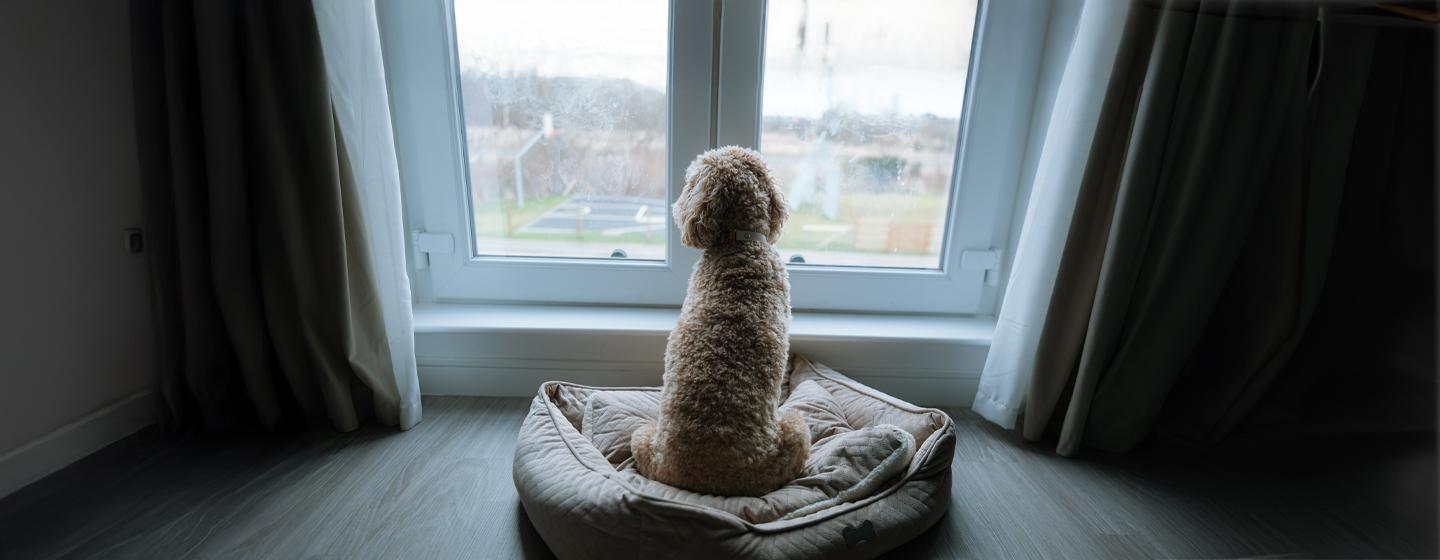
Get your dog used to spending some alone time without ruining furniture or crying help the minute you leave the house. Try these effective dog separation anxiety solutions. You’re no doubt proud of the unbreakable connection between you and your dog. You’re used to them frantically waggling their tail just because they’re happy to see you. You notice them dutifully following everywhere as if knowing you’re safe is their only life mission. But this close bond needs to be loosened from time to time. You know this. Your dog likely does not. This is why a very mundane night out with friends for you can turn into a dramatic few hours for your dog who doesn’t understand where you’ve gone or whether you will ever come back. Separation anxiety in dogs is a common problem many dog owners have to learn how to solve. Find out what are the symptoms and how you can help your dog keep calm when you’re not there. What is separation anxiety in dogs? Dog separation anxiety is a condition in which dogs show signs of distress when they are left alone. It can affect dogs of all ages and breeds. What are the symptoms of dog separation anxiety? You are likely to find out the hard way that your dog is anxious about being left alone - damaged carpets, claw marks on your favourite couch and neighbours telling you about the endless howling sounds your dog subjected them to in your absence. Unfortunately, some owners think these are just signs of a mischievous dog when in reality their pet is in distress, not knowing how to cope with an empty house. These are some common signs of separation anxiety in dogs: • Panting. • Pacing. • Attempts to escape the house. • Damaged furniture. • Relieving themselves inside the house. • Barking or howling. • Extreme excitement when the owners are back. Why are some dogs experiencing separation anxiety? Before we get to the dog separation anxiety solutions, it’s useful to look at the causes of distress. These can be varied from early abandonment all the way to genetics.
The truth about cat allergens
1 min read
Humans can be sensitive to a different number of allergens that when summed all together present an additive effect called the “total allergen load”. When an individual has increased exposure to a single allergen or a sum of different allergens and their allergen-threshold is exceeded, a sensitivity reaction may be triggered. In recent years, there has been a steady increase in the number of people with increased sensitivity of the body's immune system to various substances like plant pollen, certain foods, drugs, and others. Currently, as many as 1 in 5 adults are sensitised to cat allergens at a global level.

Pagination

  • First page
  • Previous page
  • …
  • Page 23
  • Page 24
  • Page 25
  • Page 26
  • Page 27
  • Page 28
  • Page 29
  • Page 30
  • Page 31
  • …
  • Next page
  • Last page
Purina Pet Club logo

Join Purina Pet Club for expert tips, helpful advice, exclusive offers and rewards.

Join the Club
Nourishing pets Purina pets grid card
Purina Pet Club logo

Join Purina Pet Club for expert tips, helpful advice, exclusive offers and rewards.

Join the Club
Nourishing pets Purina pets grid card

Footer

  • Cat
    • Care & Advice
    • Find a Pet
    • Food
    • Our Brands
  • Dog
    • Care & Advice
    • Find a Pet
    • Food
    • Our Brands
  • About Us
    • Our Mission
    • Our History
    • Our Purina Promise
    • Purina In The Community
  • Other
    • Join Purina Pet Club
    • Breed Selector
    • Contact Us

Footer

  • Cat
    • Care & Advice
    • Find a Pet
    • Food
    • Our Brands
  • Dog
    • Care & Advice
    • Find a Pet
    • Food
    • Our Brands
  • About Us
    • Our Mission
    • Our History
    • Our Purina Promise
    • Purina In The Community
  • Other
    • Join Purina Pet Club
    • Breed Selector
    • Contact Us

Footer

  • Cat
    • Care & Advice
    • Find a Pet
    • Food
    • Our Brands
  • Dog
    • Care & Advice
    • Find a Pet
    • Food
    • Our Brands
  • About Us
    • Our Mission
    • Our History
    • Our Purina Promise
    • Purina In The Community
  • Other
    • Join Purina Pet Club
    • Breed Selector
    • Contact Us

Footer

  • Cat
    • Care & Advice
    • Find a Pet
    • Food
    • Our Brands
  • Dog
    • Care & Advice
    • Find a Pet
    • Food
    • Our Brands
  • About Us
    • Our Mission
    • Our History
    • Our Purina Promise
    • Purina In The Community
  • Other
    • Join Purina Pet Club
    • Breed Selector
    • Contact Us
© 2026 Purina. All Rights Reserved.

©Reg. Trademark of Nestlé S.A.

Terms & Conditions
Privacy Policy
Cookies
© 2026 Purina. All Rights Reserved.

©Reg. Trademark of Nestlé S.A.

Terms & Conditions
Privacy Policy
Cookies
© 2026 Purina. All Rights Reserved.