Machine Name
cat
Zoomed product photo

Turkish Van

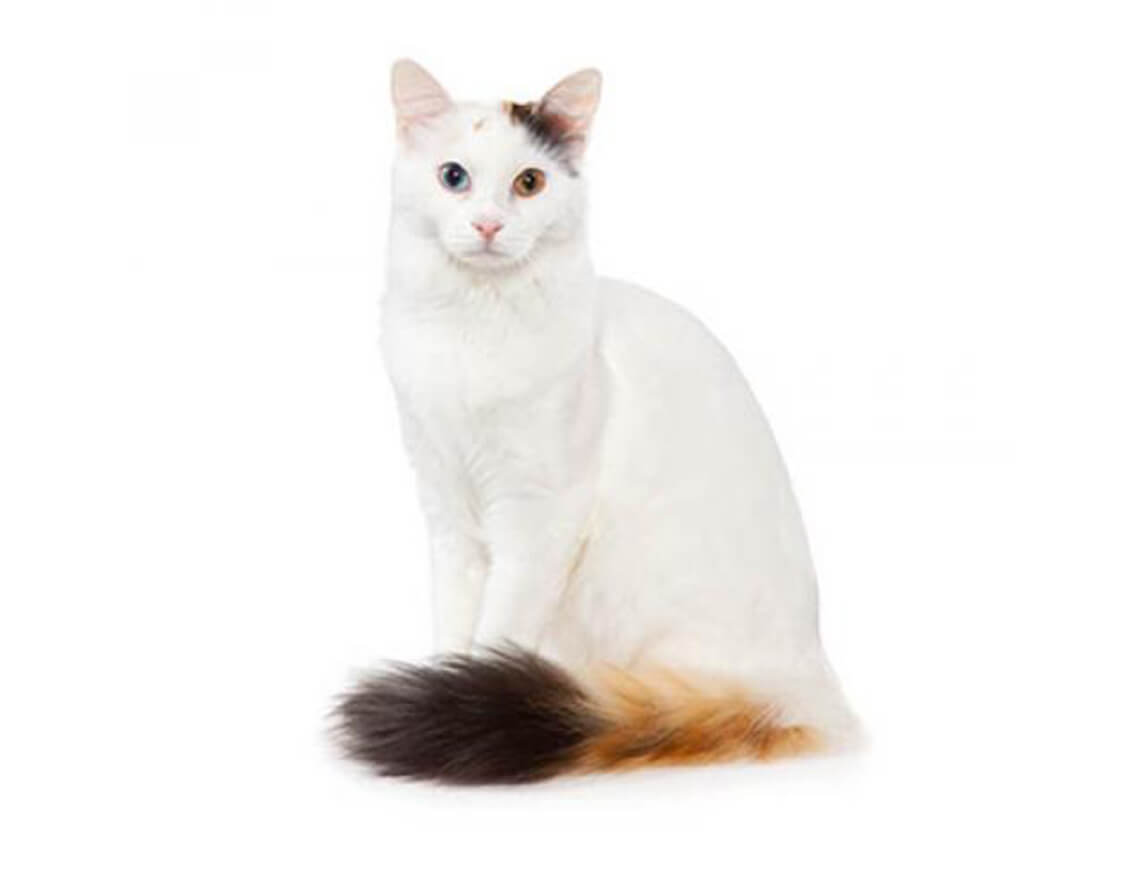
The Turkish Van cat is a large, muscular yet elegant breed with a white body and distinctively coloured head and tail. These cats are well balanced and strong in appearance. The large ears are set high on the head and the eyes are large, oval, and expressive. The Turkish Van cat's coat is long, soft, and silky with no woolly undercoat. The paws are tufted, and the tail has a full brush.The Turkish Van cat’s body is chalk white with coloured markings on top of the head. The colouring on the head is separated by a vertical white blaze. Occasionally small thumbprints of colour appear on the body. The eyes may be amber or blue or one of each.


The need-to-know


  • Playful and curious cat
  • Friendly but independent cat
  • Quiet cat
  • Average build cat breed
  • Requires grooming every day
  • Non hypoallergenic breed
  • Needs some out-door space
  • May require familiarisation before living with children
Personality

Turkish Van cats are extremely intelligent and friendly, and they make excellent companions. They are lively cats and will enjoy playing games with humans or other cats and so they need stimulation and a chance to play. Turkish Van cats have soft voices.


History and Origins

Country of Origin: Turkey


Other Names: : Turkish Swimming Cat


The most amazing characteristic of the Turkish Van cat is its affinity with water. It not only likes water but also seems to enjoy a swim. The breed originates from the area surrounding Lake Van in Turkey and has been domesticated there for hundreds of years. 


Nutrition and Feeding

Every cat is unique and each has their own particular likes, dislikes, and needs when it comes to food. However, cats are carnivores and every cat must obtain 41 different and specific nutrients from their food. The proportion of these nutrients will vary depending on age, lifestyle, and overall health. So it's not surprising that a growing, energetic kitten needs a different balance of nutrients in her diet than a less active senior cat. Other considerations to bear in mind are feeding the right quantity of food to maintain 'ideal body condition' in accordance with feeding guidelines and catering to individual preference regarding wet or dry food recipes.

Other Information

Health and common issues


At present there are no diseases specifically linked to this breed. As with all cats, the Turkish Van breed needs vaccinations, parasite control and annual veterinary health checks.


Best cat breeds for children


While this breed is not widely recognized as one of the best breeds for children, all cats are different and with the proper familiarization may still be able to live with children.


Zoomed product photo

Tonkinese

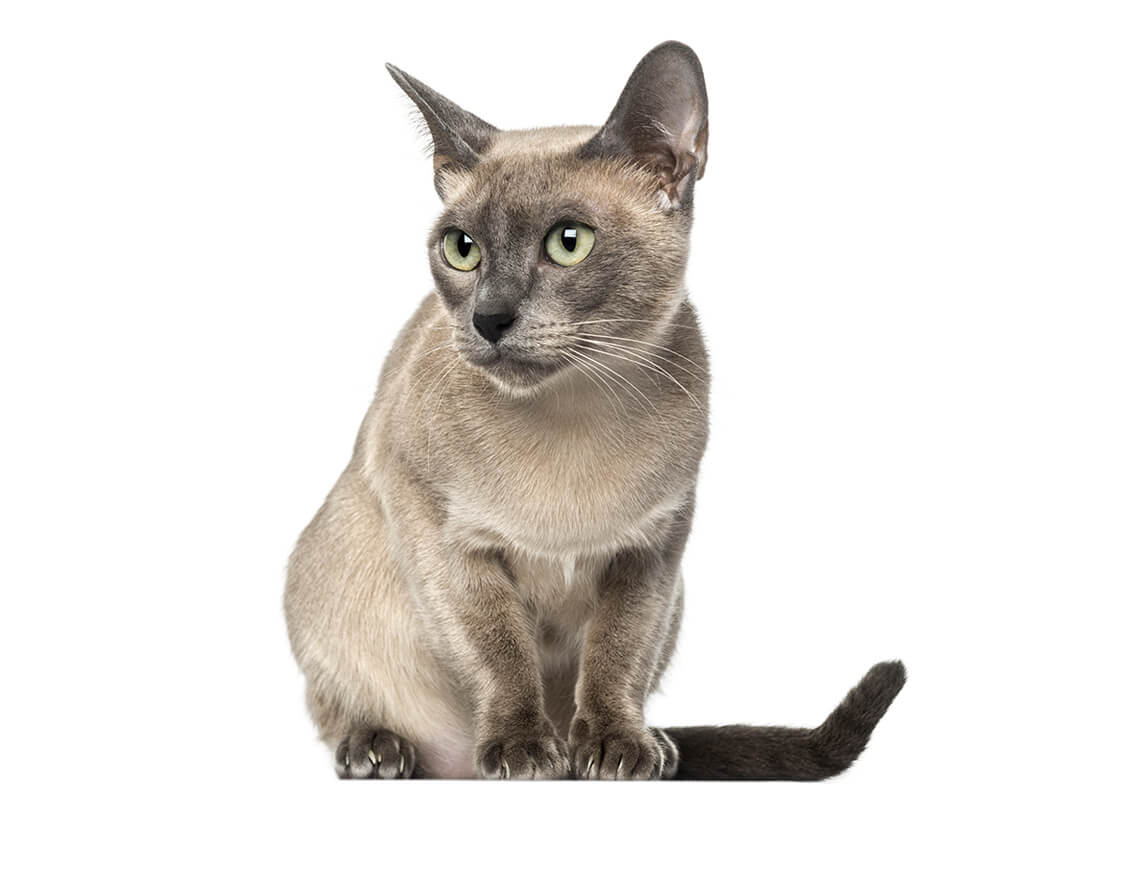
The Tonkinese cat breed is medium-sized of Oriental build with a gently rounded head with broad ears, set wide apart. The eyes are more open than the classic Oriental shape and can range from green to light blue. The body is well balanced, firm, and muscular. The Tonkinese cat's coat is short and close lying with a fine, soft, and silky texture. The mask, ears, legs, and tail, are darker than the body and merge gently with the body colour. The Tonkinese cat breed comes in a range of colours.


The need-to-know


  • Highly active and inquisitive cat
  • Sociable and dependent cat
  • Somehow talkative cat
  • Average build cat breed
  • Requires grooming once a week
  • Non hypoallergenic breed
  • Needs some out-door space
  • Great family cat
Personality

The Tonkinese cat breed has the same affectionate, friendly nature, as its close relatives the Burmese and Siamese. These cats are very people-oriented and make ideal family pets. They are said to be very inquisitive and intelligent. They can be trained to do tricks and require toys and games for amusement. They love company and if left alone for a long time, then a companion is a necessity. They are quite vocal and will chatter happily and follow you around.


History and Origins

Country of Origin: USA


Other Names: : Golden Siamese


The Tonkinese cat breed is the result of crossing a Siamese cat with a Burmese cat and, therefore, displays characteristics from both breeds. Mostly ignored when they were first developed as 'Golden Siamese' cat in America 1950s, it was not until the 1960s when they reappeared as Tonkinese that their popularity grew.


Nutrition and Feeding

Every cat is unique and each has their own particular likes, dislikes, and needs when it comes to food. However, cats are carnivores and every cat must obtain 41 different and specific nutrients from their food. The proportion of these nutrients will vary depending on age, lifestyle, and overall health. So it's not surprising that a growing, energetic kitten needs a different balance of nutrients in her diet than a less active senior cat. Other considerations to bear in mind are feeding the right quantity of food to maintain 'ideal body condition' in accordance with feeding guidelines and catering to individual preference regarding wet or dry food recipes.

Other Information

Health and common issues


Currently there are no specific inherited problems reported with the Tonkinese cat breed. As with all cats, Tonkinese cats benefit from protection against disease through vaccination and need regular parasite control and annual veterinary health checks.


Best cat breeds for children


While this breed is not widely recognised as one of the best breeds for children, all cats are different and with the proper familiarisation may still be able to live with children.